
On October 21, 2023, during a heated match between Kilmarnock and their rivals, the officiating referee faced severe backlash from players and fans alike. The SFA’s condemnation of McInnes came after he made comments that the association deemed inflammatory, contributing to a hostile atmosphere that ultimately led to the referee needing police assistance. For more insights into engaging discussions surrounding this topic, check out this article.
The SFA emphasized the importance of maintaining respect for match officials, highlighting that such incidents undermine the integrity of the game. In their statement, they called for all parties involved in Scottish football to foster a culture of respect and support for referees, who play a crucial role in ensuring fair play.
This incident is part of a broader trend in football where the treatment of referees has come under scrutiny. With increasing reports of abuse directed at officials, the SFA’s response aims to address these growing safety concerns and reinforce the need for accountability among players and coaches.
Background on referee protection and recent incidents
The issue of referee protection in football has gained significant attention in recent years, particularly in Scotland, where the Scottish Football Association (SFA) has been vocal about the need for enhanced security measures. This concern is rooted in a broader context of increasing hostility towards officials, which has been exacerbated by the rise of social media and the intense scrutiny that referees face during and after matches. The SFA’s criticism of manager Derek McInnes and media narratives following an incident where a referee required police protection highlights the ongoing tensions surrounding officiating in the sport. To dive deeper into how media narratives shape public perception, see this recent article.
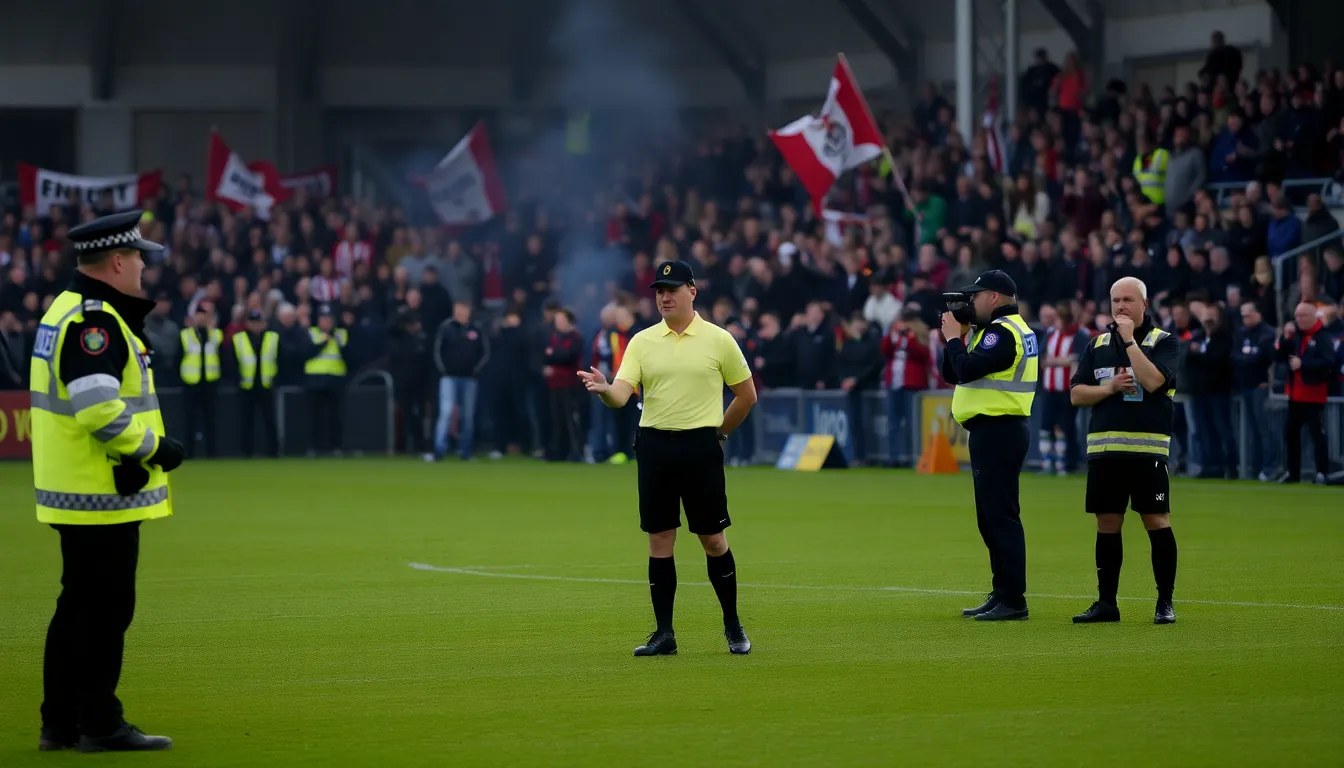
Historically, referees have been pivotal in maintaining the integrity of football matches, yet they have often been subjected to abuse from players, coaches, and fans alike. The situation has deteriorated over the past decade, with several high-profile incidents leading to physical and verbal confrontations. The SFA has implemented various initiatives aimed at safeguarding referees, including educational programs to promote respect for officials and stricter penalties for abusive behavior. However, these measures have often fallen short of addressing the root causes of the problem, similar to the ongoing discussions surrounding artistic expression in other fields.
In recent months, the debate intensified when a referee was reportedly threatened after a contentious match decision, prompting the need for police protection. This incident not only raised alarms about the safety of officials but also sparked discussions about the culture surrounding football in Scotland. The SFA’s response to McInnes, who criticized the officiating, underscores the delicate balance between accountability and respect for referees, as well as the role of media narratives in shaping public perception.
Key milestones in referee protection
Several key milestones have marked the evolution of referee protection in Scotland. In 2018, a landmark report by the SFA highlighted the alarming rates of abuse faced by officials, leading to a national campaign aimed at fostering a more respectful environment. Subsequent initiatives included the introduction of a ‘zero tolerance’ policy towards abuse and the establishment of a dedicated task force to address referee welfare. Despite these efforts, incidents of aggression continue to pose significant challenges, emphasizing the need for ongoing dialogue and reform within the sport.
Examining the roles of McInnes and media in the controversy
The recent incident involving referee safety has sparked significant debate within the Scottish football community, particularly concerning the actions of Derek McInnes, the manager of Kilmarnock, and the media’s portrayal of the situation. The Scottish Football Association (SFA) has publicly criticized both parties, highlighting the broader implications for player and official welfare in the sport.
McInnes has expressed concerns about the officiating during recent matches, suggesting that it has adversely affected his team’s performance. His comments, however, have been interpreted by some as an attempt to deflect blame away from his own team’s shortcomings. This has led to a contentious relationship between him and the media, which has been accused of sensationalizing his remarks and exacerbating tensions.
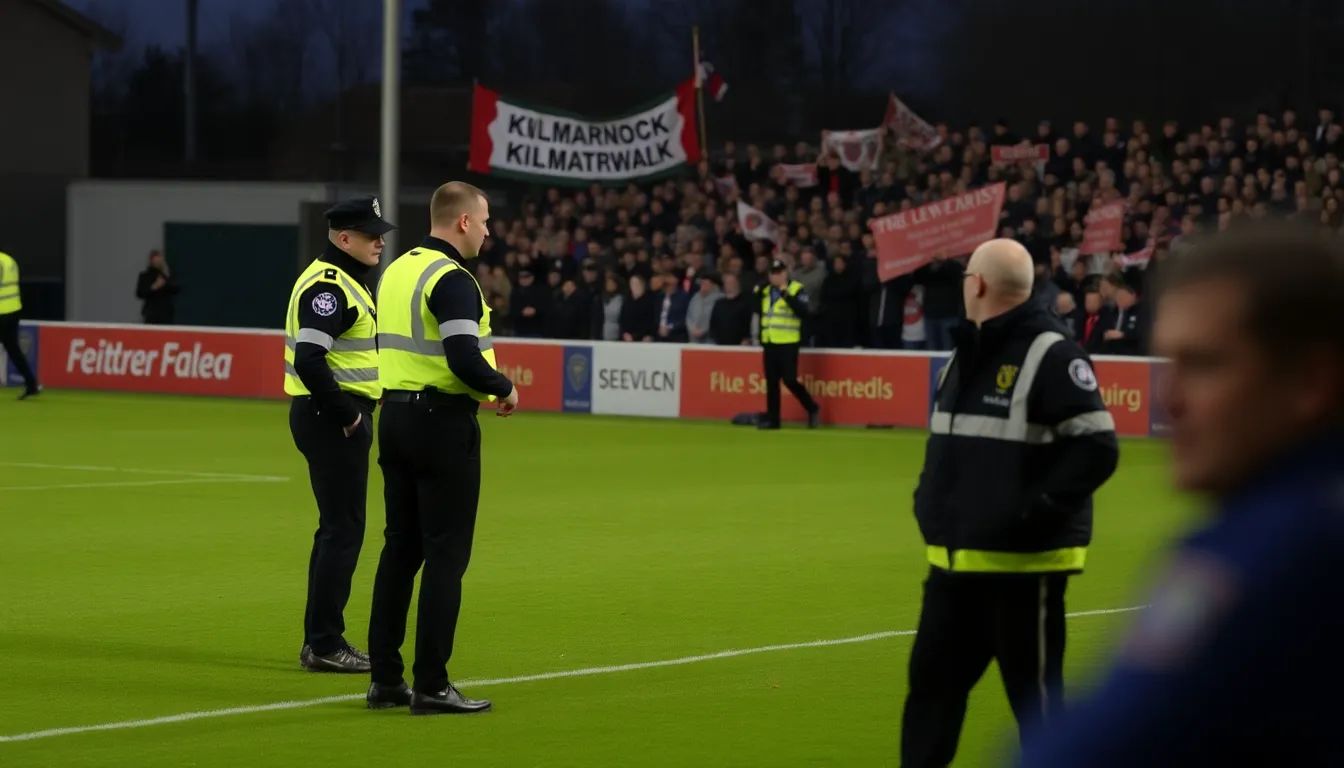
Key points of interest in this controversy include:
- Referee Safety: The need for police protection for referees raises serious questions about the safety of officials in football.
- Media Responsibility: The role of the media in shaping public perception and potentially influencing the behavior of fans and players.
- Accountability: The balance between holding referees accountable for their decisions and protecting them from undue harassment.
- Managerial Pressure: The pressures faced by managers like McInnes to publicly defend their teams while navigating media scrutiny.
From a legal standpoint, the SFA’s response underscores the necessity of maintaining a safe environment for all participants in the sport. The potential for legal repercussions if officials are harmed due to inflammatory remarks or media coverage cannot be overlooked. Economically, the fallout from such incidents can affect club revenues, particularly if fan behavior leads to sanctions or fines.
Impact on referees and the football community
The recent incident involving a referee requiring police protection has significant implications for various groups within the football community. Referees, players, club officials, and fans are all affected by the heightened tensions surrounding officiating in the sport. The criticism from the Scottish FA directed at manager Derek McInnes and the media underscores the need for a unified stance against abuse and intimidation in football.
In the short term, referees may experience increased anxiety and fear while officiating matches, leading to potential disruptions in their performance and decision-making. This atmosphere of hostility can deter individuals from pursuing careers in officiating, resulting in a shortage of qualified referees. Clubs may also face backlash from fans who disagree with officiating decisions, creating a more volatile environment during matches.
In the mid-term, the overall integrity of the game could be at risk, as the perception of refereeing quality declines. This may lead to calls for policy changes regarding referee protection and support. Additionally, clubs might need to implement measures to ensure a safer environment for officials, leading to increased operational costs and potential changes in matchday protocols.
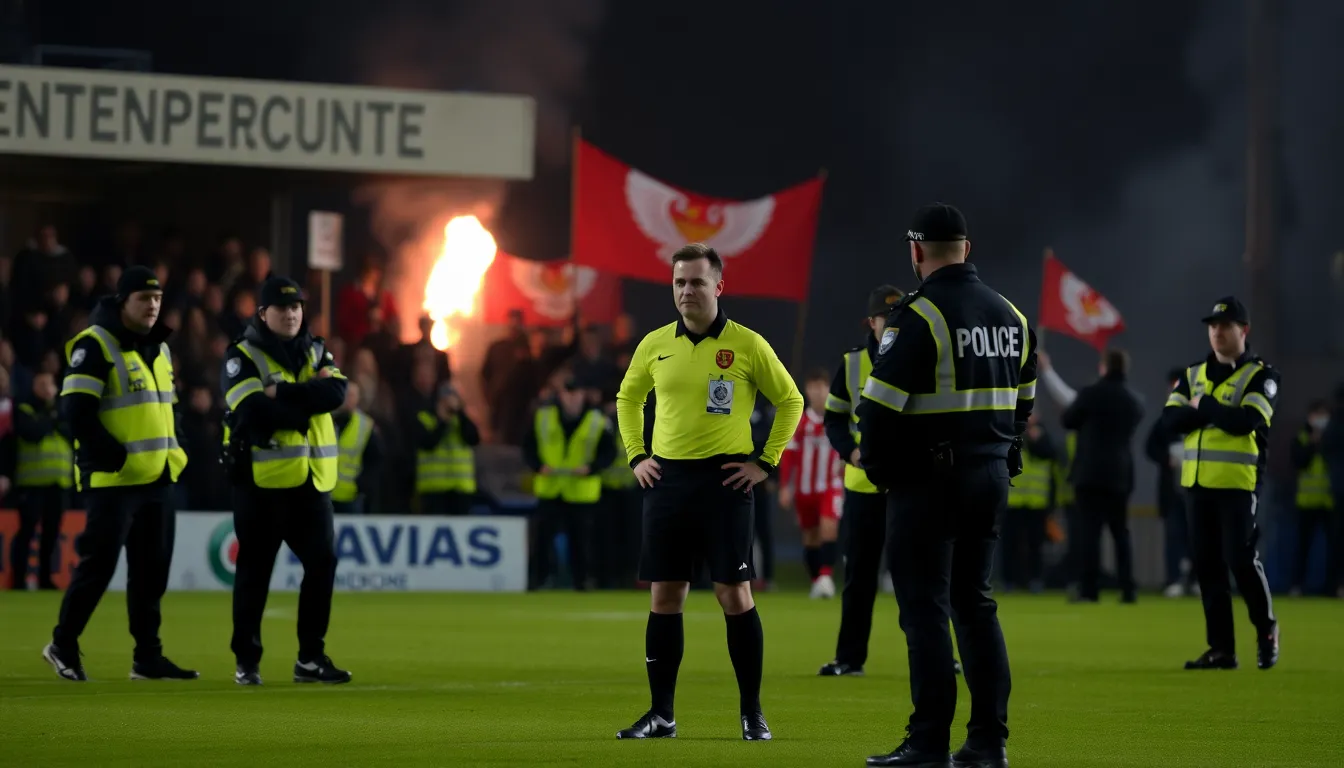
- Referees: Increased risk of intimidation and potential withdrawal from officiating.
- Clubs: Possible financial implications due to enhanced security measures.
- Players: Disruption in gameplay and increased pressure to perform amidst a hostile atmosphere.
- Fans: Heightened tensions during matches, affecting the overall matchday experience.
However, this situation also presents opportunities for positive change. The Scottish FA’s strong stance can lead to a greater emphasis on respect for officials, fostering a culture of sportsmanship. Initiatives aimed at educating fans and players about the importance of supporting referees could emerge, ultimately strengthening the football community and enhancing the matchday experience for everyone involved.
A: The referee required police protection due to threats received following a controversial match decision, highlighting safety concerns for officials in football. A: Derek McInnes made comments that were perceived as undermining the authority of the referee, which the Scottish FA deemed irresponsible. A: The media’s coverage of the incident has been criticized for sensationalizing the issue, potentially escalating tensions surrounding referee safety. A: The Scottish FA is reviewing protocols for referee protection and may implement new measures to ensure the safety of officials. A: This incident raises significant concerns about the culture of respect for officials in Scottish football and may lead to discussions on improving safety measures.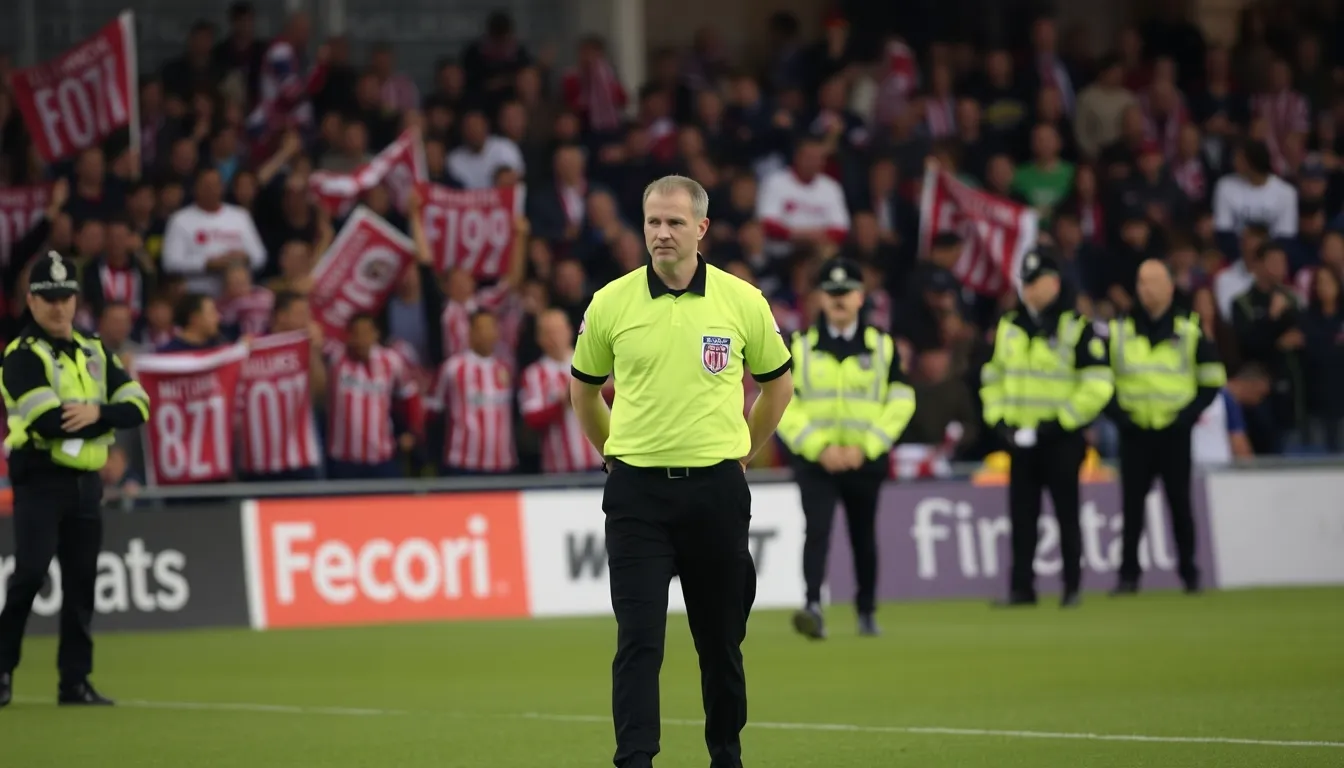
Frequently asked questions about the incident
Key takeaways and future implications
The recent incident involving a referee requiring police protection has raised significant concerns regarding the safety of officials in Scottish football. The Scottish FA’s criticism of both Derek McInnes and the media highlights the ongoing tensions within the sport and the broader implications for player and referee conduct. As discussions continue, it is essential to consider how this situation may influence future interactions between clubs, media, and governing bodies.
Moving forward, the emphasis on creating a safer environment for referees could lead to stricter regulations and a reevaluation of how criticism is expressed in the media. This incident may serve as a catalyst for change, prompting stakeholders to prioritize respect and professionalism in Scottish football.
- The Scottish FA may implement new guidelines to protect referees from harassment and ensure their safety during matches.
- Increased scrutiny on media reporting could lead to a more responsible approach in covering controversial incidents.
- Clubs may face repercussions if their personnel are found to incite hostility towards officials, fostering a culture of respect.
- This situation could prompt discussions about enhancing training for players and coaches on appropriate conduct towards referees.
- Fans and community members may become more involved in advocating for a safer sporting environment, influencing club policies.