
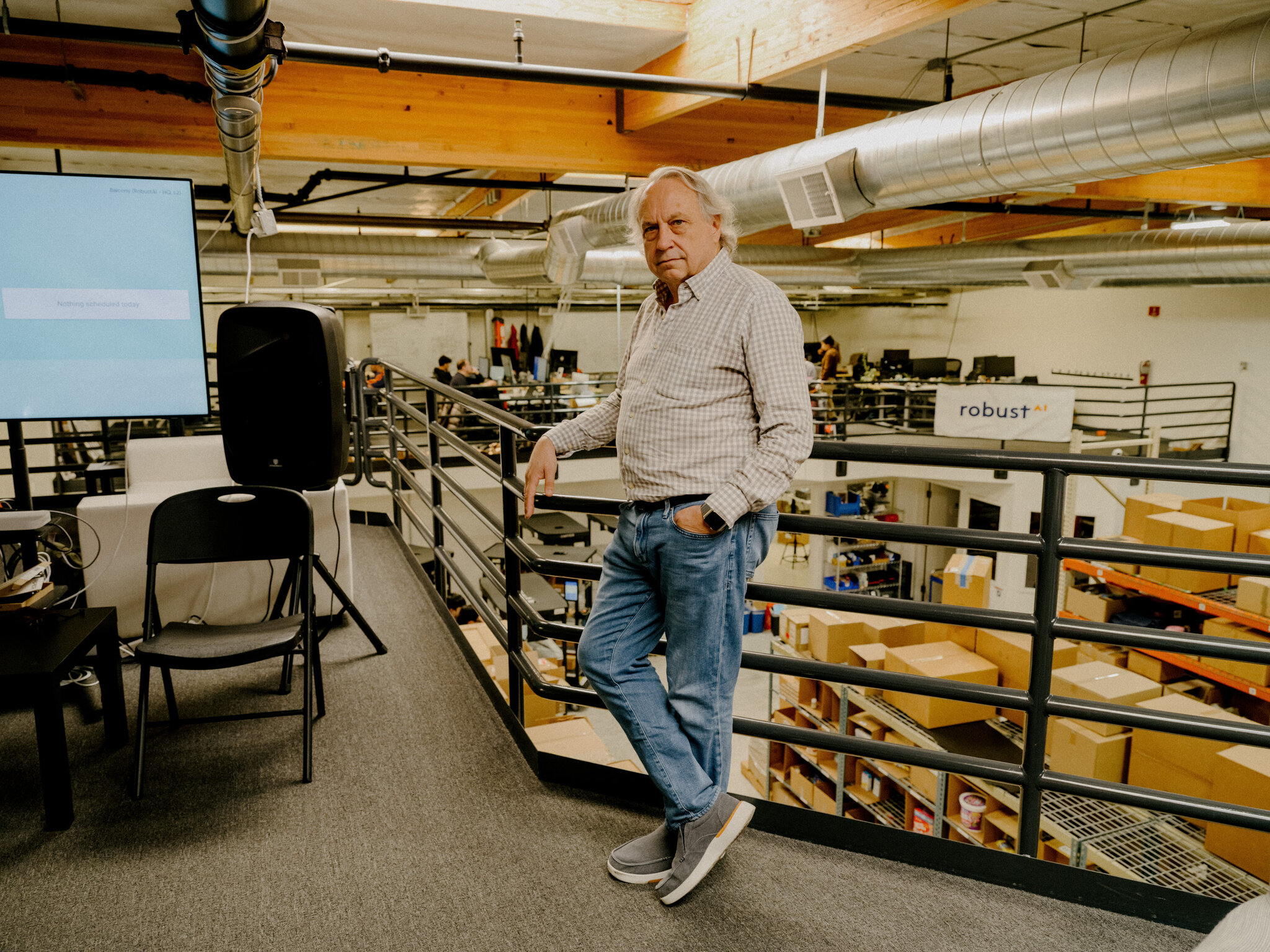
In a field that has continually captured imagination and incited ethical debates, Rodney Brooks, renowned as the Godfather of Modern Robotics, is openly voicing his concerns. Brooks argues that modern robotics has strayed from its foundational goals and has become ensnared in technological hype rather than addressing real-world challenges, much like the innovations discussed in Japan’s exploration of technological solutions for its dementia crisis.
Understanding the Landscape of Robotics Today
This critical perspective on robotics offers a backdrop for examining its development and application in various sectors. Brooks emphasizes that the original intentions of creating useful, practical robots are being overshadowed by the allure of advanced algorithms and artificial intelligence, raising questions similar to those in the impact of voices critiquing Silicon Valley’s technological ethos.

The Evolution of Robotics
Over the decades, robotics has seen a tremendous evolution, from simple mechanical devices to sophisticated AI companions. However, Brooks asserts that many of today’s robots lack the empathy and utility that characterize meaningful advancements.
Current Challenges in Robotics
Brooks identifies several areas where robotics has faltered:

- Lack of meaningful human-robot interaction.
- Overemphasis on autonomous systems without clear societal benefits.
- Insufficient focus on safety and ethical implications.
Examining Key Players in the Robotics Industry
The conversation shifts to the companies and research institutions at the forefront of robotics innovation. Brooks criticizes the focus on competition rather than collaboration in developing solutions that truly benefit society, suggesting a need for a more unified approach akin to the collaborative strategies seen in companies like SpaceX, which balance competition with collective advancement.
Noteworthy Organizations and Initiatives
Some noteworthy organizations are striving to recalibrate their missions toward practical applications:
- Boston Dynamics – After revolutionizing the field with advanced movement capabilities, its robots are now facing challenges with public perception.
- OpenAI – While primarily focused on artificial intelligence, its research highlights the need for alignment between robotic capabilities and human values.
- Various universities and research lab initiatives that prioritize human-robot partnerships.
Strategies for a Responsible Robotics Future
To address these critical issues, Brooks advocates for several strategic directions that could redirect the field:
Innovating with Purpose
Robotics developers should focus on practical innovations that address pressing societal needs, whether in healthcare, disaster relief, or education.

Enhancing Collaboration
Encouraging collaborative approaches among researchers, industries, and policymakers can lead to a more holistic development strategy that prioritizes ethical considerations.
Fostering Public Engagement
Involving the public in discussions around robotics can demystify the technology and help shape its future directions to align with societal values.

Navigating Potential Pitfalls
Amidst rapid advancements, Brooks warns against common pitfalls faced by the industry:
- Overhyped capabilities leading to disillusionment and skepticism.
- Neglecting socio-economic impacts on workforce displacement.
- Failing to adequately address the ethical dilemmas posed by autonomous systems.
Addressing Common Inquiries About Robotics Today

Frequently Asked Questions about Robotics
A: Brooks is concerned about the focus on technological hype rather than addressing real-world problems, and the neglect of ethical implications.
A: They can adopt a purpose-driven approach, focusing on practical applications and fostering collaboration with various stakeholders.
A: Public engagement helps demystify technology and ensures that developments align with societal values and needs.
Insights for the Future of Robotics
As the field of robotics continues to evolve, the insights from Rodney Brooks highlight the need for a balanced approach that prioritizes humanistic and ethical considerations. The success of future robotics advancements will hinge on their ability to fundamentally enhance human life while maintaining public trust and collaboration among various stakeholders.