
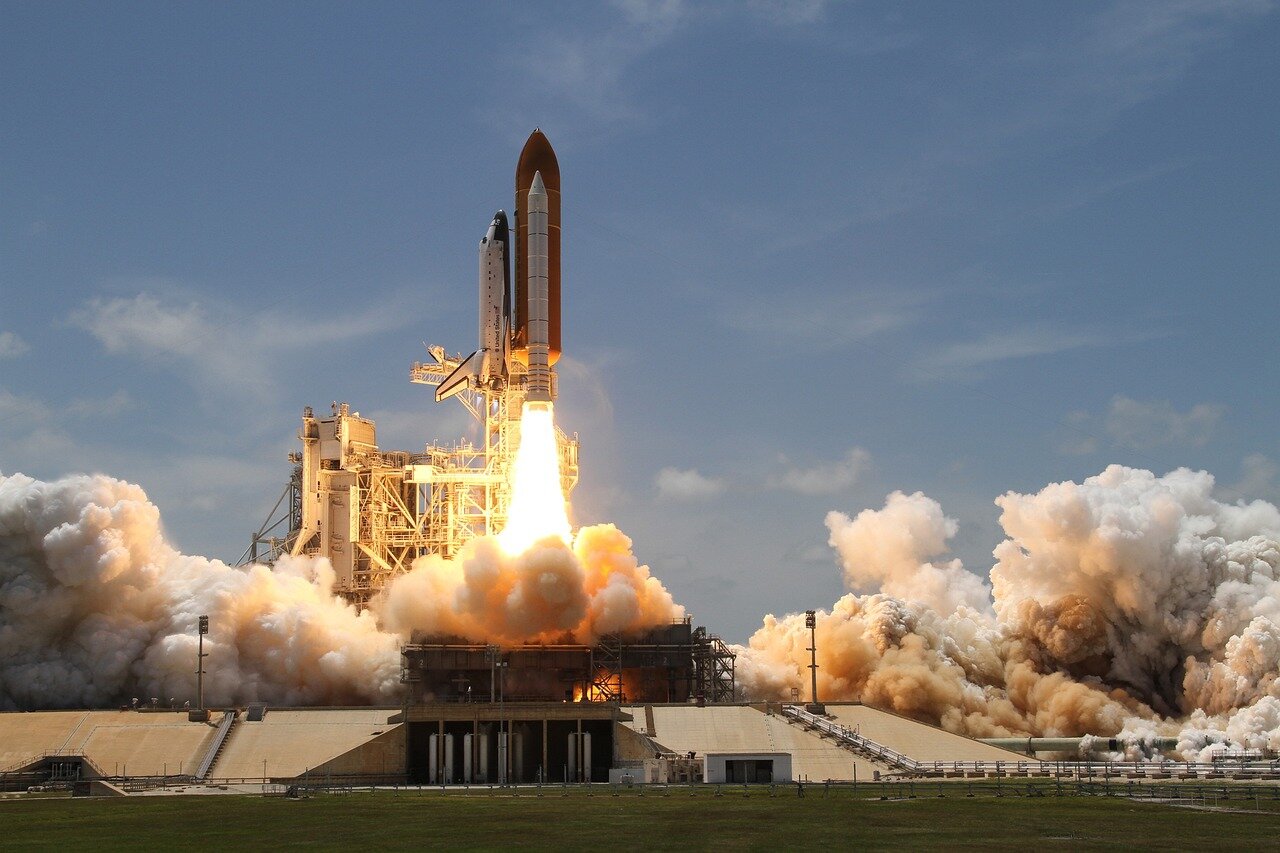
The explosion occurred during a routine test at the Kennedy Space Center in Florida, where engineers were evaluating the rocket’s performance. Eyewitness reports indicated a bright flash and a loud explosion, leading to immediate safety protocols being enacted. To learn more about NASA’s ongoing initiatives, you can check their Artemis III mission. Fortunately, there were no injuries reported, but the event has prompted scrutiny from both industry experts and the public.
This setback comes at a critical time for NASA, as the agency has already faced delays and budget overruns in its Artemis program. The planned timeline for future missions, including crewed lunar landings, may now be jeopardized. Stakeholders are calling for a thorough investigation to determine the cause of the explosion and to assess the implications for upcoming missions, especially concerning the technological advancements from the Artemis program.
The incident has also sparked discussions about the broader implications for space exploration, particularly as NASA aims to establish a sustainable human presence on the Moon. With international partners and commercial entities involved, the need for robust safety measures has never been more crucial. As NASA prepares to address these challenges, the future of its lunar ambitions hangs in the balance.
Understanding the background of Nasa’s Moon exploration plans
NASA’s ambitions for lunar exploration can be traced back to the historic Apollo missions of the 1960s and 1970s, which successfully landed humans on the Moon and returned them safely to Earth. These missions not only marked a significant achievement in space exploration but also served as a demonstration of technological prowess during the Cold War. The legacy of Apollo has fueled ongoing interest in lunar exploration, culminating in NASA’s Artemis program, which aims to return humans to the Moon and establish a sustainable presence by the end of the decade.

In recent years, the geopolitical landscape has shifted, with other nations, including China and Russia, ramping up their own space exploration efforts. This has intensified the competition for lunar resources and strategic positioning in space. The Artemis program is not just a scientific endeavor; it is also a response to these geopolitical dynamics, aiming to reaffirm the United States’ leadership in space exploration and technology.
Economically, the potential for lunar resources, such as water ice and rare minerals, has garnered significant interest from both governmental and private sectors. The concept of using the Moon as a launching point for deeper space exploration, including Mars missions, has prompted investments and partnerships aimed at developing the necessary technology and infrastructure. However, the recent explosion of a test rocket has raised questions about the viability and safety of these ambitious plans, casting a shadow over future missions related to lunar exploration.
Key Milestones in Lunar Exploration
Several key milestones have shaped the trajectory of lunar exploration. The Apollo 11 mission in 1969 marked the first manned Moon landing, while subsequent missions laid the groundwork for lunar science and exploration. In recent years, the successful launch of the Artemis I mission, which tested critical systems for future crewed flights, was a significant step forward. However, setbacks such as the recent rocket explosion highlight the challenges that remain as NASA and its partners strive to achieve their goals.
Key stakeholders and issues surrounding Nasa’s lunar program
The recent explosion of a rocket during a test flight has raised significant concerns regarding NASA’s plans for lunar exploration. Key stakeholders in this scenario include NASA, private aerospace companies, international space agencies, and government bodies. Each of these actors has distinct interests that influence their perspectives on the future of lunar missions.
Nasa, as the primary agency responsible for the United States’ space exploration efforts, aims to establish a sustainable human presence on the Moon by the end of the decade. This goal is not only about scientific advancement but also about demonstrating technological capabilities and maintaining leadership in space exploration. However, the explosion has cast doubt on the feasibility of meeting these timelines and raised questions about safety protocols.

Private aerospace companies, such as SpaceX and Blue Origin, are crucial partners in NASA’s lunar ambitions. Their interests lie in securing contracts for transportation and technology development, which can significantly impact their financial stability and market position. The recent incident may affect public and investor confidence in these companies, potentially leading to increased scrutiny and calls for greater accountability.
International space agencies, including those from Europe and Japan, are also stakeholders in this context. They have been collaborating with NASA on various lunar initiatives, and the explosion could influence their contributions and commitments. The potential for shared technology and resources is at stake, and any delays in NASA’s plans may disrupt collaborative projects.
- Safety concerns: The explosion highlights the need for stringent safety measures in space missions.
- Funding and budget implications: Delays may lead to increased costs and require reallocation of resources.
- Political ramifications: The incident could affect public support and governmental backing for NASA’s initiatives.
- Global competition: Other nations may seize the opportunity to advance their own lunar programs in light of NASA’s setbacks.
- Technological innovation: The need for improved technologies to ensure mission success is more pressing than ever.
Potential impacts on the space industry and future missions
The recent explosion of a rocket during a test launch has raised significant concerns regarding NASA’s plans for future lunar missions. Various stakeholders, including government agencies, private aerospace companies, and international partners, are now reassessing their strategies and investments in space exploration.
In the short term, the incident may lead to increased scrutiny of safety protocols within the aerospace sector. Companies involved in rocket manufacturing and launch services could face delays in their projects as they implement additional safety measures. This could disrupt timelines for upcoming missions and affect contracts with governmental and commercial clients.
Regions with a strong aerospace presence, such as Florida and Texas, may experience economic ripple effects. Local businesses that rely on the space industry, including suppliers and service providers, could see a downturn in revenue as projects are postponed. Conversely, this situation might create opportunities for companies specializing in safety technology and risk management, as demand for their expertise could rise.
- Increased regulatory scrutiny: Expect tighter regulations and oversight from government bodies.
- Investment shifts: Potential redirection of funds towards safety innovations and technologies.
- International collaboration: Opportunities for enhanced partnerships as countries reassess their space strategies.
In the mid-term, the implications of this event could influence policy decisions regarding funding for NASA and other space agencies. Lawmakers may push for more stringent safety requirements, which could alter the landscape of public-private partnerships in space exploration. While this presents challenges, it may also lead to a more robust framework for future missions, ultimately enhancing safety and reliability in the industry.
A: Preliminary investigations suggest a technical malfunction during the launch sequence may have led to the explosion. Further analysis is ongoing to determine the exact cause. A: The explosion could lead to delays in Nasa’s planned lunar missions as safety protocols are reassessed and improvements are made to the rocket design. A: Safety is a top priority, and Nasa will review all safety measures to ensure the well-being of astronauts in future missions following this incident. A: While the immediate focus is on the lunar program, other missions may also face reassessment of their safety protocols and timelines as a precaution. A: Nasa is conducting a thorough investigation and will implement necessary changes to engineering and safety protocols to mitigate risks in future launches.
Frequently asked questions about the rocket explosion and Nasa’s plans
Key takeaways and future outlook for Nasa’s Moon exploration
The recent incident involving the exploding rocket has raised significant concerns regarding the viability and timeline of NASA’s Moon exploration plans. As the agency reassesses its strategies, stakeholders are left to ponder the implications for future missions and the broader goals of lunar exploration. The incident serves as a reminder of the inherent risks associated with space travel and the need for rigorous safety protocols.
Moving forward, it will be crucial to monitor how NASA adapts its approach in response to this setback. The agency’s ability to innovate and implement lessons learned will determine the success of its lunar ambitions and its role in the international space landscape.
- Increased scrutiny on safety protocols may lead to more stringent testing phases for future missions.
- Potential delays in the Artemis program could impact international partnerships and collaborative lunar efforts.
- NASA’s response to this incident may influence public and governmental support for space exploration funding.
- The incident could accelerate advancements in technology aimed at improving rocket reliability.
- Future missions may incorporate more robust contingency plans to address potential failures in real-time.