
The Red Squirrel Survival Trust (RSST) has been at the forefront of this issue, collaborating with local wildlife agencies to monitor the health of affected populations. As of mid-October, over 50 cases have been documented in regions such as Cumbria and Northumberland, where red squirrel populations are already under pressure from habitat loss and competition with grey squirrels. For further details on conservation efforts, visit the official Red Squirrel Survival Trust website.
Experts emphasize the importance of these findings, as red squirrels are a key species in British ecosystems. The potential spread of disease could not only threaten their survival but also disrupt the ecological balance, affecting other wildlife and plant species that rely on healthy squirrel populations for seed dispersal. Understanding these dynamics is essential as it informs conservation strategies.
As investigations continue, researchers are urging the public to report any sightings of sick or lethargic red squirrels. The data collected will be crucial in understanding the scope of the issue and developing effective strategies for intervention and conservation efforts moving forward.
Understanding the background of red squirrel populations
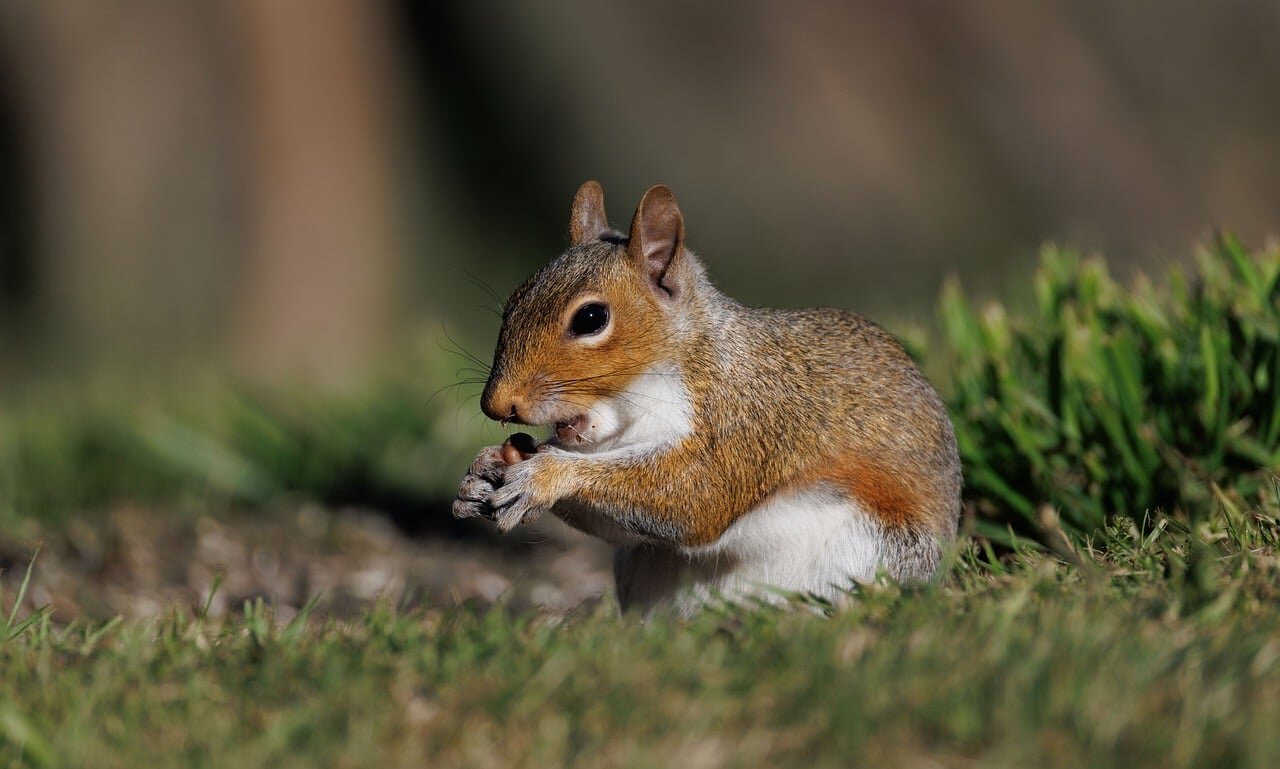
The red squirrel, a native species to the UK, has faced a significant decline in its populations over the past few decades. Historically, these charming creatures thrived in woodlands across the country. However, the introduction of the non-native grey squirrel in the 19th century marked a turning point for red squirrel populations. The grey squirrel not only outcompeted the red for food and habitat but also transmitted the squirrelpox virus, which has devastating effects on red squirrels.
In the late 20th century, conservation efforts began to take shape as the plight of the red squirrel became more widely recognized. Various organizations, including the Red Squirrel Survival Trust, were formed to advocate for the protection of the species and its habitat. These efforts included habitat restoration, public awareness campaigns, and the establishment of red squirrel reserves, particularly in areas of Scotland and Northern England where populations remained stable.
Recent Health Concerns
In recent months, reports of sickness among red squirrel populations have raised alarms among conservationists and researchers. Symptoms such as lethargy, loss of appetite, and unusual behavior have been observed, prompting investigations into potential causes. While some speculate that the ongoing stress from habitat loss and competition with grey squirrels may contribute to these health issues, the need for scientific research to identify specific pathogens or environmental factors is critical.
The economic implications of red squirrel decline are also significant, particularly in regions where ecotourism relies on wildlife observation and conservation. Communities that have invested in preserving red squirrel habitats now face uncertainty as they grapple with the potential impacts of a declining population on local economies. This situation underscores the interconnectedness of wildlife health and community well-being, highlighting the need for coordinated conservation efforts.
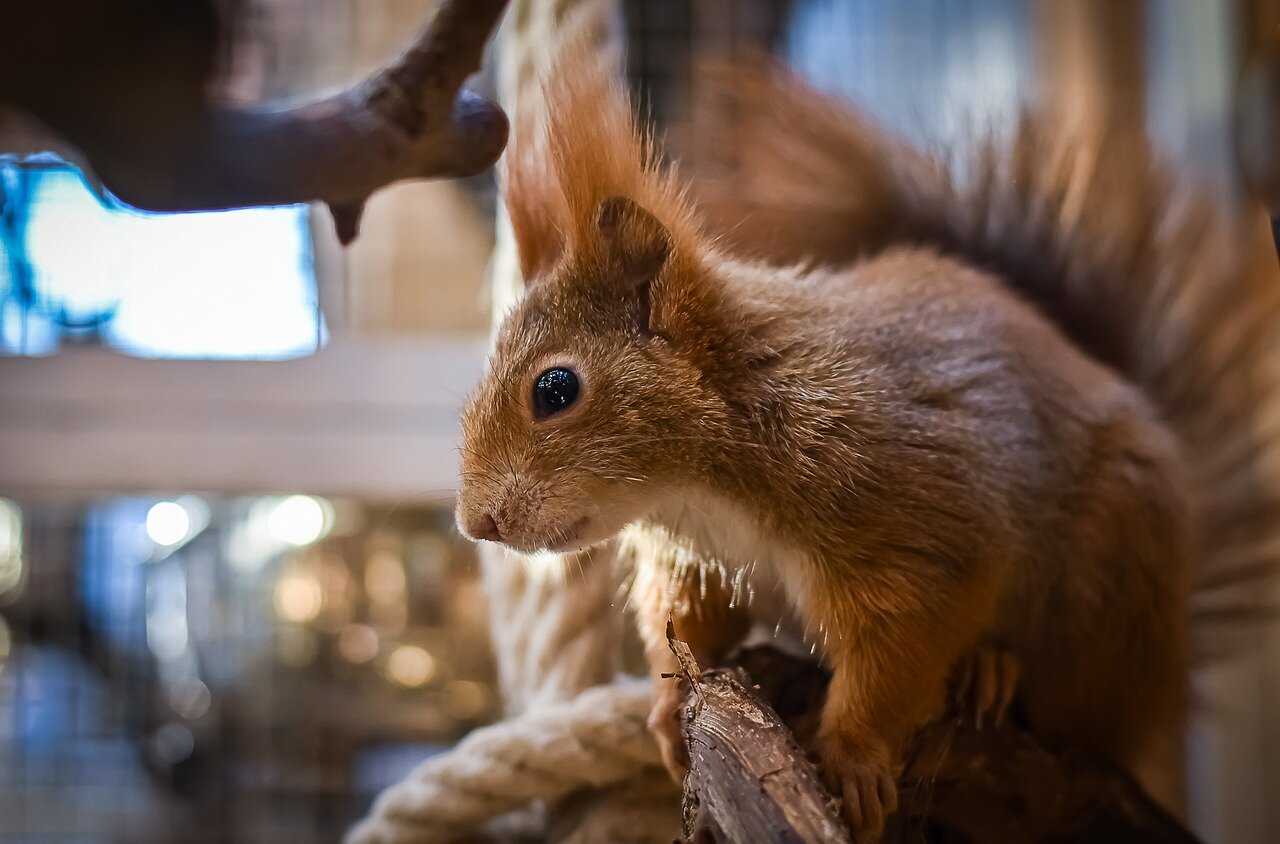
As investigations into the recent sickness reports continue, the historical context of red squirrel populations serves as a reminder of the ongoing challenges faced by this iconic species. Understanding the complex interactions between native and non-native species, along with the socio-economic factors at play, is essential for developing effective strategies to protect the red squirrel and ensure its survival for future generations.
Key stakeholders and issues surrounding the sickness reports
The recent reports of sickness among red squirrels have drawn attention from various stakeholders, each with unique interests and concerns. Key actors include wildlife conservation organizations, governmental wildlife agencies, local communities, and researchers. Understanding their roles is crucial for comprehending the broader implications of these health issues.
Wildlife conservation organizations, such as the Red Squirrel Survival Trust, are primarily concerned with the preservation of red squirrel populations. Their interest lies in identifying the cause of the sickness to prevent further decline in numbers, particularly as red squirrels are already threatened by habitat loss and competition from invasive species. These organizations often advocate for increased funding and research to address wildlife health issues, similar to the initiatives being discussed in the latest reports on wildlife conservation.
Governmental wildlife agencies, including the Forestry Commission and local environmental departments, are tasked with monitoring wildlife health and implementing conservation strategies. Their involvement is essential for coordinating responses to the health crisis, conducting investigations, and potentially enforcing regulations to protect affected habitats. However, they may face challenges in balancing conservation efforts with public interests, such as land use and economic activities.
Local communities, particularly those in rural areas where red squirrels are prevalent, have a vested interest in the health of these animals. Red squirrels are often seen as a part of the local ecosystem and heritage. However, there can be conflicts between conservation efforts and community needs, especially if measures to protect wildlife restrict land use or economic opportunities. Additionally, there may be concerns about the potential impact of the sickness on other wildlife and human health.
Researchers play a critical role in understanding the sickness affecting red squirrels. Their investigations can uncover the underlying causes, whether they be viral, bacterial, or environmental. However, research funding and resources can be limited, creating trade-offs in prioritizing studies that address immediate concerns versus long-term ecological studies. The findings from their work can also influence policy decisions and conservation strategies.
- Potential economic impacts on local communities reliant on tourism and wildlife observation.
- Legal implications regarding wildlife protection laws and habitat management.
- Conflicts between conservation efforts and land use rights of local residents.
- Need for collaboration among stakeholders to develop effective response strategies.
- Importance of public awareness and education on wildlife health issues.
Potential impacts on wildlife and conservation efforts
The recent reports of red squirrel sickness are raising alarms among various groups, particularly wildlife conservationists, local communities, and the forestry industry. Red squirrels are a key species in many ecosystems, and their decline could have ripple effects on biodiversity, affecting other species and the health of forest habitats.
Regions heavily populated by red squirrels, such as parts of the UK and Ireland, are likely to experience significant impacts. Local wildlife organizations may face increased pressure to monitor and manage the health of these populations. Additionally, tourism sectors that rely on wildlife viewing and nature-based activities may see a downturn as the appeal of red squirrel sightings diminishes.
In the short term, daily life in affected areas might change as community awareness of wildlife health issues increases. Residents may be urged to report sick animals or adjust their outdoor activities to minimize contact with potentially infected wildlife. This heightened vigilance could lead to more community engagement in conservation efforts.
In the mid-term, businesses that depend on the health of local ecosystems, such as those in agriculture and forestry, might need to adapt their practices to mitigate risks associated with the sickness. Policies may shift towards stricter wildlife management regulations, impacting land use and conservation funding.
- Risks: Decline in biodiversity and ecosystem health.
- Risks: Economic impact on tourism and local businesses.
- Opportunities: Increased funding for wildlife health research and conservation initiatives.
- Opportunities: Strengthened community involvement in wildlife monitoring efforts.
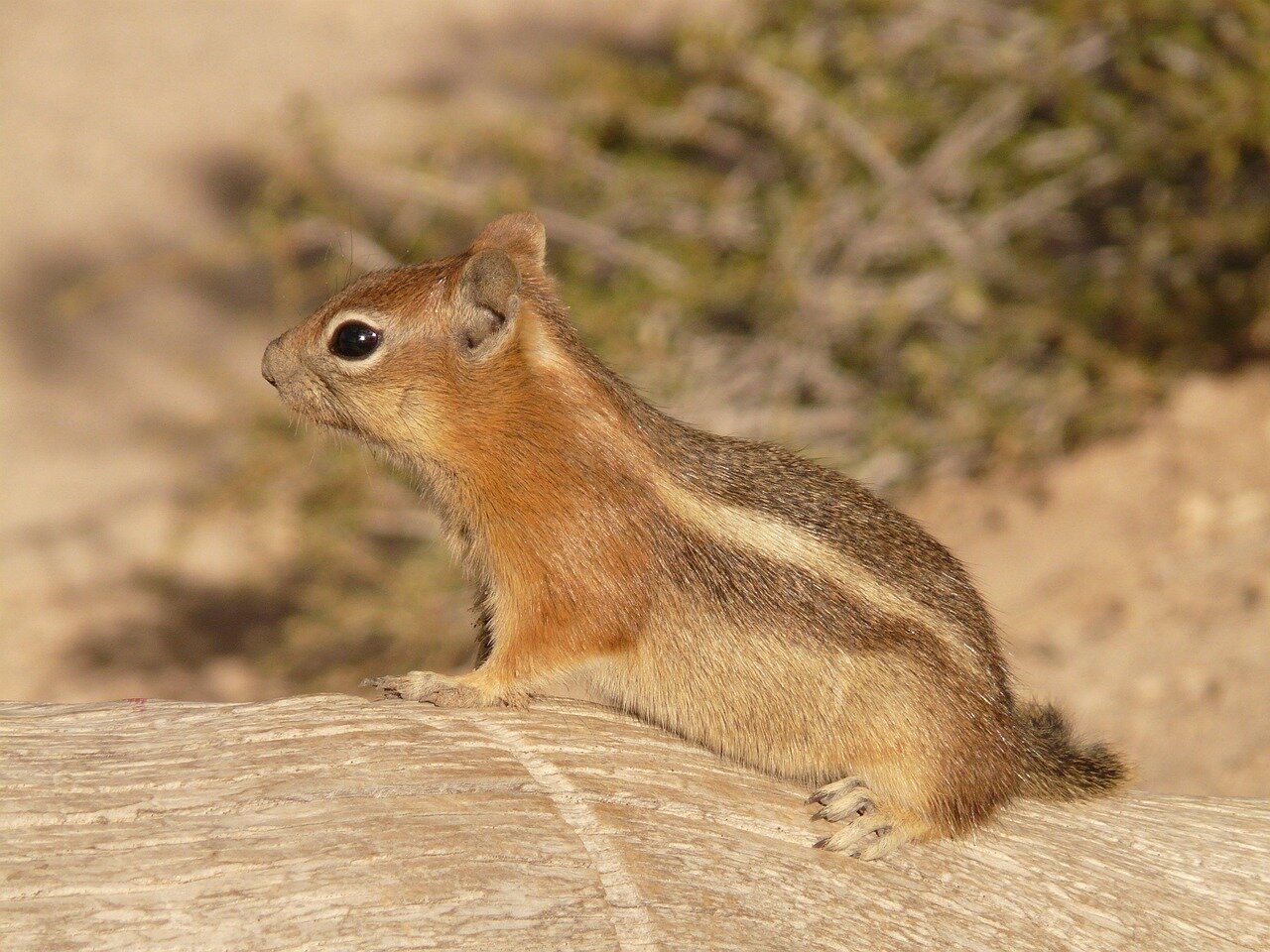
A: Symptoms include lethargy, loss of appetite, and unusual behavior. Wildlife experts are monitoring these signs closely to determine the cause. A: Researchers are conducting field studies, collecting samples, and analyzing data to identify potential pathogens affecting the squirrels. A: Possible causes include environmental factors, infectious diseases, or exposure to toxins. Further research is needed to pinpoint the exact cause. A: Currently, there is no evidence suggesting that other species are affected, but ongoing monitoring is essential to assess any potential spread. A: The public can report sightings of sick squirrels and avoid feeding them to prevent further stress on their health.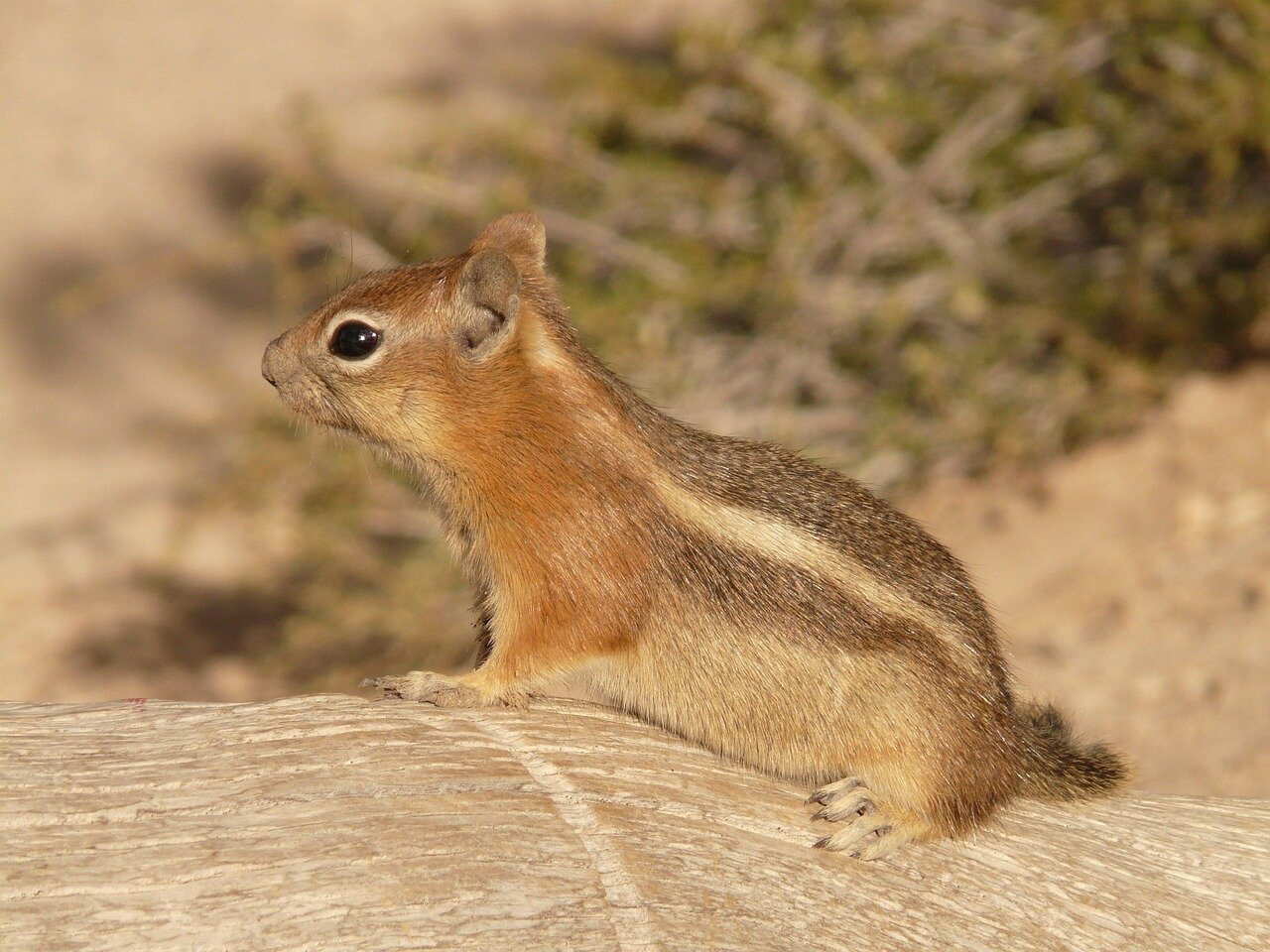
Frequently asked questions about red squirrel sickness
Key takeaways and future outlook on red squirrel health
The recent reports of sickness among red squirrel populations have raised significant concerns among conservationists and wildlife health experts. Understanding the cause and potential spread of these illnesses is crucial, not only for the protection of red squirrels but also for maintaining the broader ecosystem in which they play a vital role. Ongoing investigations will likely reveal important insights that could inform future conservation strategies and public health measures.
As monitoring efforts continue, stakeholders should remain vigilant and proactive in addressing the challenges posed by this situation. The implications for biodiversity, ecosystem health, and community engagement are profound and warrant close attention as the situation evolves.
- Watch for updates from wildlife health organizations regarding the findings of the investigations.
- Consider the role of habitat protection and restoration in supporting healthy squirrel populations.
- Engage with local communities to raise awareness about red squirrel health and conservation efforts.
- Monitor for potential impacts on other species within the ecosystem due to red squirrel health issues.
- Stay informed about best practices for wildlife rehabilitation if affected squirrels are discovered.