
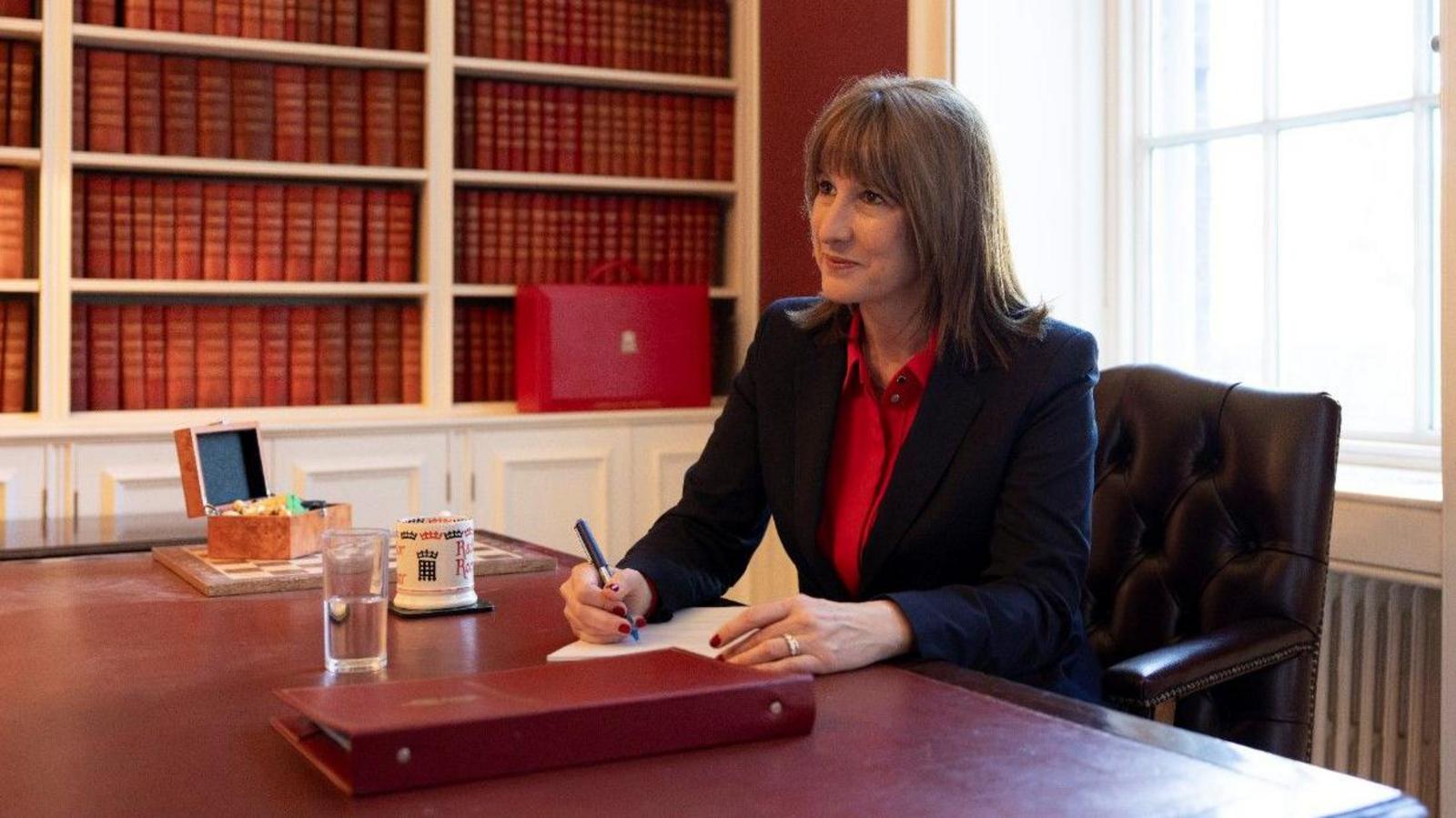
The anticipation surrounding the upcoming Budget is palpable, especially for Labour’s shadow chancellor, Rachel Reeves. With the UK’s economy facing numerous challenges, Reeves is banking on the Budget to provide a pivotal moment that will allow the party to establish a more robust fiscal strategy. For insights into other government strategies, you might find our article on the UK’s critical minerals strategy interesting.

The context and importance of the Budget for the Labour party
Amid the backdrop of rising inflation and the cost-of-living crisis, the forthcoming Budget could very well shape not only Labour’s short-term strategies but also the government’s long-term economic outlook. Reeves sees this as an opportunity to highlight Labour’s commitment to addressing these pressing issues and presenting a plan that resonates with voters, similar to how historical budgets have influenced party strategies.

Comparative analysis of past Budgets and their impact
Historically, Budgets have had significant implications for political parties. For instance, the 2010 Budget marked a turning point for the Conservatives as it laid the groundwork for austerity measures that dominated subsequent political discourse. Reeves understands that the next Budget could either solidify Labour’s position or further entrench the current government’s policies, which underscores the need for a well-rounded discussion about fiscal strategies.

Previous Labour Budgets and their outcomes
- The last Labour government’s final Budget aimed to alleviate the effects of the 2008 financial crisis, demonstrating a reactive approach.
- Budgets that included significant public investments typically yielded increased public approval and economic growth.
Key strategies Rachel Reeves might employ
To ensure that this Budget buys her some time, Reeves is likely to focus on a mix of proposals aimed at both immediate economic relief and long-term sustainability. By framing Labour’s approach as one rooted in investment and progressive taxation, she hopes to appeal to a broad base of support.

Proposed areas of focus
- Increased funding for public services, especially healthcare and education.
- Investment in green technologies to enhance job creation and economic resilience.
- Tax reforms that address wealth inequality, which could garner support from younger voters.
Considerations and potential pitfalls to avoid
While Reeves has a clear vision, there are several potential pitfalls that could derail her plans. Public perception of Labour’s fiscal prudence remains a crucial factor, as does the overall economic climate.

Challenges to navigate
- Maintaining a balance between public spending and reducing the national debt.
- Avoiding divisive measures that could alienate moderate voters.
- Addressing potential opposition from within the party regarding spending allocations.
FAQ section

Frequently asked questions about Rachel Reeves’ Budget strategy
A: Rachel Reeves aims to present a fiscal strategy that combines immediate economic relief with sustainable investments in public services and green technologies.
A: Previous Budgets set the narrative and economic conditions under which current politicians operate, influencing voter expectations and party policies.
A: Labour is focusing on health and education funding, green technology investments, and reforms to wealth taxation in this Budget.
Future perspectives on Labour’s economic strategies
As Rachel Reeves approaches this critical Budget, the road ahead will undoubtedly be challenging. However, the strategic decisions made within this framework could define not just Labour’s image but also shape the UK’s economic recovery path. The ability to communicate a clear and effective plan will be paramount in ensuring that the party resonates with the electorate now and in the future.