
Scott and Fraser deliver powerful performances that highlight the emotional and psychological pressures faced by individuals in times of crisis, which can be further explored in related discussions on mental health.
The film has sparked conversations about the broader implications of climate and weather on human conflicts, underscoring the relevance of these themes in today’s world, similar to issues highlighted in current global events.
Critics have noted the film’s ability to intertwine personal stories with larger societal issues, creating a compelling narrative that is both engaging and thought-provoking. The performances of Scott and Fraser have been particularly praised for their depth and authenticity, drawing viewers into the emotional landscape of the story.

Understanding the historical backdrop of weather’s role in warfare
The interplay between weather and warfare has been a pivotal aspect of military strategy throughout history, reflecting themes that echo in the gripping narrative of ‘Pressure’, which explores how the elements can shape human conflict.
One of the earliest recorded instances of weather influencing military operations occurred during the Battle of Agincourt in 1415, where heavy rain turned the battlefield into a quagmire, severely hampering the French cavalry’s effectiveness. This event underscored the potential of weather to dramatically alter the course of battles and has been studied by historians as a turning point in the Hundred Years’ War.
Fast forward to the 20th century, the role of weather became even more pronounced during World War II. The harsh winter conditions during the Soviet Union’s defense against the German invasion in 1941-42 exemplified how extreme weather could stall military advances. The freezing temperatures not only affected troop morale but also rendered machinery ineffective, showcasing the harsh realities of war intertwined with nature.
The Economic Impact of Weather on Warfare
The economic implications of weather on warfare are significant, as supply chains and resource availability can be severely affected by climatic conditions. For instance, the monsoon season in Southeast Asia has historically disrupted military operations and logistics, forcing armies to adapt their strategies. The film ‘Pressure’ delves into these economic dimensions, illustrating how the unpredictability of weather can lead to resource scarcity and heightened tensions among nations.

In contemporary times, the increasing unpredictability of weather patterns due to climate change poses new challenges for military planners. The potential for extreme weather events to disrupt operations and affect troop deployment is a growing concern, making the themes explored in ‘Pressure’ not only relevant but also urgent in today’s geopolitical landscape.
Examining the character dynamics and their significance in the story
In ‘Pressure’, the dynamic between the characters portrayed by Andrew Scott and Brendan Fraser serves as a microcosm for broader themes of conflict and survival. Their performances are not only compelling but also reflect the underlying tensions that arise from external pressures, particularly those posed by nature. This relationship is pivotal in illustrating how individual motivations can clash against the backdrop of larger, uncontrollable forces.
The primary actors in this narrative are the two lead characters, whose differing approaches to crisis management highlight the psychological and emotional toll of extreme situations. Andrew Scott’s character embodies a pragmatic and analytical mindset, while Brendan Fraser’s role represents a more instinctual and emotional response. Their interactions reveal a complex interplay of trust, doubt, and competition, which escalates as they face the relentless challenges of their environment.
- Conflict of Interests: The characters’ differing philosophies on survival create a tension that drives the narrative forward, showcasing how personal beliefs can influence decision-making in high-stakes scenarios.
- Trade-offs in Leadership: The film explores the trade-offs inherent in leadership, particularly when faced with dire circumstances, forcing characters to weigh personal survival against the well-being of others.
- Legal and Ethical Dilemmas: As the characters navigate their challenges, they confront ethical dilemmas that question the morality of their choices, reflecting the complexity of human behavior under pressure.
- Economic Implications: The backdrop of war and environmental challenges raises questions about resource allocation and the economic impact of decisions made in the heat of the moment.
Moreover, the story serves as a commentary on the broader implications of climate and weather-related challenges, mirroring real-world issues faced by governments and organizations today. The film prompts viewers to consider how individual actions can have far-reaching consequences, both personally and globally, emphasizing the interconnectedness of human experiences in the face of adversity.

Assessing the audience’s reception and the play’s cultural implications
The gripping narrative of ‘Pressure’ not only captivates theatergoers but also resonates with various groups and industries. The play, which centers on the pivotal role of weather in wartime decisions, touches upon the military, meteorological sectors, and even the broader public interested in historical narratives. As audiences engage with the themes presented, the implications extend far beyond the stage.
In the short term, local businesses, particularly in the hospitality and tourism sectors, may experience a boost in activity as theater attendance rises. Restaurants, hotels, and shops near performance venues could see increased patronage from audiences seeking a complete night out. Additionally, educational institutions might incorporate discussions of the play into their curricula, fostering a deeper understanding of historical events and their contemporary relevance.
Mid-term impacts could include heightened awareness of climate-related issues within military and governmental policy discussions. The play’s exploration of weather’s influence on military strategy may prompt policymakers to consider the implications of climate change on national security. This could lead to increased funding for research in meteorological sciences and improved forecasting technologies.
- Risks: A potential backlash from audiences who may feel the play oversimplifies complex historical events or misrepresents military decisions.
- Opportunities: The chance for collaborations between theaters and educational organizations to promote discussions on climate, history, and their intersection.
- Risks: Businesses reliant on tourism may face uncertainty if audience numbers fluctuate due to external factors, such as economic downturns.
- Opportunities: Increased interest in historical dramas could lead to a resurgence in similar productions, creating a niche market for theater companies.
As the conversation around ‘Pressure’ continues, its cultural implications may inspire a broader dialogue on the intersections of art, history, and contemporary issues, ultimately shaping public perception and policy for years to come.

A: The main theme of ‘Pressure’ revolves around the psychological and physical challenges faced during wartime, particularly how weather conditions can influence outcomes. A: The lead actors in ‘Pressure’ are Andrew Scott and Brendan Fraser, both of whom deliver powerful performances that highlight the tension and stakes of the narrative. A: The weather is a crucial element in ‘Pressure’, serving as both a literal and metaphorical force that shapes the characters’ decisions and the course of the war. A: ‘Pressure’ is set during World War II, specifically focusing on the events surrounding the Battle of Normandy, where weather conditions significantly impacted military strategies. A: The play has received positive reviews for its compelling storytelling and strong performances, resonating well with audiences and critics alike.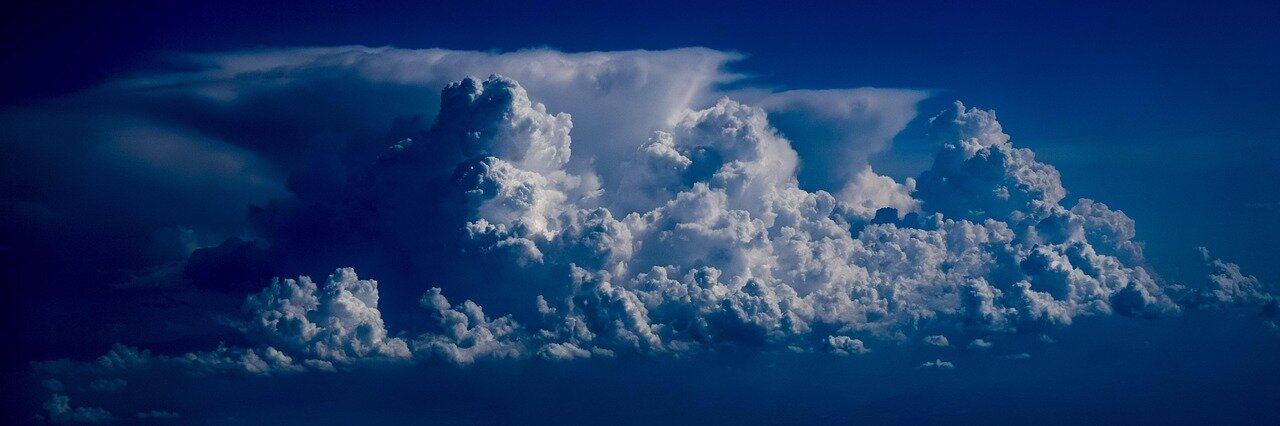
Frequently asked questions about the play and its themes
Key takeaways and future implications of the narrative
‘Pressure’ serves as a poignant reminder of the intricate relationship between human endeavors and the forces of nature. The performances by Andrew Scott and Brendan Fraser not only highlight individual struggles but also reflect broader themes of resilience and adaptation in the face of uncontrollable circumstances. As audiences engage with this compelling narrative, it prompts a deeper reflection on how environmental factors can shape historical events and personal destinies alike.
Looking ahead, the themes presented in the film resonate with contemporary discussions about climate change and its impact on society. The portrayal of weather as a formidable adversary in warfare underscores the need for preparedness and strategic thinking in addressing future challenges, both on and off the battlefield.
- The film encourages viewers to consider the long-term implications of environmental factors in historical and current conflicts.
- It emphasizes the importance of resilience and adaptability in personal and collective narratives.
- The relationship between climate and human behavior is increasingly relevant in today’s discussions about sustainability and global security.
- Audiences may find parallels between the film’s themes and modern-day challenges posed by climate change and natural disasters.