
Major players in the industry, including Spotify, Apple Podcasts, and traditional broadcasters like ESPN, are investing heavily in podcast production. Spotify has recently signed exclusive deals with popular sports figures and analysts, aiming to attract listeners with insider perspectives and expert commentary. Meanwhile, ESPN is leveraging its established brand to enhance its podcast offerings, focusing on real-time analysis and fan engagement during the World Cup.
The rise of podcasting as a medium for sports commentary is not just a trend; it reflects changing consumption habits among audiences. According to a recent survey, over 50% of sports fans prefer listening to podcasts for in-depth discussions rather than traditional television broadcasts. This shift presents both opportunities and challenges for broadcasters as they navigate the complexities of content creation and audience retention in a crowded marketplace.
As the World Cup nears, the battle for listener attention is expected to heat up. With various networks launching promotional campaigns and exclusive series, the stakes are high for broadcasters to establish their dominance in the podcasting arena. The outcome of these efforts could reshape the landscape of sports media, influencing how fans engage with their favorite teams and events long after the final whistle blows.

Understanding the rise of podcasts in the sports industry
The evolution of podcasts has transformed the media landscape, particularly in the realm of sports. Initially gaining traction in the early 2000s, podcasts have become a mainstream form of entertainment and information, providing fans with on-demand content that fits their schedules. This shift has been driven by advancements in technology, the proliferation of smartphones, and a growing appetite for niche content, allowing sports enthusiasts to engage with their favorite teams and athletes in new ways. This transformation mirrors trends seen in other media sectors.
As the popularity of podcasts surged, sports organizations and broadcasters recognized the potential to reach wider audiences. Major leagues, including the NFL, NBA, and FIFA, began launching their own podcasts, often featuring exclusive interviews, behind-the-scenes insights, and expert analysis. This strategic move not only enhanced fan engagement but also created new revenue streams through sponsorships and advertising, making podcasts an essential component of the sports media ecosystem.
The impact of the World Cup
The FIFA World Cup, one of the most-watched sporting events globally, serves as a critical battleground for podcasting. The tournament’s immense viewership and international appeal provide a unique opportunity for broadcasters to leverage podcasting as a means of enhancing viewer experience. In past World Cups, podcasts have played a pivotal role in delivering real-time commentary, fan reactions, and expert opinions, generating buzz and anticipation around matches.
Furthermore, the competition among media outlets to secure broadcasting rights has intensified, prompting them to explore innovative ways to engage audiences. As traditional broadcasting faces challenges from digital platforms, the integration of podcasts into sports coverage has emerged as a viable strategy to capture the attention of younger demographics, who increasingly prefer audio content over traditional television.

As the World Cup approaches, the stakes are higher than ever. With numerous networks and content creators vying for listener loyalty, the so-called “podcast wars” are set to escalate, shaping not only how fans consume sports content but also influencing the broader media landscape for years to come. The dynamics of this competition are further complicated by financial factors impacting organizations affected by trends like the currency crash.
Key players and issues in the podcasting landscape
The rise of podcasting as a dominant medium has attracted various stakeholders, each with their own interests and agendas. Major players include traditional media companies, independent podcasters, streaming platforms, advertisers, and regulatory bodies. Understanding their motivations is crucial to grasping the dynamics of the podcasting landscape, especially during high-stakes events like the World Cup.
Media companies, such as ESPN and BBC, are increasingly investing in podcast content to capture audience attention and drive advertising revenue. Their interest lies in leveraging popular sports events to create exclusive content that can enhance their brand presence and engage listeners. In contrast, independent podcasters often seek to carve out niche markets, focusing on unique storytelling and perspectives that resonate with specific audiences.
Streaming platforms, notably Spotify and Apple Podcasts, have entered the fray by acquiring exclusive rights to high-profile shows and investing in original content. This competition for exclusive content can lead to a fragmented market where listeners may find themselves caught in a web of subscriptions and paywalls. Additionally, the economic implications of this competition can affect advertising rates and revenue sharing models.

Key legal issues also arise in the podcasting realm, particularly concerning copyright and intellectual property. As content creation accelerates, disputes over ownership rights and licensing agreements become more prevalent. Furthermore, regulatory bodies are beginning to scrutinize advertising practices within podcasts, which could lead to new guidelines impacting how sponsors engage with podcasters.
- Competition among streaming platforms for exclusive content rights.
- Potential legal disputes over copyright and intellectual property.
- Advertising revenue models and their impact on content creation.
- The role of independent podcasters in a market dominated by major players.
- Regulatory scrutiny of advertising practices in the podcasting space.
How podcast wars will affect fans and advertisers
The ongoing competition among major podcast platforms is set to reshape the landscape for fans and advertisers alike during the World Cup. As brands and content creators vie for listener attention, various groups will experience significant changes in how they engage with sports content. This shift will impact not only fans but also advertisers, content creators, and traditional broadcasters.
In the short term, fans will benefit from an influx of diverse podcast content tailored to their interests, including match analysis, player interviews, and behind-the-scenes stories. This surge in content could enhance the overall viewing experience, making it more interactive and engaging. However, the sheer volume of available podcasts may also lead to confusion among listeners, who may struggle to find quality content amidst the noise.
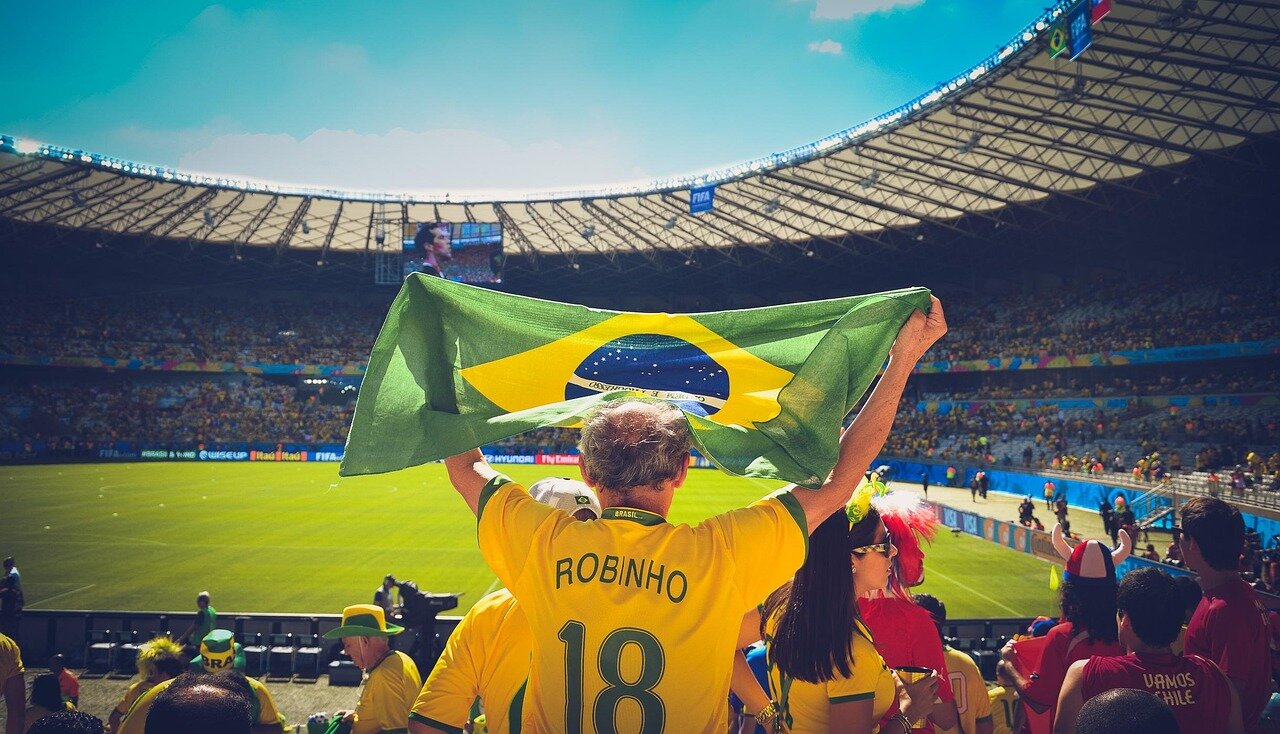
For advertisers, the World Cup presents a unique opportunity to reach a captivated audience. With a growing number of podcasts dedicated to the tournament, brands can leverage targeted advertising strategies to connect with fans in real-time. However, there is a risk that oversaturation of ads could alienate listeners, prompting them to seek ad-free alternatives or switch to different platforms.
- Fans: Increased access to diverse content but potential for confusion.
- Advertisers: Unique opportunities for targeted marketing but risks of ad fatigue.
- Content Creators: More avenues for monetization but increased competition.
- Traditional Broadcasters: Pressure to innovate and adapt to new consumption habits.
In the mid-term, the podcast wars could lead to lasting changes in how sports content is consumed. As listeners become accustomed to high-quality, on-demand audio experiences, traditional broadcasters may need to rethink their strategies to retain audience engagement. This could result in new partnerships between broadcasters and podcast creators, fostering innovative content delivery methods.
Overall, while the podcast wars during the World Cup present risks such as listener fatigue and content saturation, they also offer significant opportunities for enhanced fan engagement and targeted advertising strategies. How these dynamics unfold will shape the future of sports broadcasting and content consumption for years to come.
A: Podcast wars refer to the competitive landscape among various podcast creators and networks vying for audience attention and advertising dollars, especially during major events like the World Cup. A: Podcasts provide in-depth analysis, commentary, and fan engagement that traditional broadcasts may not offer, making them a valuable medium during the World Cup. A: Major players include established sports networks, independent creators, and platforms like Spotify and Apple Podcasts that host a variety of content related to the World Cup. A: As competition increases, advertisers may seek to leverage popular podcasts for targeted marketing, potentially leading to innovative advertising strategies during the event. A: Yes, fan engagement and preferences can significantly shape the content and direction of podcasts, as creators often tailor their offerings to meet audience demands.

Frequently asked questions about podcast wars
Key takeaways and future outlook on podcasting in sports
The ongoing evolution of podcasting within the sports broadcasting landscape is set to intensify during this World Cup. As traditional media outlets and new players vie for audience attention, the strategies employed will shape the future of sports content consumption. With listeners increasingly seeking unique perspectives and in-depth analysis, the competition will likely spur innovation in podcast formats and distribution methods.
As the battle for listener engagement heats up, key trends will emerge that could redefine how fans interact with their favorite sports. Monitoring these developments will provide valuable insights into the future of both podcasting and sports broadcasting as a whole.
- Expect an increase in collaboration between traditional broadcasters and popular podcasters to enhance content reach.
- Look for niche podcasts to gain traction, catering to specific fan bases and offering tailored content.
- Watch for advancements in technology that improve the listening experience, such as interactive features and personalized recommendations.
- Consider the role of social media in amplifying podcast content, as platforms increasingly integrate audio features.
- Be aware of the potential for live podcasting events, which could create new revenue streams and fan engagement opportunities.