
The excavation, conducted in late 2023, has sparked interest among historians and archaeologists alike, as it offers a tangible connection to the Golden Age of Piracy. The artifacts, dated to the early 1700s, suggest that the site may have been a hideout or a battleground for pirates, further illuminating their strategies and lifestyles.
This discovery is particularly significant as it coincides with ongoing efforts to preserve and promote the cultural heritage of the Bahamas. Local authorities and historians are now working to ensure that these findings are properly documented and protected, emphasizing the importance of understanding the region’s historical context in relation to piracy.

Moreover, the revelations may attract increased tourism to the Bahamas, as visitors express a growing interest in the stories of real-life pirates. Educational programs and tours are likely to be developed around these findings, providing both economic benefits and a deeper appreciation for the area’s unique history.
Understanding the historical significance of piracy in the Caribbean
The Caribbean has long been a hotspot for piracy, dating back to the late 15th century when European powers began to colonize the region. The wealth generated from the Americas, particularly through the sugar and tobacco trades, made the Caribbean an attractive target for pirates and privateers alike. These seafaring criminals took advantage of the often-lax naval presence in the region, leading to a golden age of piracy that spanned from the late 17th century to the early 18th century.
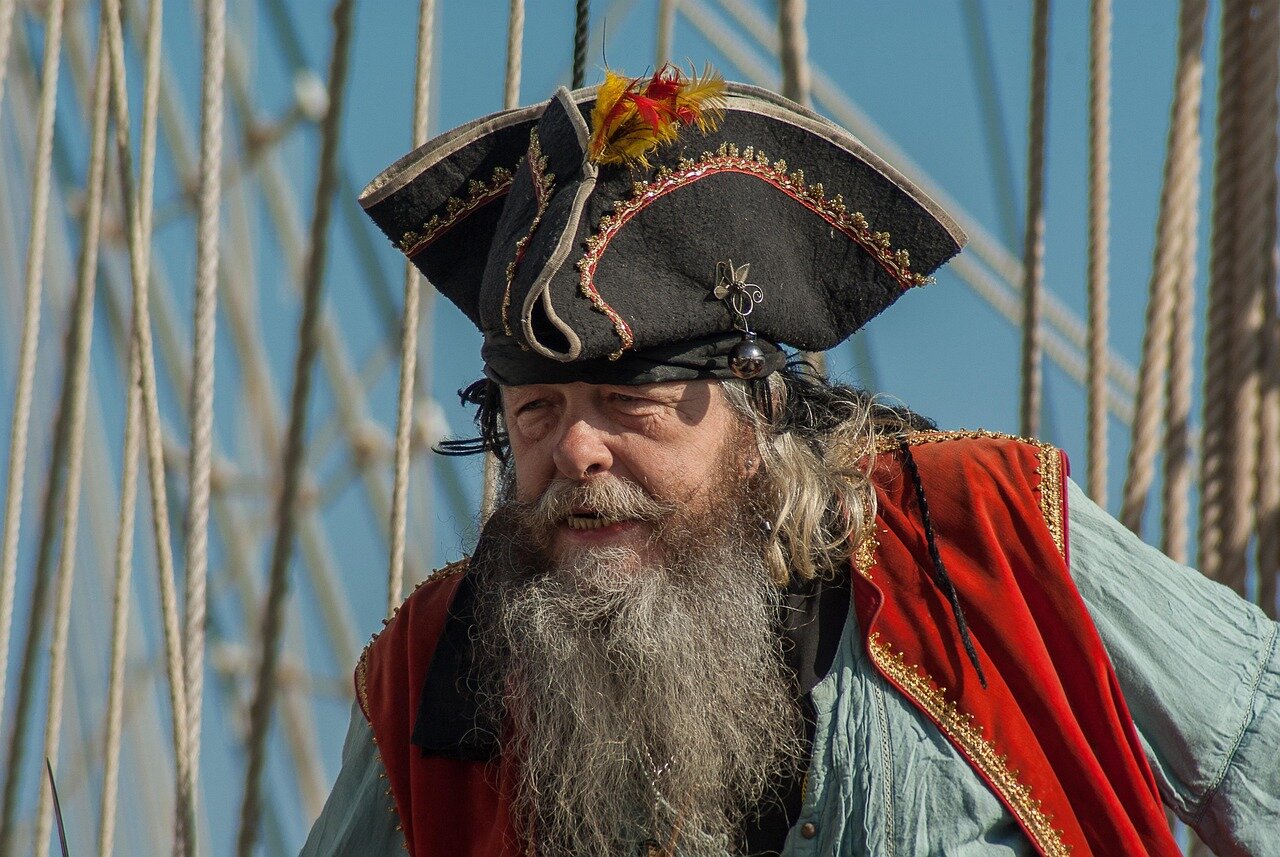
During this period, notorious figures such as Blackbeard and Bartholomew Roberts became emblematic of the pirate lifestyle, which was characterized by rebellion against colonial powers and a quest for freedom on the high seas. The political landscape of the Caribbean was marked by conflict among European nations, including Spain, England, and France, which created a chaotic environment where piracy could thrive. The Treaty of Utrecht in 1713, which ended the War of Spanish Succession, further fueled piracy as it allowed privateers to turn to outright piracy when their letters of marque were revoked.
The socio-economic impact of piracy
The rise of piracy had significant socio-economic implications for the Caribbean. Coastal towns such as Port Royal in Jamaica became bustling hubs of trade and commerce, despite their reputation as pirate havens. The influx of wealth from plundered ships led to a unique blend of cultures and lifestyles, where piracy was often romanticized and even celebrated in local lore. However, the rampant lawlessness also prompted colonial authorities to crack down on piracy, leading to violent confrontations and the eventual decline of the pirate era by the mid-18th century.
Recent archaeological discoveries in the Bahamas, including musket balls and remnants of burnt hulls, provide tangible evidence of this rich history. These findings not only shed light on the daily lives of pirates but also highlight the enduring legacy of piracy in shaping the Caribbean’s cultural and historical identity. As researchers continue to uncover artifacts from this tumultuous period, they offer a glimpse into the complex interplay of power, economy, and culture that defined the age of piracy.
Key stakeholders and implications of the pirate discoveries
The recent discovery of musket balls and a burnt hull in the Bahamas has opened a dialogue among various stakeholders, each with distinct interests and concerns. These include local governments, historical preservation organizations, tourism operators, and the descendants of Caribbean communities. Understanding their motivations is crucial for navigating the implications of these significant archaeological finds.
Local governments in the Bahamas are primarily interested in the potential economic benefits that could arise from increased tourism. The allure of real pirate history can attract visitors, contributing to the local economy. However, there are also concerns about how to manage these sites responsibly, ensuring that they are preserved while also generating revenue.
Historical preservation organizations are focused on the significance of the artifacts and the need to protect them from looting or degradation. Their interests lie in advocating for conservation measures and ensuring that the findings are studied appropriately. This can lead to conflicts with tourism interests, as the push for visitor access may compromise the integrity of the archaeological site.
- Local governments may prioritize economic growth over historical preservation.
- Tourism operators might advocate for more access to sites, potentially at the cost of preservation.
- Historical organizations could push for stricter regulations to protect the artifacts.
- Descendants of Caribbean communities may seek recognition and involvement in the narrative surrounding piracy.
- International maritime laws could influence how these discoveries are managed and protected.
The legal landscape surrounding archaeological finds is complex, particularly in international waters. There are treaties and agreements that govern the ownership and protection of artifacts, which can lead to disputes over who has the right to claim these historical treasures. Additionally, the economic implications of these discoveries can spark debates about the best use of the resources derived from tourism versus the need for historical education and preservation.

Impact on tourism and historical research in the Bahamas
The discovery of musket balls and a burnt hull in the Bahamas is set to significantly affect various groups, particularly those involved in tourism and historical research. The findings offer a tangible connection to the region’s pirate history, which has long captivated the imagination of visitors and scholars alike.
Tourism operators and local businesses could see an immediate boost as interest in pirate-themed attractions and historical tours increases. This newfound evidence may encourage more visitors to explore the islands, leading to a surge in bookings for guided tours, museums, and related activities. Additionally, local artisans and craftsmen may find opportunities to create and sell pirate-themed merchandise, further stimulating the economy.
On the other hand, the potential for increased tourism could also strain local resources and infrastructure. The influx of tourists may necessitate improvements in transportation, accommodation, and public services, which could pose challenges for local governments. Moreover, there is a risk that the commercialization of the pirate narrative could overshadow other cultural aspects of the Bahamas.
In the realm of historical research, this discovery opens up new avenues for scholars and archaeologists. It may lead to further excavations and studies, enriching our understanding of the Caribbean’s colonial past. Academic institutions may seek funding for research projects, which could enhance educational programs and community engagement. However, there is also the risk of misinterpretation or sensationalism surrounding the findings, which could skew public perception of historical events.
- Increased tourism and economic opportunities for local businesses.
- Potential strain on local infrastructure and resources.
- New research opportunities for historians and archaeologists.
- Risks of commercialization overshadowing cultural heritage.
- Possibility of misinterpretation affecting public understanding.
A: Archaeologists discovered musket balls and the remains of a burnt hull, which are believed to be linked to historical pirate activity. A: This finding provides tangible evidence of piracy in the Caribbean, enhancing our understanding of maritime history and culture. A: The discovery is expected to boost interest in pirate-themed tourism, attracting visitors to explore the rich history of the region. A: Yes, researchers plan to conduct more excavations to uncover additional artifacts and gain deeper insights into pirate life. A: The project is funded by a combination of government grants and private donations aimed at preserving Caribbean heritage.
Frequently Asked Questions about the pirate discoveries
Insights on the future of pirate archaeology in the Caribbean
The recent discovery of musket balls and a burnt hull in the Bahamas provides a tangible connection to the notorious era of piracy in the Caribbean. This finding not only enriches our understanding of historical maritime conflicts but also opens new avenues for archaeological research in the region. As interest in pirate history continues to grow, the implications of these discoveries extend beyond mere artifacts, influencing tourism, education, and preservation efforts.
As researchers delve deeper into the remnants of pirate life, we can anticipate a surge in collaborative projects that bridge academia and public engagement. The intersection of history and modern technology will likely enhance our ability to uncover and analyze these underwater treasures, fostering a greater appreciation for the complexities of Caribbean maritime heritage.
- Expect increased funding and support for archaeological initiatives focused on piracy in the Caribbean.
- Anticipate a rise in educational programs and tourism experiences centered around pirate history.
- Watch for advancements in underwater exploration technology that will aid in uncovering more historical sites.
- Be aware of the potential for new historical narratives that challenge existing perceptions of piracy.
- Consider the implications for conservation efforts as more sites are discovered and explored.