
As of October 2023, the restoration team has sourced high-quality marble from the same quarry used in the original construction of the Parthenon in the 5th century BC. This careful selection ensures that the new materials closely match the existing structure, both in appearance and durability, allowing for a more cohesive restoration. For more insights on restoration techniques, you can check out how artists like Maren Hassinger influence cultural preservation.
The project is being overseen by the Acropolis Restoration Service, which has been actively working on the site since the 1970s. Their ongoing efforts have included cleaning, repairing, and replacing damaged sections of the Parthenon, with the latest marble fillings representing a significant milestone in these long-term preservation endeavors.
This restoration is particularly important as it not only enhances the visual appeal of the Parthenon but also contributes to cultural heritage preservation. By maintaining this ancient site, Greece aims to safeguard its historical significance for future generations while promoting tourism and education about its rich history.
Understanding the historical significance of the Parthenon
The Parthenon, an enduring symbol of Ancient Greece, stands as a testament to the architectural and cultural achievements of the Athenian civilization. Constructed between 447 and 432 BC during the height of the Athenian Empire, it was dedicated to the goddess Athena, whom the city-state considered its patron. The temple’s intricate sculptures and grand design reflect the values of democracy, beauty, and civic pride that characterized the period.
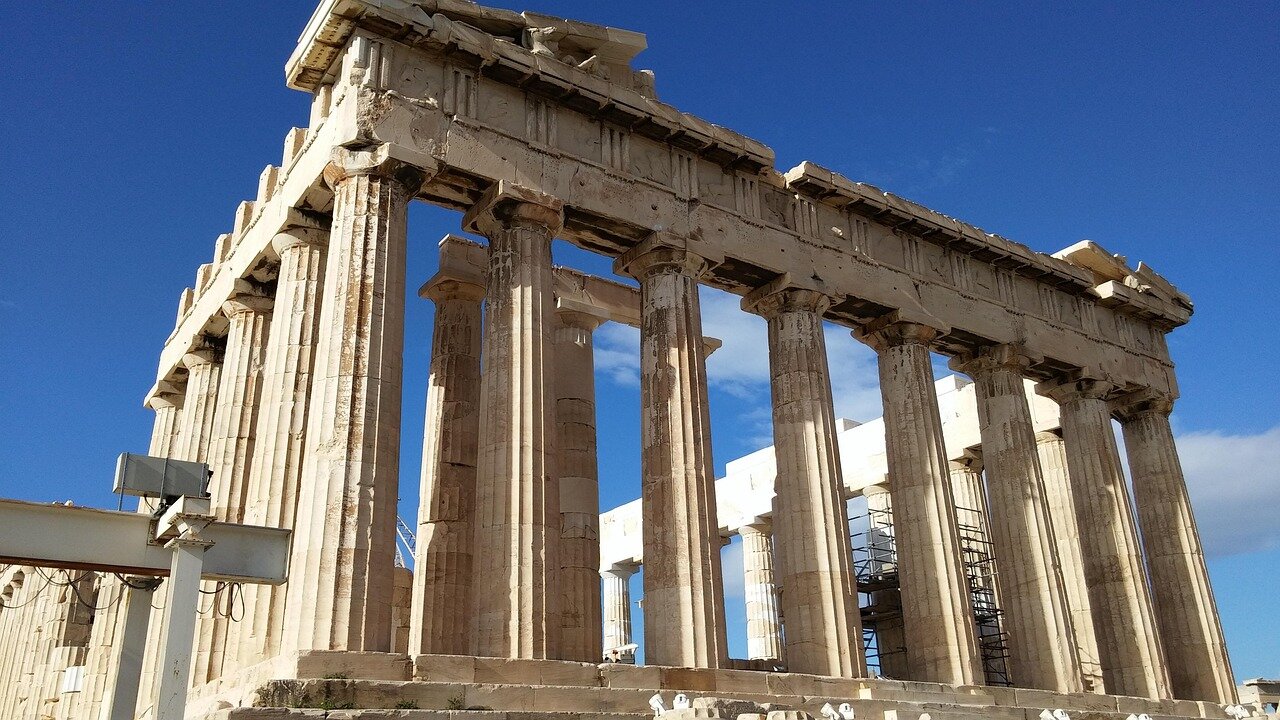
Throughout history, the Parthenon has endured various transformations and challenges, including its conversion into a Christian church and later an Ottoman mosque. Each phase marked significant socio-political shifts in the region, impacting the preservation and perception of this iconic structure. The building’s resilience against natural disasters, such as earthquakes, and human conflicts, including the infamous explosion in 1687 during a Venetian siege, further illustrates its tumultuous history.
The Restoration Efforts
In recent decades, extensive restoration efforts have aimed to preserve and restore the Parthenon. Beginning in the 1970s, these initiatives have sought to address the damage inflicted over centuries, particularly from pollution and previous restoration methods that used inappropriate materials. The introduction of fresh marble fillings is part of a broader strategy to ensure the structural integrity and aesthetic appeal of the monument, allowing future generations to appreciate its grandeur; similar efforts can be seen in how football clubs manage their historical legacies.
Economically, the Parthenon plays a vital role in Greece’s tourism sector, attracting millions of visitors annually. The ongoing restoration and enhancement efforts not only aim to protect this UNESCO World Heritage site but also to boost local economies reliant on tourism. The interplay between preservation and economic viability continues to shape discussions around the Parthenon’s future and its significance in the modern world.
Key stakeholders involved in the restoration project
The restoration of the Parthenon, particularly through the addition of fresh marble fillings, involves multiple stakeholders, each with distinct interests and concerns. These stakeholders include the Greek government, cultural heritage organizations, local communities, and international bodies such as UNESCO. Each party plays a crucial role in the decision-making process and the overall direction of the project.
The Greek government, as the primary custodian of the Parthenon, aims to enhance national pride and boost tourism. Their interest lies in restoring the monument to its former glory while ensuring that the project aligns with modern conservation standards. However, they also face pressure to balance these ambitions with budgetary constraints and public opinion regarding the use of funds.
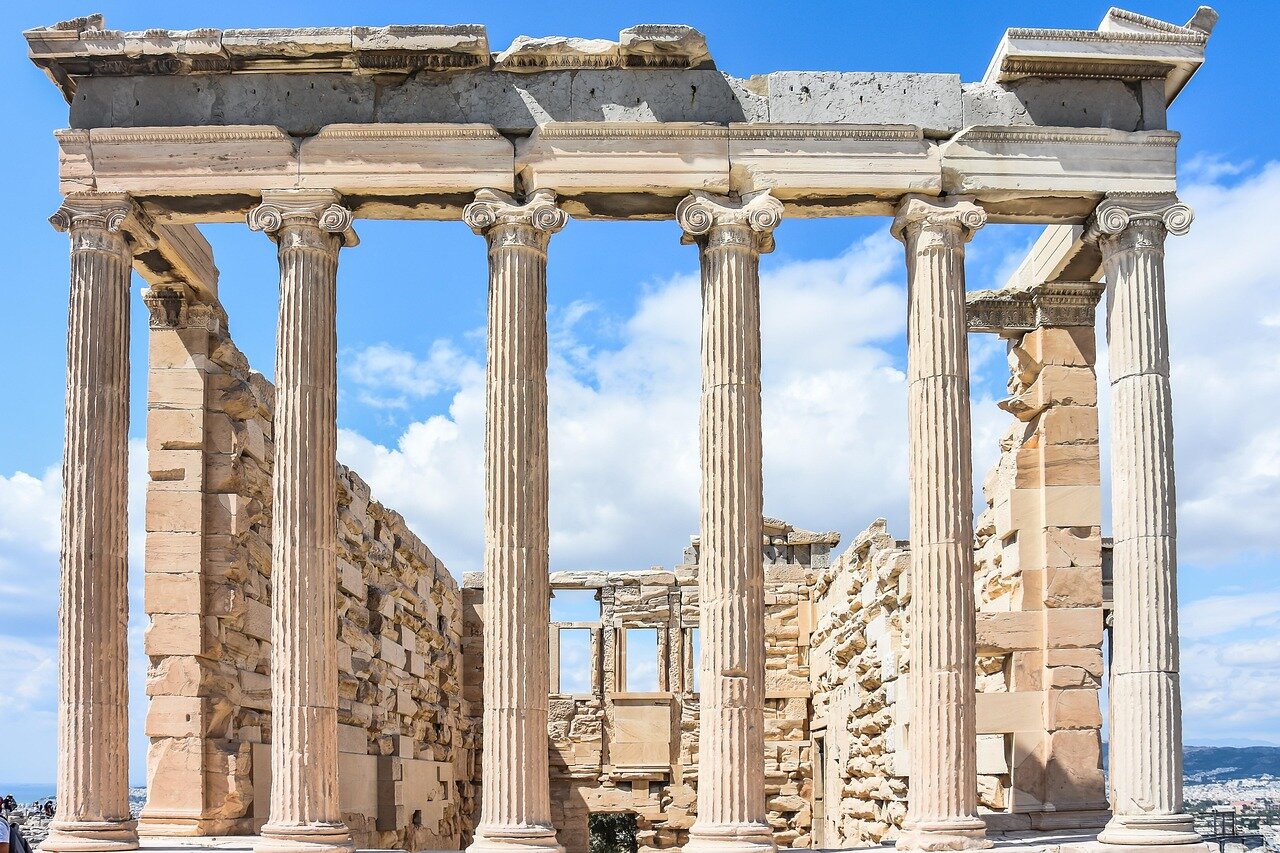
Cultural heritage organizations, including the Acropolis Restoration Service, advocate for preservation techniques that respect the historical integrity of the Parthenon. They emphasize the importance of using authentic materials and traditional methods, which can lead to conflicts with more modern approaches that may prioritize expediency over authenticity. This tension highlights the trade-offs between innovative restoration techniques and the preservation of historical accuracy.
- Local communities often have a vested interest in the tourism revenue generated by the Parthenon, but they may also be concerned about the impact of increased visitor traffic on their daily lives.
- International bodies like UNESCO monitor the project to ensure compliance with global heritage preservation standards, which can create additional layers of oversight and potential conflict with local authorities.
- Environmental groups may raise concerns about the ecological impact of restoration activities, advocating for sustainable practices that protect the surrounding area.
Legal issues also come into play, particularly regarding the ownership and repatriation of artifacts. The ongoing debate over the Elgin Marbles, currently housed in the British Museum, complicates the narrative surrounding the Parthenon’s restoration. The Greek government’s push for their return adds another dimension to the stakeholders’ interests, intertwining national identity with international diplomacy.
The impact of the restoration on tourism and local communities
The restoration of the Parthenon with fresh marble fillings is set to have significant implications for various groups, particularly in the tourism sector and local communities in Athens. As one of the most iconic landmarks in the world, the Parthenon attracts millions of visitors each year, and its enhanced appearance is likely to draw even more tourists, boosting the local economy. For a look at how the intersection of culture and tourism can impact economies, consider reading about music’s role in the new James Bond game.
Short-term impacts will be felt immediately as the restoration project garners media attention, potentially increasing foot traffic to the site. Local businesses, including restaurants, shops, and hotels, may experience a surge in customers, leading to higher revenues. This influx of tourism can create a ripple effect, benefiting not just those directly involved in hospitality but also local artisans and service providers.
In the mid-term, the enhanced visibility of the Parthenon could lead to increased investment in surrounding areas. Local government and businesses may seize this opportunity to improve infrastructure, such as public transport and amenities, further enhancing the visitor experience. However, there are risks associated with this growth, including the potential for overcrowding and strain on local resources.
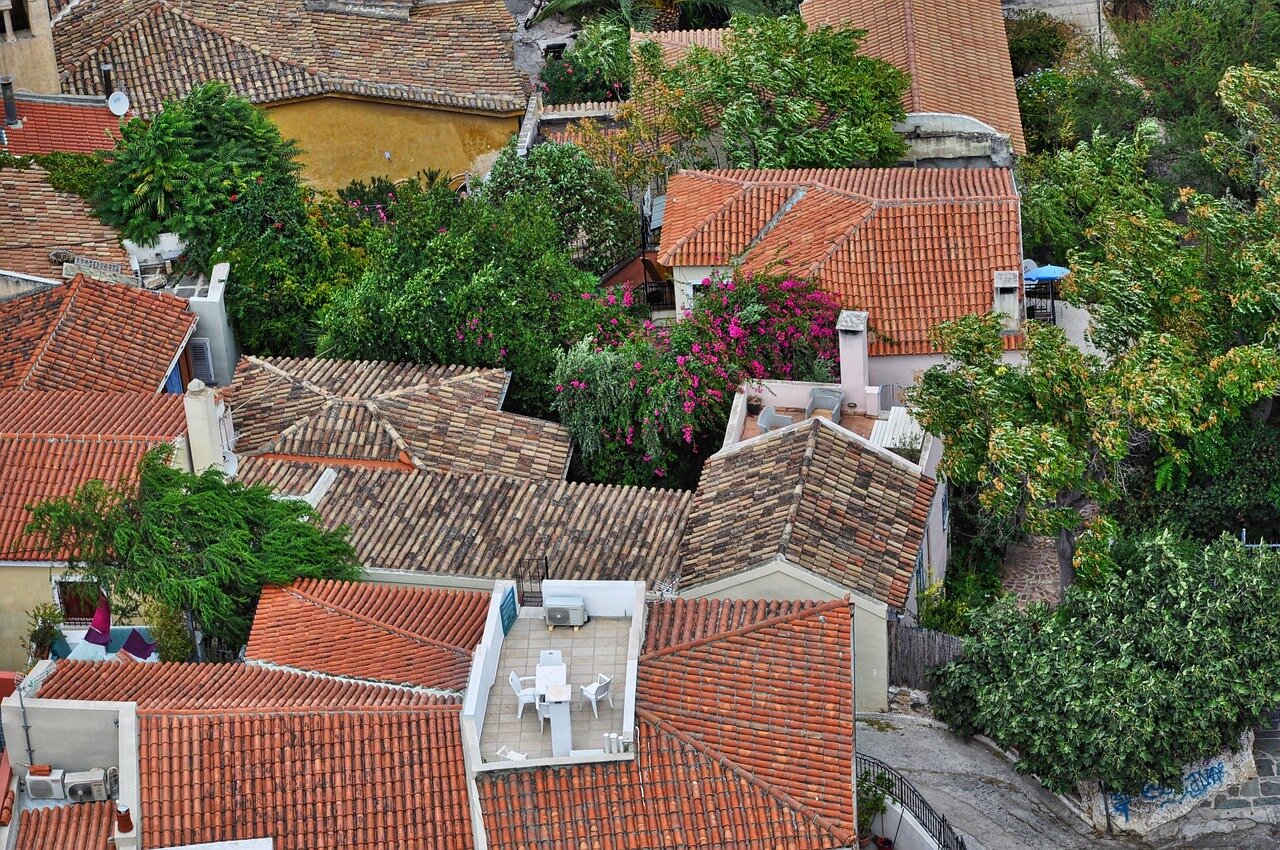
- Tourism Boost: Increased visitor numbers leading to higher revenues for local businesses.
- Investment Opportunities: Potential for enhanced infrastructure and services around the site.
- Environmental Concerns: Risk of overcrowding affecting the site’s preservation and local quality of life.
- Cultural Engagement: Opportunities for local communities to engage in cultural tourism and heritage preservation.
Overall, while the restoration of the Parthenon presents immediate opportunities for economic growth and cultural engagement, it also necessitates careful planning to mitigate the risks associated with increased tourism and its impact on local communities.
A: The restoration uses high-quality marble sourced from the same quarries as the original Parthenon to maintain authenticity. A: The project is expected to take several years, with careful planning to minimize disruption to visitors. A: Portions of the site may be closed at times, but efforts will be made to keep the majority accessible to tourists. A: The goal is to preserve the Parthenon’s structural integrity while enhancing its aesthetic appeal for future generations. A: The project is funded by a combination of government grants, private donations, and international support.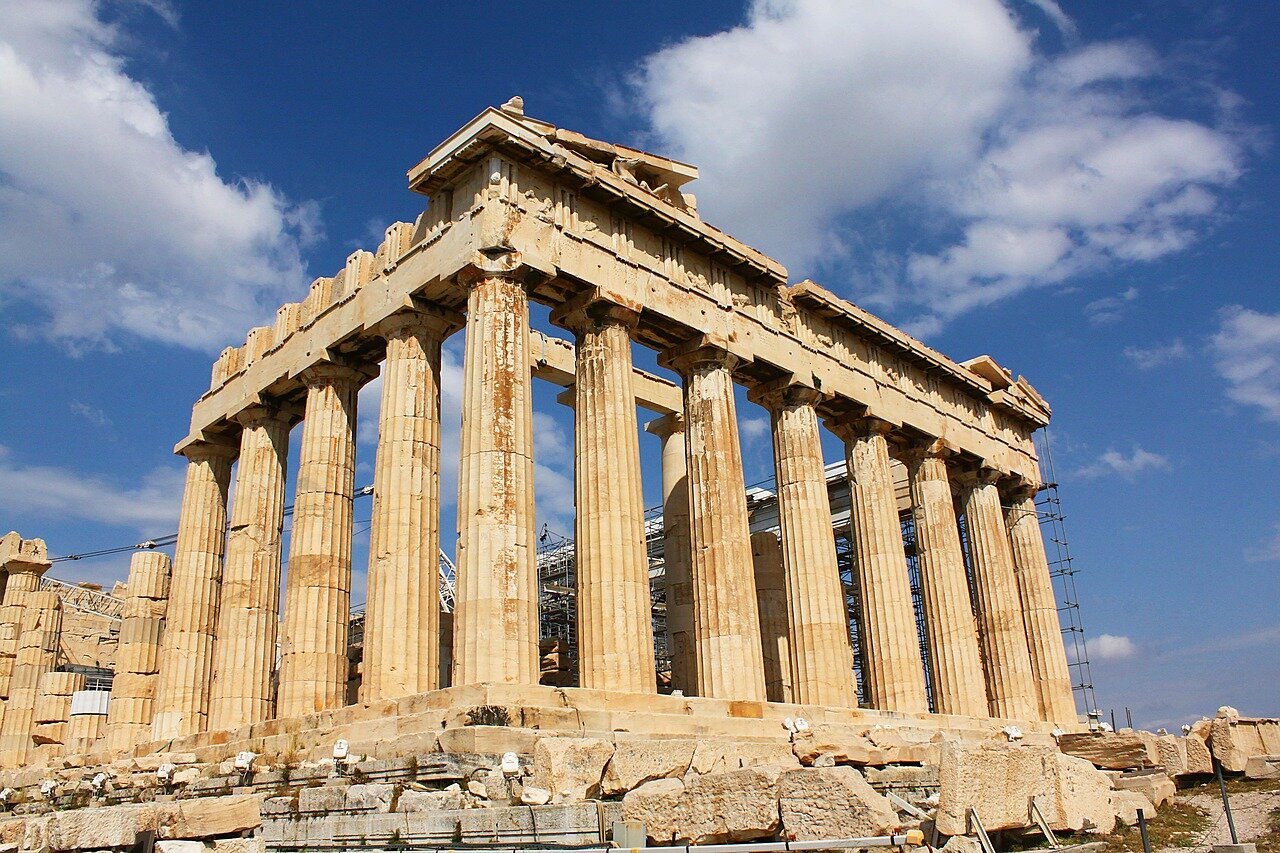
Frequently Asked Questions about the Parthenon restoration
Looking ahead: the future of the Parthenon after restoration
The recent addition of fresh marble fillings to the Parthenon marks a significant step in the ongoing preservation of this iconic structure. As restoration efforts continue, the implications for both cultural heritage and tourism are profound. The enhanced aesthetic appeal not only revitalizes the monument’s historical significance but also invites renewed interest from scholars and visitors alike.
As the Parthenon undergoes this transformation, it is essential to consider the broader impact on conservation practices and the importance of maintaining the integrity of ancient sites. The careful balance between restoration and authenticity will be crucial in determining how future generations engage with this architectural marvel.
- Increased Tourism: Expect a rise in visitor numbers as the Parthenon becomes more visually striking, drawing both tourists and scholars.
- Enhanced Preservation Techniques: The restoration process may set new standards for conservation efforts worldwide, influencing how similar historical sites are treated.
- Public Engagement: The project could foster greater public interest in cultural heritage, prompting discussions about the importance of preserving history.
- Potential for Future Restorations: This initiative may pave the way for further restoration projects, encouraging investment in the upkeep of ancient monuments.