
The new chip, which is set to be available later this year, promises to deliver unprecedented levels of computational power, enabling users to run complex AI models directly on their devices. This development comes at a time when the demand for AI-driven solutions is surging across various sectors, including gaming, content creation, and data analysis.
Industry experts have noted that integrating such powerful AI capabilities into personal computing devices could democratize access to advanced technology, allowing a broader audience to leverage AI tools. This shift could potentially transform how individuals and businesses utilize AI, making it more accessible and practical for daily use, similar to the innovations made by Nvidia.
Nvidia’s move also aligns with a growing trend among tech companies to embed AI functionalities into consumer products. As competitors race to innovate, the introduction of this superchip may set new standards for performance and efficiency in the market, positioning Nvidia as a leader in the AI hardware space.
The evolution of AI technology and its significance in computing
The journey of artificial intelligence (AI) technology has been marked by significant milestones that have shaped its integration into computing. From its early conceptualization in the mid-20th century, AI has evolved from simple algorithms to complex systems capable of learning and adapting. The initial breakthroughs in machine learning and neural networks laid the groundwork for modern AI applications, which are now integral to various sectors, including healthcare, finance, and entertainment.
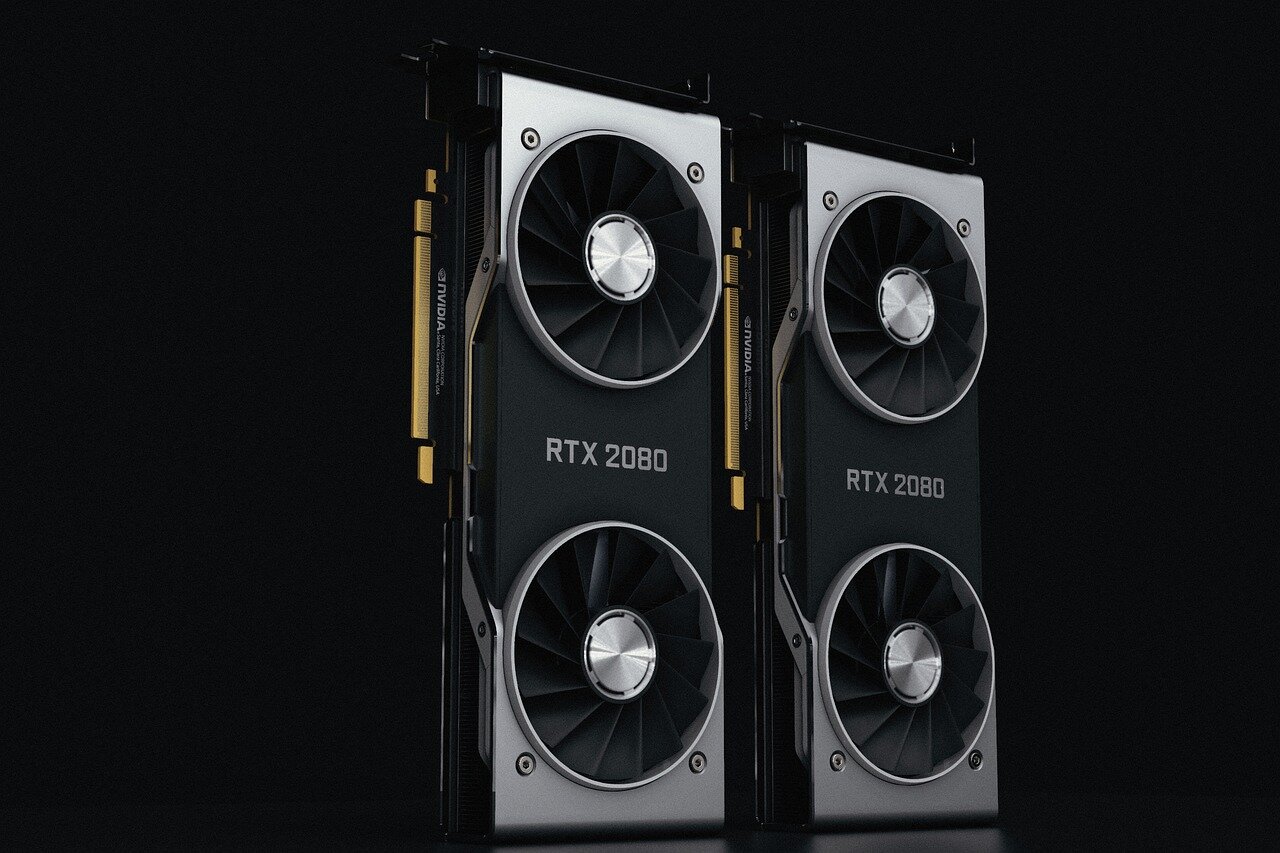
In the late 1990s and early 2000s, the advent of more powerful computing hardware, particularly graphics processing units (GPUs), enabled the processing of vast amounts of data necessary for training AI models. This era saw the rise of deep learning, a subset of machine learning that mimics the human brain’s neural networks. Companies like Nvidia recognized the potential of GPUs beyond gaming, positioning themselves as leaders in AI hardware by developing products specifically designed to accelerate AI computations.
The rise of AI in consumer technology
The increasing demand for AI capabilities in consumer technology has significantly influenced the market. As smartphones and personal computers became more sophisticated, users began to expect advanced features powered by AI, such as voice recognition and personalized recommendations. Nvidia’s innovations, including the introduction of AI-enhanced graphics and computing solutions, have played a pivotal role in meeting these expectations, thereby solidifying the company’s position in the tech industry.
In recent years, the global focus on AI has intensified, driven by the need for automation, efficiency, and enhanced user experiences. This has prompted tech giants to invest heavily in research and development, leading to rapid advancements in AI technologies, much like what Nvidia has achieved with its latest launch of a ‘superchip’ designed for laptops and PCs.
The political and economic landscape has also influenced the trajectory of AI development. Governments around the world are increasingly recognizing the strategic importance of AI technology, leading to initiatives aimed at fostering innovation and competitiveness. As a result, companies like Nvidia are not only competing in the marketplace but also navigating complex regulatory environments that shape the future of AI technology.
Key stakeholders and implications of Nvidia’s superchip launch
Nvidia’s launch of its new ‘superchip’ aimed at enhancing AI capabilities in laptops and PCs introduces a complex landscape of stakeholders, each with distinct interests and potential conflicts. Key actors include Nvidia itself, hardware manufacturers, software developers, consumers, and regulatory bodies.
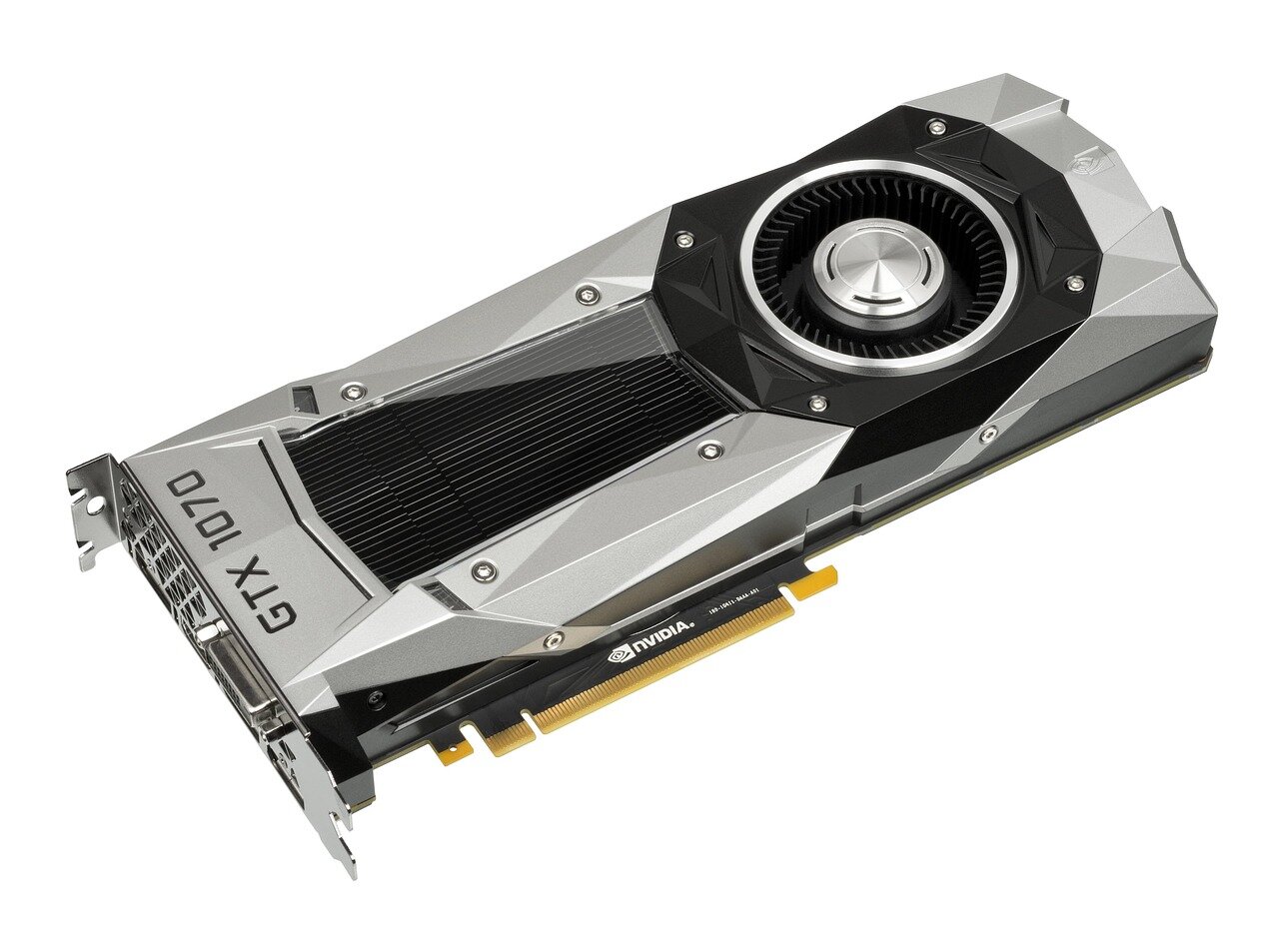
Nvidia, as the creator of the superchip, is primarily focused on expanding its market share in the AI hardware sector. The company aims to leverage the growing demand for AI applications across various industries, thus increasing its revenue streams. Additionally, Nvidia’s partnerships with hardware manufacturers are crucial for the integration of the superchip into consumer devices, which can further solidify its dominance in the market.
Hardware manufacturers, such as Dell and HP, have a vested interest in adopting Nvidia’s technology to enhance their product offerings. However, they face challenges in balancing the cost of integrating new technology with consumer pricing expectations. The trade-off between innovation and affordability may create tension within the supply chain, as manufacturers strive to meet consumer demands while maintaining profitability.
Software developers are another key group, as they will need to optimize their applications to take full advantage of the new capabilities offered by Nvidia’s superchip. This creates an opportunity for innovation but also poses challenges in terms of compatibility and performance. Developers may need to invest significant resources into adapting their software, which could affect their overall business strategies.
- Consumer interests: Consumers are likely to benefit from enhanced performance in AI applications, but they may also face higher prices for devices equipped with the superchip.
- Regulatory scrutiny: Governments and regulatory bodies may become involved, particularly concerning data privacy and competition laws, as Nvidia’s technology could significantly impact market dynamics.
- Environmental considerations: The production and disposal of new hardware raise sustainability concerns, prompting stakeholders to consider the environmental impact of increased electronic waste.
Overall, the launch of Nvidia’s superchip represents a significant shift in the technological landscape, with implications that extend beyond immediate market reactions. Stakeholders must navigate a complex web of interests and potential conflicts as they adapt to the evolving demands of the AI-driven future.
Potential effects on consumers and the tech market
The launch of Nvidia’s ‘superchip’ is set to have significant implications for various groups, particularly consumers, tech manufacturers, and industries reliant on artificial intelligence. As laptops and PCs become increasingly powered by advanced AI capabilities, users across multiple sectors will experience enhanced performance and efficiency in their daily tasks.
In the short term, consumers can expect improved functionality in their devices, leading to smoother multitasking, faster processing times, and more robust gaming experiences. This advancement will likely appeal to gamers, content creators, and professionals in fields such as data analysis and software development. However, the initial rollout may also lead to a surge in demand that could strain supply chains, potentially resulting in higher prices or limited availability of the new technology.
Mid-term impacts will extend beyond individual users to influence broader business operations and policy considerations. Companies in sectors such as finance, healthcare, and entertainment may leverage the enhanced AI capabilities to innovate their services, leading to increased productivity and new revenue streams. However, this rapid adoption of AI technology also raises concerns about data privacy, job displacement, and the need for regulatory frameworks to manage the ethical implications of AI deployment.
- Opportunities: Enhanced productivity and innovation across various industries.
- Risks: Potential job displacement and increased data privacy concerns.
- Market Dynamics: Supply chain pressures and pricing fluctuations for consumers.
Regions with a strong tech presence, such as Silicon Valley and major urban centers, are likely to experience a faster integration of these technologies, creating a competitive landscape for businesses. Conversely, areas with less access to cutting-edge technology may face challenges in keeping pace with advancements, thus widening the digital divide.
A: The new superchip is designed to enhance AI capabilities in laptops and PCs, enabling faster processing and improved performance for AI applications. A: Unlike previous chips, this superchip specifically focuses on integrating AI functionalities, making it more suitable for tasks that require advanced machine learning and data processing. A: Nvidia has announced that the superchip will be available in select devices starting next quarter, with broader availability expected later in the year. A: Major manufacturers are expected to incorporate the superchip into their upcoming models, including gaming laptops and high-performance PCs. A: Users can expect enhanced performance in AI-driven applications, better multitasking capabilities, and overall improved computing experiences.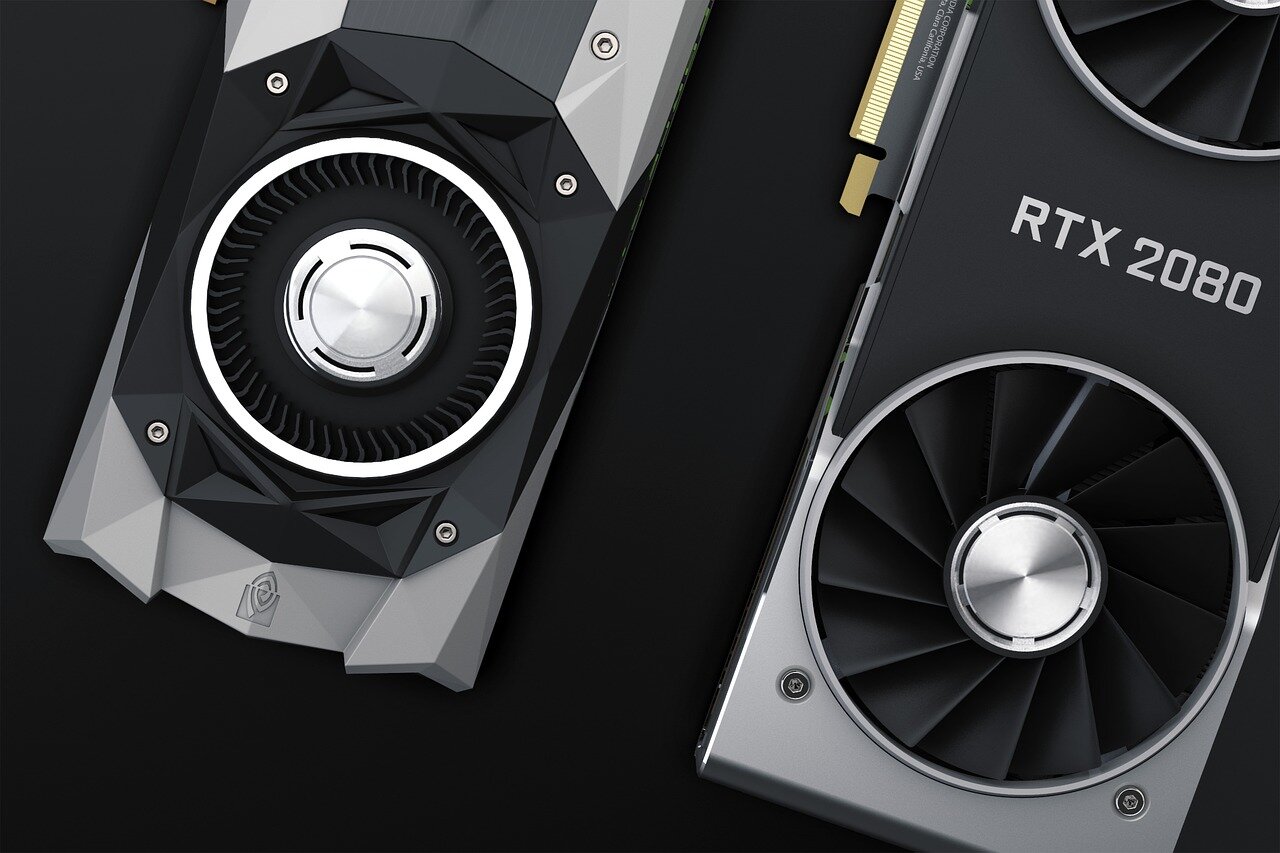
Frequently asked questions about Nvidia’s superchip
Future outlook and key takeaways from Nvidia’s innovation
Nvidia’s launch of its new ‘superchip’ marks a significant advancement in the integration of AI capabilities into everyday computing devices like laptops and PCs. This innovation not only enhances performance but also democratizes access to powerful AI tools, potentially transforming how users interact with technology in various sectors, from gaming to professional applications. As AI continues to evolve, the implications of this development could reshape industry standards and consumer expectations.
As Nvidia pushes the boundaries of what is possible in personal computing, stakeholders should remain vigilant about the broader trends this technology may catalyze. The move towards more AI-integrated hardware suggests a future where the line between traditional computing and AI-driven processes becomes increasingly blurred.
- Increased Accessibility: More users will have access to advanced AI tools, enabling innovative applications across various fields.
- Competitive Landscape: Other tech companies may be compelled to accelerate their own AI hardware development in response to Nvidia’s advancements.
- Enhanced User Experience: Consumers can expect significantly improved performance in applications that rely on AI, leading to smoother and more efficient workflows.
- Potential for New Applications: The integration of AI into personal devices may lead to the emergence of new software applications and services that leverage this technology.
- Focus on Energy Efficiency: Future developments may prioritize energy-efficient designs, addressing environmental concerns while maintaining high performance.