
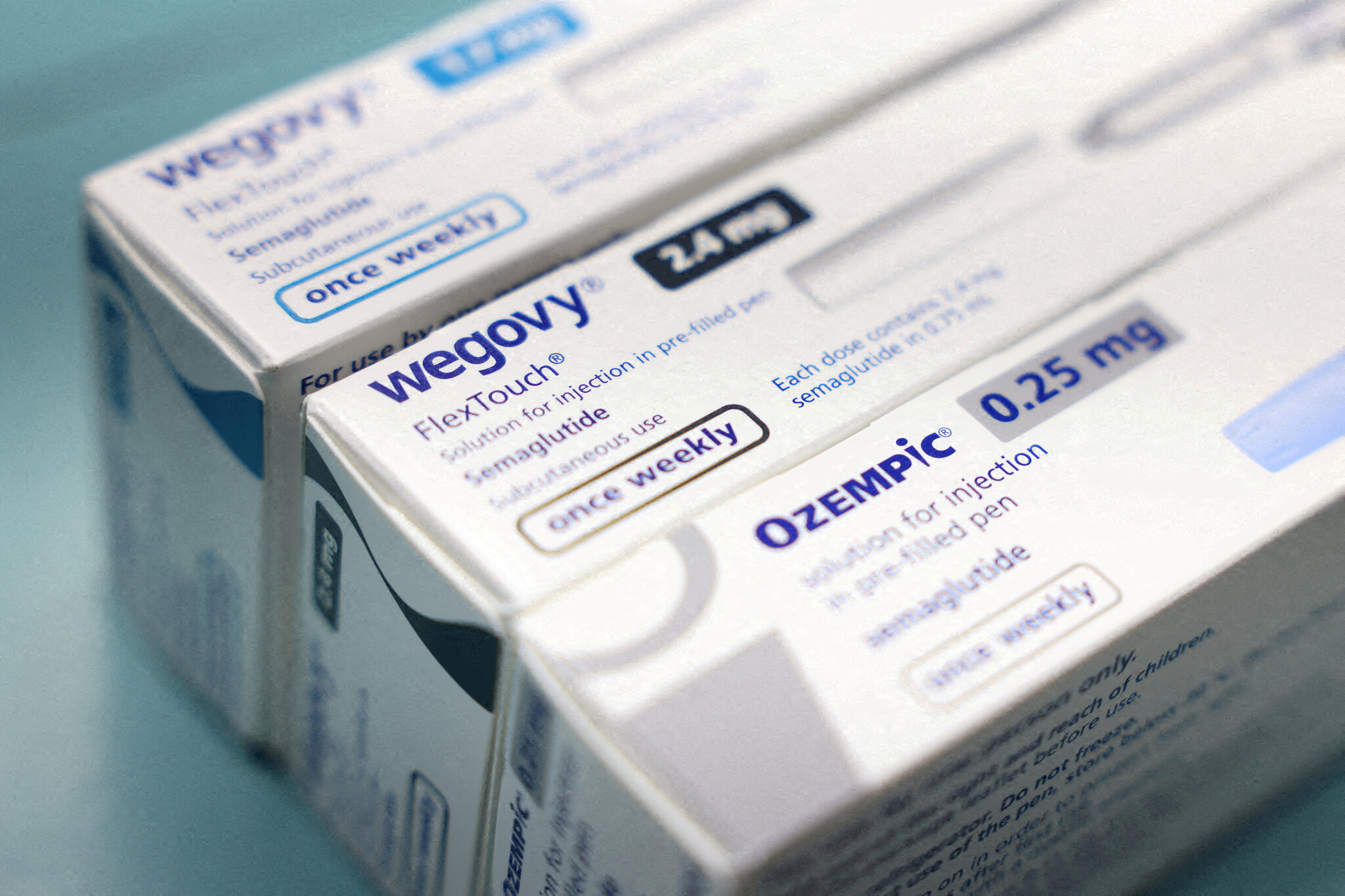
Criteria and Comparisons Used in the Trials
The trials were designed with specific parameters to ensure the relevance of the results. Participants included individuals diagnosed with early-stage Alzheimer’s, aiming to test not only safety but also the therapeutic benefits of the GLP-1 medication.

Inclusion and Exclusion Criteria for Participants
To create a controlled environment, strict inclusion and exclusion criteria were implemented:
- Participants aged 50 to 85 years with a diagnosis of mild cognitive impairment related to Alzheimer’s.
- Exclusion of those with severe psychiatric disorders or any other significant health conditions that might interfere with the treatment.
- Prior Alzheimer’s treatments were prohibited to assess the drug’s effectiveness independently.
Key Findings From Novo Nordisk’s Trials
The results of the trials have been largely disappointing, revealing that the GLP-1 drug did not significantly improve cognitive functions compared to the placebo group. This raises a red flag for clinicians and researchers looking for effective Alzheimer’s therapies.

Adverse Reactions Observed During Trials
While the drug showed a generally acceptable safety profile, several participants experienced mild to moderate gastrointestinal issues. These reactions prompted discussions about patient comfort during treatment and the overall tolerability of the drug:
- Nausea and diarrhea were the most commonly reported side effects.
- Some participants opted to withdraw from the study due to these adverse effects.
Strategies for Future Alzheimer’s Drug Development
In light of the results from the GLP-1 trials, researchers are urged to tweak their strategies for Alzheimer’s drug development. Understanding the pathophysiology of Alzheimer’s better may lead to more effective treatment options.

Exploring Alternative Therapeutic Approaches
Future research might focus on:
- Investigating multi-drug regimens that target different aspects of the disease simultaneously.
- Implementing gene therapy techniques to alter disease progression at its core.
- Conducting long-term studies to better understand the chronic effects of medications on cognitive decline.
Considerations for Patients and Caregivers
For individuals affected by Alzheimer’s, trial results like those from Novo Nordisk highlight the need for continued vigilance and discussion between healthcare providers and patients. Understanding the limitations of current therapies is vital.

Communicating with Healthcare Providers
Patients and caregivers should feel empowered to ask their healthcare providers:
- What alternative treatments are available?
- How does this trial impact future drug approvals?
Frequently Asked Questions About Novo Nordisk Trials

Frequently Asked Questions Related to the GLP-1 Drug Trials
A: The primary goal was to evaluate the safety and efficacy of the GLP-1 drug for treating early-stage Alzheimer’s disease.
A: The trials did not show significant cognitive improvements when compared to a placebo, although the drug was generally well tolerated.
A: Participants reported mild gastrointestinal issues such as nausea and diarrhea during the trials.
A: The results signal the need for ongoing research and development of alternative therapies, including combination treatments.
Insights on the Future of Alzheimer’s Research
The failure of this GLP-1 drug trial underscores a critical point: the road to finding effective Alzheimer’s therapies remains long and challenging. Ongoing research and innovation will play pivotal roles in ultimately enhancing the lives of those affected by this debilitating disease.