
The Magpies’ last five matches have seen them secure only one victory, with the most recent defeat coming against a mid-table rival on October 14. This downturn in performance is concerning for fans and analysts alike, especially considering the high expectations set after a fourth-place finish last season, which secured them a spot in the UEFA Champions League.
Key players, including striker Callum Wilson and midfielder Bruno Guimarães, have struggled with injuries, impacting the team’s overall performance. Additionally, the tactical approach employed by manager Eddie Howe has faced scrutiny, as opponents appear to have adapted to Newcastle’s style of play, leading to a lack of creativity and effectiveness in attack. This situation is reminiscent of the challenges faced by other clubs, such as Chelsea, which also dealt with performance issues.
The upcoming fixtures will be crucial for Newcastle as they seek to regain their footing in the league. With matches against both top-tier teams and relegation contenders on the horizon, the club must address its current issues to avoid a further slide down the standings.
Background on Newcastle’s recent seasons and expectations
Newcastle United, once a powerhouse in English football, has experienced a tumultuous journey over the past few decades. The club’s rich history is marked by periods of both triumph and struggle, with the 1990s being a golden era when they consistently competed for top honors. However, the turn of the millennium saw a decline, exacerbated by managerial changes, financial mismanagement, and relegation battles that left fans disillusioned.

In 2017, Newcastle returned to the Premier League after a season in the Championship, igniting hope among supporters for a revival. Under the ownership of Mike Ashley, the club’s ambitions were often questioned, as investment in the squad was minimal. This led to a cycle of mediocrity, with Newcastle frequently flirting with relegation, despite the passionate support of their fanbase. Understanding the support available for households facing energy bills sheds light on the financial struggles that may also affect clubs like Newcastle.
The turning point came in October 2021 when a consortium led by Saudi Arabia’s Public Investment Fund acquired the club. This acquisition raised expectations significantly, as fans anticipated a new era of investment and success. The new ownership promised to revitalize the squad and improve the club’s standing in English football, leading to heightened anticipation for the following seasons.
Recent Performance and Expectations
Despite the initial optimism, the performance of Newcastle in recent seasons has raised questions about whether the club is genuinely moving forward. The inconsistency in results, coupled with a lack of a clear playing style, has led to criticism from fans and pundits alike. As the team navigates the challenges of competing in a highly competitive league, the pressure to deliver results has intensified, leaving many to wonder if Newcastle has indeed gone backwards in their quest for success.
Key issues affecting Newcastle’s performance this season
This season, Newcastle United has faced a variety of challenges that have led to questions about whether the club has progressed or regressed. Key stakeholders, including club management, players, fans, and local government, all have vested interests in the team’s performance and its implications for the city and its economy.
One significant actor in this scenario is the club’s ownership, which has shifted in recent years. The interests of the owners often focus on financial success and brand expansion, which can conflict with the expectations of fans who desire on-pitch success. Additionally, the players themselves are crucial stakeholders, as their performance directly impacts the club’s standing in the league.
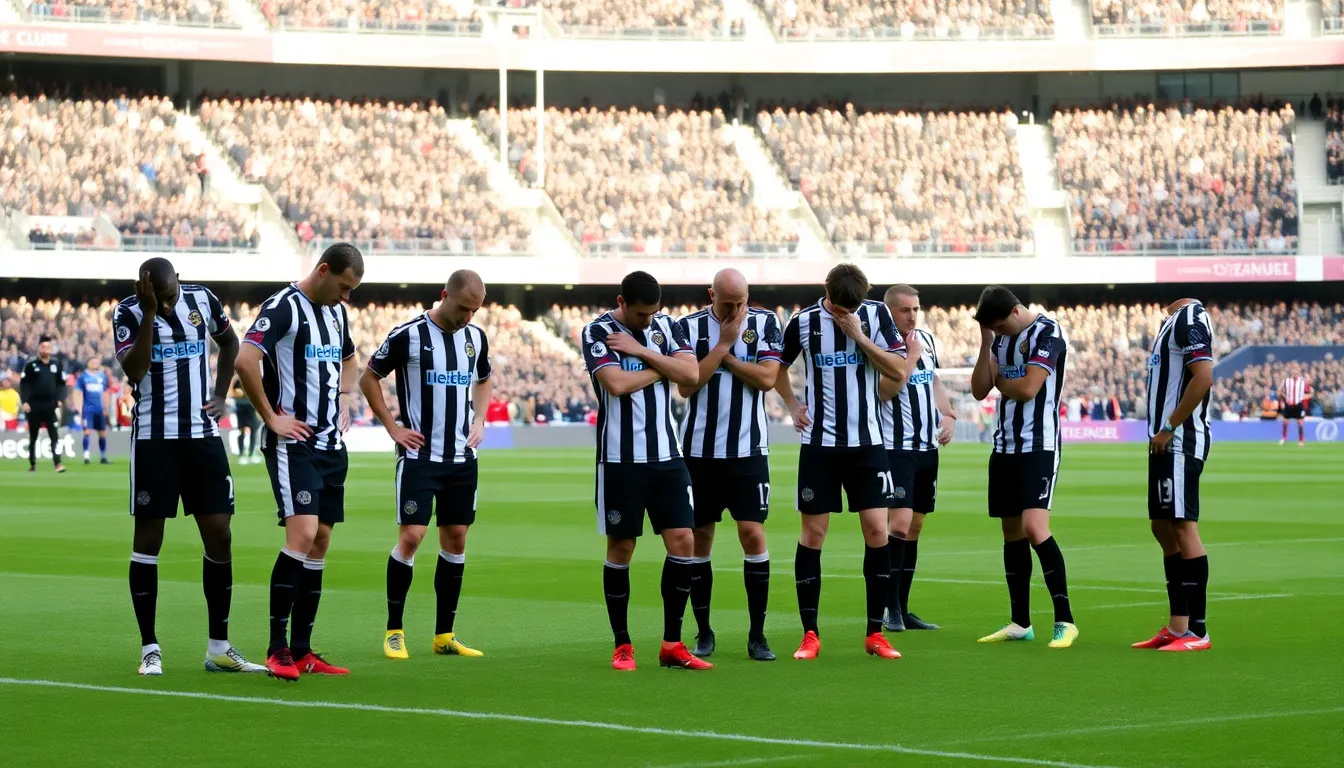
Several key issues have emerged that highlight the complexities of Newcastle’s current situation:
- Management Decisions: The strategies employed by the coaching staff and management can lead to disagreements among fans and analysts regarding the best path forward.
- Player Performance: Injuries and form fluctuations among key players have raised concerns about the team’s depth and resilience.
- Financial Constraints: Despite significant investment, the club may face financial limitations that affect its ability to attract top talent or retain existing players.
- Fan Expectations: The passionate fan base has high expectations, which can lead to pressure on the management and players, potentially impacting performance.
- Local Economic Impact: The club’s performance has broader implications for the local economy, affecting businesses that rely on matchday revenue and tourism.
These issues create a landscape where trade-offs must be navigated carefully. For instance, while financial investment is crucial for improvement, it must be balanced against the need for sustainable growth and the long-term vision of the club. As Newcastle continues to grapple with these challenges, the perspectives of all stakeholders will play a vital role in shaping the future trajectory of the team.
Impact of Newcastle’s performance on fans and the market
The performance of Newcastle United has a significant impact on various groups, including fans, local businesses, and the wider football community. Supporters are emotionally invested in the team’s success, and any perceived decline can lead to disappointment and disillusionment. This emotional response can affect attendance at matches and overall fan engagement.
Local businesses, particularly those in hospitality and retail, are also affected by the team’s fortunes. A successful Newcastle can boost matchday revenues, leading to increased foot traffic in the city. Conversely, a downturn in performance may result in fewer fans visiting the area for games, impacting sales and employment in these sectors.
In the mid-term, the club’s performance can influence sponsorship deals and partnerships, which are crucial for financial stability. If Newcastle’s on-field success declines, it may deter potential sponsors, affecting the club’s revenue streams. This situation poses risks but also opportunities for innovative marketing strategies and community engagement initiatives.

- Fans: Emotional impact and reduced engagement.
- Local Businesses: Decreased matchday revenue and foot traffic.
- Sponsorships: Potential loss of partnerships and revenue.
- Community: Opportunities for local initiatives and events.
Overall, while the short-term effects may be negative, there exists potential for the club and its stakeholders to adapt and find new ways to connect with fans and the community, fostering resilience in the face of challenges.
A: Several factors, including injuries, tactical changes, and player performance, are contributing to the perception that Newcastle has regressed. Additionally, comparisons to last season’s achievements highlight these issues. A: Newcastle’s current performance shows a dip in form compared to the previous season, where they had higher standings and better results. The current season has seen inconsistent performances and fewer points. A: Fans have expressed disappointment with the team’s recent performances, with many feeling that the club has not met the expectations set after previous successes. There is a mix of frustration and hope for improvement. A: Speculation about changes in the coaching staff has arisen due to the team’s performance. However, management has not confirmed any immediate changes, focusing instead on improving current strategies. A: If Newcastle’s performance does not improve, it could lead to a potential struggle for relegation, loss of fan support, and financial implications due to decreased ticket sales and sponsorships.
Frequently asked questions about Newcastle’s current situation
Insights into Newcastle’s future prospects and key takeaways
The recent performance of Newcastle United has raised questions about their trajectory in the Premier League. While the team has shown flashes of brilliance, inconsistencies in key matches suggest that they may be struggling to build on their previous successes. As they navigate the challenges ahead, several factors will be crucial in determining whether they can regain their competitive edge.
Monitoring the club’s strategic decisions, player development, and tactical adjustments will provide insights into their potential resurgence. The upcoming fixtures will be pivotal, as they will test the team’s resilience and adaptability in high-pressure situations.
- Player Performance: Continued assessment of key players’ contributions will be essential, especially in maintaining squad depth and form.
- Tactical Evolution: The effectiveness of the current managerial approach will be scrutinized, particularly in adapting to opponents’ strategies.
- Injury Management: Keeping the squad fit and minimizing injuries will play a significant role in their ability to compete consistently.
- Transfer Market Activity: Upcoming transfer windows will be critical for addressing gaps in the squad and strengthening the team’s overall capabilities.
- Fan and Club Engagement: The relationship between the management and supporters will influence morale and could impact on-field performance.