
The New Zealand government initially announced the statue plan in July 2023, aiming to honor the victims of wartime sexual exploitation. However, after Japan’s diplomatic protests, which emphasized the need for sensitivity regarding historical grievances, New Zealand officials reconsidered the initiative. This incident underscores the delicate balance that countries must maintain when addressing historical injustices, much like the ongoing debates surrounding issues of recognition in different contexts.
Japanese officials argued that the statue could exacerbate tensions between the two countries, which have worked to improve their bilateral relations in recent years. New Zealand’s decision to cancel the statue reflects a recognition of these diplomatic sensitivities and the potential repercussions of such memorials. As nations navigate their historical narratives, the implications of this decision resonate beyond New Zealand and Japan.
The cancellation has sparked discussions within New Zealand about how to appropriately acknowledge and remember the suffering of wartime victims. Advocacy groups and historians are now calling for alternative ways to honor these individuals without provoking international disputes. This situation serves as a reminder of the ongoing challenges in reconciling historical memory with contemporary diplomatic relations.
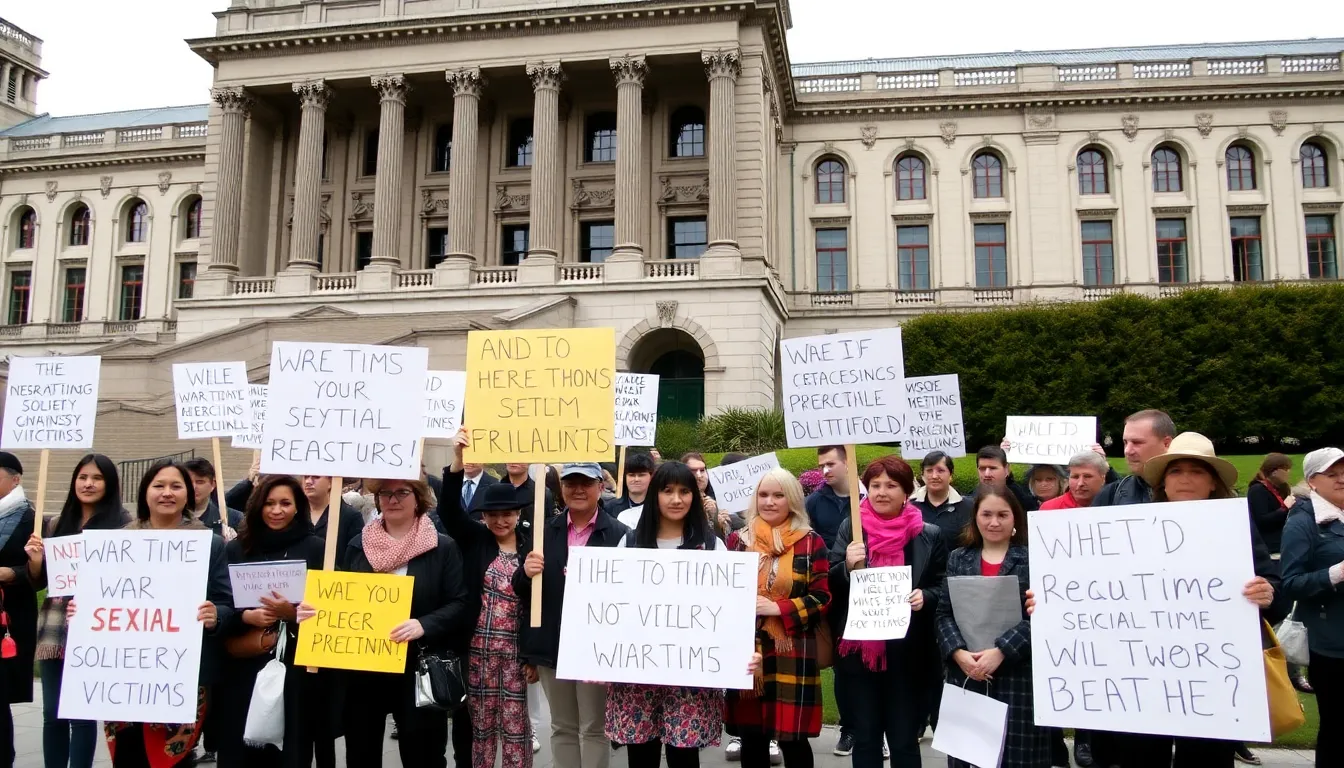
Historical context of the comfort women issue
The term “comfort women” refers to the women and girls who were forced into sexual slavery by the Imperial Japanese Army during World War II. This system of wartime sexual exploitation was established in occupied territories, including parts of China, Korea, and the Philippines. The historical narrative surrounding comfort women is complex, intertwined with the broader context of wartime atrocities and the struggle for recognition and justice in the post-war era.
In the years following World War II, many survivors of this system faced significant stigma and were often silenced by societal pressures. It wasn’t until the early 1990s that the issue gained international attention, largely due to the testimonies of former comfort women. Activists and scholars began to advocate for the acknowledgment of these women’s suffering and the need for reparations from the Japanese government.
Japan’s response to the comfort women issue has been contentious. While some officials have issued apologies and expressed remorse, many survivors and their advocates argue that these gestures have been insufficient and often lack sincerity. The Japanese government has also faced criticism for its attempts to downplay or deny the extent of the comfort women system, leading to ongoing diplomatic tensions with countries like South Korea and China.
Recent developments and diplomatic tensions
In recent years, various countries have sought to memorialize the experiences of comfort women through statues and public commemorations. However, these initiatives have often sparked protests and diplomatic disputes. The recent decision by New Zealand to abandon plans for a statue honoring comfort women, following protests from Japan, underscores the delicate balance between historical acknowledgment and contemporary international relations. This incident reflects the ongoing complexities surrounding historical memory and the impact of past injustices on present-day diplomacy.
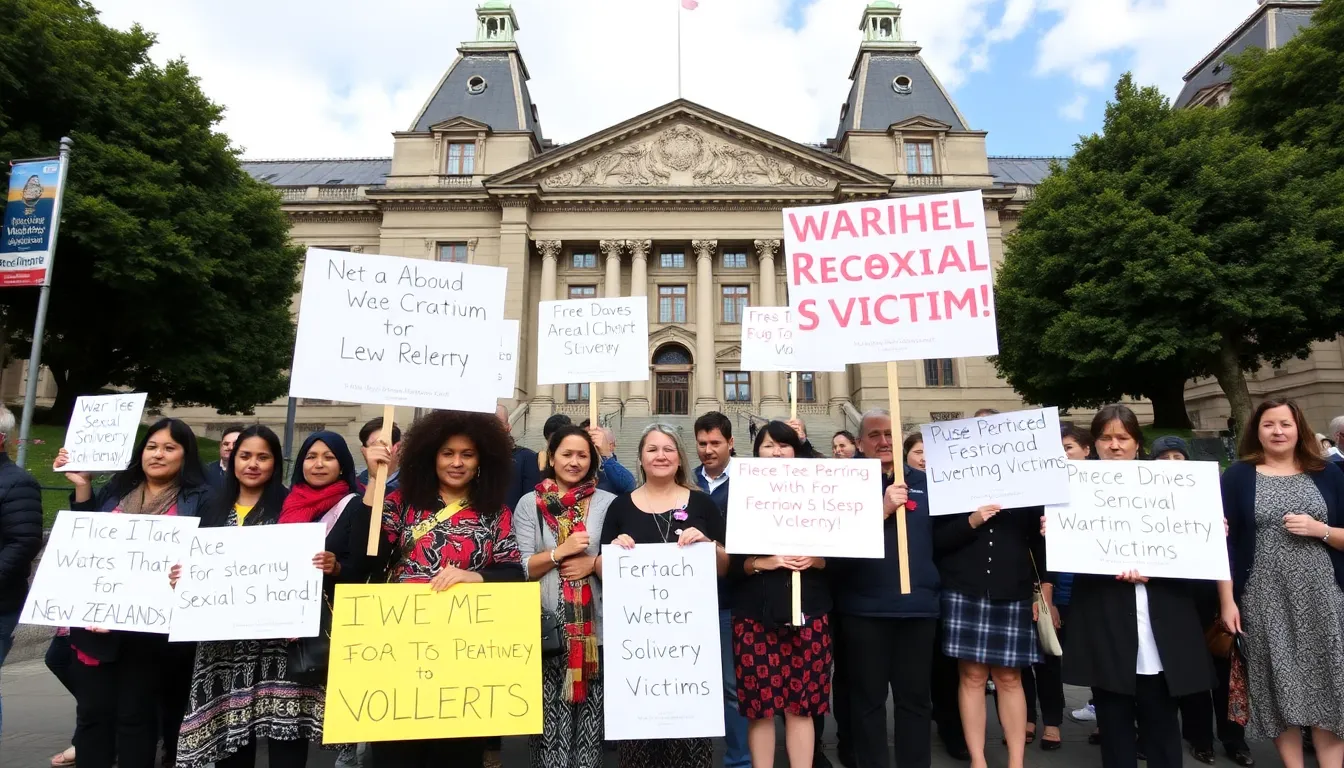
Analysis of stakeholders and their positions
The recent decision by New Zealand to cancel plans for a statue commemorating World War II sex slaves has stirred significant reactions from various stakeholders, each with distinct interests and concerns. Central to this issue are the New Zealand government, the Japanese government, advocacy groups, and the descendants of the victims.
The New Zealand government aimed to honor the memory of the women who suffered during the war, seeking to acknowledge historical injustices and promote awareness of this dark chapter in history. However, the backlash from Japan, which expressed strong disapproval of the statue, highlighted the complexities of international relations and the sensitivities surrounding historical narratives.
On the other side, the Japanese government has a vested interest in maintaining its international image and fostering diplomatic relations with New Zealand. The protest against the statue reflects a broader concern about how such memorials could influence perceptions of Japan’s wartime actions, potentially reigniting tensions over historical grievances.
- Advocacy Groups: Various human rights organizations support the statue as a means of recognizing and validating the experiences of wartime sexual slavery victims.
- Victims’ Descendants: Families of the victims often seek acknowledgment and justice, viewing the statue as a critical step in addressing historical wrongs.
- Economic Considerations: New Zealand must balance its commitment to historical truth with the potential economic impacts of straining relations with Japan, a key trade partner.
- Legal Implications: The decision raises questions about freedom of expression and the legal boundaries around public memorials in relation to international diplomacy.
Ultimately, the decision to axe the statue reflects a complex interplay of historical memory, diplomatic relations, and the ongoing struggle for recognition of wartime atrocities. Each stakeholder’s position underscores the challenges of reconciling past injustices with contemporary political realities, highlighting a broader theme seen in international relations and their implications.
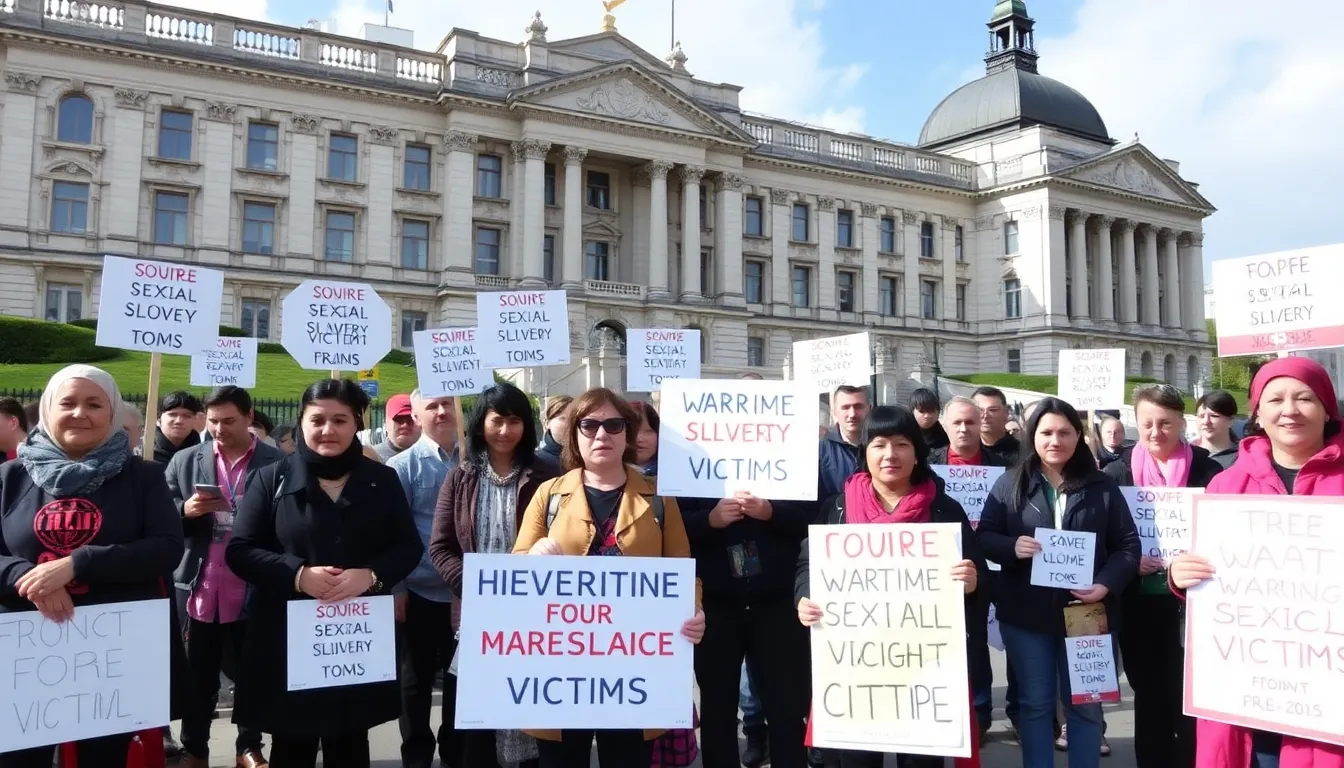
Impact on diplomatic relations between New Zealand and Japan
The decision by New Zealand to abandon the plan for a statue commemorating World War II sex slaves has significant implications for diplomatic relations between New Zealand and Japan. This move reflects a sensitivity to Japan’s historical narrative and its ongoing diplomatic efforts to maintain positive relations in the Asia-Pacific region.
Groups affected by this decision include human rights organizations, which may view the axing of the statue as a setback in raising awareness about wartime atrocities. Additionally, the Japanese community in New Zealand may feel a sense of relief, as the statue could have been perceived as a direct challenge to Japan’s historical stance on the issue.
In the short term, this decision may ease tensions between the two nations, fostering a more collaborative environment for trade and cultural exchange. However, mid-term impacts could include a potential backlash from advocacy groups pushing for recognition of historical injustices, which may lead to protests or calls for accountability from the New Zealand government.
- Short-term impacts: Improved diplomatic relations, reduced tensions, and potential for increased trade.
- Mid-term impacts: Possible protests from human rights advocates and a shift in public opinion regarding historical recognition.
- Risks: Alienation of local advocacy groups and potential criticism from international human rights organizations.
- Opportunities: Enhanced bilateral cooperation and cultural initiatives that focus on reconciliation and mutual understanding.
Overall, while this decision may mitigate immediate diplomatic concerns, it also opens up discussions about historical memory and the responsibilities of nations in acknowledging past wrongs.
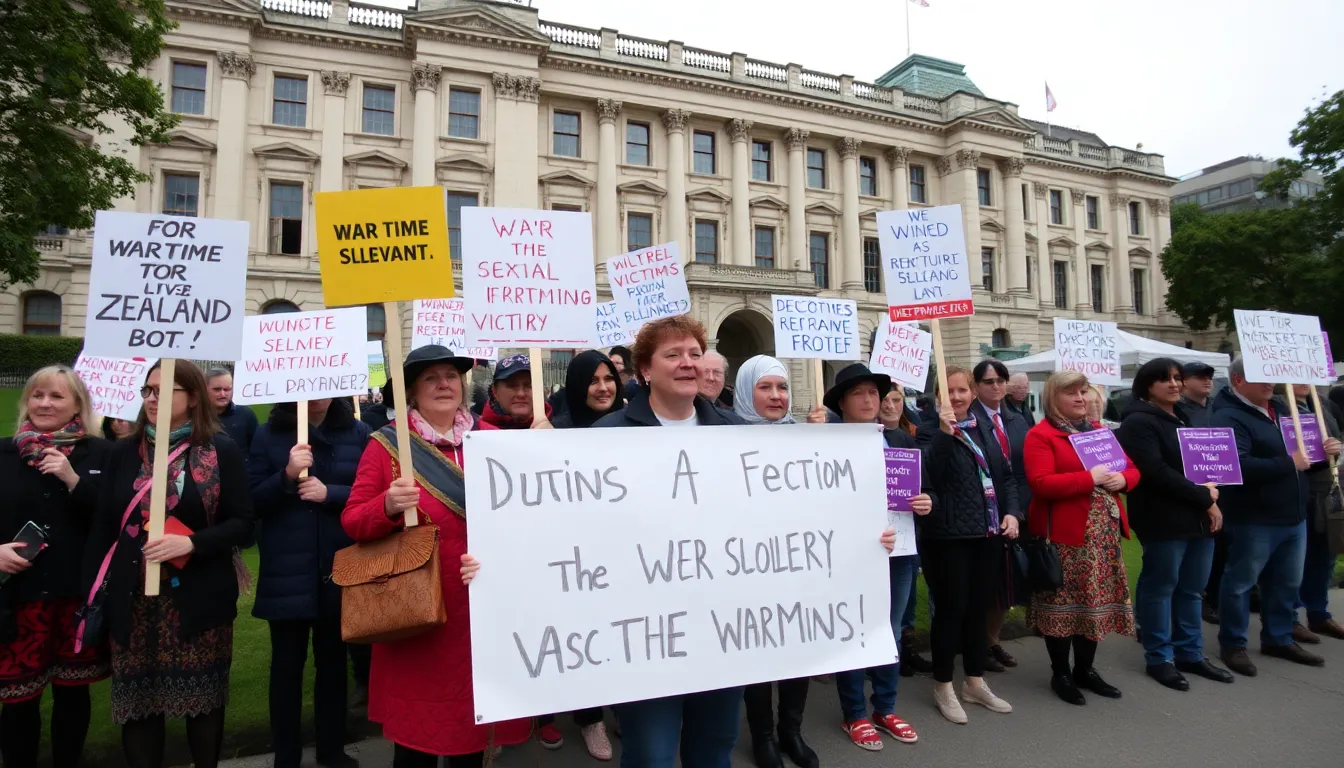
Frequently asked questions about the statue cancellation
A: New Zealand canceled the statue plan after Japan protested, citing concerns over historical accuracy and diplomatic relations.
A: The comfort women issue refers to the women forced into sexual slavery by the Japanese military during World War II, a topic that remains sensitive and controversial.
A: Japan expressed strong objections to the statue, arguing that it could distort historical facts and damage bilateral relations.
A: The cancellation may help ease tensions with Japan, but it also highlights the complexities of addressing historical grievances.
Key takeaways and future implications
The decision by New Zealand to halt the erection of a statue commemorating the women who were forced into sexual slavery during World War II reflects the complexities of historical memory and international relations. This incident underscores the sensitivity surrounding wartime narratives, particularly those involving Japan, and highlights the challenges nations face when addressing historical grievances.
Looking ahead, this situation may influence how countries approach memorialization of contentious historical events. It raises questions about the role of public art in fostering dialogue or exacerbating tensions, and how nations can find common ground in their shared histories.
- The need for careful consideration of historical context when planning public memorials.
- Potential shifts in diplomatic relations between New Zealand and Japan as a result of this incident.
- Increased public discourse on the representation of marginalized historical narratives.
- The importance of community engagement in the decision-making process for public art installations.
- Future memorial projects may require more collaborative approaches to avoid similar controversies.