
As of October 2023, the UK government has announced plans to designate over 200 areas as nature recovery zones by the end of the year. This initiative is expected to involve collaboration between local communities, conservation groups, and government agencies. The focus will be on creating habitats that support native species and improve ecosystem services.
Key stakeholders, including the Wildlife Trusts and the Royal Society for the Protection of Birds (RSPB), are actively participating in this effort. They are working to identify suitable locations and develop management plans that prioritize ecological restoration. The involvement of these organizations underscores the importance of community engagement in achieving successful outcomes.
The establishment of these zones is seen as a critical step towards meeting the UK’s legally binding commitment to protect 30% of its land and sea for nature by 2030, a goal that is becoming increasingly vital in the context of biodiversity loss.
As the initiative progresses, the effectiveness of these recovery zones will be closely monitored. Success will depend not only on the establishment of protected areas but also on ongoing management and support from local communities and policymakers. The outcome of this initiative could set a precedent for similar efforts worldwide, shaping the future of conservation strategies.
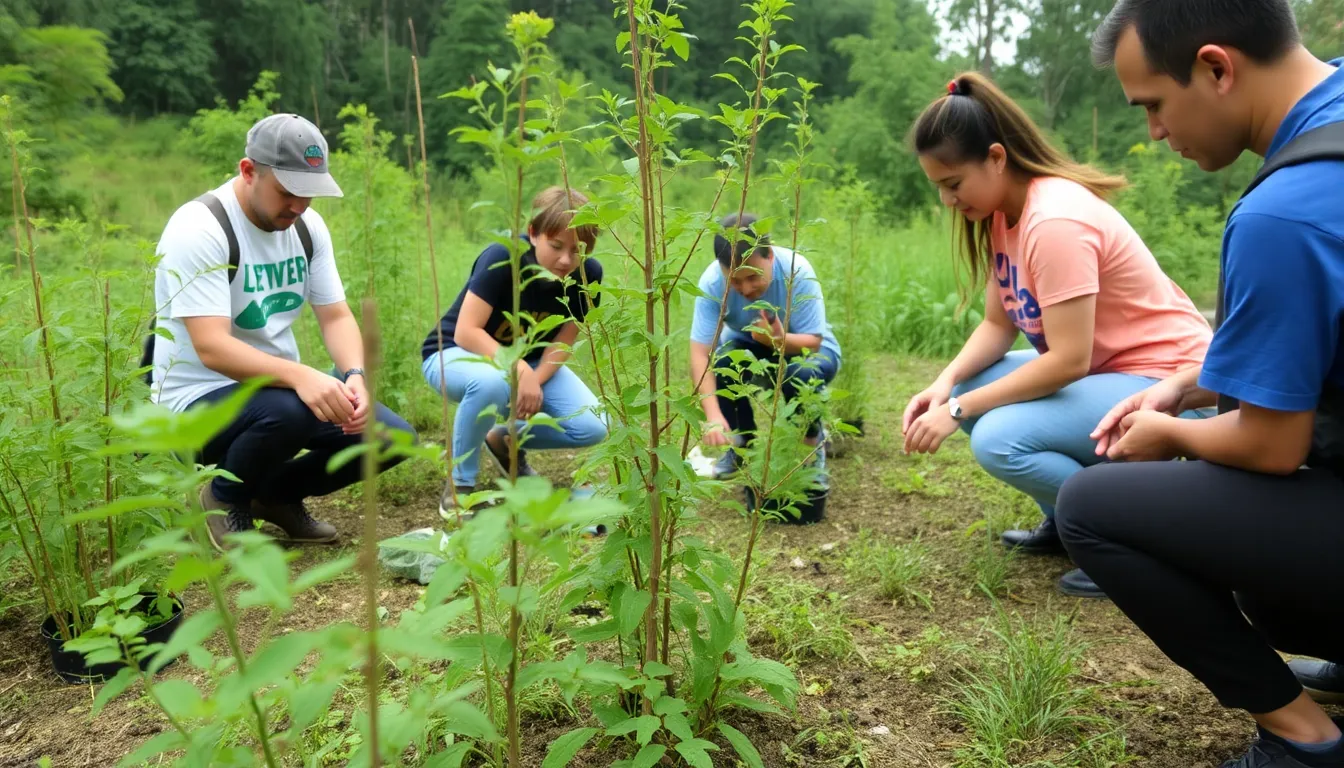
The background and inspiration behind nature recovery zones
Nature recovery zones have emerged as a pivotal concept in the ongoing battle against biodiversity loss and habitat degradation, a conversation greatly influenced by Sir David Attenborough’s documentaries.
Historically, the establishment of protected areas can be traced back to the late 19th and early 20th centuries, with the creation of national parks and wildlife reserves. These efforts were often motivated by a growing recognition of the need to safeguard natural landscapes from industrialization and urban expansion. Over the decades, however, the effectiveness of these protected areas has been challenged by climate change, invasive species, and human encroachment, leading to a call for innovative solutions such as nature recovery zones.
Politically, the push for nature recovery zones aligns with broader environmental policies and international agreements, such as the Convention on Biological Diversity. Governments and organizations are increasingly recognizing that restoring ecosystems is essential not only for wildlife but also for human well-being. Economic considerations have also played a role, with studies showing that investing in nature can yield significant returns through ecosystem services, tourism, and improved public health.
Key milestones in the development of nature recovery zones
One of the key milestones in the nature recovery movement was the 2019 publication of the UK government’s 25 Year Environment Plan, which outlined a vision for enhancing the natural environment. This plan emphasized the importance of creating and maintaining nature recovery networks that connect habitats and promote biodiversity. Additionally, local initiatives and community-led projects have emerged across the globe, showcasing innovative approaches to habitat restoration and conservation, inspired by Attenborough’s advocacy.
As society grapples with the dual crises of climate change and biodiversity loss, nature recovery zones represent a hopeful and proactive step towards healing our planet. By drawing on historical precedents and contemporary insights, these zones aim to create resilient ecosystems that benefit both nature and humanity.
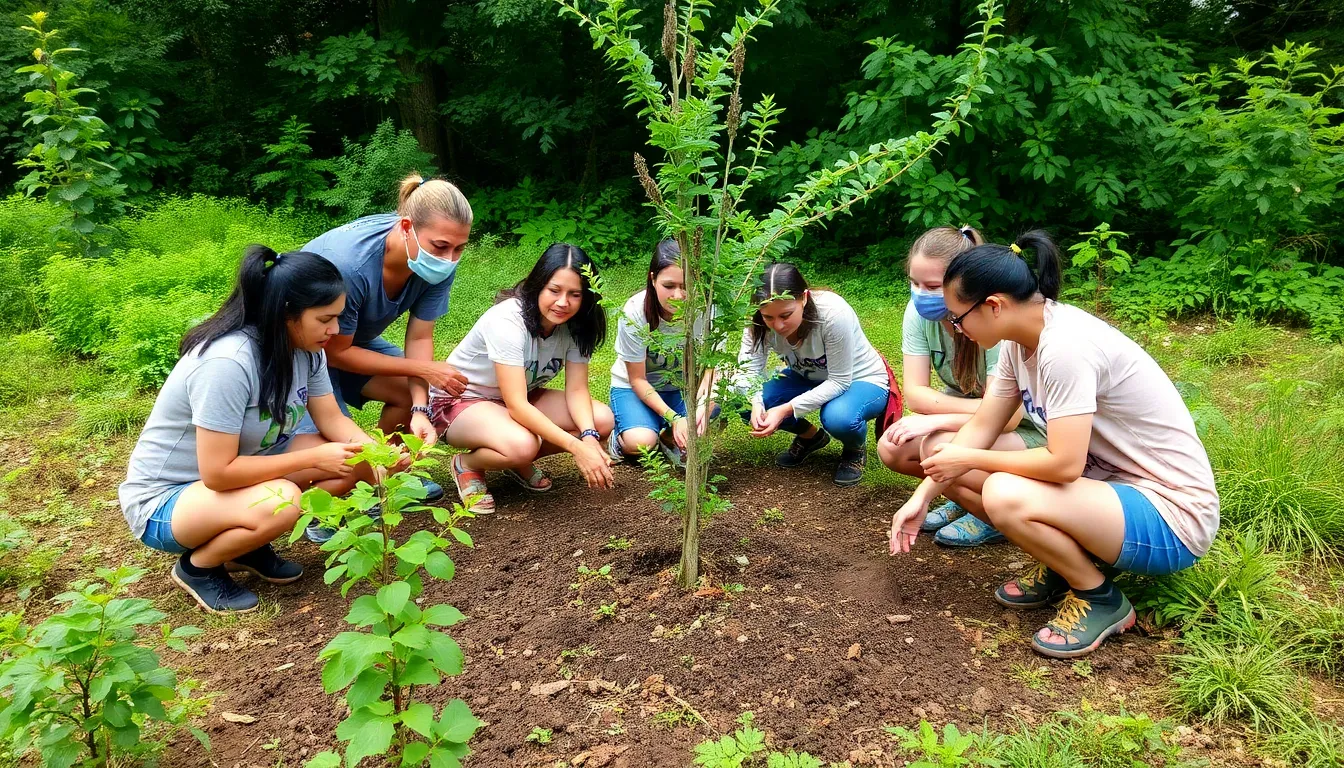
Key stakeholders and issues surrounding nature recovery initiatives
The concept of nature recovery zones, inspired by the influential work of Sir David Attenborough, has garnered attention from various stakeholders, each with distinct interests and motivations. These stakeholders include government bodies, environmental organizations, local communities, and private landowners, all of whom play a crucial role in the implementation and success of these initiatives.
Government entities are often at the forefront of nature recovery efforts, as they are responsible for creating and enforcing policies that promote environmental sustainability. Their interests typically revolve around biodiversity conservation, enhancing public health, and fulfilling international environmental commitments. However, they may face challenges in balancing these goals with economic development and land use policies.
Environmental organizations, such as the World Wildlife Fund and local conservation groups, advocate for the establishment of nature recovery zones, understanding that these initiatives can significantly impact public awareness of environmental issues.
Local communities are vital stakeholders as they often live in or near potential recovery zones. Their interests can vary widely; while some may support conservation efforts for ecological and recreational benefits, others may be concerned about the implications for their livelihoods, particularly in rural areas where agriculture and tourism are key economic drivers. This divergence of interests can lead to tensions that need careful management.
- Conflicts between conservation goals and economic interests: Balancing ecological restoration with local economic needs can lead to disagreements among stakeholders.
- Legal frameworks: Existing land use laws may pose challenges to the establishment of nature recovery zones, requiring amendments or new legislation.
- Funding and resource allocation: Securing financial support for recovery initiatives can be contentious, particularly in times of economic uncertainty.
- Public engagement: Ensuring that local communities are involved in decision-making processes is crucial for the success of these initiatives.
- Long-term sustainability: Evaluating the long-term impacts of nature recovery zones on both the environment and local economies is essential for future planning.
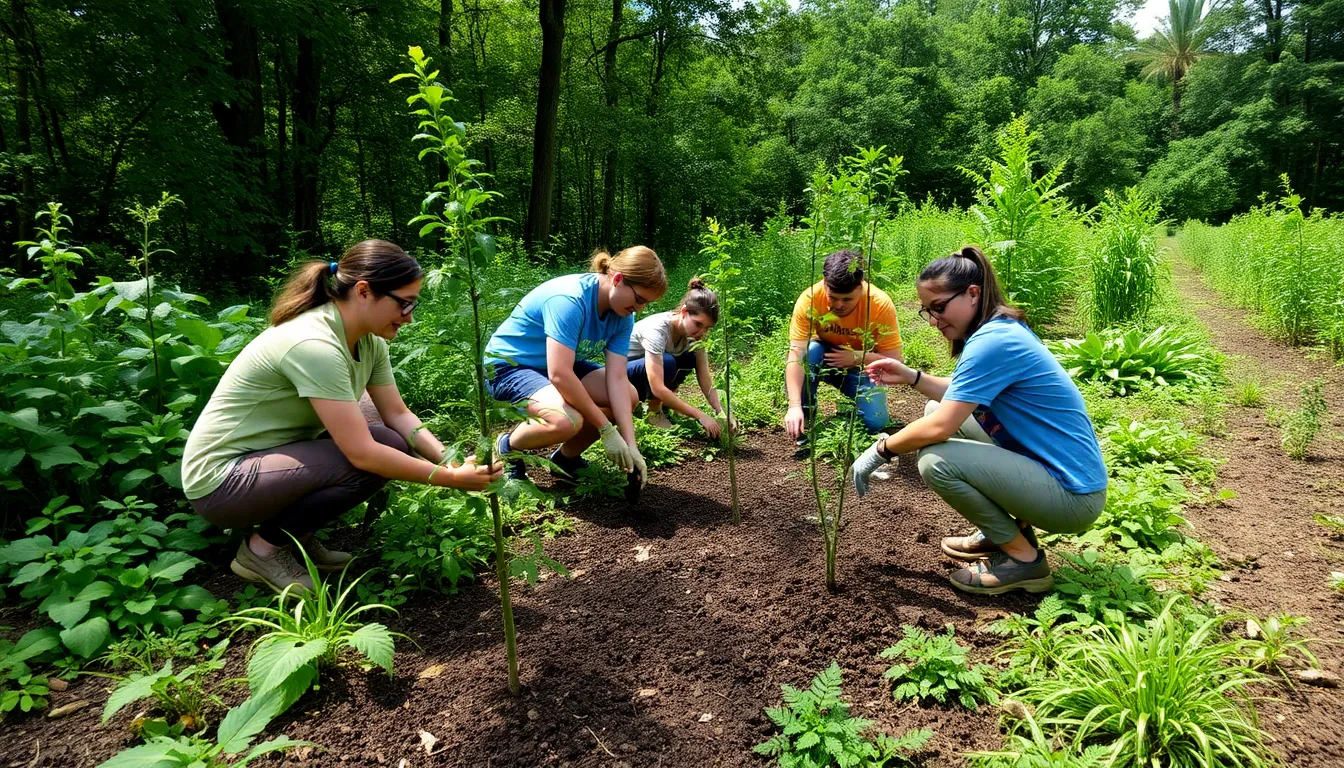
The impact of nature recovery zones on communities and ecosystems
Nature recovery zones, inspired by the vision of David Attenborough, are set to influence various groups and industries across the UK and beyond. Local communities, conservation organizations, and agricultural sectors are among those most affected. Additionally, urban areas adjacent to these zones may experience changes that ripple through their economies and social dynamics.
In the short term, communities may see an increase in local tourism as nature recovery zones attract visitors interested in biodiversity and outdoor activities. This could benefit local businesses, including hotels, restaurants, and shops. However, there may also be disruptions, particularly for farmers and landowners who may face restrictions on land use as conservation efforts take precedence.
Mid-term impacts could involve shifts in policy as governments respond to the success or challenges of these zones. New regulations may emerge to protect these areas, which could affect industries like construction and agriculture. While this may pose risks for certain sectors, it also presents opportunities for innovation in sustainable practices and eco-friendly businesses.
- Potential opportunities: Growth in ecotourism and sustainable agriculture.
- Risks: Economic strain on traditional farming and land-use practices.
- Policy changes: New regulations impacting urban development and land management.
Overall, the establishment of nature recovery zones stands to reshape not just local ecosystems, but also the socio-economic landscape, presenting both challenges and avenues for growth in the coming years.
A: Nature recovery zones are designated areas aimed at restoring and enhancing biodiversity. They provide a habitat for various species and help in ecosystem recovery. A: David Attenborough has been a prominent advocate for environmental conservation, inspiring the establishment of nature recovery zones through his documentaries and speeches. A: Nature recovery zones offer numerous benefits, including improved biodiversity, enhanced ecosystem services, and increased resilience against climate change. A: Management of nature recovery zones typically involves collaboration between government agencies, local communities, and conservation organizations. A: Yes, individuals can participate through volunteering, supporting local conservation initiatives, and advocating for policies that promote biodiversity.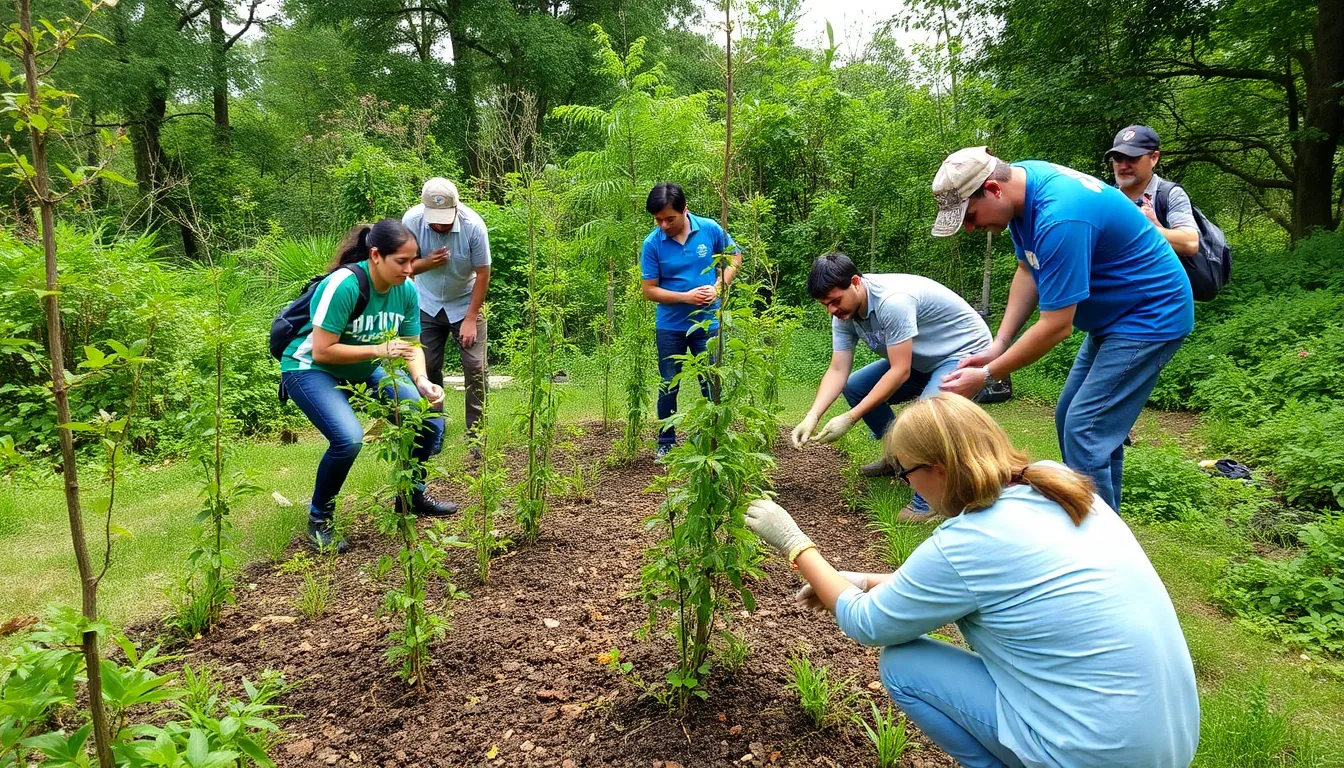
Frequently asked questions about nature recovery zones
Key insights and future outlook on nature recovery zones
The initiative to establish nature recovery zones, inspired by Sir David Attenborough, presents a transformative approach to biodiversity conservation. These zones not only aim to restore ecosystems but also serve as a blueprint for integrating ecological health into community planning and development. As awareness grows, the potential for collaboration among local governments, conservation organizations, and communities becomes increasingly vital.
Looking ahead, the success of these recovery zones will depend on effective management strategies, public engagement, and the ability to adapt to changing environmental conditions. Monitoring progress and sharing best practices will be essential to ensure these initiatives achieve their intended ecological benefits.
- Collaboration between stakeholders can enhance the effectiveness of nature recovery zones.
- Public education and involvement are crucial for fostering a sense of ownership and responsibility towards local ecosystems.
- Adaptive management practices will be necessary to respond to environmental changes and challenges.
- Long-term funding and support will be essential to sustain recovery efforts and monitor outcomes.
- Data-driven approaches can help measure the success of these zones and guide future conservation efforts.