
The sentencing comes after a jury found Mystikal guilty of first-degree rape, a charge that carries severe penalties under Louisiana law. The trial highlighted the details of the incident, with the prosecution presenting evidence that led to the jury’s decision. Mystikal’s legal team argued for a lighter sentence, but the court ultimately decided on the maximum term, reflecting the gravity of the crime.
This case is particularly noteworthy not only because of Mystikal’s celebrity status but also due to its implications for discussions around sexual violence and accountability in the entertainment industry. Similar high-profile cases have sparked conversations about the treatment of sexual assault survivors and the importance of bringing perpetrators to justice.
As Mystikal begins his sentence, the effects of this ruling extend beyond the courtroom, affecting his career and the broader cultural landscape. The rapper, who rose to fame in the late 1990s and early 2000s, now faces a significant setback as he serves time for his actions. This situation raises questions about rehabilitation and the possibility of redemption for artists with troubled pasts.
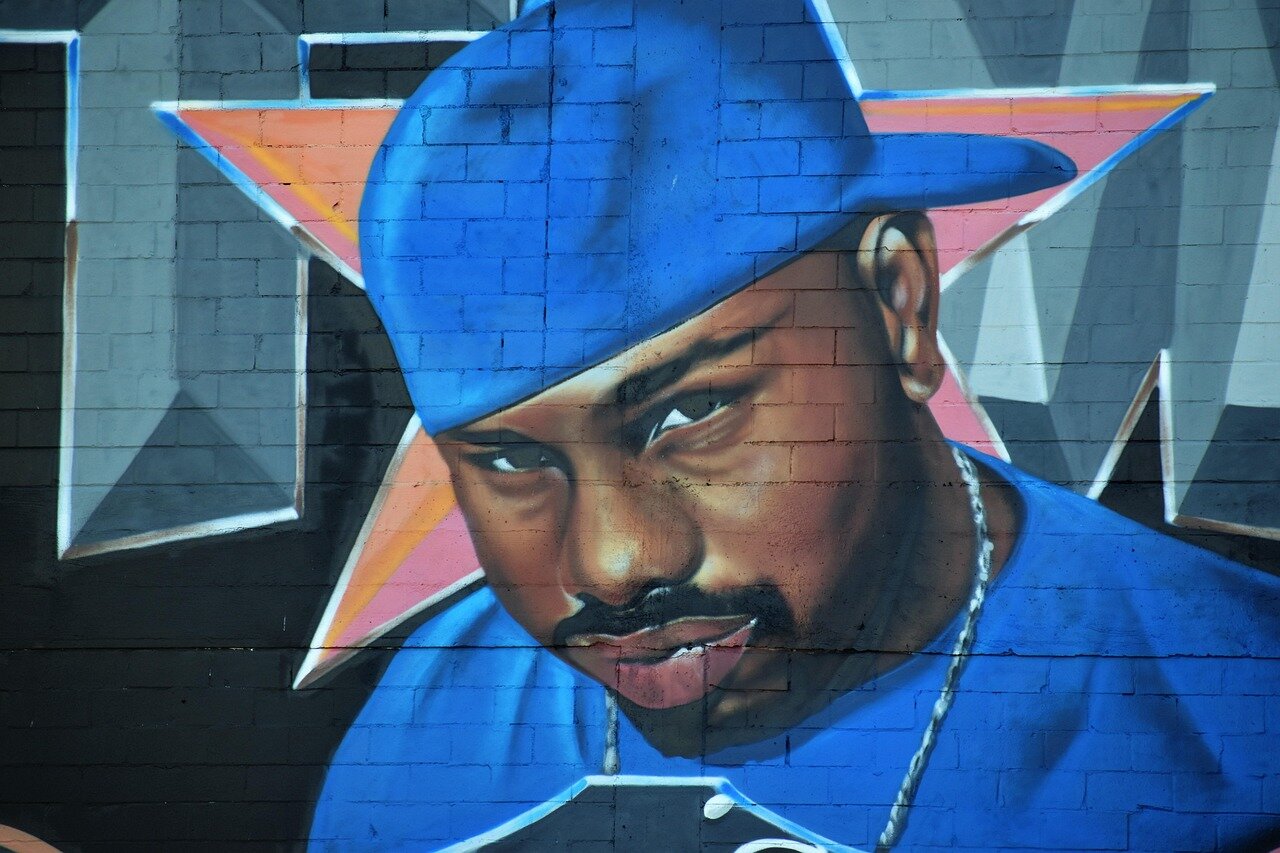
Understanding the background of Mystikal’s legal troubles
Rapper Mystikal, a prominent figure in the hip-hop scene since the late 1990s, has faced numerous legal challenges throughout his career. His recent sentencing to 20 years in prison for rape marks another chapter in a troubling history of legal issues that have overshadowed his musical achievements. Born Michael Lawrence Tyler in New Orleans, Mystikal rose to fame with hits like “Shake Ya Ass” and “Danger,” but his career has been marred by his repeated encounters with the law.
The legal troubles began in 2003 when Mystikal was convicted of sexual battery and extortion, resulting in a six-year prison sentence. This conviction not only impacted his career but also set a precedent for how the music industry and fans perceived him. The stigma of his past crimes followed him, complicating his attempts at a comeback after his release in 2010.
In recent years, the issue of sexual violence, particularly within the entertainment industry, has gained significant attention. Mystikal’s case fits into this broader societal context, where the legal system’s handling of sexual assault cases is under scrutiny, reinforcing the importance of accountability.
Key milestones in Mystikal’s legal history
Throughout his career, Mystikal has encountered various legal issues that have shaped public perception. After his initial release in 2010, he attempted to re-enter the music scene, collaborating with notable artists and releasing new material. However, his past continued to haunt him, as evidenced by his 2021 arrest on charges of first-degree rape and simple robbery. This arrest led to a renewed examination of his history and the implications of his actions, culminating in the recent sentencing that further solidifies his complicated legacy within the music industry.

Analyzing the implications of Mystikal’s conviction on his career and the music industry
The sentencing of rapper Mystikal to 20 years in prison for rape has significant ramifications not only for his personal life but also for the broader music industry. As a prominent figure in hip-hop, his legal troubles highlight ongoing issues related to sexual violence, accountability, and the treatment of artists within the entertainment sector.
Key stakeholders in this situation include the victim, the legal system, Mystikal himself, his fans, and the music industry at large. Each party has distinct interests: the victim seeks justice and closure, the legal system aims to uphold the law and deter future crimes, while Mystikal’s interests revolve around his career and personal freedom. The music industry faces the challenge of reconciling its commercial interests with social responsibility.
- Impact on Mystikal’s Career: This conviction could effectively end Mystikal’s career, as public perception and industry support may wane.
- Industry Reactions: Record labels and fellow artists may need to reassess their collaborations and support for artists with legal issues related to violence.
- Victim Advocacy: The case may encourage greater advocacy for victims of sexual violence, influencing how such cases are reported and handled in the future.
- Legal Precedents: The outcome of this case could set important legal precedents regarding sexual assault cases involving public figures.
- Public Discourse: This situation may spark broader discussions about misogyny and accountability within the hip-hop community.
As Mystikal’s case unfolds, it serves as a reflection of the complexities surrounding fame, accountability, and the music industry’s role in addressing serious social issues. The long-term effects of this conviction will likely resonate beyond the courtroom, shaping conversations about ethics and responsibility in entertainment.
The impact of Mystikal’s sentencing on victims and the hip-hop community
The sentencing of rapper Mystikal to 20 years in prison for rape has significant implications for various groups, particularly victims of sexual violence and the hip-hop community. Victims may feel a sense of validation that justice can be served, reflecting a cultural shift towards support for survivors.
Within the hip-hop community, Mystikal’s case highlights ongoing issues related to misogyny and accountability in the industry. Artists and fans alike may be prompted to engage in discussions about consent, respect, and the treatment of women in music and culture. This could lead to a cultural shift, where artists are more mindful of their lyrics and actions, fostering a safer environment for all.
In the short term, the case may lead to increased scrutiny of other artists and their past behaviors, resulting in a ripple effect across the industry. Record labels and promoters might implement stricter policies regarding artists’ conduct, which could impact bookings and collaborations. Additionally, there may be a rise in campaigns advocating for sexual assault awareness and prevention, further influencing public perception and industry standards.
- Victims: Increased support and validation for survivors of sexual violence.
- Hip-hop Community: Potential cultural shift towards accountability and respect.
- Business Impact: Stricter policies from record labels and promoters.
- Awareness Campaigns: Growth in initiatives focused on sexual assault prevention.
In the mid-term, the repercussions of Mystikal’s sentencing may lead to a broader examination of the hip-hop culture and its portrayal of women. This could open doors for more female artists and advocates to voice their perspectives, reshaping the narrative within the genre. Furthermore, brands and sponsors may reassess their partnerships with artists who have controversial pasts, leading to potential opportunities for those who promote positive messages and inclusivity.
A: Mystikal was convicted of rape and related charges stemming from an incident that occurred in 2020. A: Mystikal has been sentenced to 20 years in prison as a result of his conviction. A: The public reaction has been mixed, with some supporting the legal outcome while others express disappointment over the situation. A: This conviction and sentencing could significantly hinder Mystikal’s career prospects and public image moving forward. A: Mystikal’s legal team may consider appealing the verdict or seeking a reduced sentence in the future.
Frequently Asked Questions about Mystikal’s case
Key takeaways and future outlook on Mystikal’s situation
The sentencing of rapper Mystikal to 20 years in prison for his involvement in a rape case marks a significant moment in the ongoing discourse surrounding accountability in the music industry. This case not only highlights the legal repercussions of such actions but also reflects a broader societal shift towards addressing sexual violence more seriously. As the music community grapples with this incident, it is crucial to consider the implications for both the artist’s career and the industry as a whole.
Moving forward, stakeholders in the music industry, including artists, labels, and fans, will need to engage in meaningful conversations about consent, respect, and the consequences of harmful behavior. The outcome of this case may serve as a precedent for how similar cases are handled in the future, emphasizing the need for a culture that prioritizes safety and accountability.
- The case underscores the importance of addressing sexual violence within the entertainment industry, prompting a reevaluation of how artists are held accountable for their actions.
- Future artists may face increased scrutiny regarding their behavior, influencing public perception and career longevity.
- This incident could lead to more robust policies within record labels and entertainment companies aimed at preventing and responding to allegations of misconduct.
- Fans and the public may become more vocal about their expectations for artists, potentially affecting the support and platforms available to those accused of serious offenses.
- The legal outcomes of such cases may inspire legislative changes aimed at better protecting victims and ensuring justice is served.