
The crossover sets are set to be released in early 2024, with the Marvel-themed cards expected to draw in fans of comics and superhero films, while the ‘Hobbit’ set aims to attract those who appreciate fantasy literature. This strategic move is seen as an effort to broaden the game’s appeal and engage a wider audience, particularly younger players who may be more familiar with these franchises.
Key figures in the development of these sets, including lead designer Mark Rosewater, emphasized the importance of maintaining the integrity of both Magic: The Gathering and the franchises involved. By carefully integrating characters like Spider-Man and Gandalf into the game mechanics, the creators aim to provide a unique gaming experience that resonates with fans of both worlds.
This initiative not only highlights the ongoing evolution of Magic: The Gathering but also reflects a growing trend in the gaming industry where crossovers are becoming increasingly popular. As more franchises collaborate, the potential for innovative gameplay and storytelling expands, promising an exciting future for both Magic and its new partners.
Understanding the significance of crossover sets in gaming
Crossover sets in gaming have become a notable trend that reflects the blending of popular culture with traditional gameplay. This phenomenon is not new; it has roots in various forms of media where franchises intersect to create unique experiences for fans. The recent unveiling of ‘Magic: The Gathering’ (MTG) crossover sets featuring Marvel Super Heroes and ‘The Hobbit’ marks a significant moment in the evolution of tabletop games, showcasing how intellectual properties can enhance engagement and broaden audience reach.

The history of crossover collaborations in gaming can be traced back to the early 2000s, when companies began to experiment with merging different universes to attract diverse fanbases. For instance, the success of games like ‘Super Smash Bros.’ introduced players to characters from various franchises, leading to increased interest in both the game and the original properties. This paved the way for card games like MTG to explore similar avenues, allowing players to interact with beloved characters in new contexts. Such trends also highlight the growing need for innovative content in gaming, as explored in recent discussions on media collaborations.
Economically, the integration of popular franchises into gaming has proven lucrative. The appeal of well-known characters can drive sales and increase player engagement, as fans are often willing to invest in products that feature their favorite heroes or stories. The collaboration between MTG and Marvel, as well as the adaptation of ‘The Hobbit,’ is expected to attract not only dedicated MTG players but also Marvel enthusiasts and fans of Tolkien’s work, thereby expanding the market significantly.
The impact of cultural trends on gaming
The rise of streaming platforms and online gaming communities has further accelerated the demand for crossover content. Social media and streaming services allow fans to share their experiences, creating a buzz around new releases and fostering a sense of community. As a result, gaming companies are increasingly recognizing the importance of cultural relevance, leading to strategic partnerships that resonate with contemporary audiences. The MTG crossover sets are a prime example of this trend, tapping into the existing fanfare surrounding Marvel and ‘The Hobbit’ to create a compelling product that appeals to a broad demographic, especially as collaborative efforts in various sectors continue to expand.
Key stakeholders and their interests in the new sets
The unveiling of new crossover sets featuring Marvel Super Heroes and ‘The Hobbit’ in Magic: The Gathering has generated significant interest among various stakeholders. These include game developers, fans, retailers, and intellectual property holders, each with distinct interests and concerns regarding the new offerings.
Wizards of the Coast, the publisher of Magic: The Gathering, is a primary stakeholder. Their interest lies in expanding the game’s appeal and driving sales through innovative collaborations. By integrating popular franchises like Marvel and ‘The Hobbit’, they aim to attract new players while retaining existing ones. This strategy not only boosts revenue but also enhances brand visibility in a competitive market.
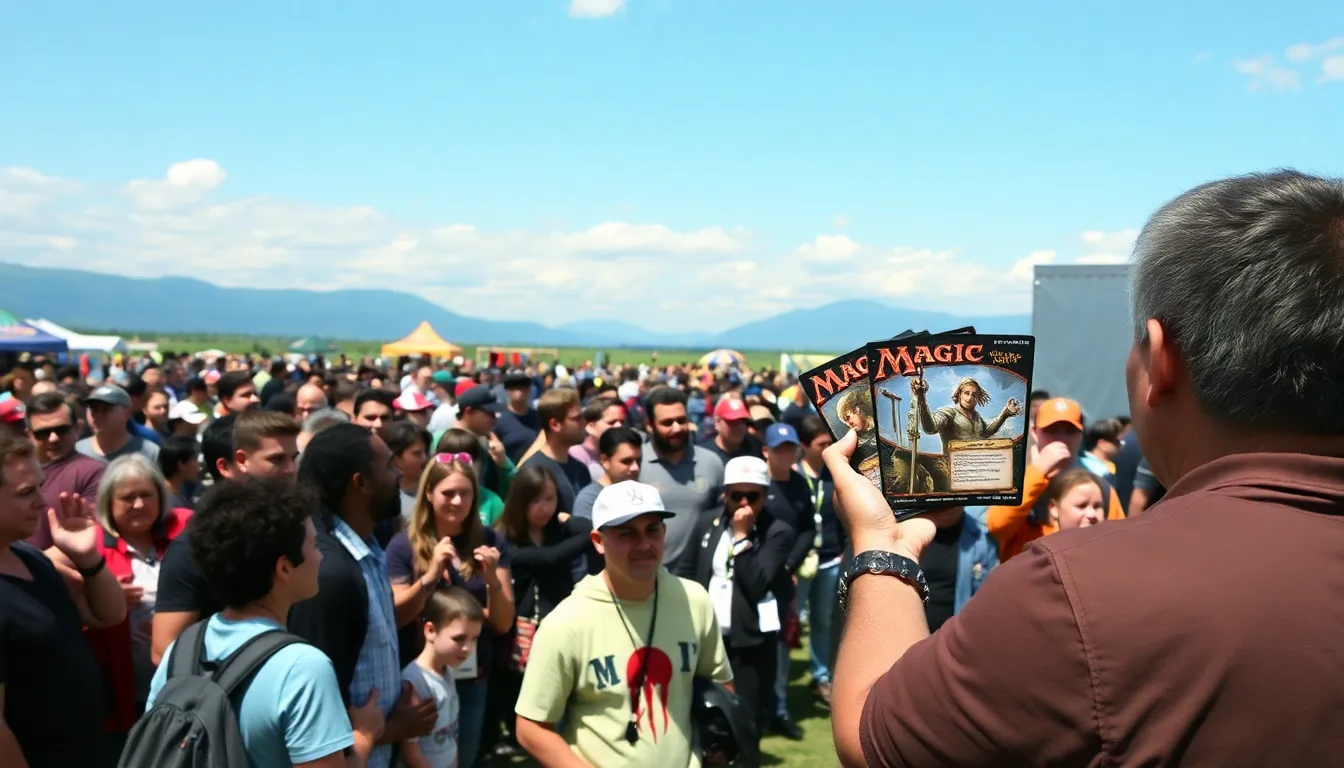
Another crucial group is the fanbase of Magic: The Gathering, who have varied reactions to these new sets. While many fans are excited about the potential for new gameplay dynamics and unique card designs, others may express concerns about the dilution of the game’s original themes and mechanics. Balancing these interests presents a challenge for the developers.
Retailers also play a significant role in this ecosystem. Their interest centers on the profitability of these new sets. Successful launches can lead to increased foot traffic and sales, but retailers must also navigate the complexities of inventory management and customer demand. Additionally, they may face competition from online platforms that can offer lower prices.
Finally, the intellectual property holders of Marvel and ‘The Hobbit’ have vested interests in how their brands are represented in the game. They seek to ensure that the crossover maintains the integrity and appeal of their franchises while generating revenue through licensing agreements. This can lead to conflicts regarding creative direction and brand alignment.
- Wizards of the Coast aims to boost sales and brand visibility.
- Fans have mixed feelings about gameplay changes and thematic integrity.
- Retailers focus on profitability and managing customer demand.
- Intellectual property holders want to protect brand integrity while monetizing collaborations.
- Potential legal issues may arise from licensing agreements and brand representation.
Potential impact on fans and the gaming market
The unveiling of new Marvel Super Heroes and ‘The Hobbit’ crossover sets in Magic: The Gathering is set to affect a diverse range of groups, including long-time fans of both franchises, casual gamers, and collectors. The intersection of these popular universes is likely to attract new players while retaining the loyalty of existing fans, creating a surge in interest across the gaming community.
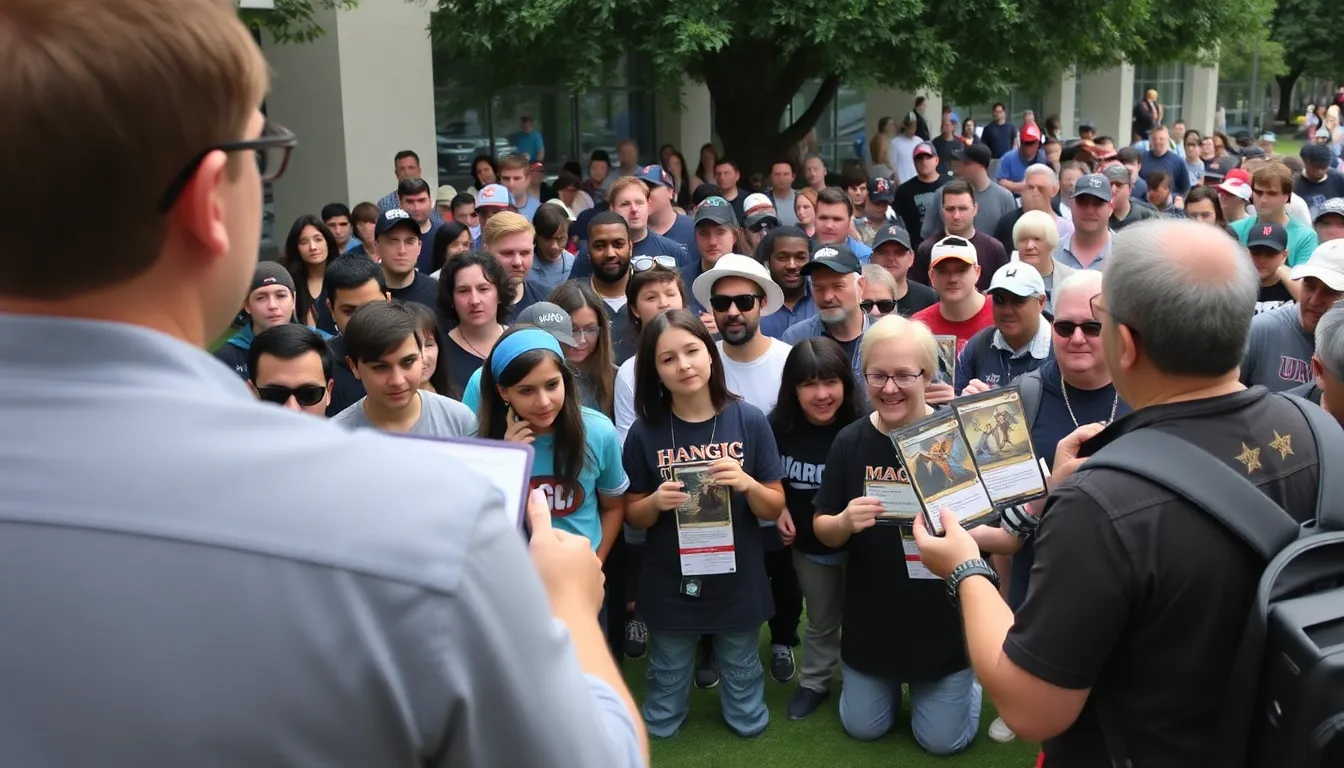
In the short term, retailers and local game stores may experience an uptick in sales as fans rush to purchase the new sets. This could lead to increased foot traffic and engagement in gaming events, fostering a sense of community among players. However, there is also the risk of over-saturation in the market, which could lead to diminished interest in future expansions if not managed carefully.
In the mid-term, the collaboration may influence business strategies within the gaming industry, prompting other companies to explore similar crossovers. This could lead to a trend where franchises collaborate more frequently, creating a competitive landscape that benefits consumers through diverse offerings. However, it may also result in challenges for smaller companies that struggle to compete with the marketing power of established franchises.
- Increased sales for retailers and local game stores.
- Potential for market over-saturation, affecting future expansions.
- New business strategies within the gaming industry, encouraging more crossovers.
- Challenges for smaller companies in competing with larger franchises.
Overall, while the new sets promise excitement and engagement for fans, they also present a complex landscape of opportunities and risks that will shape the future of both Magic: The Gathering and the broader gaming market.
A: The new crossover sets are expected to be released in early 2024, with specific dates to be announced soon. A: Yes, the crossover sets will feature both original Magic characters and iconic figures from Marvel and The Hobbit. A: The crossover sets are designed to enhance gameplay by introducing unique mechanics and interactions between characters from different universes. A: Yes, there will be special editions and collector’s items available for fans, including limited edition cards and merchandise. A: Pre-orders will be available through select retailers and the official Magic The Gathering website closer to the release date.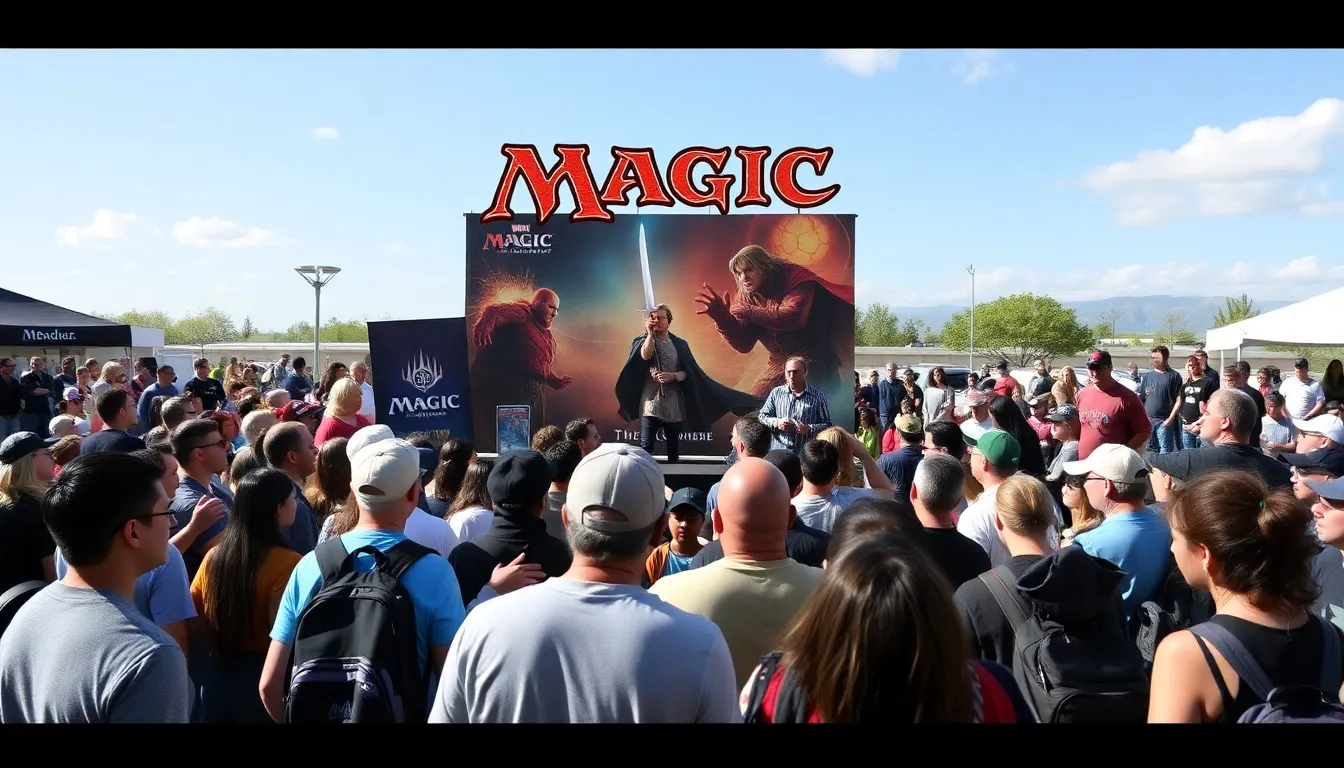
Frequently asked questions about the new crossover sets
Looking ahead at the future of Magic The Gathering
The recent unveiling of crossover sets featuring Marvel Super Heroes and ‘The Hobbit’ marks a significant evolution in the Magic: The Gathering universe. This strategic move not only broadens the appeal of the game to new audiences but also deepens the engagement of existing fans by merging beloved franchises with the intricate gameplay of Magic. The implications of these collaborations extend beyond mere novelty, hinting at a future where cross-genre interactions become a staple in collectible card games.
As players and collectors digest this new direction, it will be essential to monitor how these crossover sets influence gameplay dynamics, community engagement, and market trends. The integration of iconic characters and narratives could lead to innovative gameplay mechanics and storytelling opportunities, potentially reshaping the landscape of Magic: The Gathering as it continues to evolve.
- Expect an influx of new players drawn in by the Marvel and Hobbit franchises, which could diversify the game’s community.
- Watch for potential shifts in gameplay strategies as new mechanics inspired by these universes are introduced.
- Anticipate increased interest in collectible value as unique cards from these crossover sets emerge in the market.
- Consider the impact on future expansions and collaborations, as success in this venture may encourage more partnerships with popular franchises.