
This year’s monsoon is particularly important as it follows a period of drought in some areas, which has raised concerns about food security. Farmers are relying on this rainfall to replenish reservoirs and support crop growth, especially for rice and other staple foods. The government of India has launched initiatives to monitor water levels and provide assistance to farmers affected by erratic weather patterns.
However, the heavy rains have also led to adverse effects, including flooding and landslides in certain regions. In Bangladesh, authorities have issued warnings as rivers swell, threatening low-lying communities. Emergency services are on high alert, and evacuations have begun in vulnerable areas to mitigate potential disasters.
International agencies are closely monitoring the situation, recognizing the monsoon’s dual role in both supporting agriculture and posing risks to infrastructure and safety. The ongoing weather patterns are being analyzed to assess their impact on regional economies and humanitarian needs, especially as climate change continues to influence weather variability in the region.
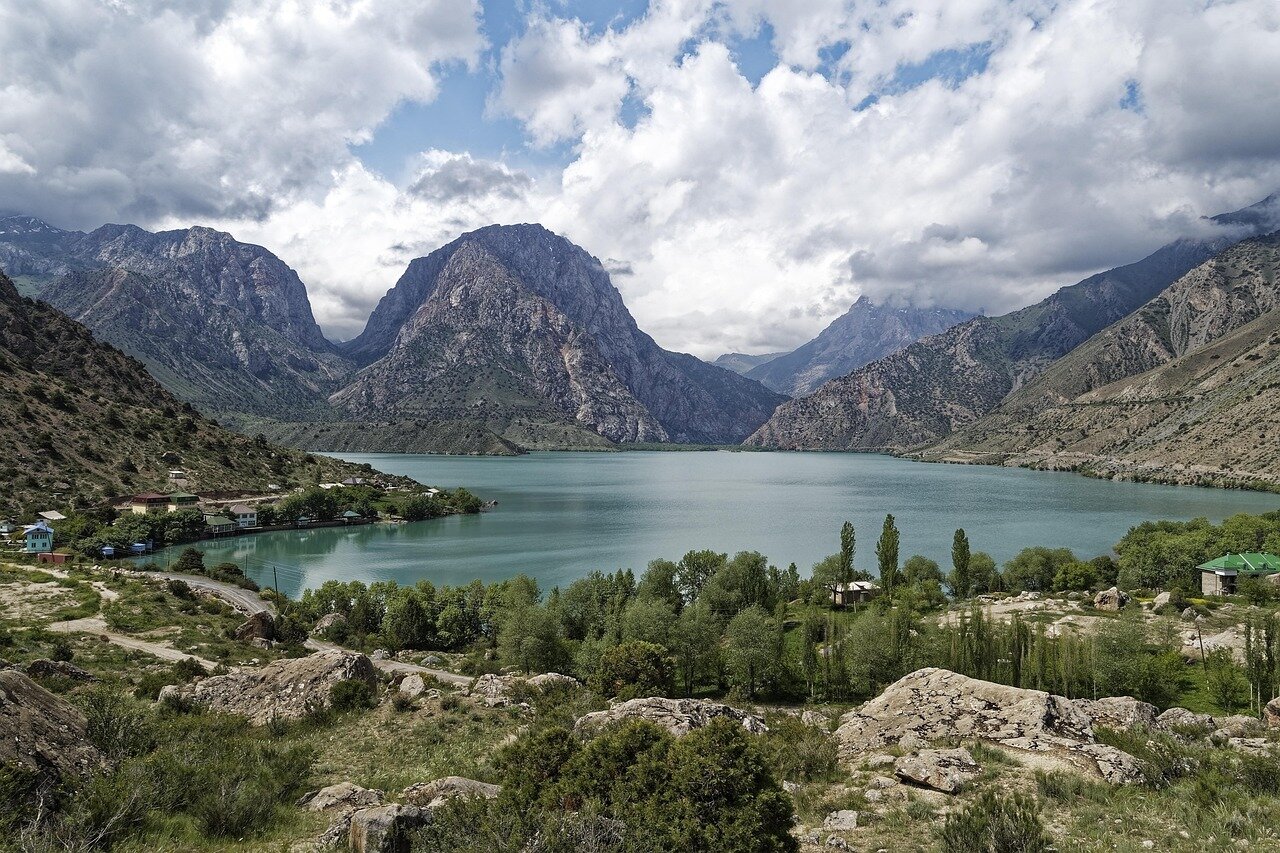
Understanding the significance of monsoon rains in Asia
The monsoon season, which typically occurs from June to September, is a critical period for many regions in Asia, particularly South Asia and Southeast Asia. This seasonal weather pattern is characterized by heavy rainfall that replenishes water supplies, supports agriculture, and sustains the livelihoods of millions. Historically, the monsoon has been a cornerstone of agricultural practices, especially in countries like India, Bangladesh, and Myanmar, where rice and other staple crops depend heavily on these rains.
Over the centuries, the timing and intensity of monsoon rains have shaped societal structures and economic stability in the region. For instance, the Indian economy, which is predominantly agrarian, relies on the monsoon for approximately 60% of its annual rainfall. A good monsoon season can lead to bountiful harvests, while a poor one can result in drought, food shortages, and economic hardship. This dependency has led to the establishment of various agricultural policies aimed at maximizing the benefits of the monsoon.
Historical Context of Monsoon Patterns
Historically, the variability of monsoon patterns has also influenced migration and settlement patterns across Asia. During periods of intense drought or flooding, populations have been forced to relocate, leading to urbanization in search of better opportunities. Major cities like Mumbai and Dhaka have seen significant population growth as rural inhabitants migrate to urban areas during adverse weather conditions. This urbanization, however, has also led to challenges such as overcrowding and inadequate infrastructure.
In recent decades, climate change has begun to alter traditional monsoon patterns, causing increased unpredictability in rainfall. This has raised concerns about food security and economic stability in the region. The rise in extreme weather events, such as intense rainfall followed by prolonged dry spells, has prompted governments and organizations to invest in better weather forecasting and disaster management systems to mitigate the impacts of these changes.

As countries in Asia continue to navigate the complexities of monsoon season, understanding its historical significance and the socio-economic dynamics at play is essential. The interplay between natural weather patterns and human activity will remain a critical area of focus for policymakers and communities alike as they work to adapt to a changing climate.
Key stakeholders and issues related to the monsoon impact
The monsoon season in Asia is a critical period that significantly influences the livelihoods of millions. Key stakeholders include local farmers, governments, non-governmental organizations (NGOs), and international aid agencies. Each of these actors has distinct interests that can sometimes conflict or align, depending on the outcomes of the seasonal rains.
Farmers are among the most directly affected by the monsoon rains. Their primary interest lies in securing adequate rainfall to ensure crop yields and sustain their livelihoods. However, excessive rainfall can lead to flooding, damaging crops and infrastructure, which creates a precarious balance for these stakeholders.
Governments play a crucial role in managing the impacts of the monsoon, often tasked with disaster preparedness and response. Their interests include maintaining public safety, ensuring food security, and managing economic stability. Conflicts may arise when government resources are stretched thin due to competing demands from other sectors, such as health or education, especially in regions prone to severe weather events.

- NGOs focus on humanitarian aid and disaster relief, advocating for vulnerable populations affected by monsoon-related disasters.
- International aid agencies may provide financial assistance or technical support, but their involvement can lead to dependency issues.
- Legal frameworks regarding land use and water management can create trade-offs between agricultural needs and environmental sustainability.
- Economic implications include the potential for increased food prices due to crop failures, impacting both local economies and global markets.
In summary, the interplay between these stakeholders reveals a complex web of interests and challenges. The varying impacts of the monsoon season highlight the need for coordinated efforts to balance agricultural productivity, disaster management, and economic stability across the region.
Effects of monsoon rains on communities and economies
The onset of the monsoon season in Asia brings significant rainfall that affects various groups and industries across the region. Farmers, urban dwellers, and businesses in sectors such as agriculture, construction, and transportation are particularly impacted. The heavy rains can lead to both beneficial and adverse outcomes, depending on the preparedness of the communities and the infrastructure in place.
In the short term, agricultural communities benefit from the replenishment of water supplies essential for crop growth. This influx of rainwater can enhance yields for staple crops like rice and wheat, directly impacting food security and local economies. However, excessive rainfall can also lead to flooding, which poses a risk to crops and can devastate farmland, leading to potential losses for farmers and increased food prices.
Urban areas face a dual impact from monsoon rains. On one hand, the rains can alleviate water shortages and improve water quality. On the other hand, inadequate drainage systems can result in severe flooding, disrupting daily life and causing damage to infrastructure. Businesses may experience interruptions in operations, leading to economic losses and delays in supply chains.

In terms of policy implications, governments may need to allocate resources for disaster management and infrastructure improvements to mitigate the risks associated with monsoon rains. This can create opportunities for investment in sustainable infrastructure projects that enhance resilience against climate-related challenges.
- Short-term benefits: Increased agricultural yields and improved water supply.
- Short-term risks: Flooding and crop damage.
- Mid-term impacts: Economic disruptions and potential policy shifts toward infrastructure investment.
- Opportunities: Investment in sustainable practices and disaster preparedness.
A: The monsoon season refers to the annual rainy season in South Asia, characterized by heavy rainfall due to seasonal wind patterns. It typically occurs from June to September. A: The monsoon provides vital water for crops, making it essential for agricultural productivity in many Asian countries. Adequate rainfall can lead to bountiful harvests, while insufficient rain can cause drought. A: Regions such as India, Bangladesh, and parts of Southeast Asia are significantly affected by the monsoon, relying on its rains for water supply and agriculture. A: Yes, while the monsoon is crucial for water supply, it can also lead to flooding, landslides, and damage to infrastructure, posing risks to communities. A: Communities can prepare by ensuring proper drainage systems, creating emergency plans, and staying informed about weather forecasts to mitigate potential risks.
Frequently asked questions about the monsoon season
Key points and outlook for the monsoon season ahead
The arrival of the monsoon season has brought much-needed rainfall to various regions in Asia, impacting agriculture, water supply, and local economies. As these patterns continue to develop, monitoring rainfall distribution and its effects on crop yields will be essential for farmers and policymakers alike. The interplay between climate variability and monsoon patterns will also warrant close attention, as it may influence future weather events and agricultural planning.
Looking ahead, stakeholders should prepare for both the opportunities and challenges presented by the monsoon. Effective water management strategies, early warning systems for extreme weather, and adaptive agricultural practices will be crucial in maximizing the benefits of the rains while mitigating potential risks.
- Water resource management: Increased rainfall can replenish water supplies, but efficient management is essential to prevent flooding and ensure sustainable use.
- Agricultural adaptations: Farmers should consider diversifying crops and employing resilient farming techniques to cope with variable rainfall patterns.
- Climate monitoring: Continuous observation of weather patterns can aid in predicting future monsoon behavior and its impacts on local economies.
- Community preparedness: Local governments and communities must work together to establish response plans for extreme weather events linked to monsoon variability.