
Critics have noted that while the performances of Cotillard and Ménochet elevate the material, the film’s pacing and length have been points of contention. For more on the challenges of modern filmmaking, check out our article on In the Grey Review featuring Jake Gyllenhaal and Henry Cavill. With a runtime exceeding two hours, many viewers feel that the film could benefit from tighter editing to enhance its impact. This has led to mixed reviews across various platforms.
The film premiered at the Cannes Film Festival in May 2023, where it received a divided response from festival-goers. Some praised the film’s bold themes and character complexity, while others criticized its execution and perceived melodrama. This dichotomy reflects broader trends in contemporary cinema, where audience expectations often clash with artistic ambitions.
As ‘Karma’ continues to roll out in theaters worldwide, its box office performance is being closely monitored. The film’s ability to attract viewers despite its polarizing reception will be a key indicator of its success in a competitive market. With awards season approaching, the performances of Cotillard and Ménochet may still garner significant recognition, regardless of the film’s overall reception.
Background on Guillaume Canet’s Directorial Style
Guillaume Canet has established himself as a prominent figure in French cinema, known for his ability to blend genres and create narratives that often delve into the complexities of human relationships. His directorial style is characterized by a keen attention to character development and a willingness to explore darker themes, often set against the backdrop of contemporary societal issues. Canet’s films frequently reflect his personal experiences and observations, allowing him to craft stories that resonate with audiences on multiple levels.
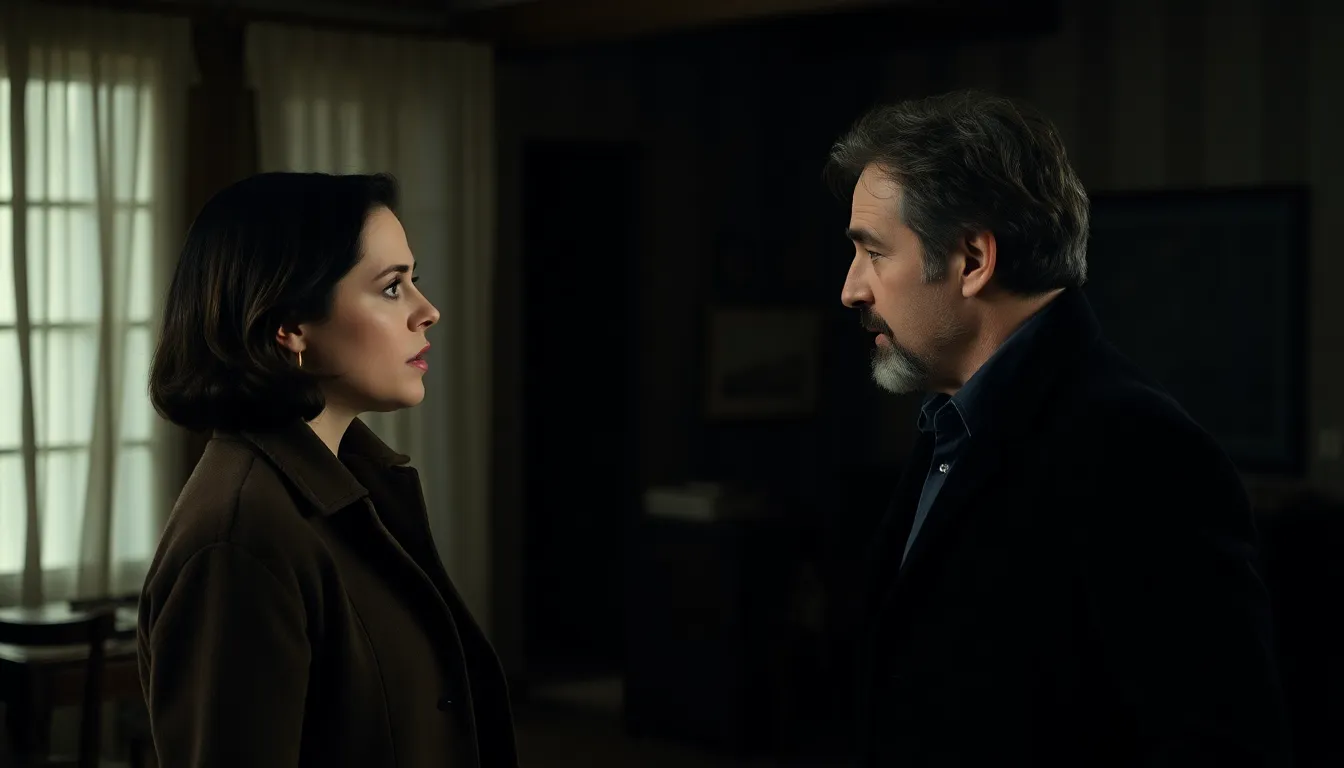
Canet’s earlier works, such as “Tell No One” and “Little White Lies,” garnered critical acclaim for their intricate plots and strong performances. If you’re interested in another intriguing narrative, our review on Stage Kiss explores the charm and complexity of a behind-the-scenes romcom. These films not only showcased his talent for storytelling but also highlighted the importance of interpersonal dynamics, often revealing the hidden struggles of his characters.
The Evolution of Themes in Canet’s Work
Over the years, Canet’s thematic choices have evolved, reflecting a growing interest in exploring moral ambiguities and the darker aspects of human nature. “Karma” exemplifies this trend, presenting a narrative that intertwines personal vendettas with broader societal implications. The film’s portrayal of revenge and justice invites viewers to question the ethical boundaries of its characters, a hallmark of Canet’s recent projects. This shift has sparked discussions about the balance between entertainment and meaningful storytelling in his films.
Moreover, Canet’s collaboration with talented actors, such as Marion Cotillard and Denis Ménochet in “Karma,” adds a layer of depth to his narratives. Their performances elevate the material, allowing audiences to engage more profoundly with the film’s themes. This partnership not only enhances the cinematic experience but also reinforces Canet’s reputation as a director capable of attracting top-tier talent to his projects.
As Canet continues to navigate the complexities of modern storytelling, “Karma” stands as a testament to his evolving style, merging his signature character-driven approach with a more provocative narrative. The film serves as both an exploration of personal morality and a reflection of contemporary societal issues, positioning Canet as a significant voice in the landscape of French cinema.
Key Themes and Issues in Karma’s Narrative
The film ‘Karma’ features a complex interplay of characters and their motivations, primarily revolving around the protagonists played by Marion Cotillard and Denis Ménochet. Their performances elevate the narrative, which is laden with moral dilemmas and societal critiques. For a more nostalgic vibe, check out our thoughts on Star Fox 64, which resonates with various stakeholders, including the film industry, audiences, and critics, each with distinct interests and perspectives on the film’s portrayal of justice and retribution.
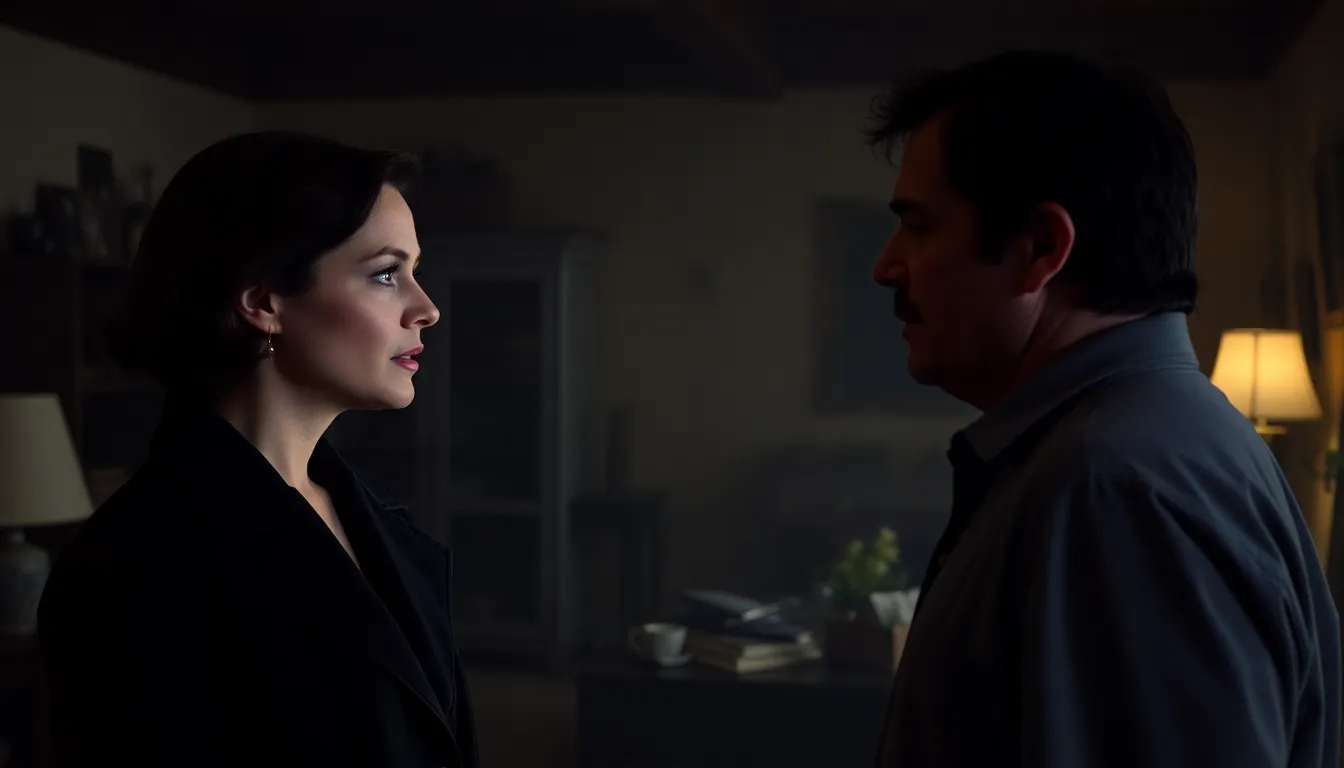
One of the central conflicts in ‘Karma’ is the ethical implications of the characters’ actions. The protagonists find themselves in situations where the lines between right and wrong blur, raising questions about accountability and the consequences of one’s choices. This moral ambiguity may resonate with audiences who appreciate films that challenge conventional narratives, but it can also alienate viewers seeking clear resolutions.
- Audience Expectations: Viewers often seek either escapism or meaningful commentary in films. ‘Karma’ attempts to deliver both, which can lead to mixed receptions.
- Critical Reception: Critics may focus on the film’s pacing and length, discussing how these elements impact the overall effectiveness of its message.
- Industry Standards: The film’s production values and star power raise questions about the balance between artistic integrity and commercial viability.
Additionally, the film’s exploration of societal issues, such as justice and morality, reflects broader cultural conversations. As audiences engage with these themes, they may also consider the implications of such narratives on public perception of real-world justice systems. The film’s reception could influence future projects in the industry, particularly those that tackle similar themes.
In conclusion, ‘Karma’ serves as a microcosm of the tensions present in contemporary cinema, where storytelling, audience expectations, and ethical considerations intersect. The varying interests of stakeholders highlight the complexities of film as both an art form and a commercial enterprise.
Impact on Audiences and the Film Industry
The release of ‘Karma’ featuring Marion Cotillard and Denis Ménochet is set to influence various groups, particularly film enthusiasts, critics, and industry professionals. Audiences seeking compelling narratives and strong performances may find themselves drawn to the film, while critics will evaluate its artistic merits and box office potential. The film’s reception could also impact the careers of the actors and the director, Guillaume Canet, shaping future projects and collaborations.
In the short term, audiences may experience a heightened interest in French cinema, particularly in films that blend dramatic storytelling with strong character development. This could lead to increased attendance at theaters, benefiting local businesses such as restaurants and cafes that cater to moviegoers. Additionally, film festivals and streaming platforms may see a surge in demand for similar genres, prompting them to feature more international films.
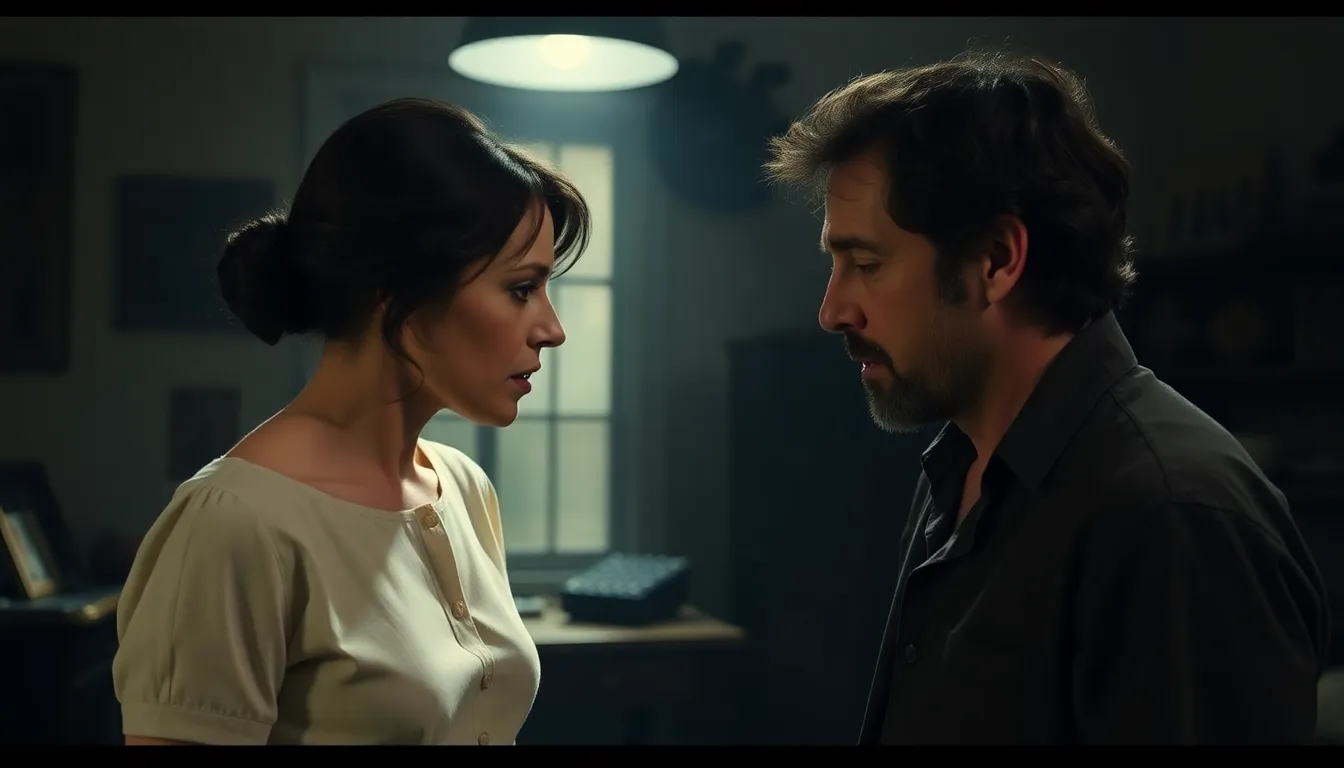
Mid-term impacts could include shifts in industry trends, with studios potentially investing more in character-driven narratives and collaborations with established international talent. This may encourage filmmakers to explore more complex themes and diverse storytelling methods. However, there are risks involved, as the film’s length and pacing could deter some viewers, potentially affecting its box office performance.
- Short-term: Increased local business activity around theaters.
- Mid-term: Potential shift in industry focus towards character-driven narratives.
- Risks: Viewer disengagement due to pacing, impacting box office.
- Opportunities: Rise in demand for international films and talent.
Overall, ‘Karma’ serves as a litmus test for the appetite of audiences for intricate storytelling, while also providing opportunities for the film industry to evolve in response to viewer preferences and market dynamics.
A: Karma revolves around complex relationships and moral dilemmas, exploring how past actions affect present circumstances. The film intertwines various characters’ lives, leading to unexpected revelations. A: Both actors deliver compelling performances that elevate the film, bringing depth to their characters. Their chemistry adds a significant layer to the narrative, making their portrayals memorable. A: While the film has received mixed reviews, the strong performances by the lead actors may appeal to fans of character-driven stories. Viewers should consider their taste in film before deciding. A: Critics have pointed out that the film can feel overlong and lurid at times, which detracts from the overall storytelling. Some feel that it could have benefited from tighter editing. A: Karma is directed by Guillaume Canet, known for his work in both acting and directing in French cinema. His unique style often blends drama with elements of suspense.
Frequently Asked Questions about Karma
Key Takeaways and Future Outlook for Karma
‘Karma’ presents a complex narrative that intertwines personal vendettas with broader societal themes, showcasing the talents of Marion Cotillard and Denis Ménochet. While the film grapples with its overlong runtime and lurid elements, it also highlights the potential for character-driven storytelling within the thriller genre. The performances elevate the material, suggesting that strong acting can compensate for narrative shortcomings.
Looking ahead, audiences may want to consider how ‘Karma’ reflects current cinematic trends that blend psychological depth with sensationalism. As filmmakers explore these themes, the reception of such films could influence future projects that aim to balance entertainment with substance.
- The film underscores the importance of strong performances in elevating potentially flawed narratives.
- Expect a growing trend in thrillers that merge personal and societal conflicts, as seen in ‘Karma’.
- Viewers may seek out more character-driven stories that prioritize emotional depth over mere spectacle.
- The response to ‘Karma’ could shape future collaborations between established actors and directors aiming for provocative storytelling.