
With the support of Jack Dorsey, co-founder of Twitter and a prominent advocate for Bitcoin, Jarecki is set to release the documentary through a Bitcoin payment model. This innovative approach not only circumvents traditional distribution channels but also aligns with the increasing acceptance of digital currencies in various sectors. The documentary, which delves into issues of press freedom and government transparency, is positioned to resonate with a global audience.
The film’s release is particularly timely, as discussions around Assange’s legal battles and the implications for journalism continue to dominate headlines. By utilizing Bitcoin, Jarecki aims to empower viewers to support independent filmmaking while fostering a direct connection between creators and their audiences. This model may pave the way for future projects that seek to challenge the status quo in media distribution.
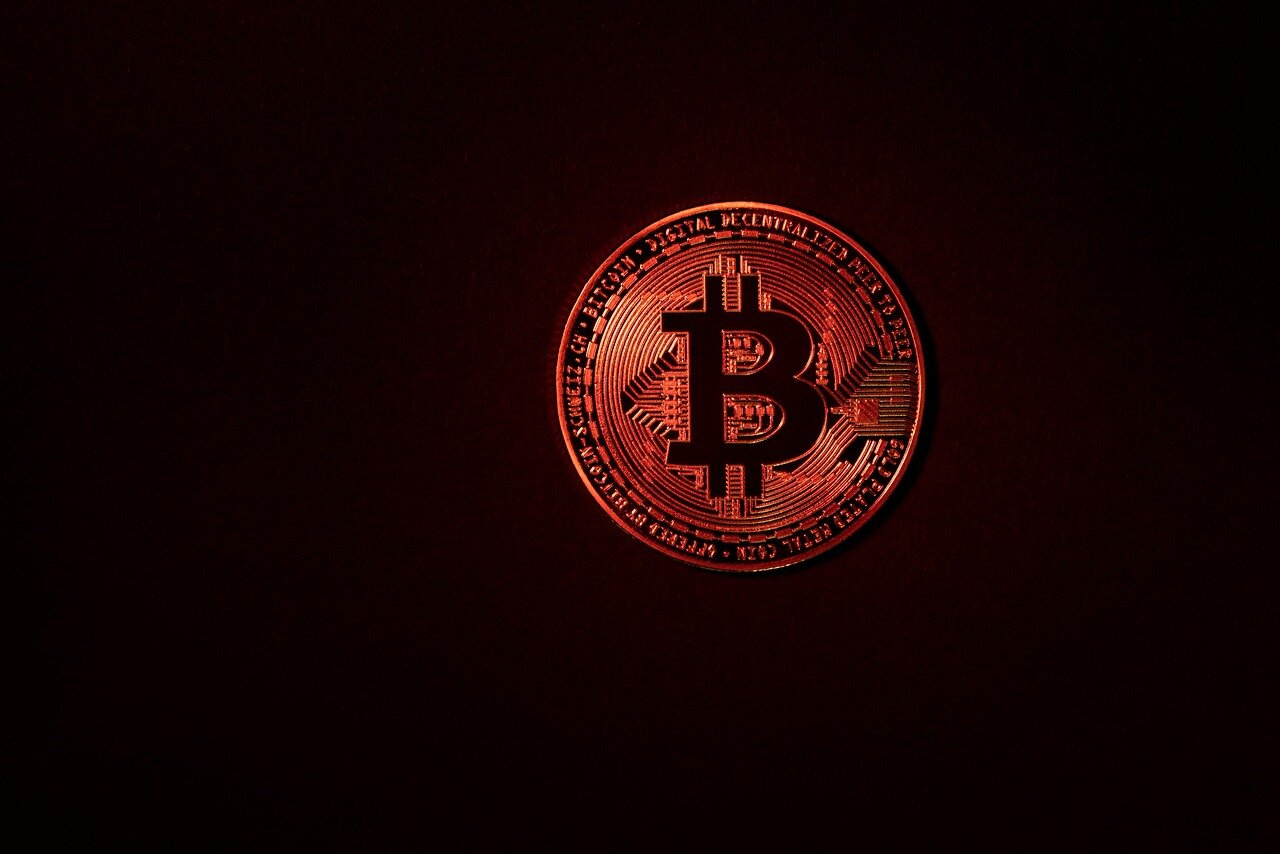
As the documentary approaches its release date, the intersection of technology, finance, and storytelling is becoming increasingly relevant. Jarecki’s initiative could inspire other filmmakers to explore similar avenues, potentially reshaping the landscape of documentary distribution in the digital age. The outcome of this venture will be closely watched by both supporters of Assange and advocates for independent media.
The challenges faced by filmmakers in the streaming era
In recent years, the landscape of film distribution has undergone a profound transformation, primarily driven by the rise of streaming platforms. While these platforms have democratized access to content, they have also created significant challenges for independent filmmakers. Many creators find themselves competing for visibility in an overcrowded market, where algorithms often dictate what viewers see, leaving niche or controversial films struggling to find an audience.
One notable case is that of Eugene Jarecki, an acclaimed documentary filmmaker known for his investigative work. Jarecki’s latest project, a documentary on Julian Assange, highlights the complexities of navigating the streaming world. With Assange’s controversial legal battles and the polarized views surrounding him, Jarecki anticipated that mainstream streaming services would shy away from distributing his film due to its politically charged content. This underscores the changing landscape of film distribution.

The impact of digital distribution on independent films
The shift towards digital distribution has fundamentally altered the economics of filmmaking. Traditional revenue streams such as theatrical releases and DVD sales have diminished, pushing filmmakers to seek alternative methods of funding and distribution. In this context, Jarecki’s decision to release his documentary through Bitcoin reflects a growing trend among independent creators to leverage cryptocurrency as a means of bypassing traditional gatekeepers and reaching audiences directly.
This approach not only allows filmmakers to retain more control over their work but also taps into a community of supporters who are increasingly interested in alternative currencies and decentralized platforms. Jarecki’s collaboration with Jack Dorsey, a prominent advocate for Bitcoin, underscores the potential for innovation in film distribution, particularly for projects that challenge mainstream narratives.
As the film industry continues to evolve, the challenges faced by filmmakers like Jarecki serve as a reminder of the importance of adaptability and creativity in overcoming barriers to entry. The intersection of technology and storytelling is reshaping how audiences engage with content, paving the way for new voices and perspectives to emerge in the cinematic landscape.

The implications of using Bitcoin for film distribution
The decision by Eugene Jarecki to release his documentary on Julian Assange through Bitcoin highlights a significant shift in the film distribution landscape. This move not only reflects Jarecki’s desire for creative control but also raises questions about the broader implications for filmmakers and the industry as a whole.
Key actors in this scenario include Eugene Jarecki, who seeks to bypass traditional distribution channels that may censor or ignore controversial content. Jack Dorsey, co-founder of Twitter and a prominent advocate for Bitcoin, plays a crucial role by providing the technological infrastructure to facilitate this distribution method. Additionally, audiences interested in Assange’s story represent a vital stakeholder group, as their willingness to engage with this format will determine its success.
However, this approach is not without its challenges. The use of Bitcoin for film distribution introduces several legal and economic issues that must be considered:

- Regulatory hurdles: The legality of using cryptocurrency for film sales can vary by jurisdiction, potentially complicating the distribution process.
- Market volatility: The fluctuating value of Bitcoin may impact revenue, as filmmakers could receive less than expected if the currency’s value declines.
- Accessibility: While cryptocurrency can democratize access, it may also exclude audiences unfamiliar with digital currencies or lacking the necessary technology.
- Intellectual property concerns: Protecting the documentary from piracy and ensuring that creators receive fair compensation can be more challenging in a decentralized system.
- Impact on traditional distribution models: This move could disrupt existing relationships within the film industry, leading to tensions with traditional distributors and streaming services.
As Jarecki navigates these complexities, the outcome of this venture could set a precedent for future film projects, potentially reshaping how content is distributed and consumed in the digital age.
How this decision could influence the film industry
The release of Eugene Jarecki’s documentary on Julian Assange through Bitcoin represents a significant shift in how independent filmmakers can distribute their work. This decision primarily affects independent filmmakers, streaming platforms, and audiences who are interested in alternative narratives. By bypassing traditional streaming services, Jarecki highlights the growing tension between artistic freedom and corporate control in the film industry.
In the short term, this move could disrupt the established distribution channels, forcing streaming platforms to reconsider their acquisition and distribution strategies. Independent filmmakers may feel empowered to explore similar avenues, potentially leading to a surge in content released through decentralized platforms. This could democratize access to films that tackle controversial subjects, which might otherwise be sidelined by mainstream media.

In the mid-term, the impact on daily life could manifest as audiences become more accustomed to acquiring films through cryptocurrencies, changing their consumption habits. Businesses within the film industry, including marketing and distribution companies, may need to adapt to this new model, which could lead to a reevaluation of their business practices. However, there are risks involved, such as the volatility of cryptocurrency markets, which could affect the financial viability of such releases.
- Opportunities: Increased visibility for independent films.
- Risks: Financial instability due to cryptocurrency fluctuations.
- Impact on streaming platforms: Potential loss of exclusive content.
- Audience engagement: Greater involvement in the support of independent cinema.
Regions with a strong affinity for digital currencies may see a more robust response to this model, potentially influencing local film industries. As more filmmakers explore this route, it could lead to a broader acceptance of alternative financing and distribution strategies, reshaping the landscape of independent cinema and its relationship with mainstream platforms.
A: Jarecki believes traditional streaming platforms would not adequately support his film’s message. By using Bitcoin, he aims to reach a broader audience and maintain creative control. A: Jack Dorsey is supporting Jarecki’s initiative by leveraging his expertise in cryptocurrency and technology to facilitate the distribution process. A: Viewers will be able to purchase the documentary using Bitcoin, allowing for a decentralized and direct transaction. A: This method could empower independent filmmakers by providing an alternative revenue stream and greater control over their work. A: If successful, Jarecki’s approach may encourage other filmmakers to explore cryptocurrency as a viable option for distribution.
Frequently asked questions about the documentary release
Key takeaways and future outlook for independent filmmakers
The decision by Eugene Jarecki to release his documentary on Julian Assange through Bitcoin highlights a significant shift in the landscape of film distribution. As traditional streaming platforms become increasingly selective, independent filmmakers may find alternative avenues that align more closely with their artistic vision and financial models. This move not only showcases the potential of cryptocurrency as a viable funding and distribution mechanism but also underscores the importance of autonomy in the creative process.
As the industry evolves, filmmakers should remain vigilant about emerging technologies and platforms that can enhance their reach and control. The collaboration with figures like Jack Dorsey signals a growing intersection between technology and creativity, suggesting that future projects may leverage similar partnerships to navigate the complexities of modern distribution.
- Embrace new distribution models: Filmmakers should consider alternative platforms, such as blockchain and cryptocurrency, to maintain control over their work.
- Leverage partnerships: Collaborations with tech innovators can provide unique opportunities for funding and distribution.
- Focus on audience engagement: Building a direct relationship with viewers can enhance loyalty and support for independent projects.
- Stay informed on industry trends: Keeping abreast of technological advancements can help filmmakers adapt and thrive in a changing landscape.
- Prioritize creative autonomy: Maintaining artistic control is crucial, especially when navigating traditional distribution challenges.