
The airstrike, part of a broader military operation in the region, has raised significant concerns regarding the impact of ongoing conflicts on environmental conservation efforts. Dr. Haddad’s work was pivotal in raising awareness about the ecological challenges faced by marine life in Lebanon, particularly in the context of increasing pollution and habitat destruction. For more on the environmental impact of conflicts, see our article on global disease control.
Reactions to the incident have been swift, with environmental organizations and fellow scientists expressing shock and outrage over the loss of a key figure in the fight for ecological preservation. Many advocates are calling for an immediate reassessment of military actions that endanger both human lives and critical wildlife conservation efforts.
This tragic event underscores the intersection of environmental issues and geopolitical conflicts, highlighting the need for greater protection of ecological initiatives in war-torn regions. As the situation evolves, the international community is urged to consider the implications of military actions on both human and environmental health.
Understanding the background of the Israeli-Lebanese conflict and its environmental implications
The Israeli-Lebanese conflict has deep historical roots, stemming from a complex interplay of territorial disputes, national identity, and regional power dynamics. The modern conflict can be traced back to the mid-20th century, particularly with the establishment of the State of Israel in 1948, which led to the displacement of many Palestinians and set the stage for ongoing tensions between Israel and its neighboring Arab states, including Lebanon.

Lebanon’s unique sectarian makeup has further complicated the situation. The country has a diverse population comprising various religious groups, which has often led to internal strife and external interference. The civil war in Lebanon from 1975 to 1990 exacerbated these divisions, with various factions receiving support from foreign powers, including Israel and Iran. The aftermath of the war left Lebanon politically fragmented and economically challenged, creating a fertile ground for militant groups like Hezbollah to gain influence.
The environmental toll of conflict
Beyond the immediate human cost, the Israeli-Lebanese conflict has significant environmental repercussions. Military operations and bombings have devastated natural habitats and ecosystems, particularly in southern Lebanon, where agricultural lands and coastal areas have been affected. The destruction of infrastructure and pollution from military activities have also posed long-term risks to biodiversity and local communities dependent on natural resources.
The recent killing of a renowned turtle sanctuary ecologist in Lebanon highlights the tragic intersection of environmental conservation and armed conflict. This incident not only underscores the personal loss of a dedicated environmental advocate but also reflects the broader neglect of ecological concerns amid ongoing violence. As conflicts persist, the protection of Lebanon’s unique biodiversity faces increasing threats, further complicating efforts to foster peace and sustainability in the region, similar to the challenges highlighted in our article on England’s football success.
In summary, understanding the historical and socio-political context of the Israeli-Lebanese conflict is crucial to grasping the implications of recent events, including the tragic loss of environmental advocates. The intersection of warfare and environmental degradation presents a significant challenge for both Lebanon and the broader Middle East, necessitating urgent attention and action from the international community.
Key stakeholders and the significance of the ecologist’s work in turtle conservation
The recent Israeli attack that resulted in the death of a renowned ecologist, known for his efforts in turtle conservation in Lebanon, has drawn attention to various stakeholders involved in marine conservation, regional politics, and humanitarian efforts. Key actors include local and international environmental organizations, governmental bodies from Lebanon and Israel, and the scientific community dedicated to wildlife preservation.
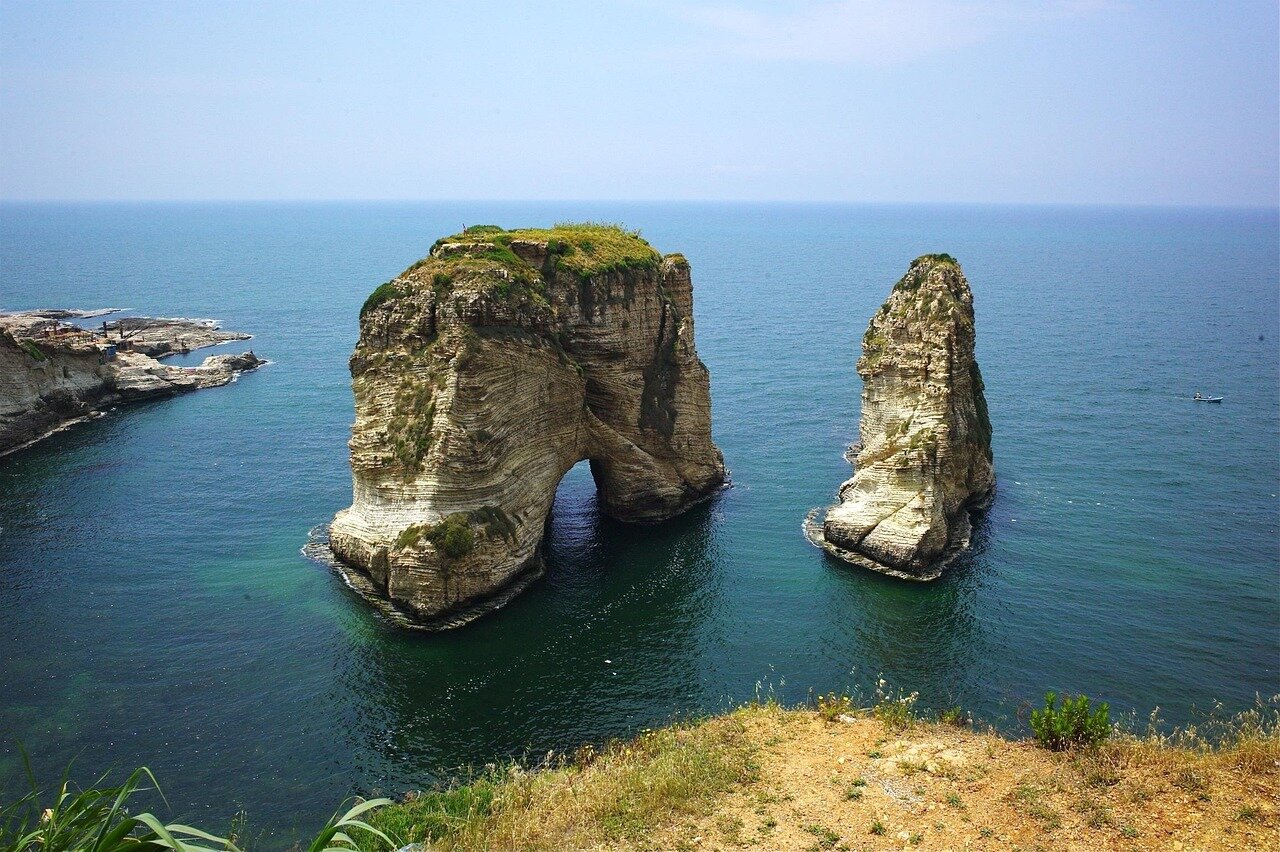
One of the primary stakeholders is the Lebanese government, which has a vested interest in protecting its natural resources and biodiversity. The loss of the ecologist not only impacts local conservation efforts but also raises concerns about the safety of environmental scientists working in conflict zones. The Lebanese Ministry of Environment may face increased pressure to enhance protections for wildlife and promote sustainable development, while also navigating the complex political landscape of the region.
International organizations, such as the World Wildlife Fund (WWF) and the International Union for Conservation of Nature (IUCN), play a crucial role in supporting conservation initiatives and providing funding for research and protection efforts. These organizations may seek to leverage the incident to advocate for stronger international commitments to wildlife conservation and to highlight the risks faced by environmentalists in conflict areas, as discussed in the context of developer layoffs that also reflect broader economic challenges.
In addition to governmental and non-governmental organizations, the scientific community is also a significant stakeholder. The ecologist’s work contributed valuable knowledge to the field of marine biology, particularly regarding the protection of endangered turtle species. The loss of his expertise may hinder ongoing research and conservation projects, creating a ripple effect that impacts global efforts to preserve marine ecosystems.
- The need for increased international collaboration on conservation efforts in conflict zones.
- Potential legal ramifications regarding the protection of environmentalists in active conflict areas.
- The importance of balancing military actions with environmental protections.
- Opportunities for advocacy and awareness campaigns to promote wildlife conservation.
- The challenge of securing funding and support for conservation initiatives in politically unstable regions.
The broader impact on wildlife conservation efforts and local communities
The recent Israeli attack that resulted in the death of a renowned turtle sanctuary ecologist in Lebanon has sent shockwaves through various groups and industries. Wildlife conservationists, environmental NGOs, and local communities that rely on the health of marine ecosystems are particularly affected. The loss of such a key figure not only hampers ongoing conservation efforts but also raises concerns about the future of endangered species in the region.
In the short term, local communities may experience a decline in tourism, as the sanctuary was a significant attraction for eco-tourists and researchers. The absence of the ecologist could lead to increased challenges in maintaining the sanctuary and its programs, which play a vital role in educating the public about marine life and conservation practices. This could also impact local businesses that rely on tourism, such as hotels, restaurants, and tour operators.
Mid-term impacts may include a shift in policy discussions surrounding wildlife conservation in Lebanon and the broader region. The incident could lead to increased advocacy for stronger protections for marine environments and heightened scrutiny of military actions that threaten ecological stability. However, it may also provoke resistance from certain factions that view conservation efforts as secondary to other political or economic goals.
- Risks: Deterioration of conservation programs and loss of biodiversity.
- Risks: Economic downturn for local businesses dependent on eco-tourism.
- Opportunities: Potential for increased international support and funding for marine conservation initiatives.
- Opportunities: Strengthened community engagement in conservation efforts following the tragedy.
As the situation evolves, the intersection of environmental conservation and geopolitical tensions will likely become more pronounced, drawing attention to the urgent need for collaborative efforts to protect vulnerable ecosystems. The loss of the ecologist serves as a stark reminder of the fragility of both human and environmental health in conflict zones.
A: The ecologist was a well-known figure in turtle conservation, recognized for his efforts in protecting endangered species in Lebanon. A: He played a crucial role in establishing turtle sanctuaries and conducting research on marine biodiversity, significantly impacting conservation policies. A: The international community has expressed outrage and concern, calling for accountability and highlighting the need for protecting environmental activists. A: This incident may hinder ongoing conservation efforts and deter other activists from working in conflict zones, affecting biodiversity. A: Yes, various NGOs and international organizations are working to ensure that conservation efforts continue despite the challenges posed by conflict.
Frequently asked questions regarding the incident and its implications
Key takeaways and future outlook on conservation efforts in conflict zones
The recent Israeli attack that claimed the life of a renowned ecologist at a turtle sanctuary in Lebanon underscores the vulnerability of conservation efforts in regions affected by conflict. This tragic event not only highlights the personal losses faced by dedicated scientists but also raises critical questions about the future of environmental protection in unstable areas. As conservationists grapple with the implications of such violence, the need for innovative strategies to safeguard both people and wildlife becomes increasingly urgent.
Moving forward, it is essential to consider how conservation initiatives can be adapted to ensure resilience in the face of ongoing conflict. The collaboration between local communities, international organizations, and governments will be vital in creating sustainable frameworks that prioritize both ecological and human safety.
- Increased focus on community-led conservation efforts to enhance local engagement and resilience.
- Development of international coalitions aimed at protecting environmentalists operating in conflict zones.
- Exploration of alternative funding sources for conservation projects to mitigate the impact of geopolitical tensions.
- Integration of conflict sensitivity into conservation planning to better anticipate and respond to crises.
- Strengthening advocacy for the protection of natural habitats as a means of promoting peace and stability.