
Reports indicate that while urban areas are experiencing improved connectivity, rural regions continue to face significant challenges. Many users in cities like Tehran have regained access to social media platforms and messaging apps, which had been blocked for several months. However, the Iranian authorities still monitor online activities closely, raising concerns about privacy and freedom of expression, a topic extensively discussed in our related article.
Internationally, the situation has drawn attention from human rights organizations and foreign governments, urging Iran to ensure unrestricted internet access for all citizens. The ongoing limitations on internet access highlight the broader issues of censorship and control within the country, as the government seeks to manage the flow of information. Activists argue that a fully open internet is essential for democracy and civic engagement, akin to the themes explored in another article on our site.
The fluctuating state of internet access also reflects the government’s attempt to balance its need for control with the demands of a digitally connected population. As events unfold, the implications for communication, activism, and the overall political landscape in Iran remain significant, with many citizens advocating for greater freedom online.
Understanding the background of internet restrictions in Iran
Iran has a complex history of internet restrictions that is deeply intertwined with its political landscape. Since the establishment of the Islamic Republic in 1979, the government has viewed the internet as a double-edged swordoffering both opportunities for connectivity and potential threats to its authority. The rise of social media platforms in the 2000s provided a new avenue for political dissent, leading the government to impose increasingly stringent controls.
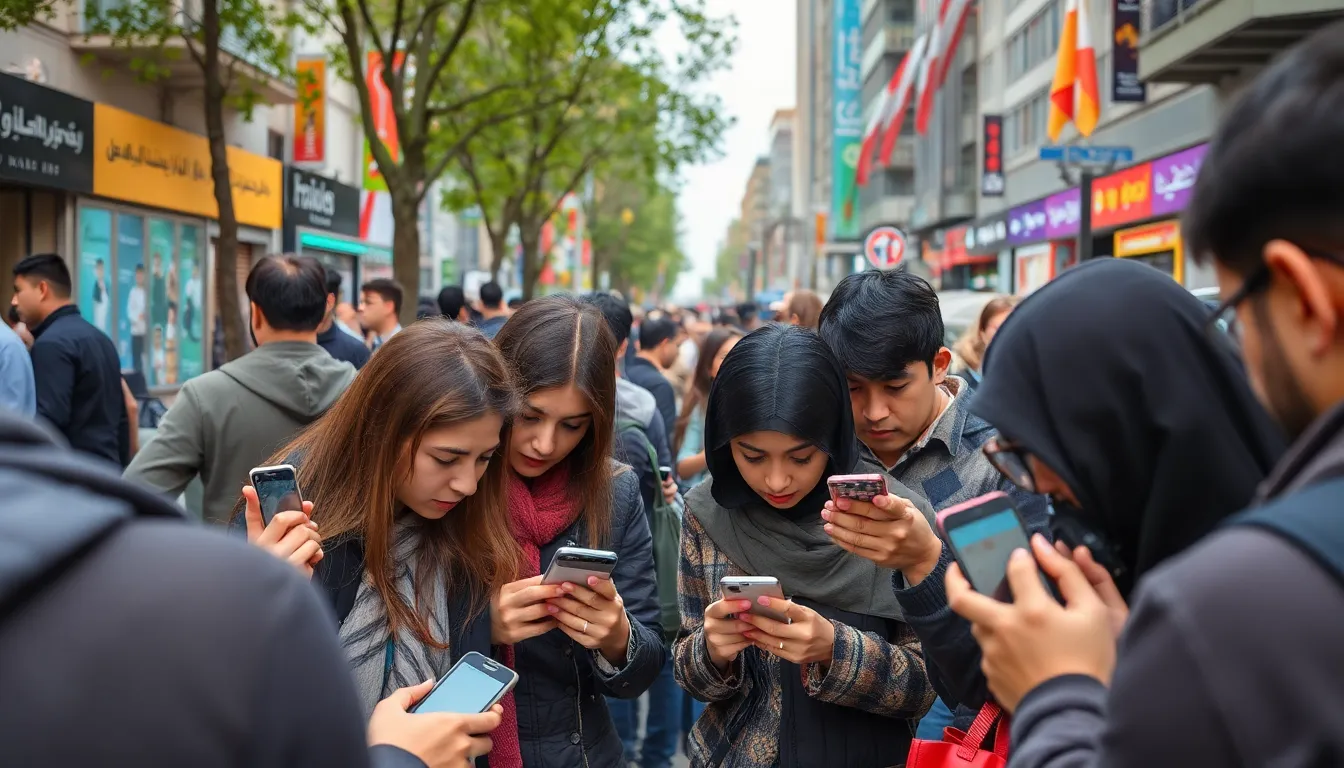
The 2009 presidential election marked a significant turning point, as widespread protests erupted following allegations of electoral fraud. The government responded by blocking access to social media sites and implementing internet blackouts to suppress the flow of information. This event highlighted the regime’s fear of online mobilization and the potential for digital platforms to facilitate organized dissent.
Key Milestones in Internet Control
In the years that followed, several key milestones further entrenched internet restrictions in Iran. The 2011 Arab Spring demonstrated the power of social media in mobilizing protests, prompting Iranian authorities to enhance their censorship tactics. By 2013, the government had developed a sophisticated filtering system that targeted a wide array of websites, including those deemed politically sensitive or morally inappropriate.
Moreover, the economic sanctions imposed on Iran have exacerbated the situation. The government has often used the pretext of national security to justify its internet censorship, claiming that foreign adversaries exploit digital platforms to undermine the regime. As a result, while some segments of the population have found ways to bypass restrictions, many remain cut off from the broader digital world.
Recently, the emergence of new technologies and the growing demand for internet access have led to a renewed debate about digital rights in Iran. However, the government’s recent attempts to restore internet services have not been uniform, leaving many Iranians still facing significant barriers to connectivity. This disparity highlights the ongoing struggle between state control and the desire for greater freedom in the digital realm.
Key stakeholders and issues surrounding internet access
The landscape of internet access in Iran is shaped by a complex interplay of various stakeholders, each with distinct interests and objectives. The primary actors include the Iranian government, local internet service providers (ISPs), international tech companies, and the citizenry, who are all navigating the challenges posed by censorship, economic sanctions, and social demands for greater connectivity, which may be crucial in understanding the broader implications of digital rights.
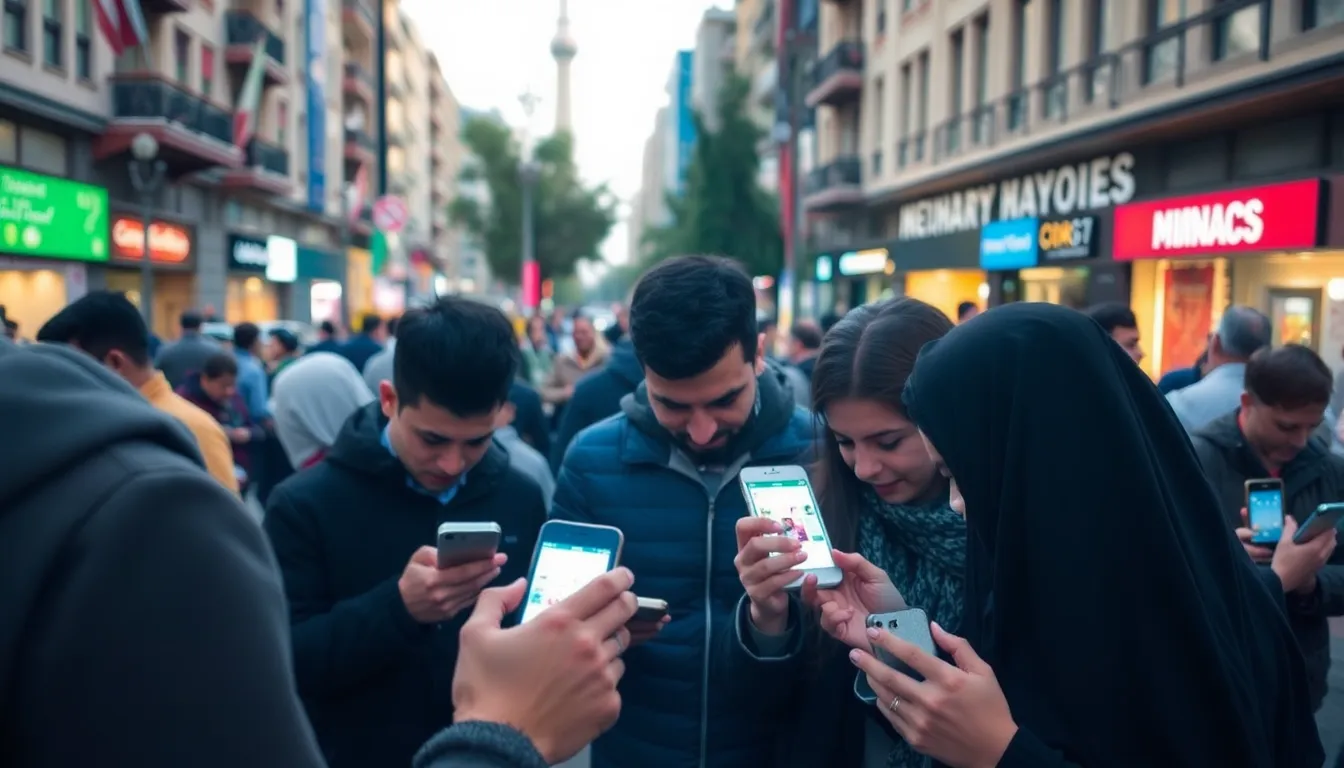
The Iranian government plays a crucial role in regulating internet access, often citing national security and public order as justifications for restrictions. This approach has led to a significant divide in access, with certain regions and demographics experiencing severe limitations. The government’s interest lies in maintaining control over information flow and suppressing dissent, especially during periods of political unrest.
Local ISPs are caught in a challenging position, balancing between compliance with government regulations and the demand for better services from consumers. They may face economic pressures due to sanctions that limit their ability to upgrade infrastructure or invest in new technologies. Their interests often conflict with those of the government, particularly when it comes to providing unrestricted access to the global internet.
- International tech companies: These entities may seek to enter the Iranian market, but face significant barriers due to sanctions and the risk of being implicated in government censorship.
- Civil society: Activists and ordinary citizens advocate for unrestricted internet access, viewing it as a fundamental right and a tool for social change.
- Legal challenges: The Iranian government’s internet policies raise questions about human rights and freedom of expression, leading to potential legal conflicts both domestically and internationally.
- Economic implications: The disparity in internet access can hinder economic development and innovation, particularly in a country that relies increasingly on digital solutions.
As the situation evolves, the interplay between these stakeholders will significantly influence the future of internet access in Iran. The ongoing negotiations between the need for governmental control and the push for more open access will likely shape the digital landscape for years to come.
Who is affected by the internet restoration in Iran
The restoration of internet access in Iran has varying implications for different groups, industries, and regions. While some urban areas may experience a return to normalcy, rural regions and specific demographics may still face restrictions. This disparity highlights the uneven impact of internet accessibility across the country.
Key groups affected include small business owners, students, and activists. Small businesses that rely on online platforms for marketing and sales will benefit significantly from increased internet access, allowing them to reach a broader audience. However, students in remote areas may still struggle with limited connectivity, hindering their educational opportunities.
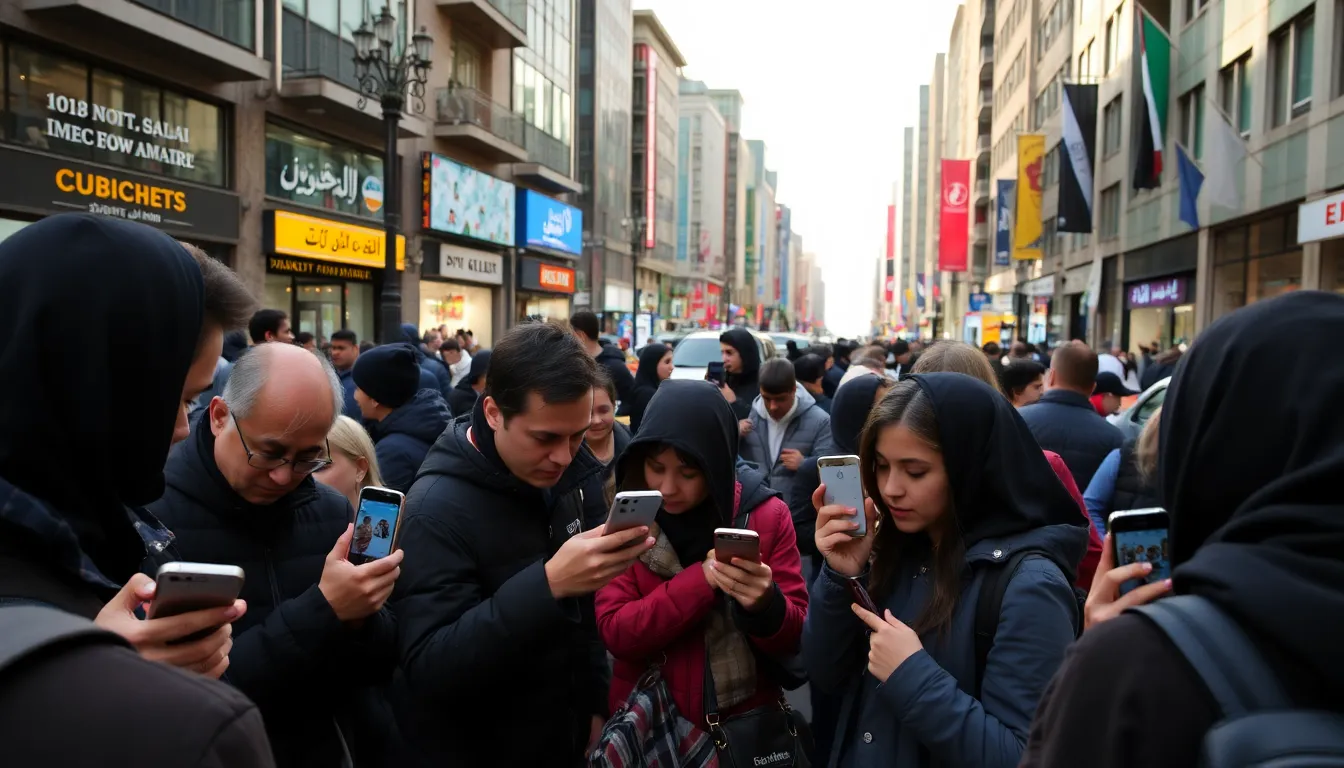
In the short term, the resurgence of internet access can lead to an increase in e-commerce, enabling businesses to thrive. However, it also poses risks, such as potential government surveillance and censorship. The mid-term effects could see a shift in public policy, as increased connectivity may empower citizens to advocate for more freedoms and transparency.
- Short-term impacts: Boost in e-commerce and online services.
- Mid-term impacts: Potential changes in public policy and civic engagement.
- Risks: Increased government surveillance and censorship.
- Opportunities: Enhanced communication for activists and NGOs.
Regions with better infrastructure will likely experience a more significant positive impact, while those lacking resources might remain marginalized. The digital divide within the country could widen if efforts are not made to ensure equitable access for all citizens, further complicating the socio-economic landscape in Iran.
A: Internet access in Iran has been restricted due to government censorship and control over information. These measures are often heightened during political unrest. A: Many citizens, particularly in rural areas or those opposing the government, still face significant barriers to internet access despite some restoration efforts. A: Limited internet access affects communication, access to information, and the ability to engage with the global community, impacting both personal and economic growth. A: The Iranian government has implemented measures to control and monitor internet usage, often citing national security as a reason for restrictions. A: While there are signs of gradual improvement, the future of internet access in Iran remains uncertain, heavily influenced by political and social factors.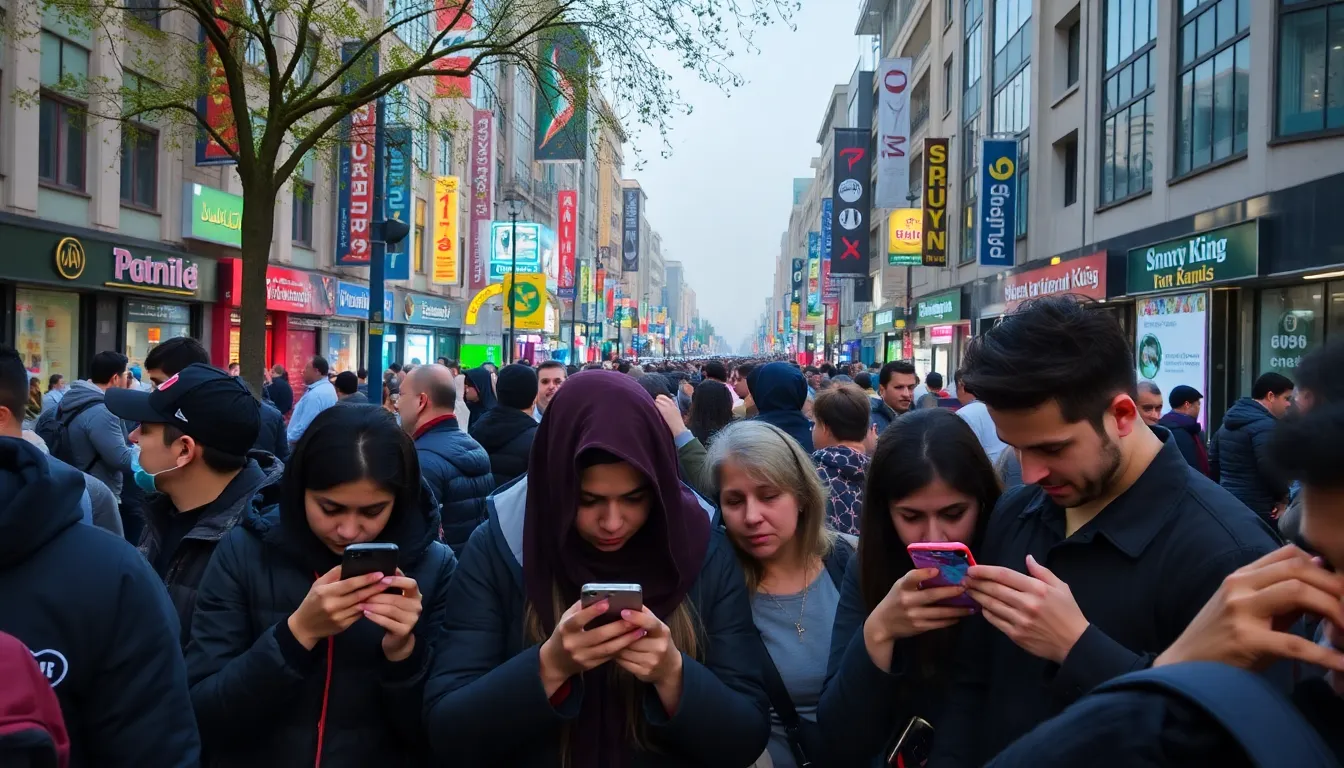
Frequently asked questions about Iran’s internet situation
Insights and outlook on Iran’s internet future
The gradual restoration of internet access in Iran marks a significant shift in the country’s digital landscape, yet it remains uneven and fraught with challenges. While some segments of the population may begin to experience greater connectivity, many others are still left in the dark, highlighting the ongoing disparities in access to information and communication. This evolving situation underscores the need for vigilance as the government navigates the complex balance between control and connectivity.
As the internet landscape in Iran continues to develop, several factors will play a crucial role in shaping its future. Observers should pay close attention to government policies, public sentiment, and technological advancements that could either facilitate or hinder broader access to the internet.
- Regulatory Changes: Watch for potential shifts in government policies that could impact internet access and freedom of expression.
- Public Response: The reaction of the Iranian public to changes in internet availability may influence future governmental decisions and reforms.
- Technological Developments: Innovations in technology, such as VPNs and satellite internet, could provide alternative access routes for those still cut off.
- International Relations: The global response to Iran’s internet policies may affect diplomatic relations and lead to external pressures for reform.
- Digital Divide: The disparity in access between urban and rural areas will likely continue to be a critical issue, impacting social and economic opportunities.