
Reports indicate that since the onset of the conflict, there has been an increase in anti-war sentiment among citizens, with protests emerging in various cities calling for an end to hostilities, as highlighted in related articles. Many Iranians are concerned about the economic repercussions of prolonged conflict, as sanctions and military expenditures could exacerbate existing hardships.
Internationally, Iran’s role in the conflict has drawn scrutiny. The United States and its allies have expressed concerns over Iran’s support for militant groups, which could lead to further isolation and sanctions. Meanwhile, diplomatic efforts are underway, with various nations seeking to mediate and de-escalate tensions, underscoring the importance of Iran’s participation in any future peace talks.
As the situation evolves, the Iranian government faces the dual challenge of addressing internal dissent while navigating external pressures. The hope among many citizens is that diplomatic solutions will prevail, allowing for a cessation of hostilities and a chance to rebuild both their lives and the nation itself. The coming weeks will be critical in determining whether this hope can translate into a lasting peace.
Historical Context of Iran’s Conflicts
Iran’s geopolitical landscape has been shaped by a complex interplay of historical events, political upheavals, and social dynamics. The roots of the current tensions can be traced back to the 1979 Islamic Revolution, which overthrew the pro-Western monarchy of Shah Mohammad Reza Pahlavi. This revolution established the Islamic Republic under Ayatollah Khomeini, fundamentally altering Iran’s relationship with both its citizens and the international community.
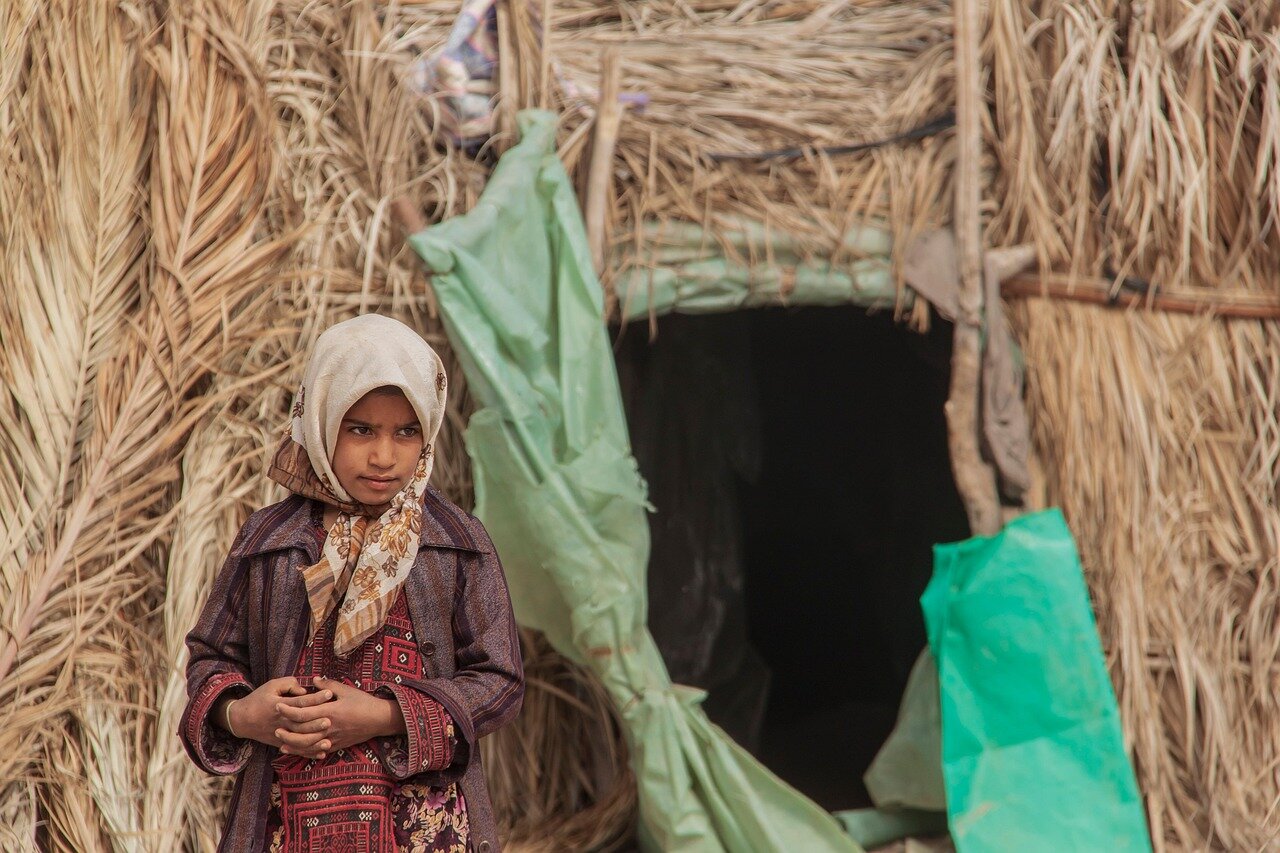
The war resulted in significant loss of life and economic hardship, fostering a national narrative centered on survival and defiance, which can be further explored in the context of current economic trends. The aftermath of this conflict left deep scars on Iranian society, with many citizens bearing the psychological and physical toll of years of violence.
International Relations and Sanctions
As Iran sought to assert its influence in the region, its nuclear program became a focal point of international concern. The 2006-2015 period marked a significant escalation in tensions, culminating in a series of economic sanctions imposed by Western nations aimed at curbing Iran’s nuclear ambitions. These sanctions crippled the Iranian economy, leading to widespread discontent among the populace and a growing desire for change amidst the harsh realities of daily life.
The withdrawal of the United States from the Joint Comprehensive Plan of Action (JCPOA) in 2018 further exacerbated the situation, reigniting fears of military confrontation. This decision not only isolated Iran economically but also intensified regional rivalries, particularly with Saudi Arabia and Israel, leading to a precarious balance of power in the Middle East.
Today, as Iranians navigate the duality of fear and relief amidst ongoing conflicts, their hopes for peace are intertwined with a deep-seated desire for stability and prosperity, much like the sentiments expressed in cultural narratives. The historical context of Iran’s conflicts serves as a reminder of the long-standing challenges that continue to shape the nation’s identity and its aspirations for the future.
Key Stakeholders and Their Interests in the Conflict
The ongoing conflict in Iran has created a complex web of stakeholders, each with distinct interests and motivations. The primary actors include the Iranian government, various opposition groups, foreign governments, and international organizations. Understanding their roles is crucial to grasping the dynamics of the situation.

The Iranian government, led by hardline factions, seeks to maintain power and control amid mounting internal dissent and external pressures. Their primary interest lies in preserving national sovereignty and countering perceived threats from foreign adversaries, particularly the United States and Israel. This often results in a militarized response to protests and dissent, as the regime fears that instability could lead to regime change.
Opposition groups within Iran, including reformists and exiled activists, advocate for democratic reforms and greater civil liberties. Their interests are often at odds with the government’s agenda, leading to significant conflict. These groups aim to mobilize public sentiment against the regime, seeking international support to amplify their demands for change. However, their fragmented nature poses challenges in presenting a unified front.
Foreign governments, particularly the United States and European nations, have their own stakes in the outcome of the conflict. They are concerned with regional stability and the potential for Iran’s nuclear ambitions to escalate tensions. Sanctions and diplomatic efforts are tools employed by these nations to influence Iran’s behavior, but they also risk exacerbating the humanitarian situation for ordinary Iranians.
- Internal Dissent: The Iranian populace is caught between fear of government repression and a desire for change, complicating the landscape of public opinion.
- International Sanctions: Economic pressures from foreign governments impact the Iranian economy, leading to increased hardship for citizens and fueling anti-government sentiments.
- Geopolitical Tensions: The involvement of regional powers and their interests in Iran’s stability creates a multifaceted conflict that goes beyond domestic issues.
- Human Rights Concerns: International organizations advocate for the protection of human rights, putting pressure on the Iranian government to address abuses.
- Potential for Negotiation: There are scenarios where diplomatic engagement could lead to de-escalation, but mutual distrust poses significant barriers.
Impact of War on Iranian Society and Economy
The ongoing conflict has significantly affected various groups within Iranian society, particularly those in vulnerable regions and industries. The immediate impact is felt most acutely by families in border areas, where violence and instability have disrupted daily life. Additionally, sectors such as agriculture, manufacturing, and tourism are facing severe challenges, leading to economic strain for many households.

In the short term, the war has caused a rise in living costs due to disrupted supply chains and inflation. Many businesses are struggling to maintain operations, leading to layoffs and reduced income for workers. Essential services, including healthcare and education, are also impacted, as resources are diverted to address the conflict.
- Increased unemployment rates in conflict-affected regions.
- Disruption in food supply leading to higher prices.
- Decline in tourism revenue as safety concerns deter visitors.
Mid-term effects may include a shift in policy as the government attempts to stabilize the economy and address public discontent. This could lead to reforms aimed at improving infrastructure and support for affected industries. However, there are risks associated with potential government crackdowns on dissent, which may further alienate the populace.
Despite the challenges, there are potential opportunities for businesses that can adapt to the changing landscape. For instance, companies focusing on local production may find new markets as import reliance decreases. Additionally, humanitarian efforts may foster community solidarity, leading to innovative grassroots initiatives aimed at rebuilding and recovery.
A: The current conflict in Iran stems from a combination of political, economic, and social factors, including tensions with foreign powers and internal dissent. A: Ordinary Iranians face significant challenges, including economic hardship, safety concerns, and emotional distress due to the ongoing conflict. A: Many Iranians hope for a peaceful resolution that will restore stability and improve their quality of life, while also addressing the underlying issues that led to the conflict. A: Yes, various international organizations and countries are attempting to mediate and promote dialogue between conflicting parties to find a lasting solution. A: Public sentiment in Iran is crucial, as it influences political decisions and can either escalate tensions or promote peace initiatives.
Frequently Asked Questions About the Situation
Insights and Future Outlook for Iran
The current climate in Iran reflects a complex interplay of emotions, as citizens navigate between fear of ongoing conflict and a cautious sense of relief at the potential for peace. This duality highlights not only the immediate concerns of safety and stability but also the broader implications for social cohesion and economic recovery. As the situation evolves, it is essential to monitor how these sentiments shape public discourse and government policy.
Looking ahead, the potential for diplomatic resolutions and internal reforms could significantly influence the landscape in Iran. Observers should pay close attention to the actions of both local leaders and international actors, as their decisions will be pivotal in determining the trajectory of peace and stability in the region.
- Watch for shifts in public sentiment as Iranians respond to new developments in peace negotiations.
- Monitor the government’s approach to internal dissent and social movements, which could impact stability.
- Observe international diplomatic efforts and their influence on Iran’s foreign relations and economic recovery.
- Consider the role of media in shaping narratives around fear and hope within Iranian society.
- Assess the potential for grassroots initiatives aimed at fostering community resilience and rebuilding trust.