
The iPhone 17e features several enhancements over its predecessor, including improved battery life and a more powerful chip, which are expected to attract cost-conscious consumers. With a starting price of $499, it aims to compete directly with mid-range offerings from rivals such as Samsung and Google.
This release is particularly relevant as the smartphone market faces increasing competition and price sensitivity among consumers. Apple’s decision to introduce a more affordable model reflects a growing trend where premium brands are diversifying their product lines to capture a wider audience.
Industry analysts suggest that the iPhone 17e could significantly impact sales, especially during the holiday season when consumers are looking for value. By offering a lower price point without compromising on key features, Apple hopes to solidify its market presence amid economic uncertainties.
Understanding the evolution of Apple’s budget smartphone lineup
Apple’s foray into the budget smartphone market has been a significant aspect of its strategy to capture a broader audience. Historically, Apple has positioned itself as a premium brand, often associated with high price points and exclusive features. However, as competition intensified from brands like Samsung, Xiaomi, and OnePlus, the need for a more accessible option became apparent. This led to the introduction of the iPhone SE line, which aimed to provide a more affordable entry into the Apple ecosystem without sacrificing quality.

The first iPhone SE was launched in March 2016, offering a compact design reminiscent of the iPhone 5S but with the upgraded internals of the iPhone 6S. This model was well-received, particularly among consumers who preferred smaller devices and sought a lower price point. It set a precedent for Apple to explore budget-friendly options while maintaining its reputation for quality and performance.
In 2020, Apple further expanded its budget offerings with the second-generation iPhone SE, which featured the same processor as the flagship iPhone 11. This move was strategic, as it allowed Apple to leverage its advanced technology to attract cost-conscious consumers while still emphasizing the durability and longevity associated with its devices. The success of this model demonstrated that there was significant demand for affordable smartphones that do not compromise on performance, much like the value propositions offered by other brands.
The rise of the iPhone 17e
With the launch of the iPhone 17e, Apple continues to evolve its budget smartphone lineup, integrating features that appeal to a wider demographic. This model is expected to include enhancements in camera technology, battery life, and processing power, making it an attractive option for users who want a reliable smartphone without the premium price tag. The introduction of the iPhone 17e reflects Apple’s commitment to staying competitive in a rapidly changing market while ensuring that its devices remain accessible to a larger audience.
Key features and improvements of the iPhone 17e
The launch of the iPhone 17e has garnered significant attention from various stakeholders, including consumers, technology analysts, and competitors. Each group has distinct interests that shape their perspective on this new smartphone model.
Consumers are primarily interested in the value proposition of the iPhone 17e. With its positioning as Apple’s most affordable new smartphone, features such as enhanced battery life, improved camera capabilities, and a competitive price point are crucial. These upgrades aim to attract budget-conscious users who may be considering alternatives from brands like Samsung and Google.

On the corporate side, Apple’s shareholders are focused on the economic implications of the iPhone 17e. The company’s ability to capture a larger market share in the budget smartphone segment could result in increased revenues and profit margins. However, there is a trade-off between maintaining premium brand perception and expanding into lower-priced markets, which could affect overall brand equity.
- Consumer Interest: Affordable pricing and enhanced features to attract a wider audience.
- Shareholder Concerns: Balancing market expansion with brand integrity.
- Competitive Landscape: Strategies employed by competitors to counter Apple’s entry into budget smartphones.
- Legal Issues: Potential regulatory scrutiny regarding pricing strategies and market competition.
- Economic Impact: Broader implications for the smartphone market and supply chain dynamics.
Additionally, the competitive landscape plays a significant role in shaping the iPhone 17e’s reception. Major competitors are likely to respond with their own innovations and pricing strategies, creating a dynamic market environment. This could lead to price wars or increased marketing efforts, further complicating the situation for all players involved.
Lastly, legal and regulatory issues may arise as Apple expands its footprint in the budget smartphone market. Authorities may scrutinize practices related to pricing and market dominance, which could impact how Apple positions the iPhone 17e and its overall strategy moving forward. Understanding these complexities is essential for stakeholders to navigate the evolving landscape of the smartphone industry.
How the iPhone 17e affects the smartphone market
The launch of the iPhone 17e is set to impact various groups, including consumers, tech enthusiasts, and industry competitors. As Apple’s most affordable new smartphone, it targets budget-conscious buyers who seek quality and innovation without breaking the bank. This demographic includes students, young professionals, and families, all of whom are increasingly reliant on smartphones for daily tasks and communication.
In the short term, the introduction of the iPhone 17e may lead to shifts in consumer purchasing behavior. Many individuals may opt for this new model over older versions or competitors’ devices, resulting in a potential decline in sales for brands like Samsung and Google. Retailers and mobile carriers could also experience an uptick in foot traffic as customers seek to upgrade their devices.
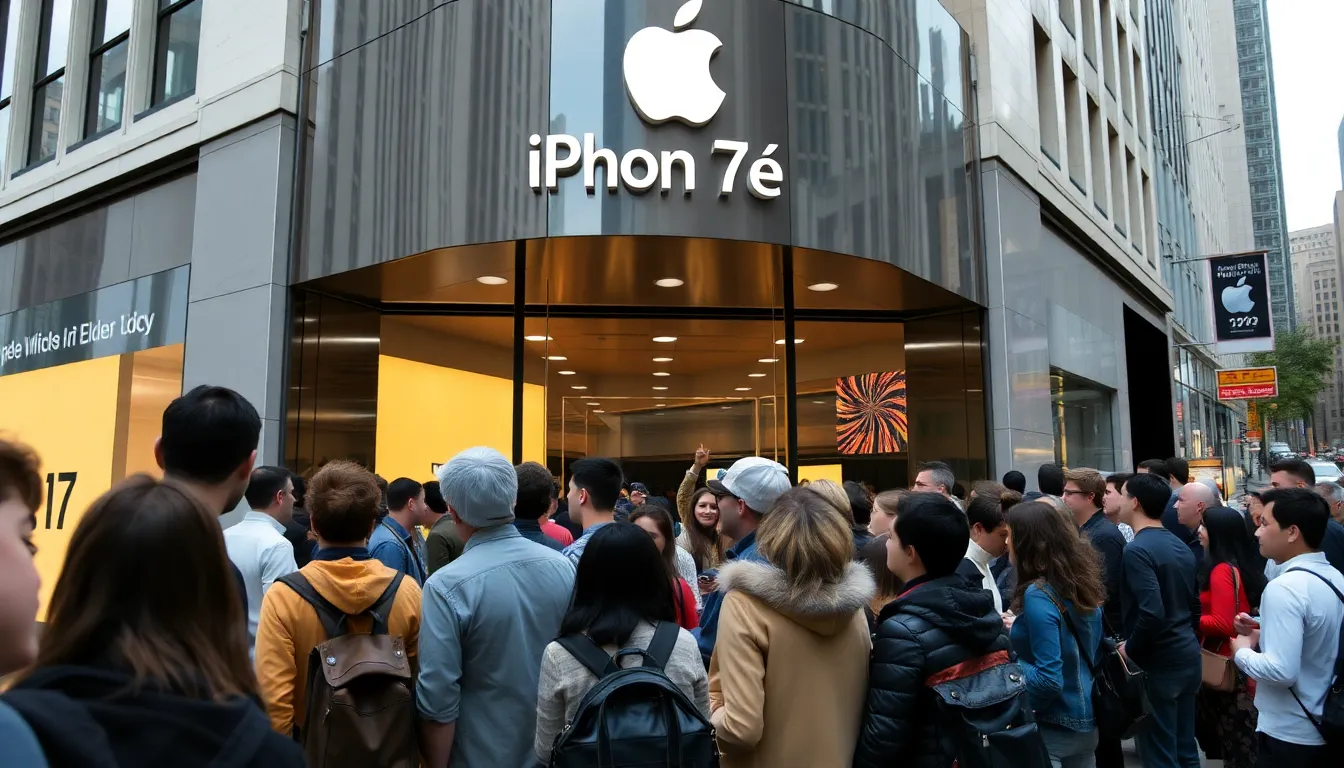
Mid-term impacts may include changes in market dynamics, as competitors might feel pressured to lower prices or enhance features in their budget models. This could lead to a more competitive landscape, ultimately benefiting consumers through better options and pricing. Additionally, as more users adopt the iPhone 17e, there could be an increase in demand for accessories and services tailored to this model.
- Risks: Potential market saturation and increased competition could lead to reduced profit margins for all players.
- Opportunities: Enhanced brand loyalty for Apple, as users may be more inclined to stay within the ecosystem for future upgrades.
- Policy Impacts: Increased focus on data privacy and security features as consumers become more aware of their digital footprint.
Overall, the iPhone 17e is likely to influence not just individual consumers but also the broader smartphone industry, prompting both challenges and opportunities for various stakeholders.
A: The iPhone 17e features a powerful A15 chip, improved camera capabilities, and a sleek design, all while being offered at a competitive price. A: Compared to its predecessors, the iPhone 17e offers better performance, enhanced battery life, and new software features that improve user experience. A: Many users find the iPhone 17e to be a great value due to its combination of features, performance, and affordability, making it an excellent choice for budget-conscious consumers. A: The iPhone 17e is set to be available in stores and online starting next month, with pre-orders opening soon. A: The iPhone 17e will be available in several colors, including classic black, white, and a new vibrant blue.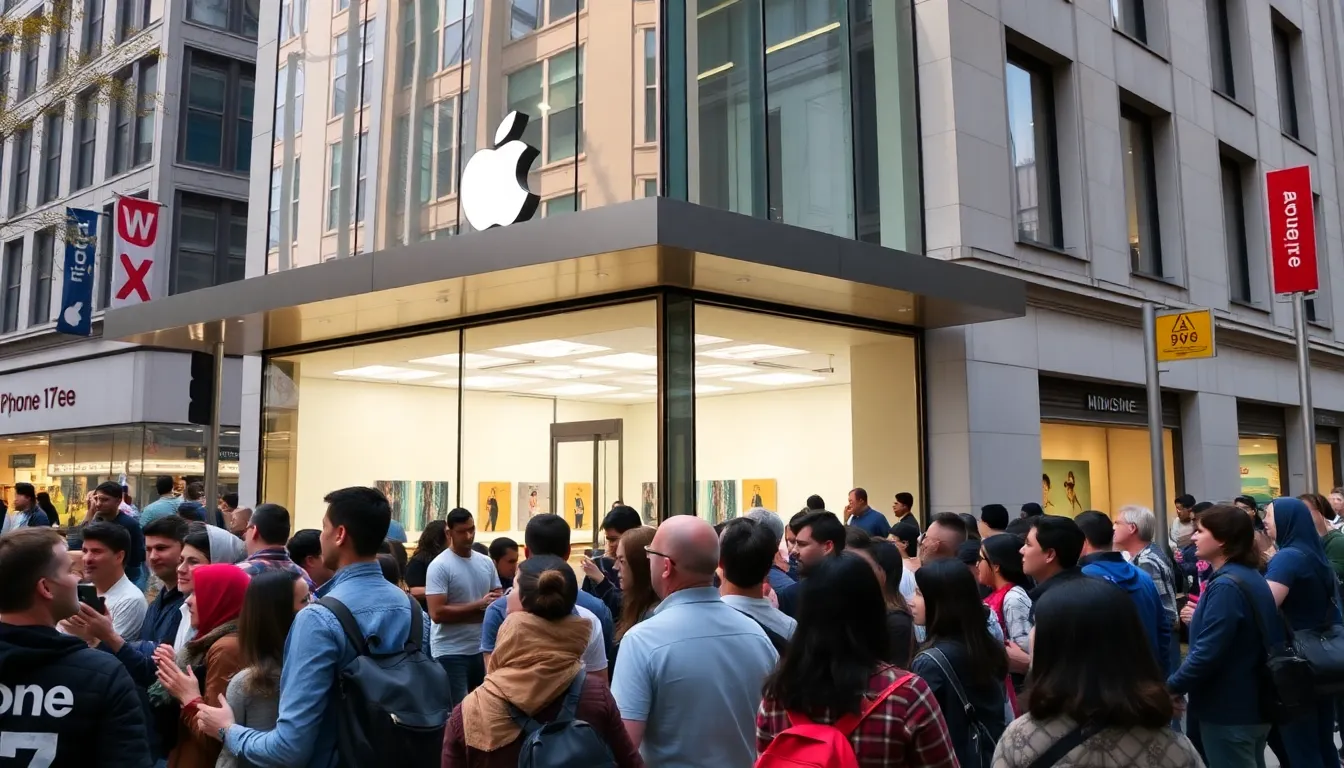
Frequently asked questions about the iPhone 17e
The future of budget smartphones with the iPhone 17e
The introduction of the iPhone 17e marks a significant step in Apple’s strategy to cater to the budget-conscious consumer without compromising on quality. By incorporating features typically reserved for higher-end models, Apple not only enhances its product lineup but also sets a new standard for what users can expect from affordable smartphones. This move could reshape the competitive landscape, compelling other manufacturers to elevate their offerings in the budget segment.
As consumers increasingly seek value without sacrificing performance, the iPhone 17e serves as a compelling option that balances cost and capability. Observers should note how this model influences both consumer preferences and competitive dynamics in the smartphone market moving forward.
- Increased competition: Expect other brands to respond with enhanced budget models to compete with the iPhone 17e’s features.
- Consumer expectations: The bar for budget smartphones has been raised, leading to a shift in what users anticipate from lower-priced devices.
- Market share implications: Apple’s entry into the budget segment could result in significant shifts in market share among smartphone manufacturers.
- Innovation in affordability: The success of the iPhone 17e may inspire further innovation aimed at delivering high-quality features at lower price points.