
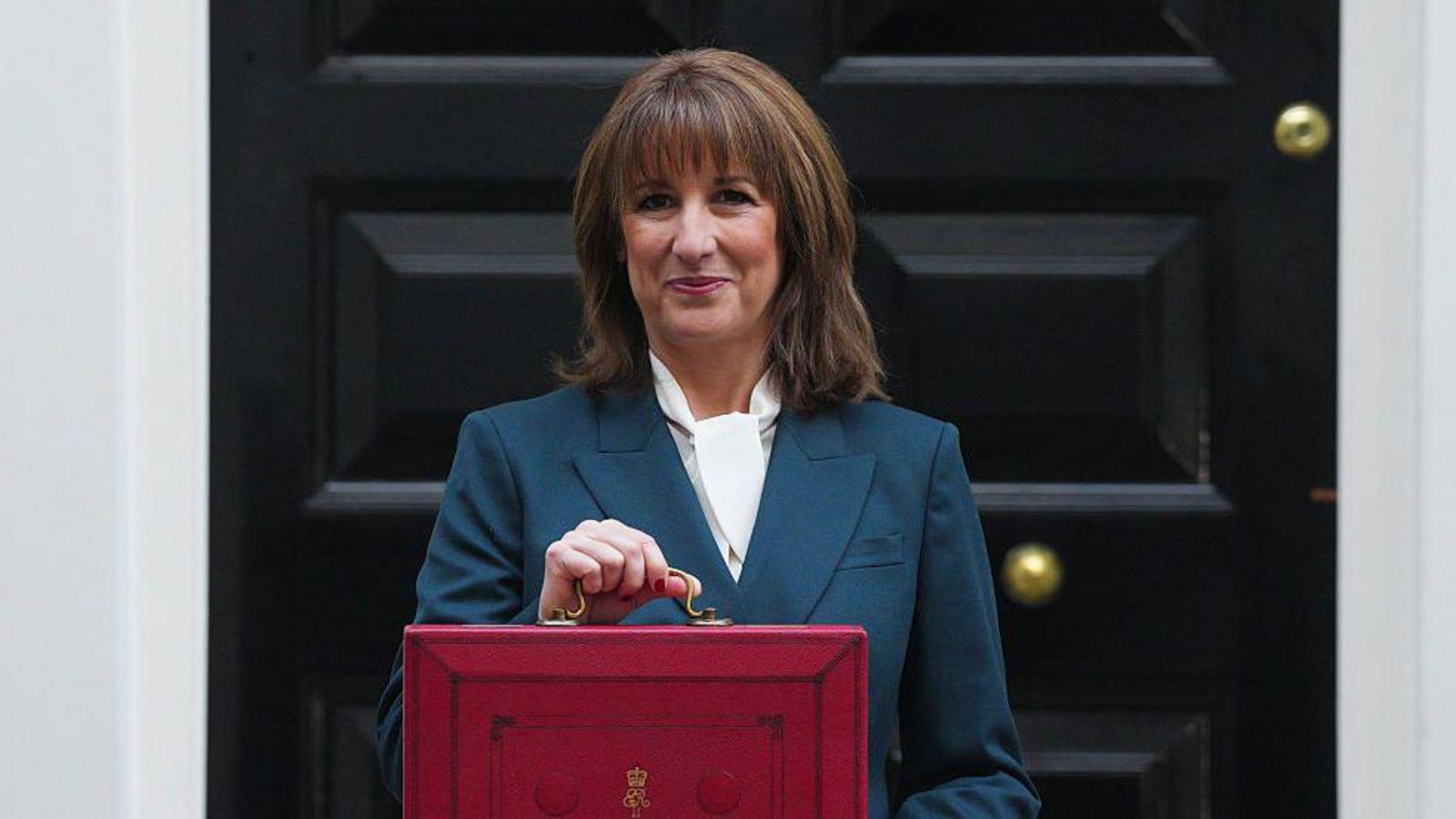
According to the IFS, the rise in household spending power is described as ‘dismal’, marking a significant point of concern for many families across the nation.
The Economic Context Behind the Rise in Spending Power
As inflation rates begin to adjust, various external factors contribute to a grim outlook on spending ability. The financial impact of several global occurrences, coupled with local economic policies, plays a pivotal role in shaping the financial landscape that households navigate.

Current Inflation Rates and Their Impact
Inflation, primarily driven by surging energy prices and supply chain disruptions, has placed immense pressure on household budgets. The IFS indicates that the current inflation rates have eroded true income levels, effectively diminishing purchasing power among families.
Comparative Analysis with Previous Years
When looking at household spending power over the last few years, many will notice stark differences. The IFS report highlights that this year’s increase is considerably less favorable compared to the previous years.

Historical Comparison of Spending Power
In recent years, UK households enjoyed a more stable and, at times, favorable economic climate. However, the trend has shifted dramatically. Comparisons reveal a notable decline in the rate of increase in spending power, warning of potential financial hardships.
Case Studies Reflecting Disparities among Households
To understand the broader implications of the financial pressures on households, the IFS provides various case studies.

Examples of Vulnerable Households
- Single-parent families often find themselves disproportionately affected by rising living costs, with limited income sources complicating their financial situations.
- Low-income earners are particularly susceptible to the fluctuations in prices, experiencing a greater proportionate decrease in their disposable income.
- Households with multiple dependents face compounded pressurehigher food, transportation, and childcare costs all contribute to a tougher financial reality.
Strategic Approaches for Households in Response to Rising Costs
As the economic outlook appears increasingly bleak, households must adopt strategic measures to manage their finances prudently. The IFS suggests a few viable strategies to ease financial burdens.
Budgeting and Financial Planning
Effective budgeting is crucial in times of economic uncertainty. Households should evaluate their expenses critically, prioritizing necessities and eliminating non-essential spending where possible.

Awareness of Financial Tools and Resources
From government programs to community support systems, awareness can lead to better financial stability.
Utilizing Available Resources
- Government programs aimed at providing financial assistance should be explored by eligible households.
- Community outreach opportunities can provide access to necessary goods and services.
- Financial education workshops can offer valuable insight into managing personal finances in challenging economic conditions.
FAQs Addressing Common Concerns regarding Spending Power
Frequently Asked Questions on Households and Spending Power
A: The increase is largely attributed to high inflation rates, rising energy costs, and stagnant wage growth, which undermine household purchasing power.
A: Households can enhance their financial situation by carefully budgeting, prioritizing essential expenses, and leveraging available resources for financial assistance.
A: Yes, low-income households, single-parent families, and families with multiple dependents face greater financial strain due to increased living costs.
Future Outlook on Household Spending Power
Looking forward, individuals and families must prepare for a challenging economic landscape. The IFS urges households to adopt proactive management techniques regarding finances. As economic uncertainty persists, continual adaptation and resourcefulness will be vital for overcoming the dismal rise in spending power.