
This decline in snowfall not only affects the immediate landscape but also poses long-term risks to water availability in the region. The Himalayan glaciers, which feed major rivers such as the Ganges and Indus, are retreating at an alarming rate, with projections indicating a potential loss of up to 70% of glacial mass by the end of the century if current trends continue. For more information on this topic, visit Himalayas face alarming changes due to reduced winter snowfall.
Researchers from the Indian Meteorological Department have noted that the changing climate patterns, primarily driven by global warming, are responsible for this trend. The increased temperatures are leading to more rainfall and less snow, which disrupts the natural water cycle and threatens ecosystems and communities dependent on these water sources. Understanding these shifts is critical for addressing climate influences.
The implications of these changes extend beyond environmental concerns, impacting agriculture, hydropower generation, and overall livelihoods in the region. As the snowpack diminishes, the timing and volume of water flow during critical growing seasons could become unpredictable, exacerbating food security issues in countries like India and Nepal. These complex challenges require thorough analysis and policy action.
Understanding the historical snowfall patterns in the Himalayas
The Himalayas, often referred to as the “Third Pole,” have long been a crucial source of freshwater for millions of people across South Asia. Historically, these majestic mountains have experienced significant snowfall during the winter months, which replenishes glaciers and feeds rivers that are vital for agriculture and drinking water. However, recent trends indicate a worrying decline in winter snowfall, raising alarms among scientists and environmentalists alike.
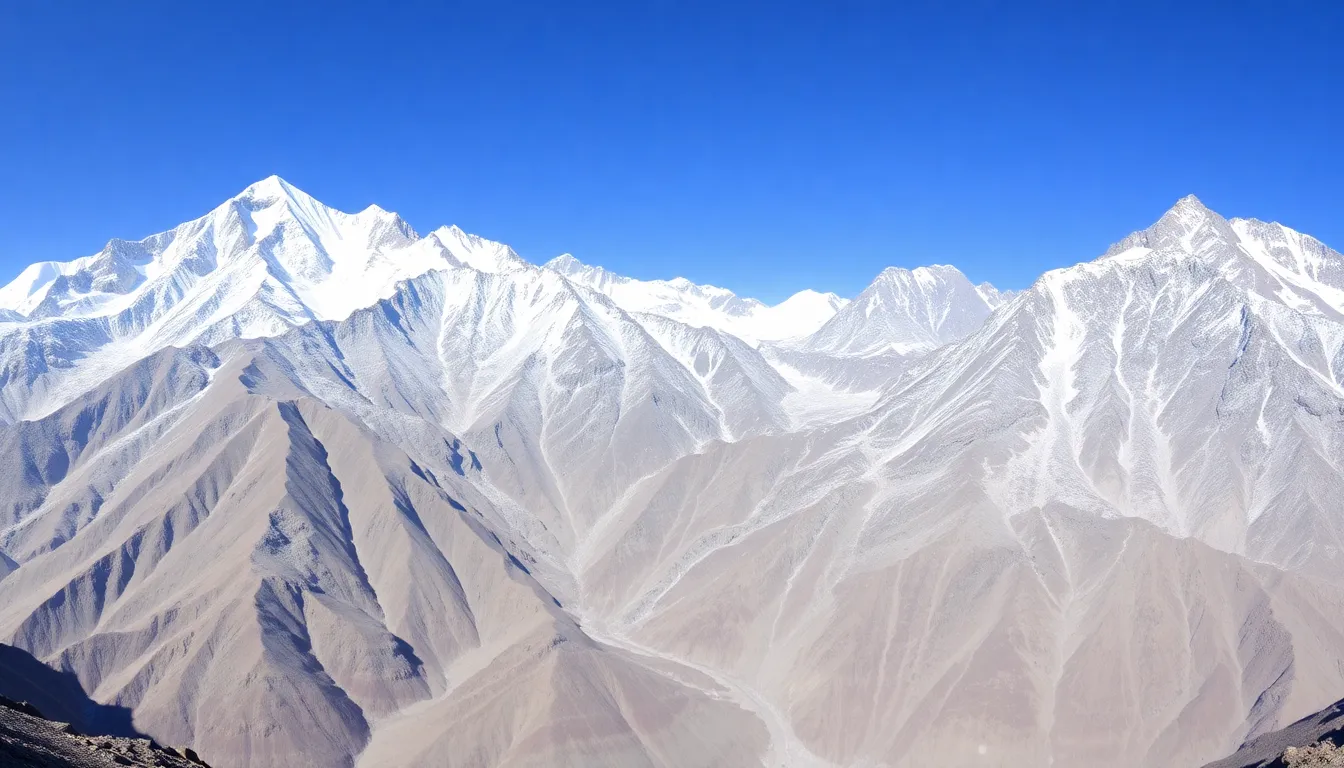
Over the past few decades, climate change has become a significant factor influencing weather patterns in the region. Rising global temperatures have led to altered precipitation patterns, with many areas experiencing reduced snowfall. According to research, the average winter snowfall in the Himalayas has decreased by approximately 30% since the early 2000s, a trend that could have dire consequences for the ecosystems and communities dependent on this vital resource.
Key milestones in climate research
Milestones in climate research have highlighted the urgency of the situation. In 2015, the Intergovernmental Panel on Climate Change (IPCC) released a report specifically addressing the impacts of climate change on mountain regions, including the Himalayas. The report underscored the vulnerability of these areas to warming temperatures and the subsequent effects on snowfall and glacial melt. Furthermore, studies conducted by various universities have shown that the retreat of glaciers in the Himalayas is accelerating, further compounding the issues related to water availability.
The implications of reduced snowfall extend beyond environmental concerns. Economically, the livelihoods of farmers, hydropower projects, and tourism industries are at risk. The changing landscape of the Himalayas could lead to increased water scarcity, affecting agricultural productivity and potentially leading to conflicts over water resources among communities. As the situation evolves, it becomes increasingly critical for policymakers to address these challenges through sustainable practices and effective resource management.
Key stakeholders and the implications of changing snowfall
The Himalayan region is home to a diverse array of stakeholders, each with distinct interests and concerns regarding the recent reduction in winter snowfall. These stakeholders include local communities, environmental organizations, government agencies, and the scientific community. Each group is affected by and has a role in addressing the implications of changing snowfall patterns.
Local communities, particularly those dependent on agriculture and tourism, are directly impacted by reduced snowfall. The decrease in snowpack affects water availability during the warmer months, which can lead to drought conditions and crop failures. Additionally, the tourism industry, which often relies on winter sports and activities, faces challenges as snow levels decline, potentially leading to economic losses.
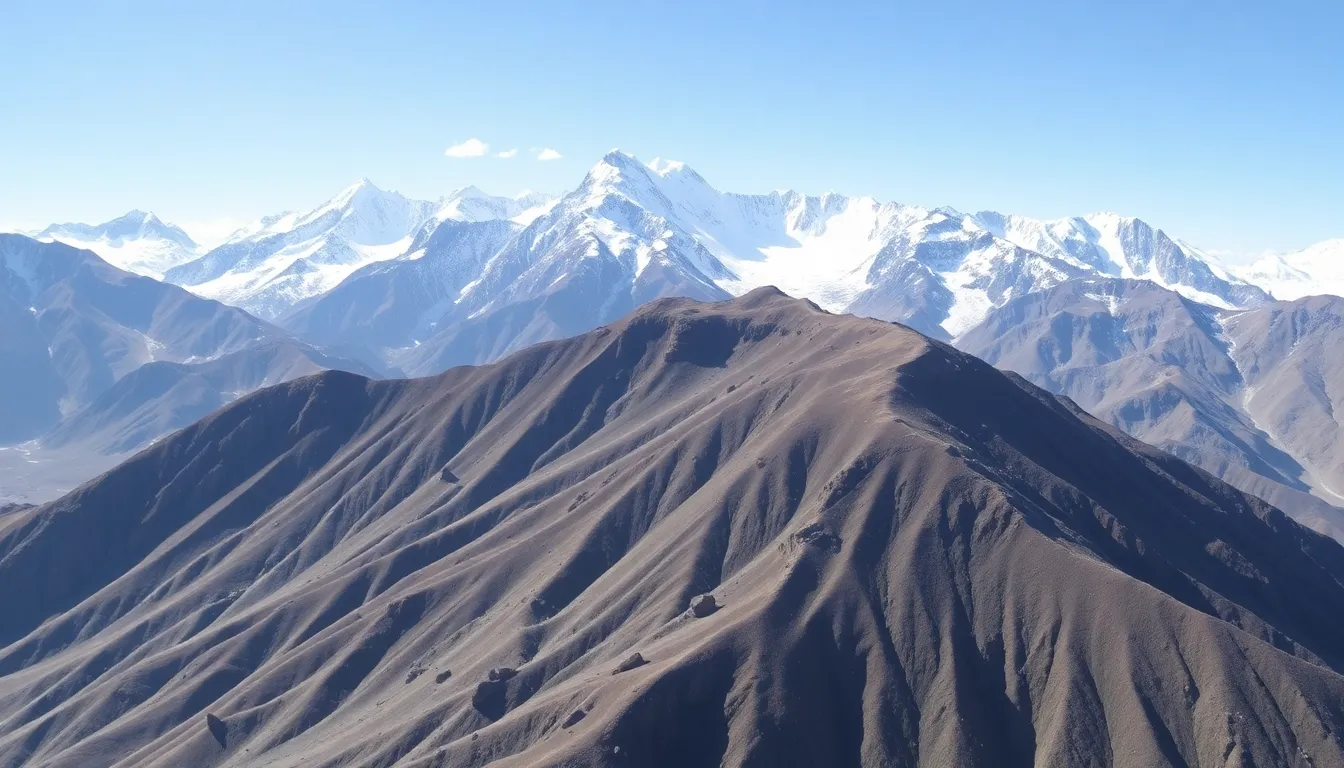
Environmental organizations are focused on the broader ecological consequences of changing snowfall patterns. They are concerned about the impact on biodiversity, as altered precipitation can disrupt habitats and lead to species loss. Furthermore, these organizations advocate for policies aimed at mitigating climate change and promoting sustainable practices to protect the fragile Himalayan ecosystem.
Government agencies at both local and national levels must navigate the complexities of water resource management and environmental protection in light of these changes. They face the challenge of balancing economic development with conservation efforts. Key legal issues may arise regarding water rights and land use, as competing interests among stakeholders come to the forefront.
- Local farmers may advocate for water management reforms to ensure access to irrigation.
- Tourism operators may push for investment in alternative activities to attract visitors.
- Environmental groups may lobby for stricter regulations on land use to protect natural resources.
- Government agencies may need to reassess infrastructure projects that depend on stable snowfall.
- Scientists will continue to study the long-term impacts of climate change on the region, influencing policy decisions.
The effects on local ecosystems and communities
The reduced winter snowfall in the Himalayas is having significant repercussions for various groups, particularly local communities, farmers, and the tourism industry. These changes not only threaten the livelihoods of those who depend on the snowpack for water and agriculture but also impact the delicate ecosystems that thrive in these mountainous regions.
Farmers in the foothills are already feeling the effects, as reduced snowfall leads to diminished water availability during the crucial growing season. This can result in lower crop yields and increased food insecurity in communities that rely heavily on agriculture. Additionally, the tourism industry, which attracts visitors for winter sports and trekking, may suffer as snow levels decline, leading to fewer tourists and decreased revenue for local businesses.
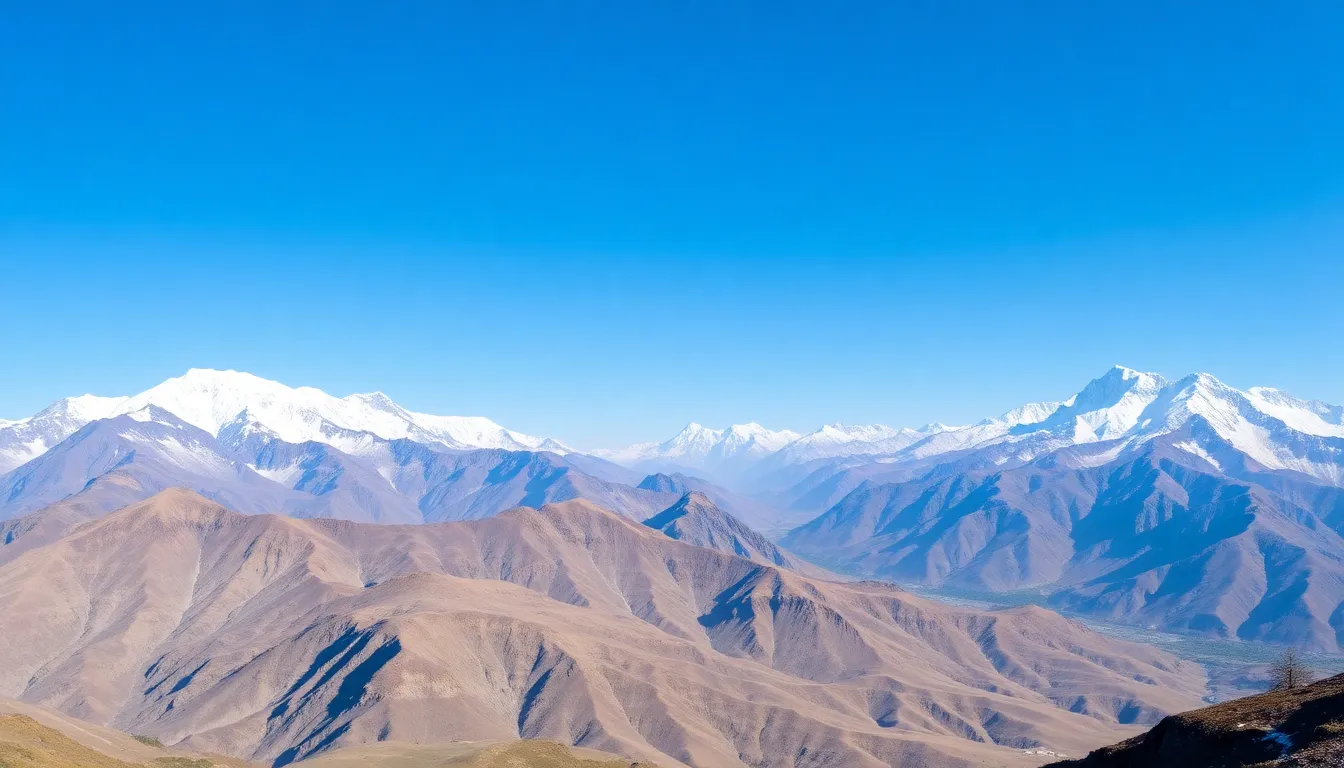
In the short term, communities might experience disruptions in daily life, such as water shortages and economic strain. As a result, local governments may need to implement emergency measures to manage water resources more effectively. In the mid-term, policies may shift towards sustainable water management practices, with a focus on conservation and alternative water sources.
- Increased food insecurity for local farmers.
- Economic decline in the tourism sector.
- Potential for policy changes towards sustainable resource management.
- Heightened risk of landslides and erosion due to changing weather patterns.
While the risks are significant, there are also potential opportunities for innovation and adaptation. For instance, the need for sustainable agriculture practices may drive investments in new technologies and methods that enhance resilience. Moreover, the tourism industry could pivot towards promoting eco-friendly travel experiences, attracting a different demographic of travelers who prioritize sustainability.
A: The main causes include climate change, rising temperatures, and altered weather patterns that affect precipitation. A: Reduced snowfall affects water availability for drinking and agriculture, leading to potential food shortages and economic challenges. A: Yes, long-term consequences may include increased glacial melt, habitat loss, and further climate instability in the region. A: Mitigation efforts include promoting sustainable practices, conservation initiatives, and raising awareness about climate change. A: Individuals can contribute by reducing their carbon footprint, supporting environmental organizations, and advocating for climate action.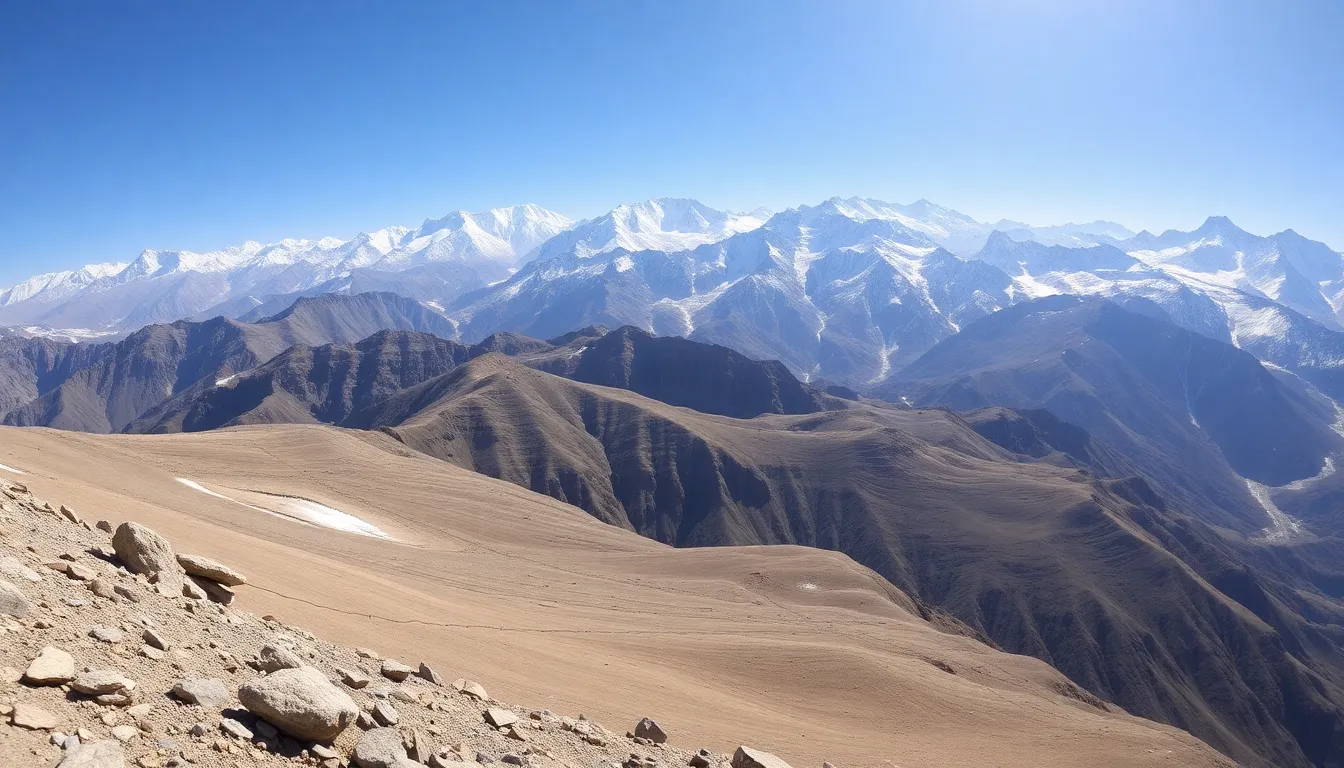
Frequently asked questions about Himalayan snowfall changes
Future outlook on Himalayan environmental changes
The recent reduction in winter snowfall across the Himalayas presents critical challenges for the region’s ecology and the communities that depend on its resources. As glaciers retreat and landscapes become increasingly barren, the implications extend beyond mere aesthetics, affecting water supply, biodiversity, and local economies. Scientists emphasize the urgency of addressing these changes to mitigate long-term impacts on both the environment and human livelihoods.
Monitoring these developments will be essential as they may lead to shifts in weather patterns, increased risk of natural disasters, and alterations in local agriculture. Stakeholders, including policymakers and local communities, must remain vigilant and proactive in adapting to the evolving conditions of the Himalayan ecosystem.
- Water Resources: Decreased snowfall could lead to water shortages, impacting agriculture and drinking water supplies in downstream communities.
- Biodiversity Loss: The changing climate may threaten endemic species, necessitating conservation efforts to protect vulnerable ecosystems.
- Natural Disasters: Increased glacial melt could heighten the risk of landslides and flooding, requiring improved disaster preparedness measures.
- Economic Impact: Local economies reliant on tourism and agriculture may face significant disruptions, highlighting the need for diversification strategies.
- Policy Response: Effective climate policies and international cooperation will be crucial in addressing the challenges posed by these environmental changes.