
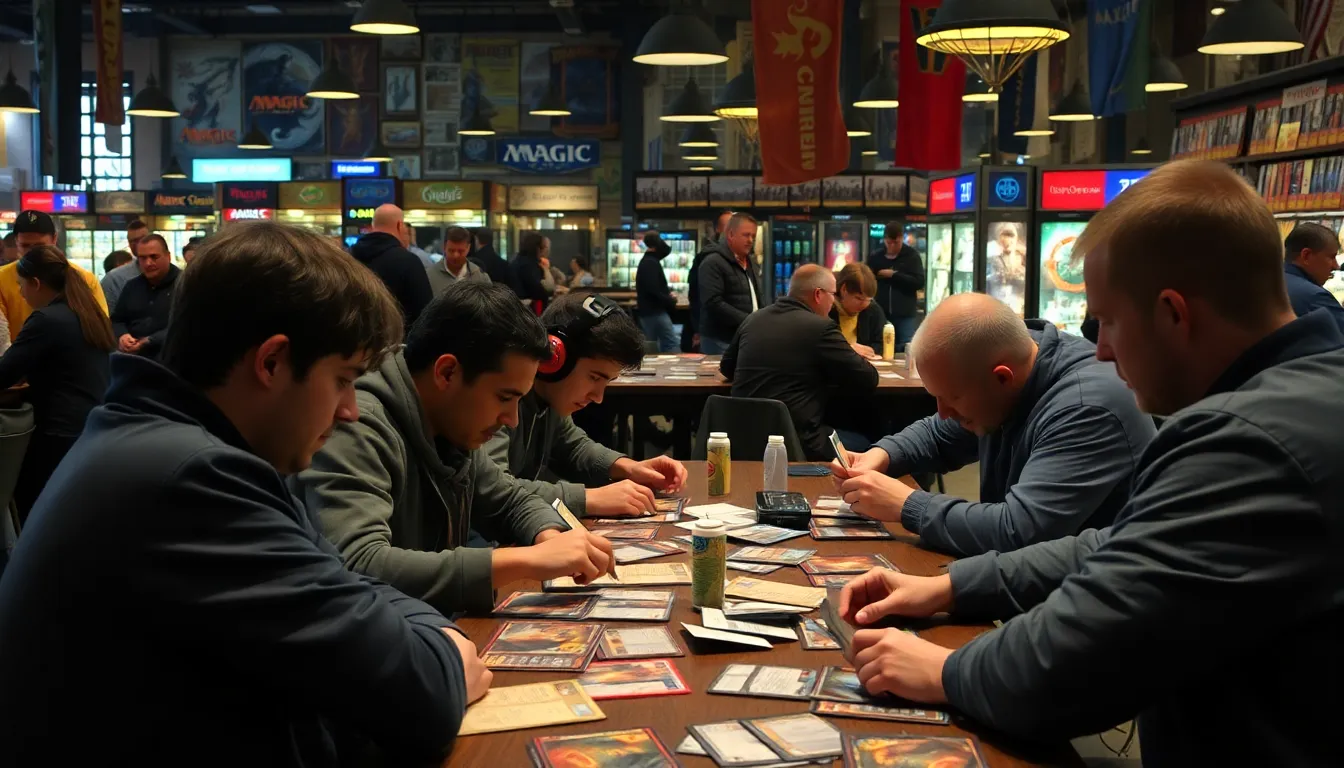
The rise in popularity can be attributed to a series of well-received expansions, such as “The Brothers’ War” released in November 2022 and “Phyrexia: All Will Be One” in February 2023. These sets have introduced compelling narratives and powerful new mechanics that resonate with the community. Additionally, the reintroduction of in-person events, following pandemic-related restrictions, has reignited interest in competitive play.
Furthermore, the establishment of the Magic Pro Tour and various high-stakes tournaments has provided players with lucrative opportunities to showcase their skills. With prize pools reaching into the hundreds of thousands of dollars, the competitive scene has become increasingly attractive to aspiring professional players. This shift has not only elevated the game’s profile but has also fostered a sense of community among players, much like the growing interest seen in trading card games around the world.
The impact of this growth extends beyond the game itself, influencing the broader trading card game market. As Magic: The Gathering continues to thrive, other card games are closely watching its developments, which could lead to a re-evaluation of their own competitive structures. The current momentum presents both challenges and opportunities for Hasbro as they navigate this dynamic landscape, particularly in light of recent studies revealing the economic implications of collectible games.
The Historical Context of Trading Card Games
The phenomenon of trading card games (TCGs) began in the early 1990s, with the release of Magic: The Gathering (MTG) by mathematician Richard Garfield and publisher Wizards of the Coast. This innovative game combined strategy, fantasy, and collectible elements, captivating a diverse audience and laying the foundation for a new genre of gaming. The success of MTG not only established a fanbase but also inspired numerous other TCGs, creating a competitive market that continues to expand.
In the years following MTG’s launch, several key milestones marked the evolution of trading card games. The introduction of Pokémon Trading Card Game in 1996 brought a wave of new players, particularly children, and further solidified the TCG industry. The competitive scene began to take shape with organized play events, culminating in large-scale tournaments that attracted players from around the globe. These events established a culture of competition and community, which became integral to the identity of TCGs.
As the popularity of TCGs grew, so did the economic implications. The collectible nature of these games led to a thriving secondary market, where rare cards could fetch exorbitant prices. This economic dynamic not only incentivized players to engage with the games more seriously but also attracted investors and speculators, further fueling the industry’s growth. Companies began to recognize the potential for profit through merchandise, expansions, and digital adaptations, contributing to a booming market.
The Rise of Competitive Play
With the establishment of professional circuits and high-stakes tournaments, the competitive aspect of TCGs gained significant traction. Events such as the Magic Pro Tour and the Pokémon World Championships elevated the status of players, turning some into celebrities within the gaming community. This rise in competitive play has also been influenced by the advent of online platforms, which have made it easier for players to participate in tournaments and connect with a global audience. The combination of economic incentives and community engagement has created a robust ecosystem that continues to evolve.
Key Stakeholders and Issues in the Competitive Scene
The landscape of Hasbro’s Magic: The Gathering (MTG) and its high-stakes trading card game (TCG) competitions is shaped by a variety of stakeholders, each with distinct interests and influences. The primary actors include Hasbro as the parent company, players, tournament organizers, and sponsors. Additionally, the growing community of fans and collectors plays a significant role in the ecosystem.
Hasbro seeks to expand its market share and enhance brand loyalty through the success of MTG. The company invests in promotional events, digital platforms, and merchandise, aiming to attract both new players and seasoned veterans. This growth strategy often leads to tensions with players who may feel that the commercialization of the game undermines its integrity and competitive spirit.
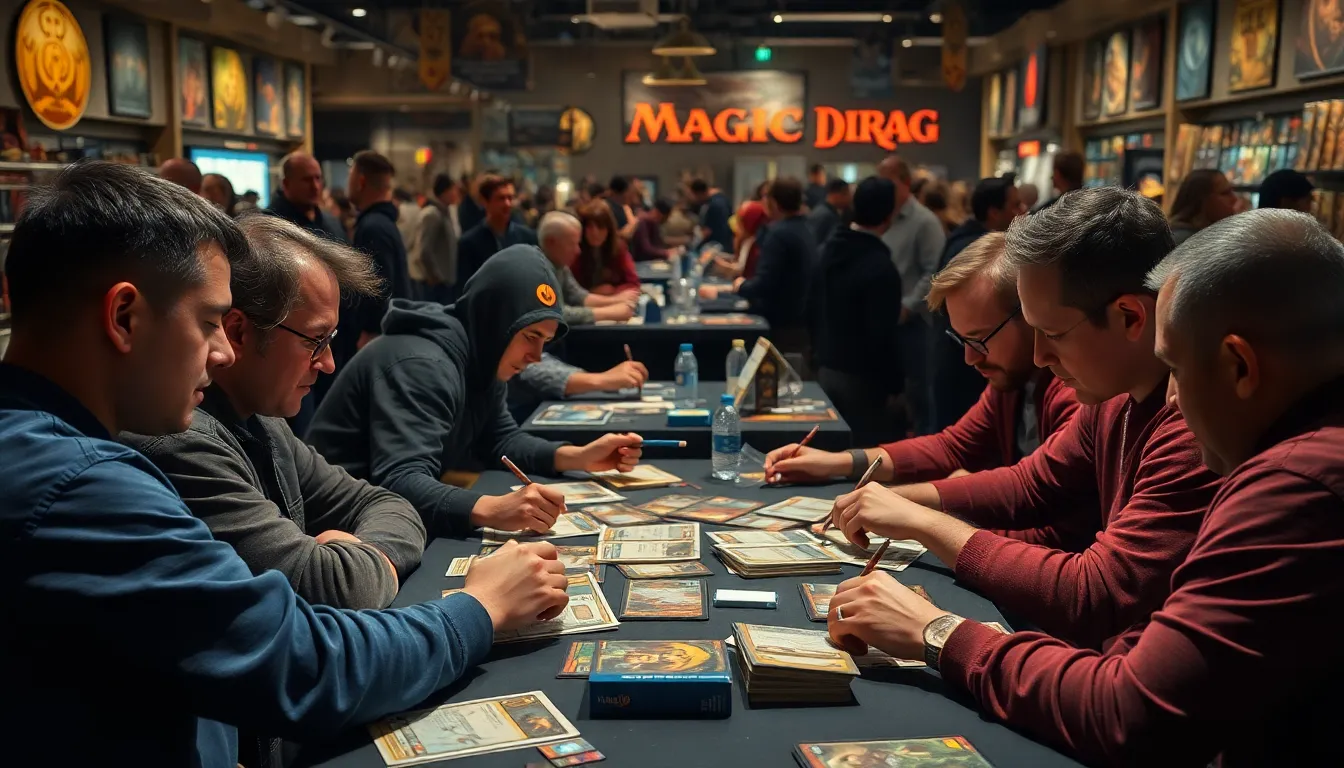
Players, ranging from casual enthusiasts to professional competitors, have varying interests that can conflict with corporate objectives. While many players are motivated by the desire for recognition and financial rewards, others prioritize the community aspect of the game and its strategic depth. This divergence can lead to disputes over tournament formats, prize distributions, and the accessibility of events.
Tournament organizers, who facilitate competitions, face the challenge of balancing profitability with player satisfaction. They must navigate logistical issues, such as venue selection and scheduling, while also adhering to the rules set forth by Hasbro. Additionally, they often rely on sponsorships, which can influence the structure and focus of events, creating potential conflicts of interest.
- Economic Issues: The financial viability of tournaments and the impact of sponsorship deals on player experience.
- Legal Concerns: Intellectual property rights and the implications of counterfeit products in the MTG market.
- Community Dynamics: The tension between competitive play and the grassroots nature of the MTG community.
- Market Trends: The influence of digital adaptations of TCGs and their effect on traditional gameplay.
- Player Representation: The need for diverse voices in decision-making processes regarding game development and tournament regulations.
Impact on Players and the Gaming Market
The surge in popularity of Hasbro’s Magic: The Gathering and its high-stakes pro competition has significantly affected various groups, including players, local gaming shops, and the broader gaming industry. Players ranging from casual enthusiasts to professional competitors are experiencing a shift in their engagement with the game, as the competitive scene becomes more prominent and lucrative.
Local game stores are also feeling the impact, as they serve as the primary venues for tournaments and community gatherings. These establishments may see an increase in foot traffic and sales, driven by the heightened interest in competitive play. However, they also face challenges in managing larger crowds and ensuring they can provide adequate support for events.
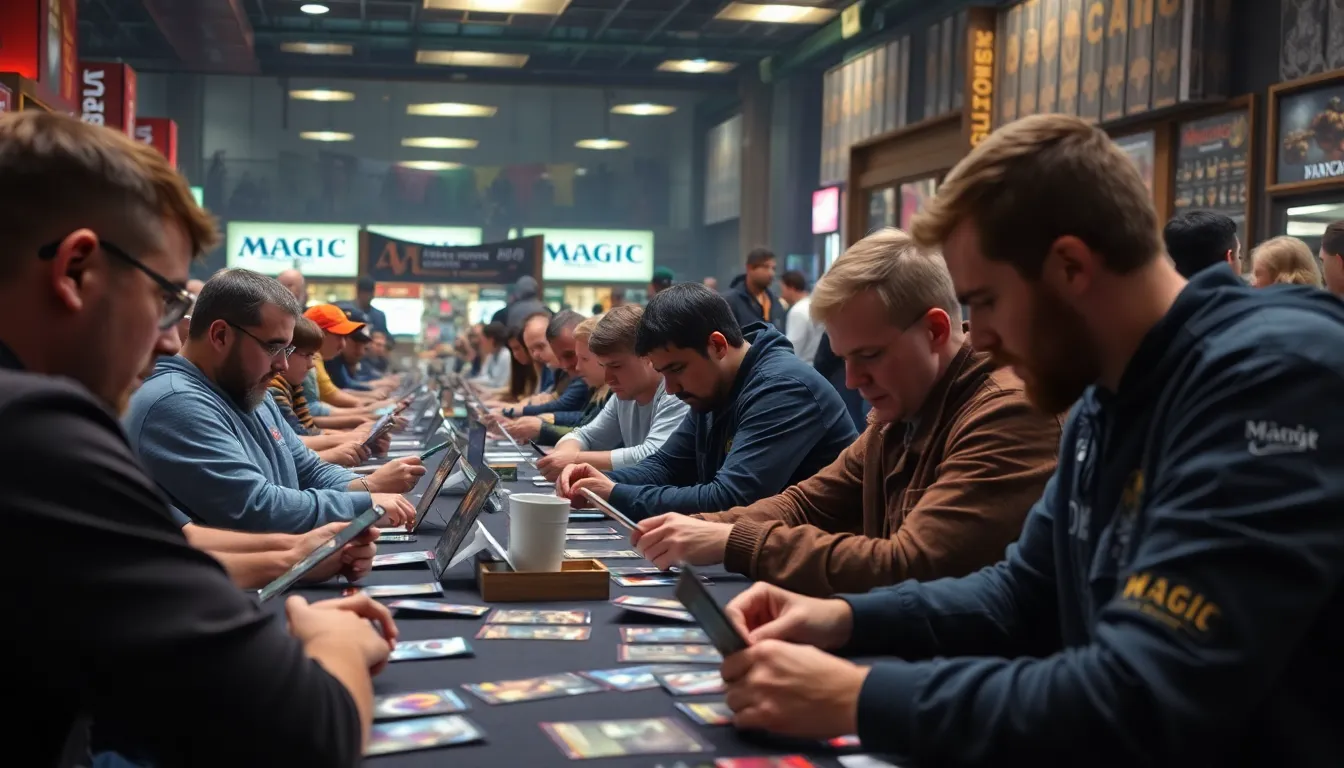
In the short term, players may find themselves investing more time and resources into deck building and participation in tournaments, leading to a more vibrant gaming community. However, the pressure to perform at higher levels could also lead to stress and burnout among participants. In the mid-term, the gaming market may witness an influx of new players eager to join the competitive scene, potentially transforming the demographic landscape of Magic: The Gathering.
- Opportunities: Increased sponsorship deals for players and events, leading to greater financial support for the community.
- Risks: The potential for elitism within the community, as the focus on high-stakes competition may alienate casual players.
- Market Growth: Expansion of related industries, such as merchandise sales and online streaming platforms, catering to a larger audience.
As the competitive scene evolves, policies surrounding tournament organization and player conduct may also need to adapt, ensuring fair play and inclusivity. This transformation could set new standards within the gaming industry, influencing how other trading card games approach competition and community engagement.
A: The growth can be attributed to a combination of innovative game mechanics, increased community engagement, and strategic marketing by Hasbro. Additionally, the rise of online platforms has made it easier for players to connect and compete. A: The pro competition consists of various tournaments where players compete for cash prizes and recognition. These events are often streamed online, attracting a larger audience and increasing the game’s visibility. A: Players in the pro scene gain not only monetary rewards but also opportunities for sponsorships and exposure within the gaming community. Success in these competitions can lead to a career in professional gaming. A: While there are no strict age restrictions, players under the age of 18 often need parental consent to participate in certain tournaments. Most events welcome players of all ages. A: The pandemic initially disrupted in-person events, leading to a shift towards online competitions. This transition has allowed for greater accessibility and has attracted new players to the game.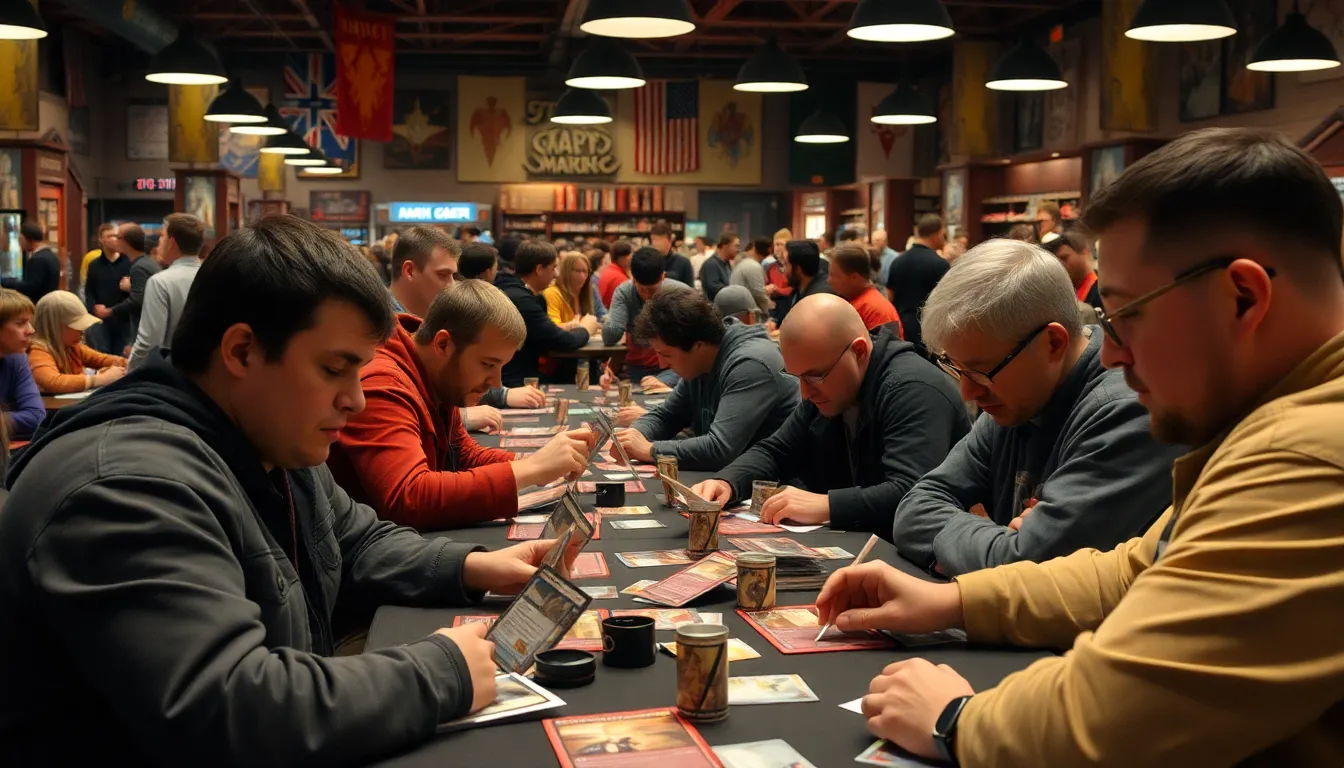
Frequently Asked Questions about Magic: The Gathering
Future Outlook and Key Takeaways for Magic: The Gathering
The remarkable growth of Hasbro’s Magic: The Gathering and its high-stakes pro competition signals a transformative period for the trading card game industry. As the game continues to attract a diverse audience and expand its competitive landscape, several implications emerge that could shape its future trajectory. The integration of digital platforms and live events is likely to enhance player engagement, while the evolving strategies of both players and sponsors will redefine the competitive ecosystem.
Moreover, the sustained interest in Magic: The Gathering suggests that it will continue to be a significant player in the entertainment market. Observing trends in player demographics and tournament formats will be crucial for stakeholders aiming to capitalize on this momentum.
- Increased Investment: Expect more sponsorships and partnerships as brands recognize the value of engaging with the Magic community.
- Diverse Player Base: The game’s appeal to varied demographics will likely drive initiatives aimed at inclusivity and community building.
- Technological Integration: Continued enhancement of digital platforms will provide new avenues for gameplay and competition, potentially attracting a younger audience.
- Event Innovation: Watch for creative tournament formats and hybrid events that blend online and in-person experiences, keeping the competitive scene dynamic.
- Community Engagement: The importance of player feedback and community involvement will shape future game developments and competitive structures.