
The documentary features rare footage and interviews with key figures of the Harlem Renaissance, including poets, musicians, and visual artists. Notable contributors to the film include renowned scholars and historians who provide context and analysis of the era’s impact on contemporary society. By bringing these voices to a global audience, the documentary aims to highlight the enduring legacy of this transformative cultural movement, which is explored in-depth in our article on Yassmin Pucci Pahlavi.
This premiere is significant not only for its historical content but also for its relevance in today’s discussions about race, identity, and artistic expression. As conversations about social justice and representation continue to evolve, the film serves as a reminder of the rich cultural heritage that has shaped the African American experience. The global release will allow audiences worldwide to engage with this important chapter of history.
The anticipation surrounding the film’s release has sparked renewed interest in the Harlem Renaissance, with various events and discussions planned leading up to the premiere. Educational institutions and cultural organizations are preparing to host screenings and panels to foster dialogue about the themes presented in the documentary, reflecting a broader engagement with issues of race and identity that resonate with our feature on recent social movements.
Understanding the significance of the Harlem Renaissance
The Harlem Renaissance was a cultural, social, and artistic explosion that took place in Harlem, New York, during the 1920s and 1930s. This period marked a pivotal moment in African American history, as it fostered a sense of racial pride and cultural identity among Black artists, writers, and musicians. It was a time when the contributions of African Americans to the arts, literature, and music gained significant recognition, challenging the prevailing racial stereotypes and injustices of the era.
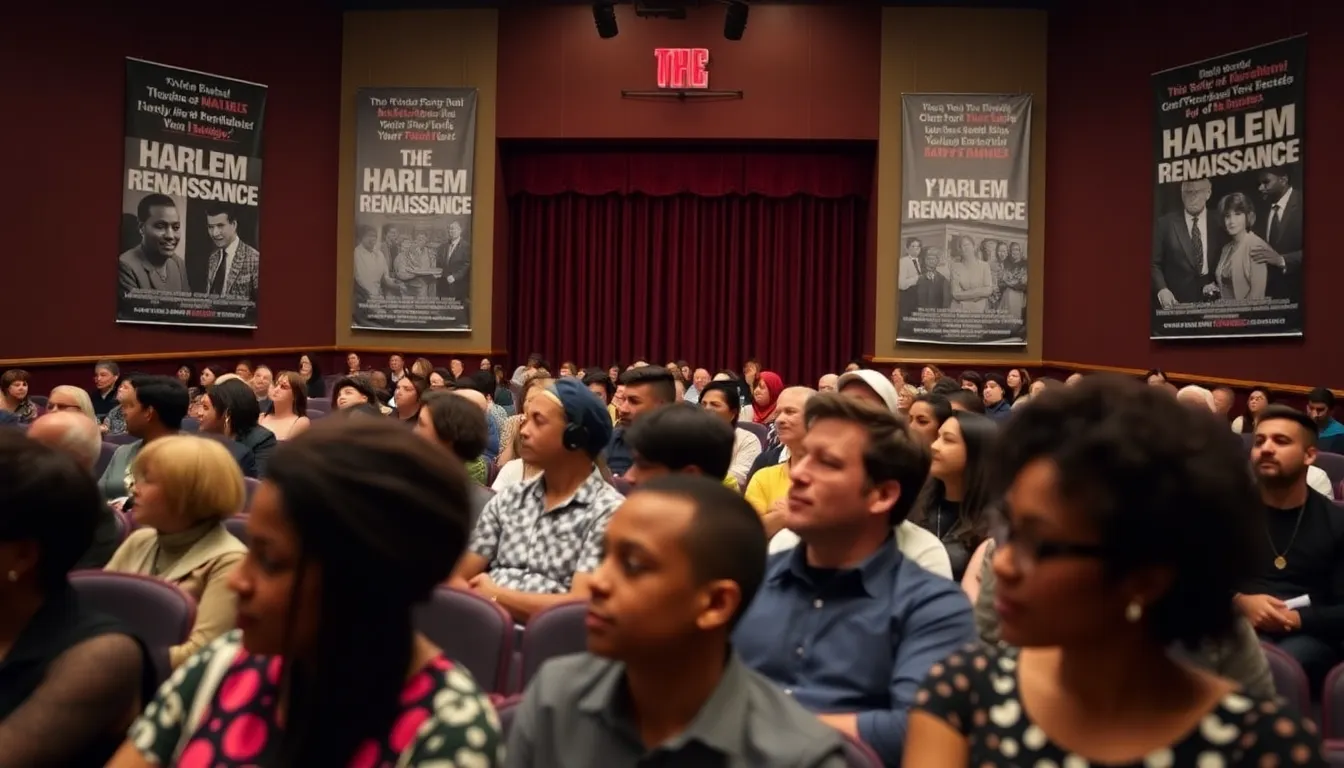
Historically, the Harlem Renaissance arose in the aftermath of the Great Migration, when millions of African Americans moved from the rural South to urban centers in the North in search of better economic opportunities and to escape Jim Crow laws. This migration not only transformed the demographics of cities like New York but also created vibrant communities that became hotbeds for artistic expression. The convergence of diverse talents, such as Langston Hughes, Zora Neale Hurston, and Duke Ellington, played a crucial role in shaping the cultural landscape of the time.
The Role of Politics and Society
The political climate during the Harlem Renaissance was marked by both oppression and opportunity. The civil rights movement was gaining momentum, and the cultural output from Harlem served as a powerful voice against racial discrimination. The emergence of organizations like the NAACP and the Universal Negro Improvement Association provided platforms for African Americans to advocate for their rights. This socio-political backdrop not only influenced the themes of the art produced during this time but also laid the groundwork for future civil rights activism.
Despite the rich cultural legacy of the Harlem Renaissance, the documentary that captures this vibrant era faced a long and arduous journey to completion. Filming began over 50 years ago, but various challenges, including funding issues and shifting societal interests, delayed its release, much like the struggles reported in our coverage of mental health awareness campaigns. Now, as the world seeks to revisit and understand the complexities of racial identity and cultural heritage, the global premiere of this documentary serves as a timely reminder of the enduring impact of the Harlem Renaissance on contemporary society.
Key stakeholders and their roles in the documentary’s release
The release of the Harlem Renaissance documentary marks a significant milestone, not only for the film industry but also for cultural heritage. Several key stakeholders are involved in this event, each with their own interests and motivations. These stakeholders include filmmakers, cultural institutions, government entities, and the audience itself.
Filmmakers and production companies are primary stakeholders, as they aim to showcase the rich history and contributions of the Harlem Renaissance. Their interests lie in achieving recognition for their work and ensuring that the documentary reaches a broad audience. Additionally, cultural institutions, such as museums and art organizations, have a vested interest in promoting the documentary as it aligns with their mission to preserve and celebrate African American culture.
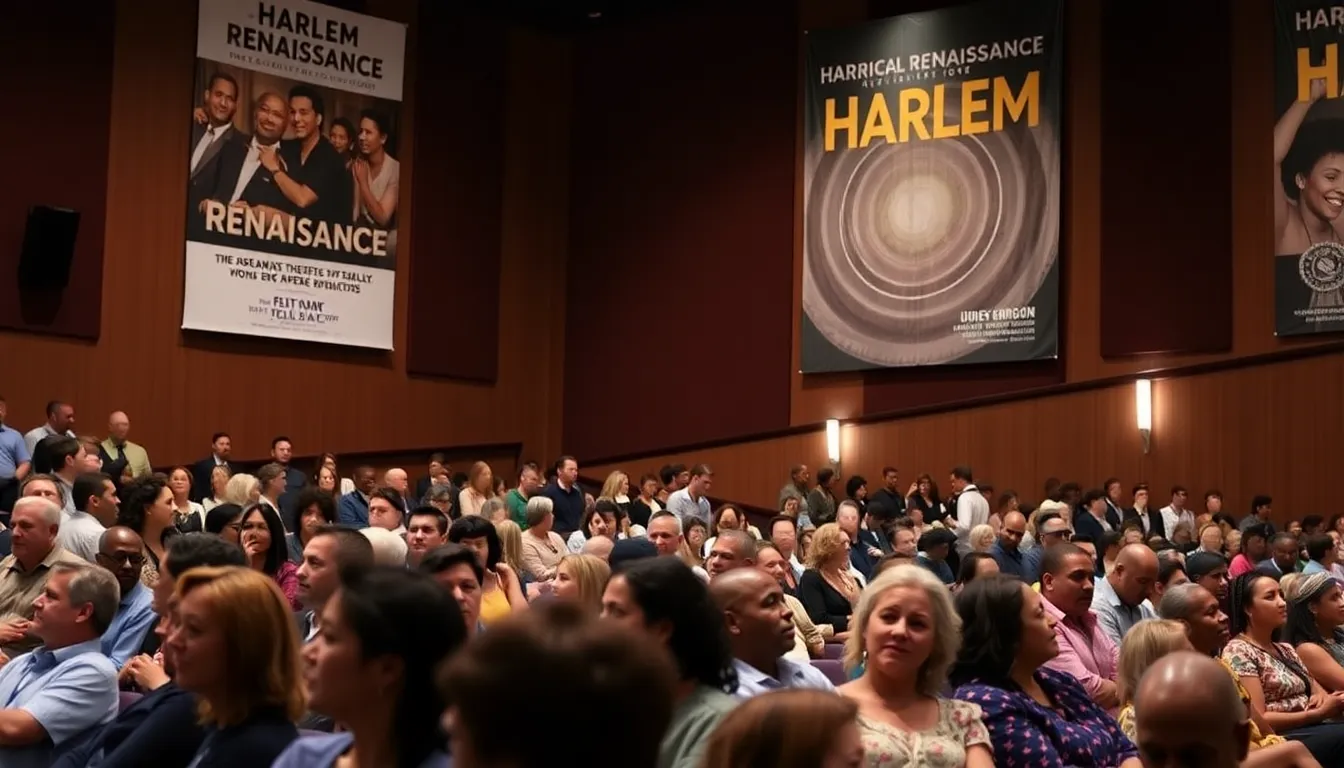
Government entities also play a crucial role, particularly in terms of funding and support for cultural projects. Their involvement can lead to potential conflicts, especially when it comes to budget allocations and prioritization of cultural initiatives. Economic issues may arise if the documentary fails to attract enough viewership or funding, impacting future projects related to similar themes.
- Filmmakers: Seeking recognition and audience engagement.
- Cultural Institutions: Aiming to promote and preserve cultural heritage.
- Government Entities: Balancing budget constraints with cultural support.
- Audiences: Desiring access to diverse narratives and historical insights.
Conflicts may also emerge between commercial interests and the documentary’s artistic integrity. While some stakeholders may prioritize profitability, others might advocate for a focus on educational value and cultural significance. This tension highlights the trade-offs that often accompany the release of culturally important media.
The documentary’s influence on modern culture and education
The global premiere of the Harlem Renaissance documentary marks a significant milestone for various groups, particularly those within the African American community, educators, and cultural historians. The film serves as a vital resource for understanding the cultural explosion that took place in Harlem during the 1920s, influencing generations of artists, writers, and musicians. As such, it holds the potential to impact educational curricula and cultural discussions worldwide.
In the short term, the documentary is likely to ignite renewed interest in the Harlem Renaissance, leading to increased attendance at cultural events, exhibitions, and educational programs centered around this pivotal era. Schools and universities may incorporate the film into their lesson plans, fostering a deeper appreciation for African American history and contributions to the arts. This could result in a more diverse representation of history in academic settings.
In the mid-term, the documentary may influence the entertainment and arts industries by inspiring new artistic works that draw on the themes and figures highlighted in the film. Filmmakers, playwrights, and musicians might find fresh inspiration in the stories of the Harlem Renaissance, leading to a revival of interest in this period and its cultural significance. This could stimulate economic growth in creative sectors, particularly in cities with rich African American heritage.
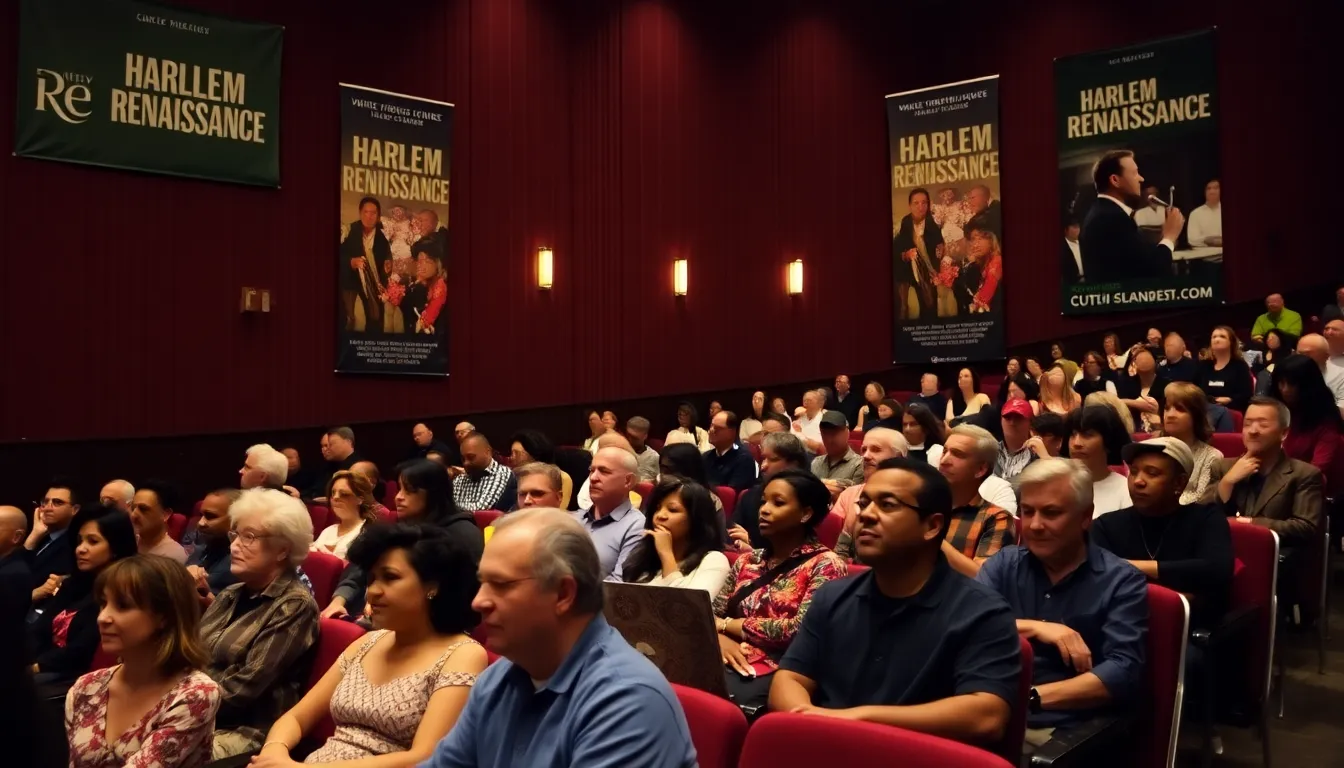
- Increased cultural awareness: The documentary can enhance understanding of African American contributions to society.
- Educational reforms: It may lead to changes in how history and art are taught in schools.
- Economic opportunities: Potential for growth in the arts and entertainment sectors.
- Community engagement: Encourages local events and discussions around cultural history.
However, there are risks involved, such as the potential for misinterpretation or oversimplification of the complex narratives surrounding the Harlem Renaissance. Additionally, if the documentary is not widely distributed or accessible, the opportunity for broader impact may be diminished. Ensuring that the film reaches diverse audiences will be crucial for maximizing its influence.
A: The documentary explores the Harlem Renaissance, a cultural movement in the 1920s that celebrated African American art, literature, and music. A: Various factors, including funding issues and historical preservation challenges, delayed the documentary’s release until now. A: The documentary will be available for streaming on various platforms, with specific release dates to be announced. A: The film highlights prominent figures such as Langston Hughes, Zora Neale Hurston, and Duke Ellington, showcasing their contributions to the movement. A: The Harlem Renaissance laid the groundwork for future generations of artists and has significantly influenced contemporary music, literature, and social movements.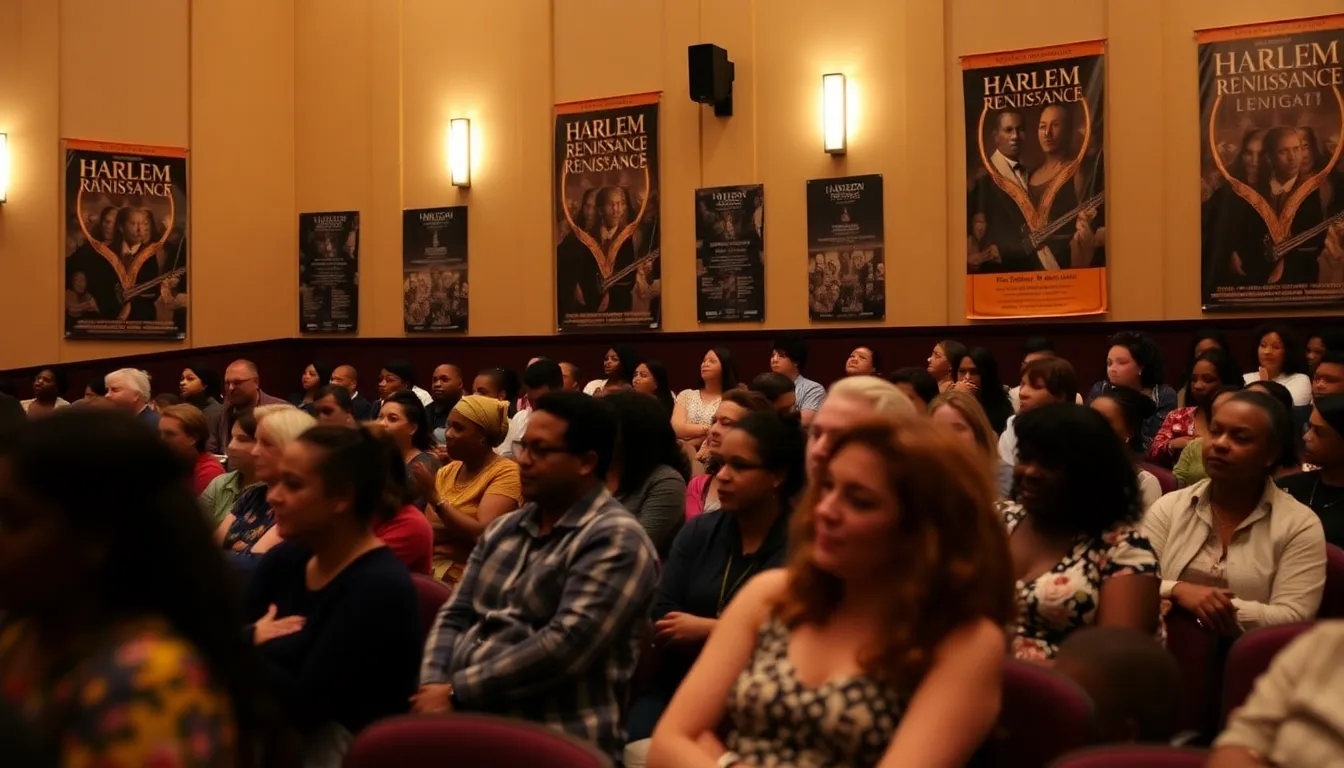
Frequently asked questions about the documentary
Key takeaways and future implications of the documentary
The global premiere of the Harlem Renaissance documentary marks a significant milestone not only in the preservation of cultural history but also in the ongoing dialogue about representation in media. As audiences finally get to experience this long-awaited film, it serves as a reminder of the rich artistic legacy of the Harlem Renaissance and its relevance in today’s cultural landscape. The documentary’s release has the potential to inspire new generations to explore and celebrate African American art and history.
Furthermore, this event highlights the importance of archival footage and storytelling in connecting past movements to contemporary issues. As discussions around race, identity, and cultural heritage continue to evolve, this documentary can serve as a catalyst for broader conversations about the contributions of Black artists and the need for inclusive narratives in film and beyond.
- The documentary’s release may encourage more investment in preserving and showcasing historical cultural narratives.
- It could spark renewed interest in the Harlem Renaissance, leading to increased academic and artistic exploration of the period.
- Expect potential collaborations between filmmakers and cultural institutions to create educational programs centered on the themes presented in the documentary.
- Viewers may become more engaged in discussions about representation and diversity in media, influencing future productions.
- The film’s global reach could promote a deeper understanding of the impact of the Harlem Renaissance beyond American borders.