
The backdrop of her statements is a growing concern among artists and writers about the potential for AI to disrupt traditional creative processes. As AI technologies become more sophisticated, there is a fear that they may replace human jobs or dilute the value of original content. Einbinder’s passionate outburst reflects a sentiment shared by many in the creative community who feel threatened by the rapid advancements in AI. This tension is echoed in ongoing discussions about the ethical implications of technology.
These comments were made public during a promotional event for her show ‘Hacks,’ which has received critical acclaim for its portrayal of the comedy world. The timing of her remarks coincides with ongoing debates in Hollywood regarding the use of AI in scriptwriting and production. As the industry grapples with these changes, Einbinder’s words resonate with those advocating for the protection of creative integrity, a topic that is increasingly pertinent in today’s digital landscape.
Moreover, Einbinder’s remarks highlight the broader societal discourse surrounding technology and ethics. As AI continues to evolve, discussions about accountability and the responsibilities of tech creators are becoming increasingly relevant. Her statements may serve as a rallying cry for those who believe that human creativity should remain at the forefront of artistic expression.
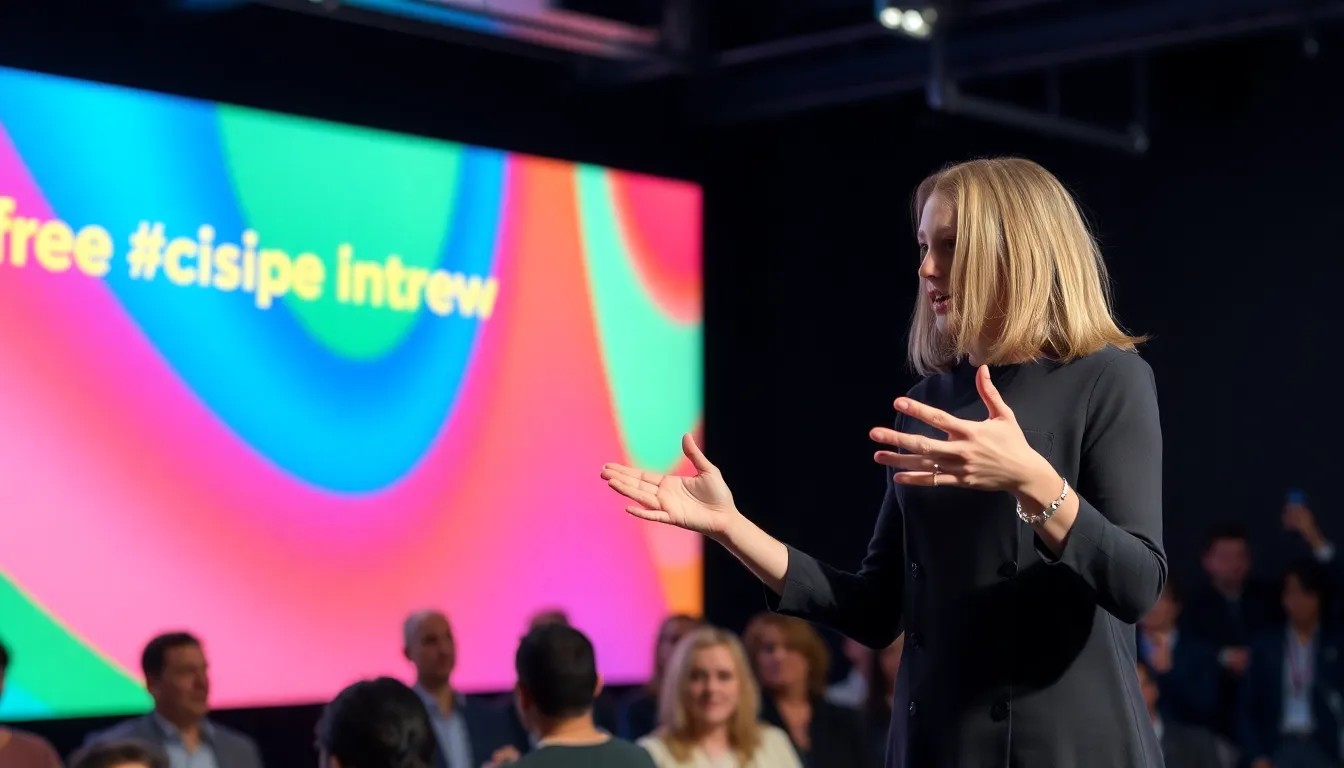
The Rising Tensions Between Creators and AI Technology
In recent years, the rapid advancement of artificial intelligence (AI) technology has sparked significant debate and controversy, particularly among creators in the entertainment industry. As AI tools become increasingly capable of generating content that mimics human creativity, many artists, writers, and performers have expressed concerns about the implications for their livelihoods and the integrity of their work. This tension has been exemplified by comments from ‘Hacks’ star Hannah Einbinder, who has openly criticized AI creators, labeling them as “losers” and expressing a visceral disdain for the technology’s encroachment on artistic expression.
The roots of this conflict can be traced back to the rise of digital technology and the internet, which have fundamentally transformed how content is produced and consumed. While these advancements have democratized access to creative tools, they have also led to the proliferation of AI systems capable of generating text, music, and visual art. As these technologies evolve, many creators fear that their unique voices and contributions may be overshadowed or devalued by machine-generated content.
Key milestones in this ongoing struggle include the introduction of AI models like OpenAI’s GPT series and DALL-E, which have garnered both acclaim and criticism for their ability to produce human-like writing and artwork. These developments have prompted discussions about copyright, ownership, and the ethical implications of using AI in creative processes. The entertainment industry is now at a crossroads, grappling with how to integrate these technologies while protecting the rights and livelihoods of human creators.
The Impact on Creative Industries
The impact of AI on creative industries is multifaceted, with potential benefits and drawbacks. On one hand, AI can serve as a tool for inspiration and efficiency, allowing creators to explore new ideas and streamline their workflows. On the other hand, the fear of obsolescence looms large, as many worry that AI-generated content could flood the market, undermining the value of original work. As voices like Hannah Einbinder’s gain prominence, the conversation surrounding AI in the arts continues to evolve, highlighting the urgent need for a balanced approach that respects both innovation and the artistry of human creators, much like the ongoing debates in other sectors.
Examining the Implications of Einbinder’s Statements
Hannah Einbinder, known for her role in the series “Hacks,” has sparked significant discourse regarding artificial intelligence (AI) and its creators. Her strong condemnation of AI developers as “losers” reflects a growing sentiment among artists and creators who feel threatened by the rapid advancements in AI technology. This section will explore the stakeholders involved and the key issues at play.
One of the main actors in this discussion is the entertainment industry, particularly artists and writers who fear that AI could undermine their creativity and livelihoods. Einbinder’s comments resonate with many in the creative community who believe that AI-generated content lacks the nuance and emotional depth that human creators provide. This conflict raises questions about the future of artistic expression and the role of technology in shaping it.
On the opposing side, AI developers and tech companies are driven by innovation and the potential for economic gain. They argue that AI can enhance creativity and efficiency, providing tools that can assist rather than replace human creators. However, this perspective often overlooks the ethical implications and the potential for job displacement within creative industries.
- Conflict of Interest: The clash between the interests of artists and tech companies highlights a fundamental disagreement about the value of human creativity versus machine-generated content.
- Legal Issues: Copyright and intellectual property rights are significant concerns, as the use of AI in content creation raises questions about ownership and originality.
- Economic Trade-offs: While AI can reduce production costs, it may also lead to a decrease in job opportunities for writers and artists, creating a precarious economic landscape.
- Public Perception: The backlash from creators like Einbinder may influence public opinion on AI, potentially impacting its acceptance and integration into creative fields.
- Future of Creativity: The ongoing debate will shape the future relationship between human creators and AI, determining how both can coexist in the evolving landscape of the arts.
In summary, Einbinder’s provocative remarks serve as a catalyst for a broader discussion on the implications of AI in the creative sector, highlighting the need for dialogue among all stakeholders involved.
How Einbinder’s Comments Reflect Broader Industry Concerns
Hannah Einbinder’s outspoken criticism of AI creators highlights a growing frustration among various groups, particularly those in the entertainment industry. Actors, writers, and content creators are increasingly voicing their concerns over the rapid advancement of artificial intelligence and its implications for creative professions. This sentiment is particularly resonant in regions with vibrant entertainment hubs, such as Los Angeles and New York, where the impact of AI on job security and creative integrity is felt most acutely.
The short-term impacts of this AI backlash are already visible, as many artists and performers express anxiety over potential job displacement. There is a fear that AI-generated content could undermine traditional roles within the industry, leading to a devaluation of human creativity. This could result in increased tension between creators and tech companies, prompting calls for stricter regulations on the use of AI in creative fields.
In the mid-term, the industry may see a shift in business practices as companies reassess their reliance on AI technologies. While some businesses might explore innovative ways to integrate AI into their workflows to enhance productivity, others may face backlash from consumers who prefer authentic human-created content. This could lead to a bifurcation in the market, where companies that prioritize human creativity may gain a competitive edge.
- Job Security: Increased anxiety among creatives about job displacement.
- Regulatory Changes: Potential for new policies governing AI use in creative industries.
- Consumer Preferences: Shifts in audience demand for human versus AI-generated content.
- Business Strategies: Companies may need to adapt their approaches to balance AI integration with human creativity.
While the risks are significant, there are also opportunities for innovation and collaboration. Creatives may find new ways to leverage AI as a tool rather than a replacement, leading to hybrid forms of content that blend human insight with technological capabilities. This could foster a new wave of creativity, ultimately enriching the industry and offering fresh experiences to audiences.
Frequently Asked Questions About Hannah Einbinder’s Comments
A: Einbinder’s remarks were made in response to the growing influence of AI in creative fields, which she feels undermines traditional artistry.
A: Reactions from other creators have been mixed, with some supporting her views while others argue for the potential benefits of AI in creativity.
A: Her comments may spark further debate on the role of AI in the arts, potentially influencing public perception and policy regarding technology in creative industries.
A: Yes, there is a growing movement among some artists and creators who are concerned about AI’s impact on originality and job security.
Key Takeaways and Future Considerations
Hannah Einbinder’s outspoken criticism of AI creators highlights the growing tensions between traditional creative industries and emerging technologies. As AI continues to evolve and integrate into various aspects of entertainment, the implications for writers, actors, and other creatives are significant. Einbinder’s comments reflect a broader concern about the potential devaluation of human creativity and the ethical responsibilities of those developing AI technologies.
Moving forward, it will be crucial to monitor how the entertainment industry navigates these challenges. The dialogue surrounding AI’s role in creative processes will likely shape policy decisions and industry standards, influencing both the future of content creation and the livelihoods of those involved in it.
- Increased Advocacy: Expect more artists to voice their concerns about AI, advocating for regulations that protect human creativity.
- Industry Standards: The entertainment sector may develop new guidelines to ensure fair practices in the use of AI technologies.
- Collaboration Opportunities: There could be a shift towards collaborative projects where human creativity and AI complement each other rather than compete.
- Public Perception: As discussions around AI evolve, public sentiment may influence how these technologies are adopted within the industry.
- Innovation in Content Creation: Watch for innovations that blend AI with traditional methods, potentially leading to new forms of storytelling.