
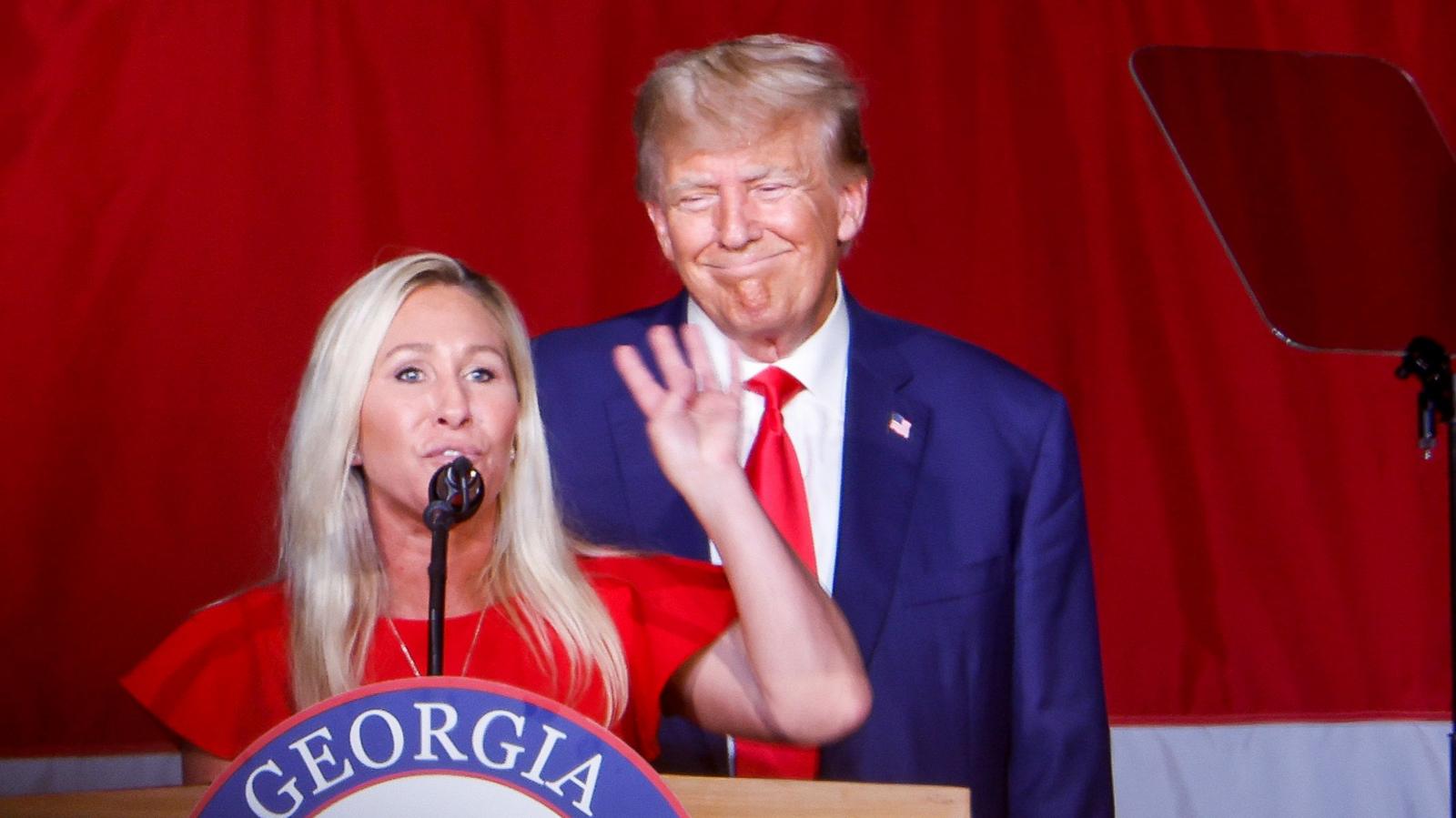
Marjorie Taylor Greene’s political career has been marked by controversy and unwavering loyalty to the Maga movement. Over the years, she has transformed from a prominent supporter of former President Donald Trump to a figure embroiled in multiple controversies, culminating in her recent decision to resign from Congress. Understanding this shift requires a deep dive into the factors that influenced her decisions and the changing political landscape, particularly the challenges faced in the political arena.
Background on Greene’s Political Ascendancy
Greene first gained national attention during the 2020 election due to her staunch support for the MAGA agenda. Her unapologetic embrace of conspiracy theories and radical political positions resonated with a significant faction of the Republican Party.

Rise to Prominence
Growing up in Georgia, Greene entered the political arena with a fervent belief in her ideology. She won her congressional seat in 2020, leveraging social media platforms to gain a following. Her rapid rise can be attributed to several key elements:
- Advocacy for conservative values
- Engagement with right-wing grassroots movements
- Active participation in online political discussions
Evaluating Key Factors Influencing Her Departure
Greene’s departure from Congress did not occur in isolation but was influenced by a series of escalating events that reflected her declining influence and changing political environment.

Political Controversies and Backlash
Throughout her term, Greene faced backlash for her controversial statements, including support for conspiracy theories and inflammatory remarks about political opponents. This backlash led to significant pushback within Congress, culminating in a complex web of political repercussions.
- Removal from committee assignments
- Public condemnation from party leaders
- Calls for resignation from both parties
An Insight into the Shift in Political Environment
The political landscape has evolved since Greene entered Congress, with increasing divisions within the Republican Party. The rise of more moderate factions has complicated her standing, diminishing her perceived support among constituents.

Changing Voter Sentiments
Polling data has shown a shift in voter sentiment, as many constituents expressed concern over Greene’s notoriety, illustrating a complex relationship between extremist positions and electoral viability.
Strategies Used in Political Maneuvering
Throughout her tenure, Greene employed several strategies that emphasized her brand of politics, which ultimately backfired as the political climate shifted.

Engagement with Extremist Groups
Greene’s consistent engagement with extremist groups initially solidified her base, but this backfired as these associations became liabilities in a changing political landscape.
Important Considerations for Political Futures
As Greene steps away from Congress, significant considerations arise for both her and the Republican Party, particularly regarding future strategies and candidate selection.

Implications for Future Campaigns
Future Republican candidates will have to navigate the balance between appealing to the MAGA base while addressing the broader electorate’s concerns. Greene’s exit signals a necessity for adaptability in political messaging, reflecting a growing demand for change in a shifting political landscape.
A: Greene’s resignation was influenced by mounting controversies and a declining political environment that threatened her electoral future. A: Polling indicated a shift in voter attitudes, with many expressing concerns about her controversial statements and associations. A: Greene employed social media engagement, aligned with grassroots movements, and advocated for extreme policies to rally support.
Frequently Asked Questions Regarding Greene’s Political Shift
Looking Ahead in Political Dynamics
The future landscape of American politics will likely reflect the complexities illuminated by Greene’s political journey. Her departure serves as a case study for candidates and party leaders navigating an increasingly polarized environment. As the Republican Party grapples with its identity, it may need to adapt to maintain its electoral competitiveness while addressing the diverse perspectives within its voter base.