
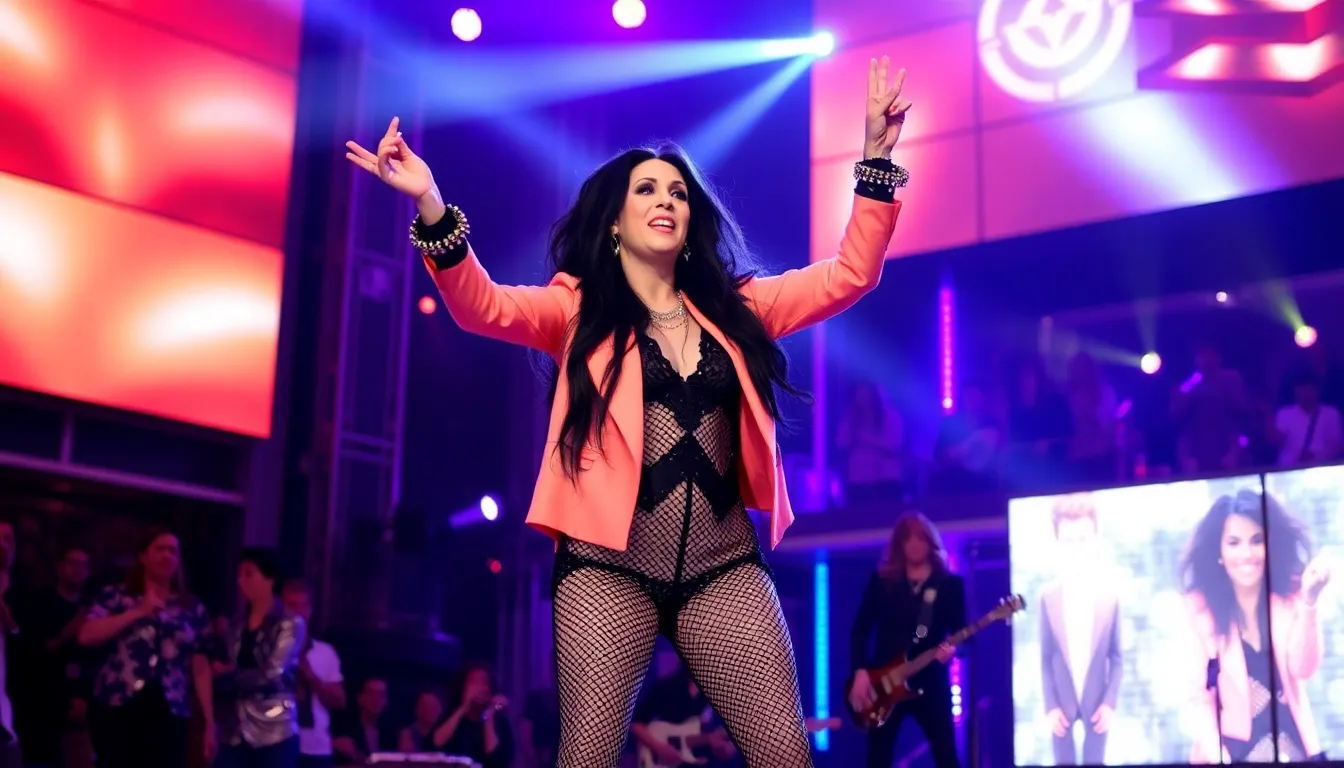
Cher, known for her iconic status in the music industry, made headlines with a chaotic yet memorable performance that left fans buzzing. Her return to the Grammy stage after years was met with mixed reactions, as her bold choices sparked discussions about artistic expression and the evolving nature of live performances.
Meanwhile, Sabrina Carpenter took viewers on a whimsical journey with her flight of fantasy-themed performance, which featured elaborate visuals and choreography. This segment highlighted her growth as an artist and resonated with younger audiences, underscoring the Grammys’ role in showcasing diverse musical talents.
The juxtaposition of Cher’s chaotic moments and Carpenter’s imaginative display reflects the current landscape of the music industry, where traditional norms are continuously challenged. As artists push boundaries, the Grammys serve as a platform for both celebration and controversy, making this year’s event a significant point of discussion among fans and critics alike.
A look back at the history of the Grammy Awards
The Grammy Awards, established in 1959, have evolved into one of the most prestigious events in the music industry. Created to recognize artistic and technical merit in the recording arts, the Grammys were born out of a desire to celebrate the achievements of musicians and to promote excellence in the industry. Over the decades, the event has not only highlighted musical talent but also reflected broader cultural and social trends.
Initially, the Grammys focused primarily on popular music genres, but as the music landscape transformed, so too did the awards. The introduction of new categories over the years, such as Best Rap Album in 1996, signified the industry’s recognition of diverse musical styles. This evolution mirrors societal changes and the growing acceptance of different cultural expressions within the mainstream.
Key Milestones in Grammy History
Several milestones have marked the Grammy Awards’ journey. For instance, the first televised Grammy Awards in 1971 brought the event into living rooms across America, significantly increasing its visibility. In the 1980s, controversies surrounding the voting process and the perceived lack of recognition for certain genres sparked discussions about fairness and representation, leading to reforms in the nomination process.
In recent years, the Grammys have faced scrutiny over diversity and inclusion, prompting the Recording Academy to implement changes aimed at addressing these concerns. The chaotic performances of artists like Cher, known for her extravagant stage presence, and Sabrina Carpenter’s imaginative shows exemplify how the awards have become a platform for artists to express themselves creatively, pushing boundaries and challenging conventions.
As the Grammy Awards continue to adapt to the changing musical landscape, they remain a significant cultural touchstone, celebrating not just the music itself but the stories and experiences behind it. The highlights from each ceremony, whether chaotic or fantastical, contribute to the ongoing narrative of the music industry and its impact on society.
Key performances and their impact on the audience
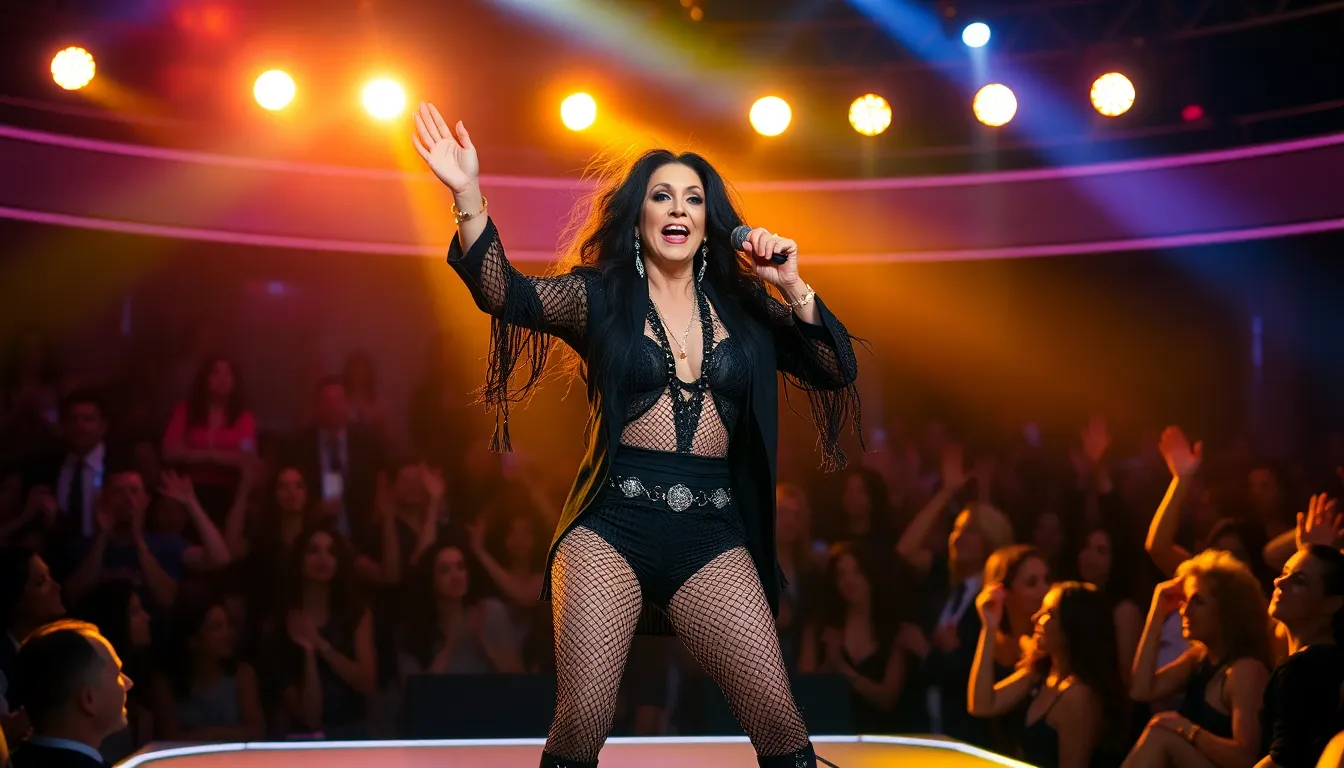
The Grammy Awards serve as a significant platform for artists to showcase their talents, and this year’s highlights featured a range of performances that captivated audiences. Notably, Cher’s chaotic yet electrifying appearance contrasted sharply with Sabrina’s ethereal and imaginative presentation, each reflecting different facets of the music industry.
Stakeholders in this event include the artists themselves, record labels, and the Grammy organization, each with distinct interests. Artists like Cher aim to maintain their relevance and connect with both longtime fans and new audiences, while newer artists like Sabrina seek to establish their identity and gain recognition in a competitive market.
Conflicts arise when traditional expectations clash with innovative approaches. Cher’s performance may appeal to nostalgia, potentially overshadowing emerging artists. Conversely, Sabrina’s avant-garde style could alienate some viewers who prefer more conventional presentations. This dynamic highlights the ongoing tension between established norms and evolving artistic expressions within the music industry.
- Audience Engagement: Different performance styles cater to diverse audience segments.
- Industry Standards: The Grammy Awards set benchmarks that can stifle or inspire creativity.
- Commercial Interests: Record labels often push for performances that align with market trends, impacting artistic choices.
- Public Perception: Artists must navigate public expectations while staying true to their artistic vision.
Additionally, economic factors play a role in shaping these performances. The visibility gained from a Grammy appearance can significantly influence an artist’s sales and streaming numbers, making it a critical moment for both established and emerging musicians. The stakes are high, leading to strategic decisions that prioritize commercial viability alongside artistic integrity.
How the Grammy highlights influence the music industry
The recent Grammy highlights, featuring everything from Cher’s chaotic performance to Sabrina’s whimsical fantasy, have significant implications for various groups within the music industry. Artists, producers, and even record labels are all affected by the outcomes and narratives that emerge from this high-profile event.
In the short term, artists who receive awards or notable mentions can expect an increase in visibility and streaming numbers. This surge in popularity can lead to immediate opportunities for live performances, collaborations, and brand partnerships. Conversely, those who may have been overlooked could face challenges in maintaining their relevance in a competitive market.
Mid-term impacts are also notable. The Grammy highlights can shape industry trends, influencing which genres gain traction and which artists emerge as frontrunners. For instance, a strong showing from a particular genre may prompt record labels to invest more heavily in similar sounds, reshaping the musical landscape. Additionally, policy discussions around artist rights and royalties may be reignited, as the spotlight on successful artists often brings attention to broader industry issues.
- Increased visibility for award-winning artists
- Potential shifts in music genre popularity
- Opportunities for brand partnerships and sponsorships
- Renewed focus on artist rights and industry policies
While there are undeniable risks, such as the potential for backlash against artists or the volatility of public opinion, the Grammy highlights also present a fertile ground for innovation and collaboration. Emerging artists can leverage the buzz to carve out their niche, while established stars can experiment with new sounds and concepts inspired by the event’s creative energy.
A: This year’s Grammys featured standout performances from Cher, whose chaotic act captivated the audience, and Sabrina, who delivered a whimsical and imaginative show that left a lasting impression. A: Grammy winners are chosen by the Recording Academy’s voting members, who are music industry professionals. The voting process involves several rounds to determine the nominees and winners in various categories. A: The Grammy Awards celebrate outstanding achievements in the music industry, recognizing artists, producers, and songwriters. Winning a Grammy can significantly boost an artist’s career and visibility. A: The Grammy Awards are typically held annually in January or February. The exact date can vary from year to year, depending on scheduling. A: The biggest winners of this year’s Grammy Awards included several artists who took home multiple awards, showcasing their impact on the music scene over the past year.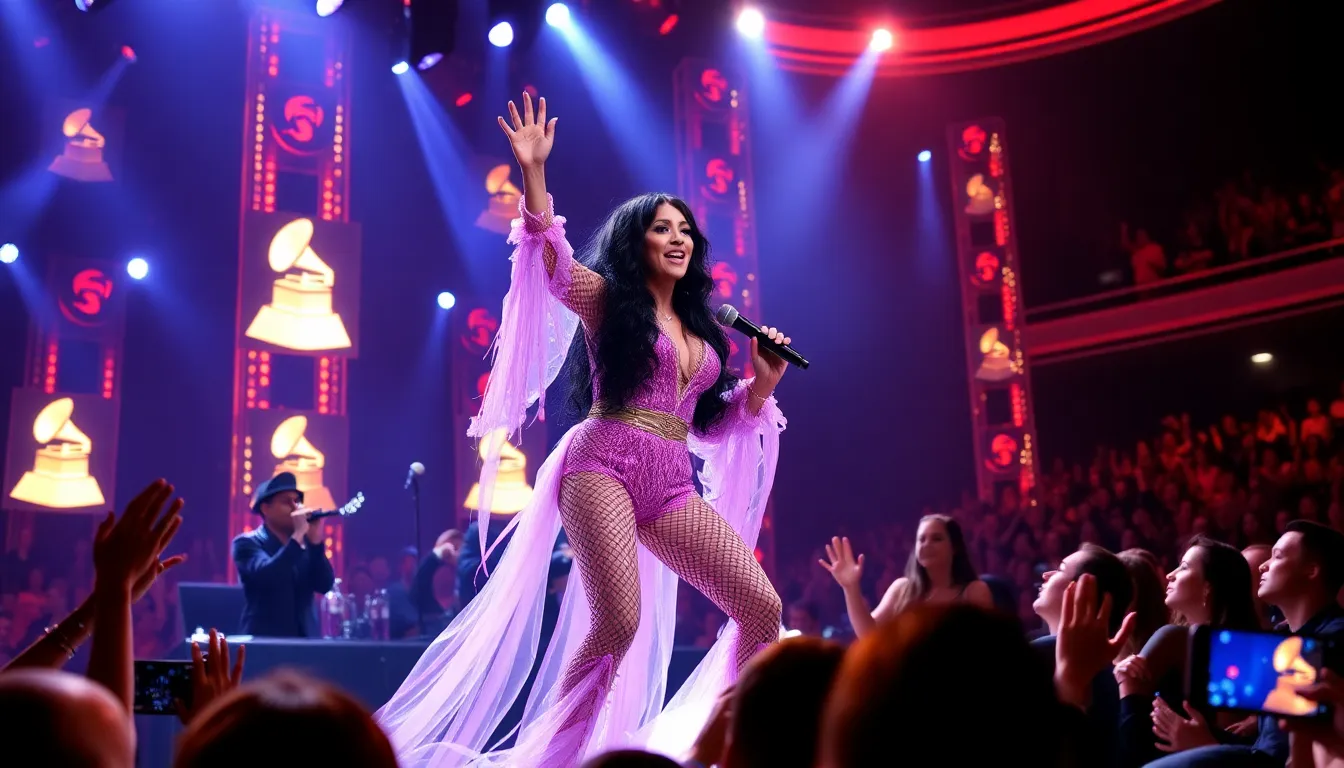
Frequently asked questions about the Grammy Awards
Key takeaways and future outlook for the Grammy Awards
The recent Grammy Awards showcased a vibrant mix of nostalgia and innovation, with performances that ranged from Cher’s chaotic yet captivating appearance to Sabrina’s imaginative flight of fantasy. This blend of styles not only highlights the evolving nature of the music industry but also reflects broader cultural shifts that influence artistic expression. As the awards continue to adapt, they are likely to serve as a mirror for societal trends and musical experimentation.
Looking ahead, the Grammy Awards will need to navigate the challenges and opportunities presented by a rapidly changing landscape. The rise of digital platforms, shifting audience demographics, and the ongoing conversation around inclusivity and representation will all play significant roles in shaping the future of this prestigious event.
- Expect a continued emphasis on diverse musical genres, as artists push boundaries and redefine traditional categories.
- Watch for increased engagement with digital platforms, providing new avenues for artists to connect with fans and showcase their work.
- Monitor the conversation around representation, as the industry strives for greater inclusivity in both nominations and performances.
- Anticipate innovative collaborations between artists from different backgrounds, fostering creativity and expanding musical horizons.
- Keep an eye on the impact of social media trends on award nominations and performances, as they increasingly shape public perception and artist visibility.