
In 2021, the country saw a surge in reported cases, particularly during the COVID-19 pandemic, which confined many individuals to their homes and increased tensions. The National Council on Administration of Justice reported a 50% rise in domestic violence cases during this period, underscoring the urgent need for intervention and support for affected individuals. This situation highlights the importance of addressing global health issues that contribute to such violence.
Key actors in this ongoing crisis include government agencies, non-governmental organizations, and advocacy groups. The Kenyan government has implemented various policies aimed at combating gender-based violence, yet enforcement remains inconsistent. Organizations such as the Federation of Women Lawyers and the Kenya Women’s National Commission continue to advocate for stronger protections and resources for survivors, emphasizing the need for reforms similar to those in the sports sector that promote safety and equality.
Recent initiatives, such as community awareness programs and legal reforms, aim to address the root causes of gender-based violence. However, societal stigma and inadequate support systems often hinder progress. As the nation grapples with these challenges, the spotlight on gender-based violence is more critical than ever, demanding collective action and sustained commitment from all sectors of society, similar to the engagement seen in advocacy efforts highlighted in Laverne Cox’s reflections on activism.
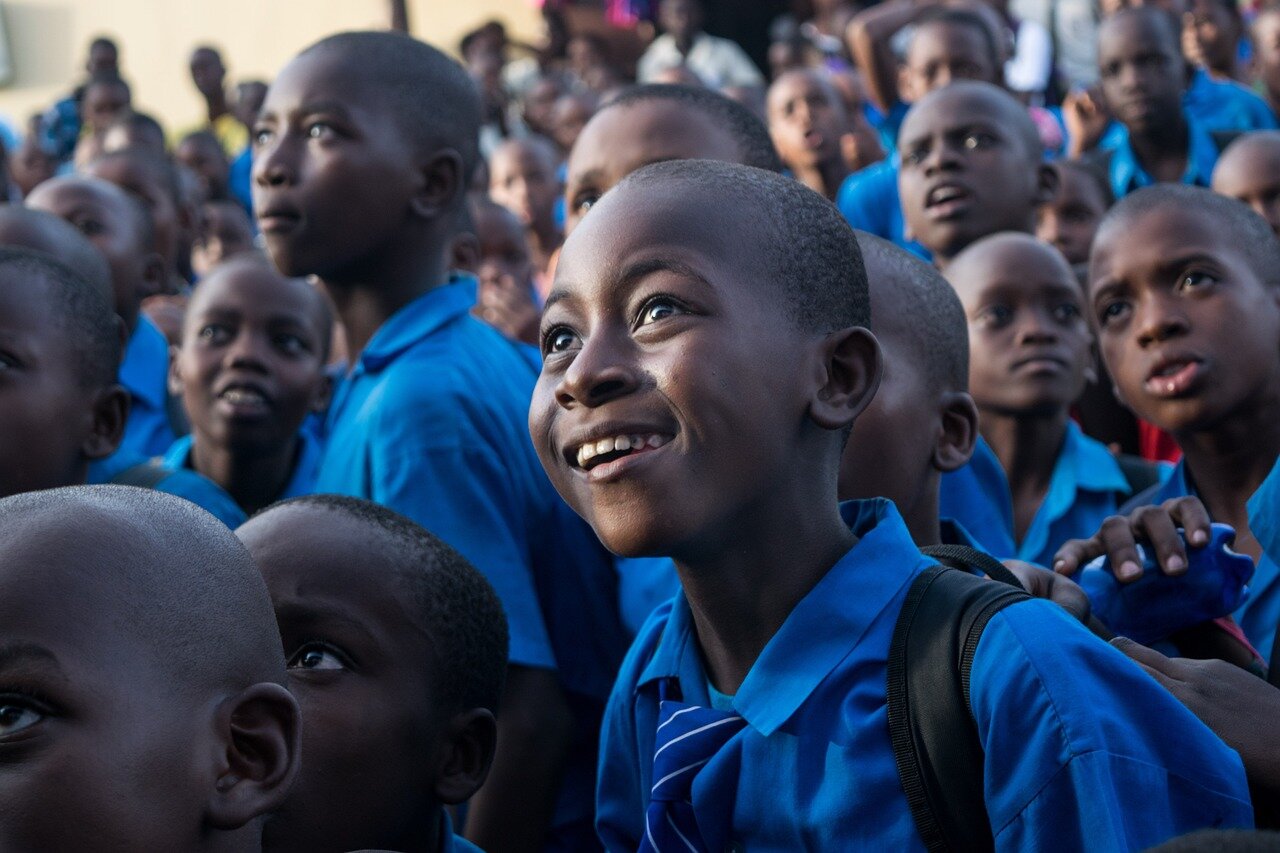
Exploring the historical and cultural factors contributing to gender-based violence
Gender-based violence (GBV) in Kenya has deep-rooted historical and cultural factors that have perpetuated this crisis over the years. Traditionally, societal norms have often placed women in subordinate roles, leading to a culture where violence against them is normalized. Patriarchal systems have been entrenched in many communities, influencing perceptions of masculinity and femininity, which in turn fosters environments where violence is used as a means of control and power.
Politically, Kenya’s history of governance has also played a significant role in the prevalence of GBV. The lack of strong legal frameworks and enforcement mechanisms has allowed perpetrators to act with impunity. Although the Constitution of Kenya (2010) includes provisions aimed at protecting women’s rights, gaps in implementation and societal attitudes often undermine these legal protections. Corruption and inefficiency within law enforcement agencies further exacerbate the situation, leaving many victims without recourse.
Economically, the challenges faced by women in Kenya are also a contributing factor to GBV. High levels of poverty and unemployment disproportionately affect women, making them more vulnerable to violence. Economic dependency on male partners can trap women in abusive relationships, as they may feel they have no means to escape. Efforts to empower women economically through education and job opportunities have been met with varying degrees of success, but significant barriers remain.
Cultural Milestones and Shifts
Key milestones in the fight against GBV in Kenya include the establishment of various women’s rights organizations and campaigns aimed at raising awareness. Events such as the 16 Days of Activism Against Gender-Based Violence, observed globally, have gained traction in Kenya, mobilizing communities to address the issue. Furthermore, landmark cases, such as the prosecution of high-profile individuals for sexual violence, have sparked public discourse and highlighted the need for systemic change. However, while progress has been made, the cultural stigma surrounding GBV continues to pose significant challenges to achieving lasting change.

Key stakeholders and their roles in addressing gender-based violence
In Kenya, the crisis of gender-based violence (GBV) involves a complex interplay of various stakeholders, each with distinct roles and interests. The primary actors include government agencies, non-governmental organizations (NGOs), community leaders, and international bodies. Their collective efforts are crucial in addressing the multifaceted nature of GBV, which has deep-rooted social, cultural, and economic implications.
Government bodies, particularly the Ministry of Gender, Children and Social Development, are tasked with formulating policies and legislation aimed at combating GBV. Their interest lies in creating a safer environment for all citizens, yet they often face challenges such as limited resources and political will. Additionally, local law enforcement agencies play a critical role in enforcing laws against GBV but may struggle with inadequate training and societal biases.
NGOs, such as the Federation of Women Lawyers in Kenya (FIDA) and the Kenya Women’s National Commission, are pivotal in providing support services to survivors of GBV. They offer legal aid, counseling, and advocacy, aiming to empower victims and raise awareness about the issue. However, these organizations often rely on external funding, which can create a dependency that limits their long-term sustainability.
- Community Leaders: Local leaders, including religious figures and elders, can influence cultural attitudes towards GBV. Their engagement is essential in promoting community-based interventions.
- International Organizations: Bodies like the United Nations and various NGOs provide funding and technical support, but their influence can sometimes clash with local customs and practices.
- Legal Framework: The effectiveness of existing laws, such as the Sexual Offences Act, is often undermined by enforcement challenges and societal stigma surrounding victims.
Ultimately, the intersection of these stakeholders reveals a landscape fraught with conflicts and trade-offs. While the government seeks to implement robust policies, NGOs strive for immediate relief for victims, and community leaders may prioritize cultural norms over legal frameworks. This dynamic complicates the fight against GBV, necessitating a coordinated approach that respects local contexts while advocating for change.

The impact of gender-based violence on individuals and communities
Gender-based violence (GBV) in Kenya affects a wide range of groups, including women, children, and marginalized communities. Women are disproportionately affected, often facing violence in both public and private spaces. This crisis extends to various industries, particularly those involving women in the workforce, such as agriculture, hospitality, and education, where the fear of violence can hinder participation and productivity.
In the short term, the impact of GBV manifests in increased health care costs, loss of productivity, and heightened anxiety within communities. Victims may require medical attention, legal assistance, and psychological support, which places a strain on local health systems and social services. Businesses may also suffer due to decreased employee morale and increased absenteeism as individuals cope with the aftermath of violence.
Mid-term effects include potential shifts in policy as the government and NGOs may be compelled to address the crisis more aggressively. This could lead to the implementation of stricter laws and regulations aimed at protecting vulnerable populations. However, the risk remains that without adequate resources and commitment, these policies may not be effectively enforced, leaving many individuals unprotected.
- Increased awareness: The focus on GBV can lead to greater societal awareness and advocacy for women’s rights.
- Economic opportunities: Organizations may emerge to support victims, creating jobs in counseling, legal aid, and community outreach.
- Policy reform: Heightened attention to GBV may prompt governmental and institutional reforms that strengthen protections for vulnerable groups.
Ultimately, while the crisis of gender-based violence poses significant risks to individuals and communities, it also presents opportunities for social change and economic development if addressed effectively.

A: Gender-based violence refers to harmful acts directed at an individual based on their gender. It includes physical, sexual, emotional, and psychological abuse. A: Gender-based violence is a significant issue in Kenya, with a high number of reported cases, particularly against women and girls. A: Causes include cultural norms, economic inequality, lack of education, and inadequate legal protections for victims. A: Individuals can help by raising awareness, supporting local organizations, and advocating for stronger laws and protections for victims. A: The government is responsible for implementing laws, providing resources for victims, and promoting educational campaigns to prevent gender-based violence.
Frequently asked questions about gender-based violence in Kenya
Key takeaways and future outlook on gender-based violence in Kenya
The recent play highlighting the crisis of gender-based violence in Kenya serves as a poignant reminder of the societal challenges that persist in addressing this issue. It sheds light on the urgent need for comprehensive strategies that not only raise awareness but also promote tangible change in policy and community engagement. As the narrative unfolds, it becomes increasingly clear that collective action is essential in combating the deep-rooted cultural norms that perpetuate violence against women.
Looking ahead, stakeholders must prioritize the implementation of educational programs, legal reforms, and support systems for survivors. By fostering a culture of accountability and respect, it is possible to create an environment where gender-based violence is not tolerated. The following key takeaways highlight the critical areas to focus on in the ongoing fight against this pervasive issue.
- Increased Awareness: Continued advocacy through art and media can amplify the conversation around gender-based violence.
- Policy Reform: Legislative changes are necessary to strengthen protections for survivors and hold perpetrators accountable.
- Community Engagement: Grassroots initiatives that involve local leaders can help shift cultural attitudes toward gender equality.
- Support Systems: Establishing accessible resources for survivors, including counseling and legal aid, is vital for recovery.
- Monitoring and Evaluation: Ongoing assessment of programs aimed at reducing gender-based violence will ensure they are effective and responsive to community needs.