
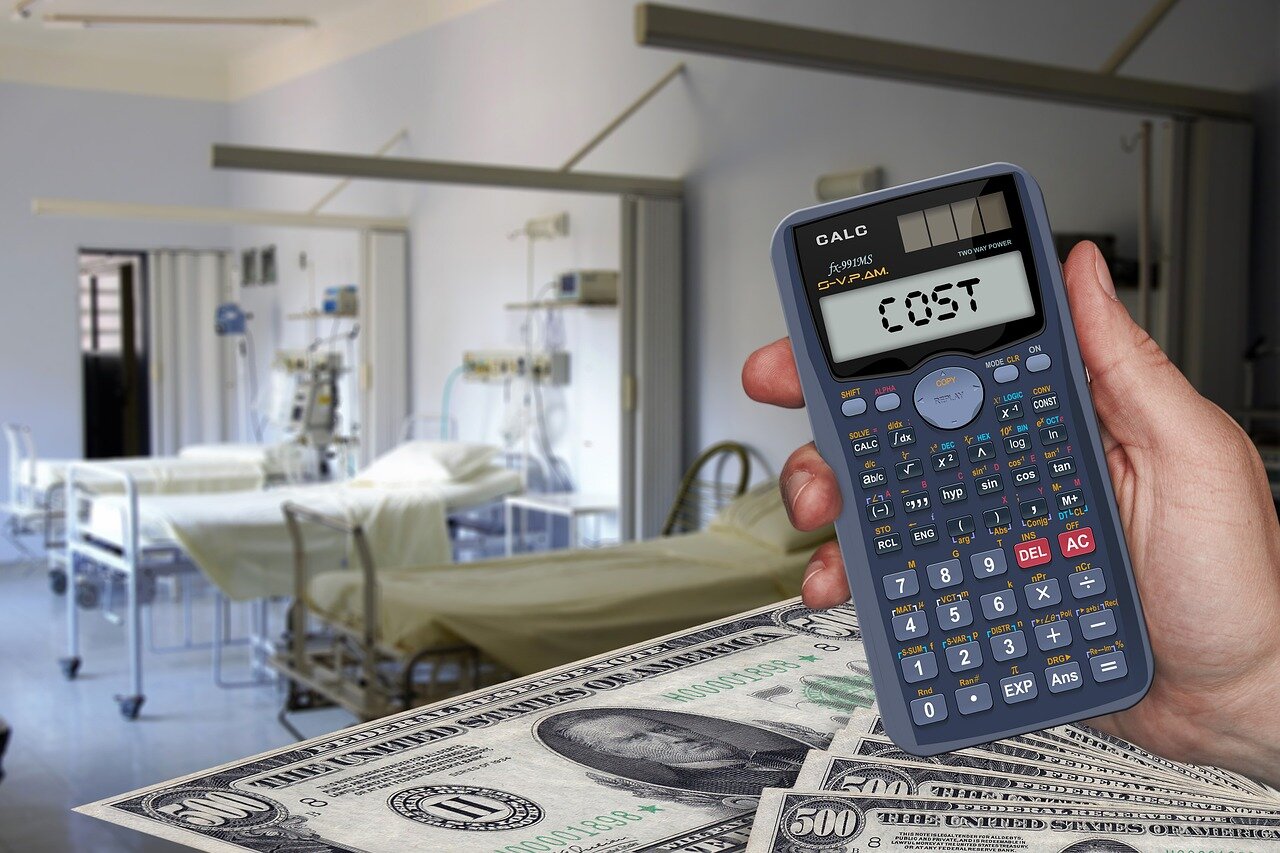
The dire situation in Gaza hospitals
Healthcare facilities in Gaza are under unprecedented strain, struggling to cope with the influx of patients amid ongoing violence. Medical workers warn that essential supplies are dwindling dangerously, putting lives at risk. This situation mirrors the challenges faced in other crisis zones, such as during the conflict in Ukraine, where healthcare has also been severely impacted.
Understanding the critical needs of the healthcare system
As the conflict intensifies, the demand for medical services has surged. Hospitals are facing not only an increase in patients but also a stark decline in available resources. Such resource challenges are not unique to Gaza, as seen in recent reports from global health forums.

Key supplies in short supply
- Medications, especially antibiotics and pain relievers, are running low.
- Medical equipment such as ventilators, surgical instruments, and imaging devices are critically needed.
- Basic supplies like gloves, masks, and antiseptics are insufficient for the volume of patients.
Comparative analysis of healthcare readiness
A closer look reveals that the healthcare infrastructure in Gaza is vastly different from that in other regions. With existing challenges exacerbated by conflict, local hospitals are unable to meet the needs of the population. This situation is reminiscent of the urgent calls for action at the recent UN climate talks, highlighting how crises in one area can influence global health dynamics.
Comparison with regional healthcare systems
- Other countries in the region typically have better access to medical supplies and technology.
- Gaza’s healthcare system struggles with a blockade limiting the import of necessary materials.
- Support from international organizations often falls short in times of crisis.
Notable cases from frontline medical workers
Reports from healthcare professionals on the ground underline the urgent need for assistance. Their firsthand accounts highlight the human cost of the ongoing conflict.
Personal stories from medical staff
- Doctors recount instances of having to choose which patients receive treatment due to limited resources.
- Nurses express their fears for their own safety while striving to care for the sick.
- Psychological toll on healthcare workers is mounting as they witness suffering on a daily basis.
Strategies for resource management
In light of the critical shortages, hospitals are forced to adopt new strategies to manage their dwindling resources.
Innovative healthcare strategies
- Collaboration with international NGOs to acquire essential supplies more efficiently.
- Optimizing the use of existing medical equipment to ensure longer service life.
- Training healthcare staff to manage crises more effectively with limited resources.
Important considerations for stakeholders
It is essential for both local and international stakeholders to understand the broader implications of this crisis.

Calls to action for global support
- Donor agencies need to increase the flow of humanitarian aid to Gaza.
- Policy changes should focus on easing blockades to allow for the transportation of medical supplies.
- Public awareness campaigns can mobilize global action and advocacy for Gaza’s healthcare needs.
Frequently asked questions regarding the crisis
FAQs about the situation in Gaza hospitals
A: Hospitals urgently need medications, surgical supplies, and basic protective equipment like gloves and masks.
A: The blockade severely restricts the import of medical supplies, worsening the existing healthcare crisis.
A: Yes, several local and international NGOs are working to provide medical assistance and supplies to healthcare facilities.
A: Individuals can donate to organizations providing aid in Gaza or advocate for policy changes to support humanitarian efforts.
Understanding the future direction of healthcare in Gaza
The challenges faced by Gaza’s healthcare system are immense, but with increased global support and effective resource management, there is hope for improvement. Ongoing advocacy and action are essential to ensure that essential medical supplies reach those in need.