
Context and Necessity Behind the Change
Ford’s journey into the electric vehicle market began with much fanfare and promises of cutting-edge developments. However, as production costs soared and consumer interest fluctuated, the company found itself in need of a strategic reassessment. Analysts point to the rising costs of raw materials, supply chain disruptions, and the competitive landscape as decisive challenges that Ford could not ignore.

The Influence of Global Supply Chain Issues
The pandemic revealed the fragility of global supply chains, significantly impacting the availability of components necessary for E.V. manufacturing. These constraints have forced Ford, along with other automakers, to reconsider their timelines and investment strategies regarding electric vehicle production.
Comparative Analysis with Competitors
When examining Ford’s decisions, comparing them with those of competitors provides valuable insights. Companies like Tesla and General Motors have adopted different strategies and experienced varying degrees of success in the E.V. landscape.

Lessons from Competitors
Learning from competitors such as Tesla may guide Ford in adjusting their future direction and investments.
Key Initiatives and Programs Affected
Understanding the specifics of these initiatives, including the potential impact on stakeholders, is crucial.

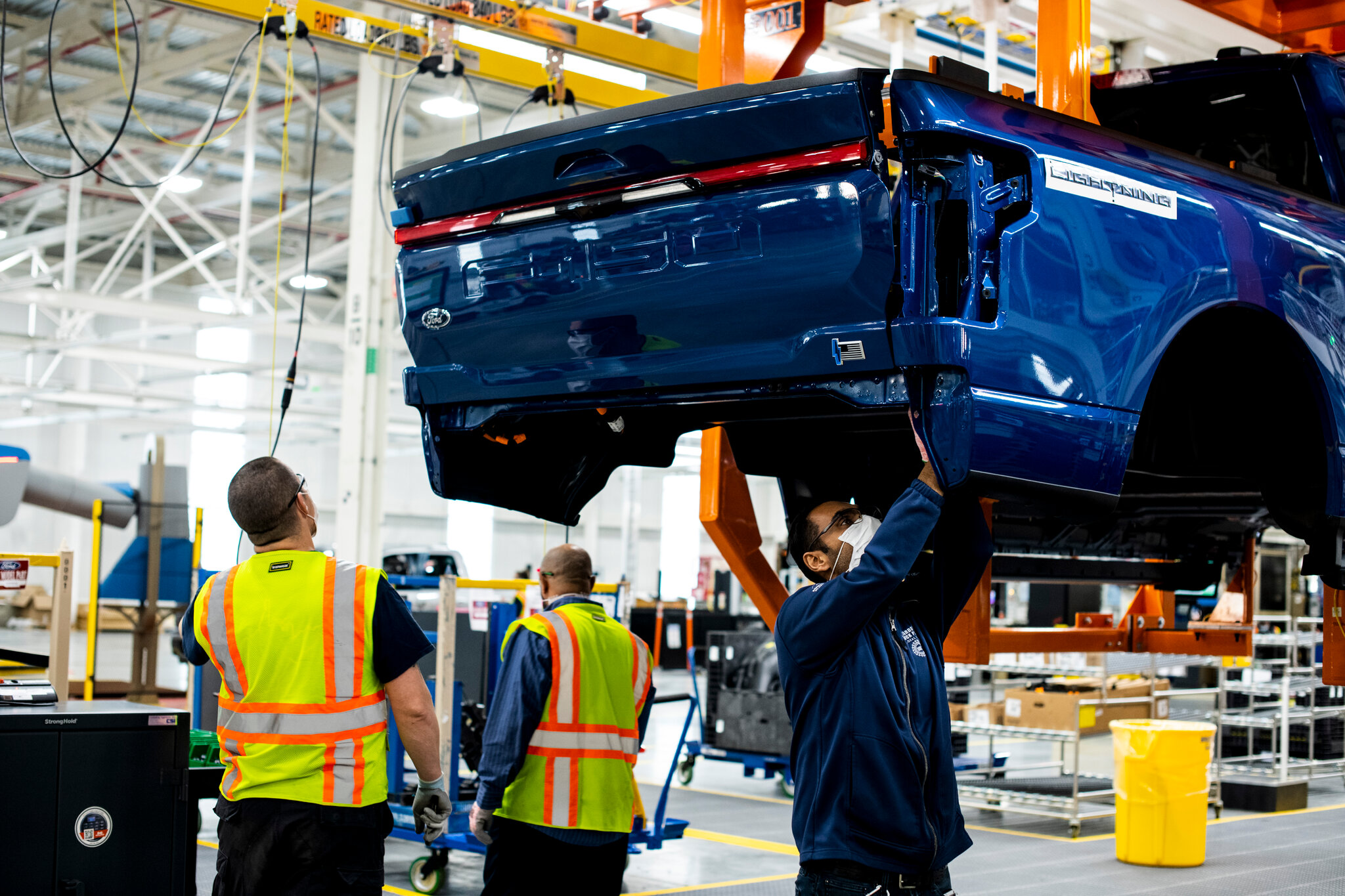
- Ford F-150 Lightning: Initially projected to be a best-seller, production targets for this iconic electric vehicle will be revised.
- Mustang Mach-E: Despite being well-received, Ford will scale back plans for new variants and models.
- Factory Investments: Plans for new factories aimed at expanding E.V. production will also be reconsidered.
Strategic Considerations for the Future
In light of these significant financial impacts and market changes, Ford must develop a strategic plan that will guide its path forward.
Focus on Core Competencies
Instead of a broad commitment to electric vehicles, Ford may choose to concentrate on integrating electric technologies into its traditional models while ensuring profitability.

Increased Collaboration and Partnerships
Exploring partnerships with tech companies and battery manufacturers could also bolster Ford’s ability to innovate within the electric space without overextending financially.
Important Considerations Moving Ahead
As Ford navigates this rocky terrain, several factors need careful evaluation.

- Market Research: Continual assessment of consumer demands and market dynamics will be essential.
- Financial Health: Maintaining solid financial health during this transitional phase is paramount for long-term sustainability.
- Investment in R&D: Ongoing investment in research and development of electro-technology can provide Ford with a competitive edge.
Frequently Asked Questions About Ford’s E.V. Strategy
A: Ford is rolling back its E.V. plans due to soaring production costs, supply chain challenges, and changing consumer preferences which have made their initial projections unsustainable.
A: Ford is projected to incur a financial hit of approximately $19.5 billion as it rolls back its electric vehicle plans.
A: Key programs such as the Ford F-150 Lightning, Mustang Mach-E, and new factory investments aimed at expanding electric vehicle production will be affected.
A: Ford may focus on integrating electric technologies into traditional models and forming partnerships with tech and battery manufacturers to enhance their innovation potential.
Future Directions for Ford’s Electric Vehicle Strategy
As Ford steps back from its ambitious electric vehicle plans, the company appreciates the need for a calculated and informed approach going forward. Balancing traditional automotive strengths with new technological advancements will be critical in shaping Ford’s future in an evolving automotive market.