
In Europe, top leagues such as the Premier League, La Liga, and Serie A are witnessing intense competition, with clubs investing heavily in player acquisitions and infrastructure. Notably, the 2023-2024 season has seen record signings, with clubs like Manchester City and Real Madrid strengthening their squads to maintain dominance. The financial implications of these investments are significant, as they reflect the growing commercial interests in football.
Meanwhile, leagues in South America and Africa are also gaining attention, as they produce emerging talents who are increasingly making their mark on the international stage. The Copa Libertadores and the CAF Champions League are crucial platforms for showcasing this talent, with clubs from these regions striving to compete with their European counterparts. The success of players from these leagues in major tournaments emphasizes the need for a more inclusive recognition of football’s global talent pool.
Additionally, grassroots football continues to thrive, with over 2,000 grounds across various regions fostering local talent and community engagement. Initiatives aimed at promoting youth participation and inclusivity in the sport are essential for sustaining the future of football. As various leagues navigate challenges such as financial sustainability and the impact of technology on gameplay, the commitment to preserving the essence of the sport remains paramount, making it necessary to explore the success stories of local teams.
Historical background of football’s evolution
Football, as we know it today, has evolved over centuries, with roots tracing back to ancient civilizations where various forms of ball games were played. The modern game began to take shape in the 19th century in England, where the establishment of standardized rules led to the formation of the Football Association in 1863. This pivotal moment marked the beginning of organized football, setting the stage for the sport’s global expansion.
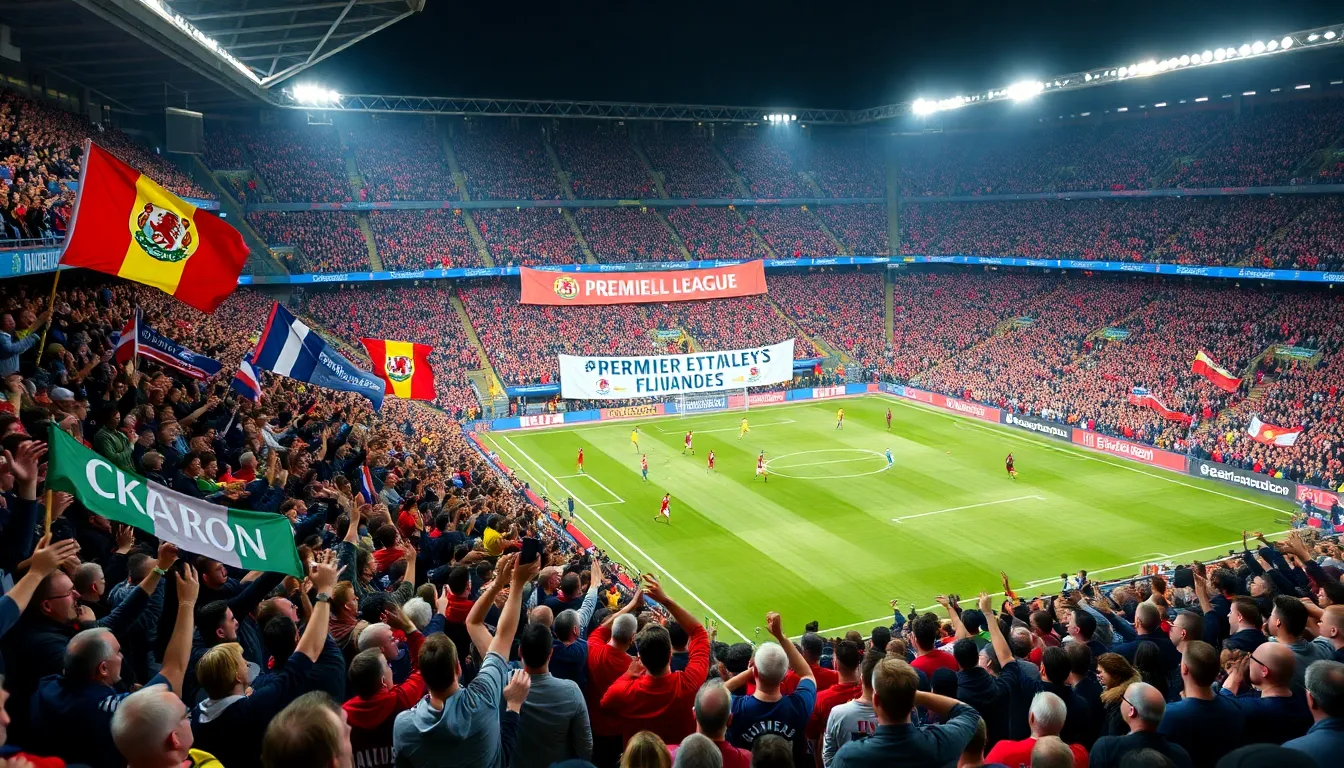
As the game gained popularity, it became intertwined with social and political movements. The establishment of professional leagues in the late 19th century transformed football into a significant economic force. By the early 20th century, leagues began to emerge across Europe and South America, each contributing to the rich tapestry of football culture. The first FIFA World Cup in 1930 further solidified football’s status as a global phenomenon, capturing the imaginations of millions.
The rise of global leagues
The latter half of the 20th century saw an explosion of football leagues worldwide, reflecting the sport’s growing commercial appeal. With the advent of television, football became accessible to a broader audience, creating a surge in viewership and sponsorship. Iconic leagues such as the English Premier League, La Liga in Spain, and Serie A in Italy not only showcased top talent but also became cultural landmarks, influencing fashion, music, and social attitudes.
Moreover, the globalization of football has led to the migration of players across borders, creating a melting pot of styles and strategies. This movement has been fueled by economic factors, as clubs seek to enhance their competitiveness and attract diverse fan bases. The confluence of these elements has resulted in a vibrant football landscape, with over 48 leagues and thousands of grounds hosting matches that celebrate the sport’s rich history and cultural significance.
As we reflect on the journey of football over the past 54 years, it is essential to recognize the milestones that have shaped its evolution. From grassroots initiatives to elite competitions, the sport continues to adapt and grow, driven by the passion of players and fans alike. The ultimate football odyssey is not just about the matches played but also about the stories and experiences that connect people across the globe.
Key stakeholders and major issues in the football landscape
The football landscape is shaped by a variety of stakeholders, each with distinct interests that often intersect and sometimes conflict. Key actors include players, clubs, governing bodies, sponsors, and fans. Each group plays a crucial role in the functioning and evolution of the sport, contributing to a complex web of relationships and issues, reflecting the global reach of leagues like the Premier League.

Players are central to the football ecosystem, with their performance and marketability driving revenue for clubs and leagues. Their interests often focus on fair compensation, career longevity, and health protections. Clubs, on the other hand, aim to maximize profits, attract talent, and enhance their brand, often leading to competition for player contracts and sponsorships.
Governing bodies like FIFA and UEFA oversee regulations and ensure compliance across leagues and clubs. They also manage international competitions, which can lead to tensions between club commitments and national team duties. Additionally, these organizations face scrutiny over financial regulations, such as Financial Fair Play, which aim to maintain competitive balance but can create friction among clubs with differing economic capabilities.
- Economic disparities: The wealth gap between top-tier clubs and smaller teams can lead to a lack of competitive balance.
- Player welfare: The increasing demands on players raise concerns about their physical and mental health.
- Fan engagement: Clubs must balance commercial interests with maintaining a loyal fan base, which can lead to conflicts over ticket pricing and matchday experiences.
- Regulatory challenges: Compliance with evolving regulations can strain resources and create operational challenges for clubs.
- Globalization of the sport: The international expansion of football brings new markets but also complicates traditional rivalries and local identities.
These issues highlight the intricate dynamics at play within the football world, where the interests of various stakeholders must be navigated carefully to ensure the sport’s growth and sustainability. As football continues to evolve, the balance between these competing interests will be critical in shaping its future landscape.
Impact on fans, players, and the football market
The extensive journey through 54 years, 48 leagues, and 2,000 grounds highlights the profound impact on various stakeholders within the football ecosystem. Fans, players, and the broader football market are all affected in unique ways, shaping their experiences and interactions with the sport.
For fans, this odyssey creates a rich tapestry of memories and connections, fostering a sense of community across regions. The short-term impact includes increased engagement through social media and live events, as fans share their experiences and celebrate their teams. In the mid-term, this could lead to a surge in attendance at matches and a rise in merchandise sales as loyalty and enthusiasm grow.
Players, on the other hand, face both challenges and opportunities. The rigorous demands of playing across diverse leagues may lead to physical strain and burnout, presenting a risk to their performance and longevity in the sport. Conversely, the exposure gained from participating in various competitions can enhance their marketability and career prospects, opening doors to lucrative contracts and sponsorships.
The football market itself is poised for significant shifts. With the increasing globalization of the sport, leagues are likely to see a rise in international viewership and investment. This presents opportunities for clubs to expand their brand presence and revenue streams. However, it also poses risks of market saturation and increased competition among leagues for talent and sponsorship.
- Increased fan engagement: More social media interaction and attendance at matches.
- Player marketability: Enhanced visibility leading to better contracts.
- Global investment: Opportunities for clubs to attract sponsorships and expand internationally.
- Market saturation risks: Increased competition among leagues could dilute talent and focus.
A: The term ‘football odyssey’ refers to the extensive journey of football over the years, encompassing various leagues and grounds that have contributed to its rich history. A: There are numerous leagues worldwide, with the number constantly changing as new leagues emerge and others dissolve. Currently, there are around 48 prominent leagues recognized globally. A: Iconic football grounds include Wembley Stadium in London, Camp Nou in Barcelona, and Maracanã Stadium in Rio de Janeiro, each known for their unique history and atmosphere. A: Football has evolved significantly in terms of tactics, technology, and global reach. The introduction of VAR and enhanced training methods are just a few examples of this evolution. A: Football often serves as a unifying force in local communities, providing entertainment, fostering social connections, and even contributing to local economies through events and tourism.
Frequently asked questions about the football odyssey
Key insights and future outlook for football
The journey through 54 years, 48 leagues, and 2,000 grounds reveals not only the rich tapestry of football’s history but also its evolving landscape. As the sport continues to grow globally, the implications for players, fans, and clubs are profound. The increasing accessibility of football through digital platforms and the rise of grassroots initiatives suggest a promising future where the game remains inclusive and vibrant.
Moreover, the diverse range of leagues and competitions highlights the potential for emerging talents from less prominent regions to make their mark on the world stage. As football adapts to changing societal dynamics, the focus on sustainability and community engagement will likely shape its trajectory in the coming years.
- Monitor the impact of technology on fan engagement and match experiences as clubs embrace digital innovations.
- Watch for emerging leagues in non-traditional football markets, which may challenge established hierarchies.
- Consider the role of youth academies in developing local talent and fostering community ties.
- Pay attention to sustainability initiatives within clubs, as environmental awareness becomes integral to their operations.
- Observe the evolution of football governance and its influence on fair play and competition integrity.