
Austria’s contribution, under Holzinger’s direction, has garnered significant attention for its bold exploration of gender, identity, and the human body, resonating with both critics and the public alike. This innovative perspective mirrors the kind of artistic expression often seen in the works of contemporary artists like Banksy.
The pavilion’s centerpiece, a performance that combines dance, visual art, and multimedia, has been praised for its originality and emotional depth. Attendees have reported a transformative experience, reflecting the pavilion’s ability to engage with pressing social issues while maintaining a sense of artistic integrity.
As the Biennale progresses, Austria’s Pavilion continues to attract visitors, with many citing it as a highlight of their experience. The impact of Holzinger’s work extends beyond the event, sparking discussions on the role of performance art in contemporary society and its potential to challenge cultural norms.
The significance of the Venice Biennale in contemporary art
The Venice Biennale, established in 1895, has long been regarded as one of the most prestigious cultural events in the world of contemporary art. It serves as a pivotal platform for artists, curators, and nations to showcase innovative works and ideas. The event not only reflects the current state of the global art scene but also influences trends and discussions within the artistic community.
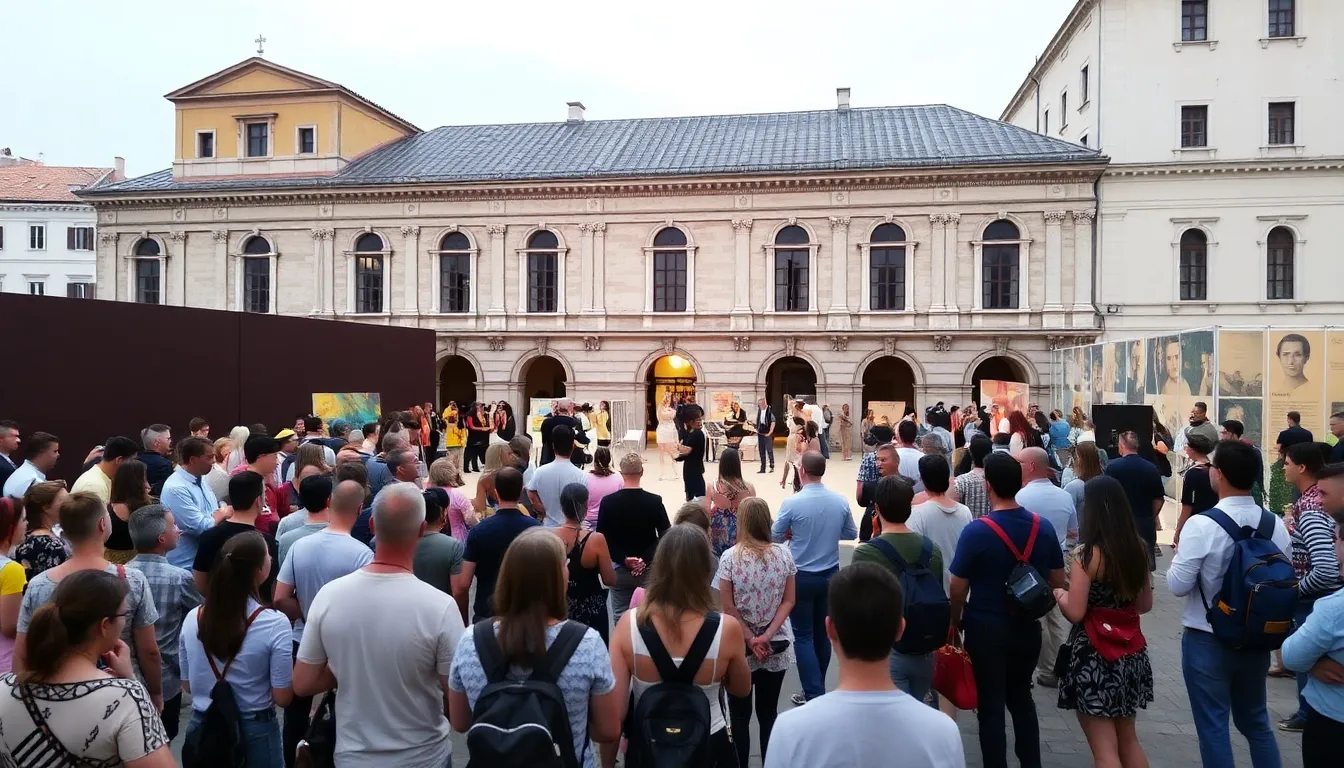
Over the years, the Biennale has evolved, with national pavilions becoming a focal point for countries to present their artistic narratives. Each pavilion tells a unique story, often shaped by the political and cultural context of the nation it represents. Austria’s participation has been particularly noteworthy, as it has grappled with its identity and artistic legacy in the post-war era.
Her approach not only revitalizes Austria’s artistic presence but also engages with broader themes of feminism and the body in contemporary discourse, much like how Amandaland incorporates social commentary into entertainment.
Austrian Pavilion’s Evolution
The Austrian Pavilion has undergone various transformations since its inception, with each exhibition reflecting the socio-political climate of the time. Key milestones include the pavilion’s focus on experimental art in the 1960s and 70s, which coincided with a global shift towards conceptual practices. More recently, the pavilion has embraced diverse voices, showcasing works that challenge traditional narratives and encourage dialogue.
Holzinger’s installation at the Biennale marks a culmination of these efforts, positioning Austria as a vital player in the international art scene. By aligning her vision with the pavilion’s historical context, Holzinger not only honors the past but also paves the way for future explorations in contemporary art.
Key themes and artistic choices by Florentina Holzinger
Florentina Holzinger’s approach to the Venice Biennale has drawn attention not only for its artistic merit but also for the complex interplay of stakeholders involved. Key actors in this scenario include the Austrian government, cultural institutions, and various artists and curators. Each of these groups has distinct interests that shape their engagement with Holzinger’s work.
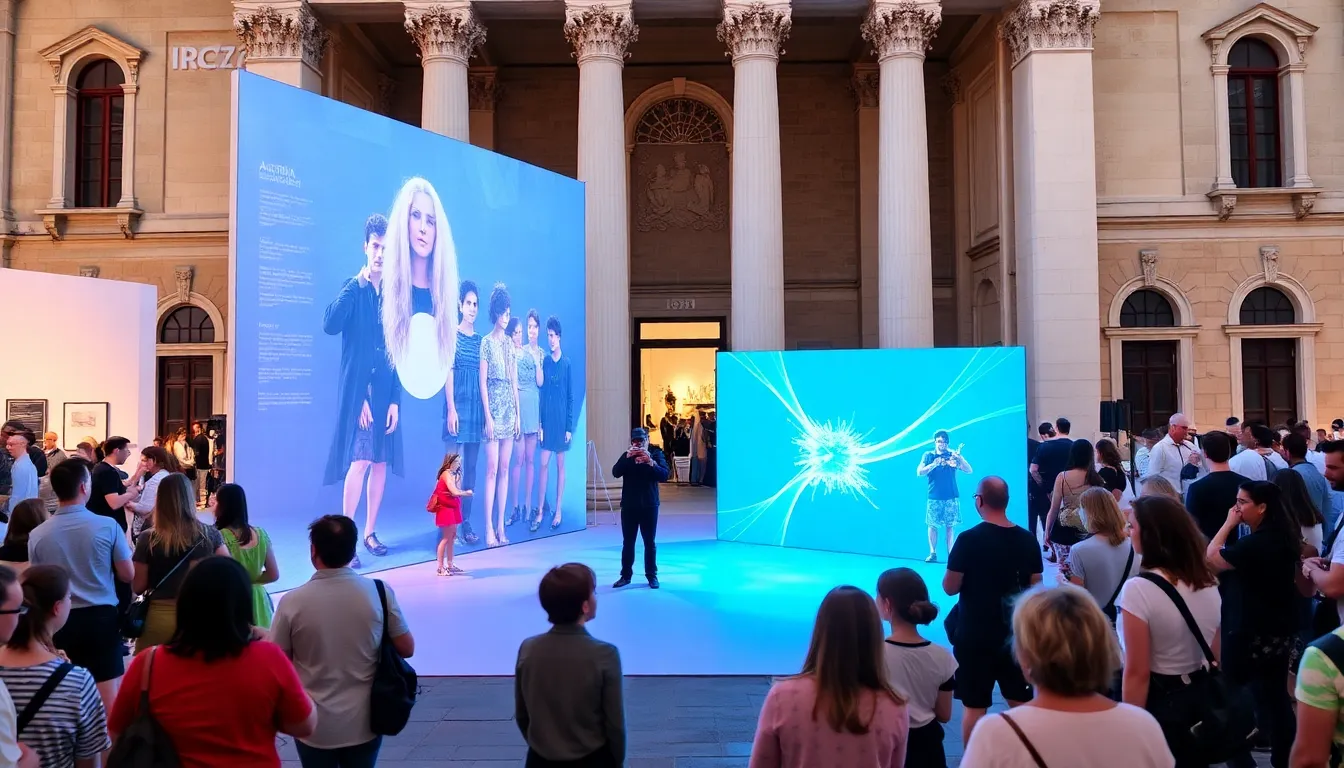
The Austrian government, represented by the Federal Ministry for Arts, Culture, the Civil Service and Sport, aims to promote national culture on an international stage. Their interest lies in showcasing Austria as a hub of contemporary art, thereby attracting tourism and investment. In contrast, cultural institutions and local artists may seek recognition and support from the government, creating a dynamic where collaboration and competition coexist.
Moreover, Holzinger’s artistic choices often challenge traditional norms, raising questions about gender, identity, and performance art, which parallels the ongoing discussions surrounding societal issues highlighted in stories like the murder charge of a young girl.
- Government Interests: Promotion of national culture and tourism.
- Cultural Institutions: Seeking funding and recognition while supporting innovative art.
- Artists: Balancing collaboration with competition for visibility and resources.
- Public Reception: Diverse reactions based on differing cultural values and expectations.
- Legal Considerations: Navigating censorship and funding regulations in the arts.
Ultimately, the success of Austria’s Pavilion under Holzinger’s direction highlights the intricate web of relationships and interests at play, illustrating how art can serve as a catalyst for broader discussions on societal values and conflicts.
The influence of Holzinger’s work on the art community
Florentina Holzinger’s innovative approach at the Venice Biennale has resonated deeply within the art community, affecting a diverse range of stakeholders. Artists, curators, and art institutions are particularly influenced by her bold exploration of themes such as femininity and performance, which challenge traditional narratives and invite new interpretations of contemporary art.
In the short term, Holzinger’s work has energized local art scenes, particularly in Austria, where emerging artists are inspired to experiment with their own practices. This surge in creative expression can lead to increased attendance at galleries and exhibitions, driving local economies that depend on the arts. Furthermore, her success at the Biennale may prompt increased funding and support for avant-garde projects, potentially reshaping the landscape of contemporary art in Austria.
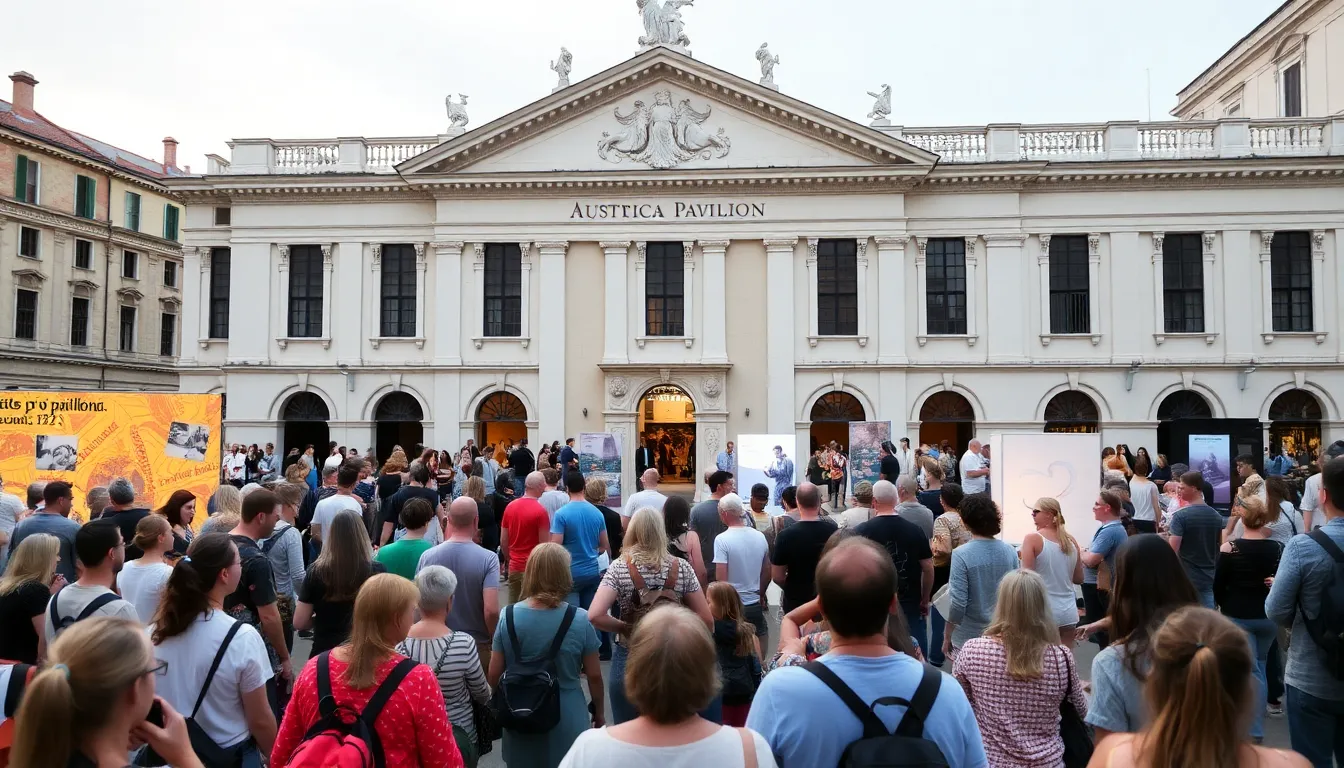
Mid-term impacts may include shifts in art policy and funding priorities, as institutions reassess the importance of innovative and boundary-pushing works. As more artists align their practices with the themes explored by Holzinger, there could be a broader cultural movement towards inclusivity and representation within the art world. This shift may also influence educational programs, encouraging institutions to prioritize critical discourse around gender and performance.
- Risks: The potential for backlash against unconventional art forms could arise, particularly from traditionalists who may feel threatened by new narratives.
- Opportunities: Increased visibility for underrepresented artists and themes, leading to a more diverse art market.
- Economic Growth: Boost in local economies through heightened art tourism and increased gallery attendance.
Overall, Holzinger’s impact extends beyond the art community, touching various sectors and prompting a reevaluation of artistic value, representation, and the role of art in society.
A: Holzinger’s work is characterized by its bold exploration of themes such as feminism and performance art, often blending different genres to create a captivating experience. A: The audience has responded positively, with many praising the innovative presentation and the way it challenges traditional notions of art. A: The Pavilion explores themes of identity, gender, and the body, using performance as a medium to engage visitors in a dialogue. A: Austria’s Pavilion has been noted for its originality and depth, standing out among the diverse presentations from other countries. A: The Venice Biennale serves as a prestigious platform for artists, providing visibility and opportunities for international recognition.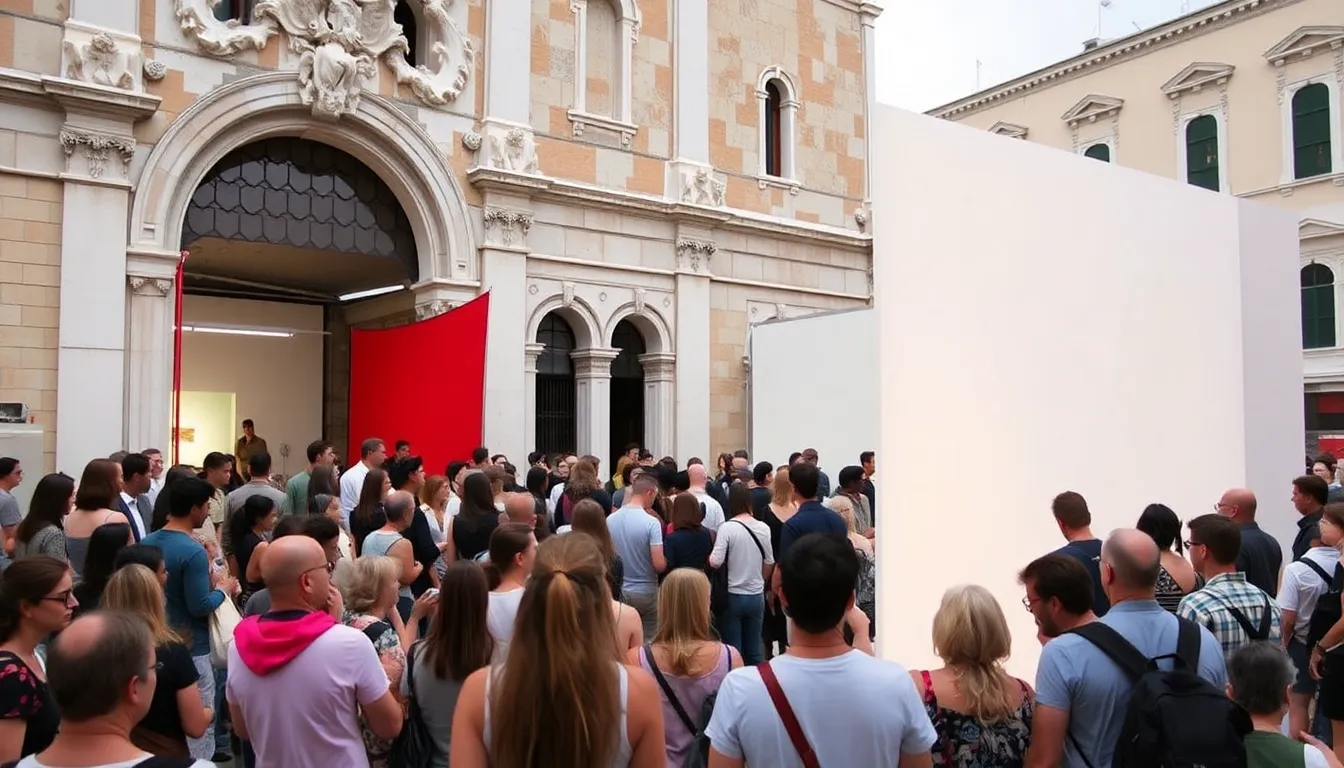
Frequently Asked Questions about Austria’s Pavilion
Looking ahead: The future of Austria’s Pavilion at the Biennale
Florentina Holzinger’s innovative approach has not only elevated Austria’s Pavilion but also set a new standard for future presentations at the Venice Biennale. The fusion of performance art with contemporary themes has resonated with audiences, creating an engaging dialogue about culture and identity. As the art world continues to evolve, the implications of Holzinger’s work extend beyond the pavilion, inviting other artists and curators to rethink their strategies for engagement and representation.
Looking forward, the success of this pavilion may inspire a wave of experimentation among national pavilions. The emphasis on interactivity and audience involvement could redefine how art is experienced, fostering a greater sense of community and connection in future Biennales.
- Interactivity as a Key Component: Future pavilions may prioritize audience participation to enhance engagement and emotional connection.
- Redefining Cultural Narratives: Holzinger’s work encourages artists to explore and challenge existing narratives, paving the way for diverse representations.
- Collaboration Across Disciplines: The blending of various art forms may become a trend, encouraging cross-disciplinary collaborations that enrich the artistic landscape.
- Increased Focus on Identity: Themes of identity and cultural commentary are likely to remain central in future presentations, reflecting global social dynamics.
- Potential for Global Influence: The success of Austria’s Pavilion could inspire other nations to adopt similar innovative approaches, potentially transforming the Biennale experience.