
In contrast, the fighting game community (FGC) has emerged as a vibrant alternative, attracting players and fans with its grassroots approach and emphasis on community engagement. Events like EVO 2023 showcased not only competitive spirit but also a strong sense of camaraderie among participants, highlighting the FGC’s ability to foster a welcoming environment. This has resonated with audiences seeking authenticity in an increasingly commercialized esports landscape.
The shift in focus towards the FGC is underscored by recent tournaments that have drawn large crowds and substantial online viewership. For instance, the annual EVO event reported a record number of entrants in 2023, demonstrating a growing interest in traditional fighting games. This resurgence suggests that the FGC may be tapping into a desire for more genuine experiences in competitive gaming.
Industry analysts point to the contrast between the corporate-driven esports model and the community-centric ethos of the FGC as a key factor in this shift. While esports leagues often rely on sponsorships and media rights, the FGC thrives on player-led initiatives and local tournaments, which foster deeper connections between competitors and fans. This dynamic may offer insights into the future of competitive gaming as the industry continues to evolve.
Understanding the Background of the FGC
The Fighting Game Community (FGC) has long stood apart from the broader esports landscape, rooted in a history that emphasizes grassroots organization and player-driven events. Unlike many esports titles that have become commercialized and heavily sponsored, the FGC has maintained a sense of authenticity and community engagement. This distinction has become increasingly pronounced as the larger esports industry faces challenges such as financial instability, controversies, and the fallout from various scandals, similar to those discussed in the article on key moments that decided the Premier League title race.
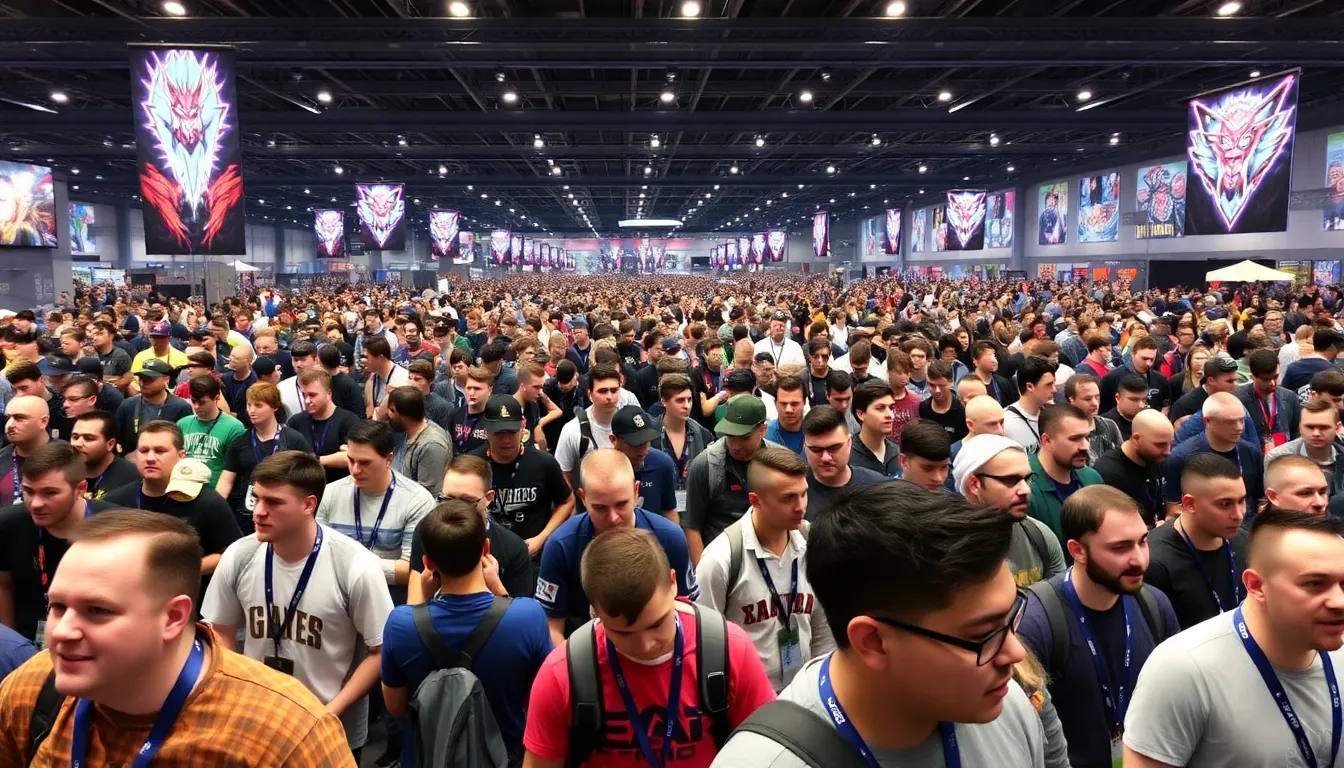
Historically, the FGC emerged in the late 1980s and early 1990s, coinciding with the rise of arcade culture and competitive gaming. Titles like “Street Fighter II” and “Mortal Kombat” not only defined the genre but also fostered a competitive spirit among players. Tournaments were often organized in local arcades, where players could test their skills against one another, creating a close-knit community that valued skill and camaraderie over corporate sponsorships.
As esports began to gain traction in the early 2000s, many games transitioned to a more commercial model, resulting in a shift towards large-scale events backed by corporate sponsors. This transformation often led to a disconnect between players and the community, as the focus shifted towards profitability and viewership metrics. In contrast, the FGC has retained its grassroots roots, with events like EVO (Evolution Championship Series) becoming symbols of community-driven competition, where the emphasis remains on player participation and enjoyment.
The Impact of Recent Events
In recent years, the esports industry has faced numerous challenges, including financial mismanagement, player controversies, and a growing disconnect with the audience. These issues have prompted many to seek alternatives, leading to a resurgence in interest in the FGC. The community’s ability to adapt and thrive without the heavy financial burdens of sponsorships and corporate oversight has made it an appealing refuge for gamers disillusioned by the esports scene, much like those exploring Diane Keaton’s Archive of Queer Art as a form of authentic expression.
Through its commitment to inclusivity and authenticity, the FGC has not only survived but flourished, attracting a diverse range of players and spectators. As the esports industry grapples with its identity and future, the FGC stands as a reminder of what competitive gaming can bean accessible, community-focused experience that celebrates skill and passion above all else.
Key Issues Affecting Esports and the Rise of the FGC
The esports industry has faced significant challenges in recent years, leading to a decline in its once-thriving ecosystem. In contrast, the Fighting Game Community (FGC) has emerged as a bastion of authenticity and grassroots enthusiasm, attracting players and fans seeking a more genuine experience. This section explores the key stakeholders involved and the pressing issues at play.
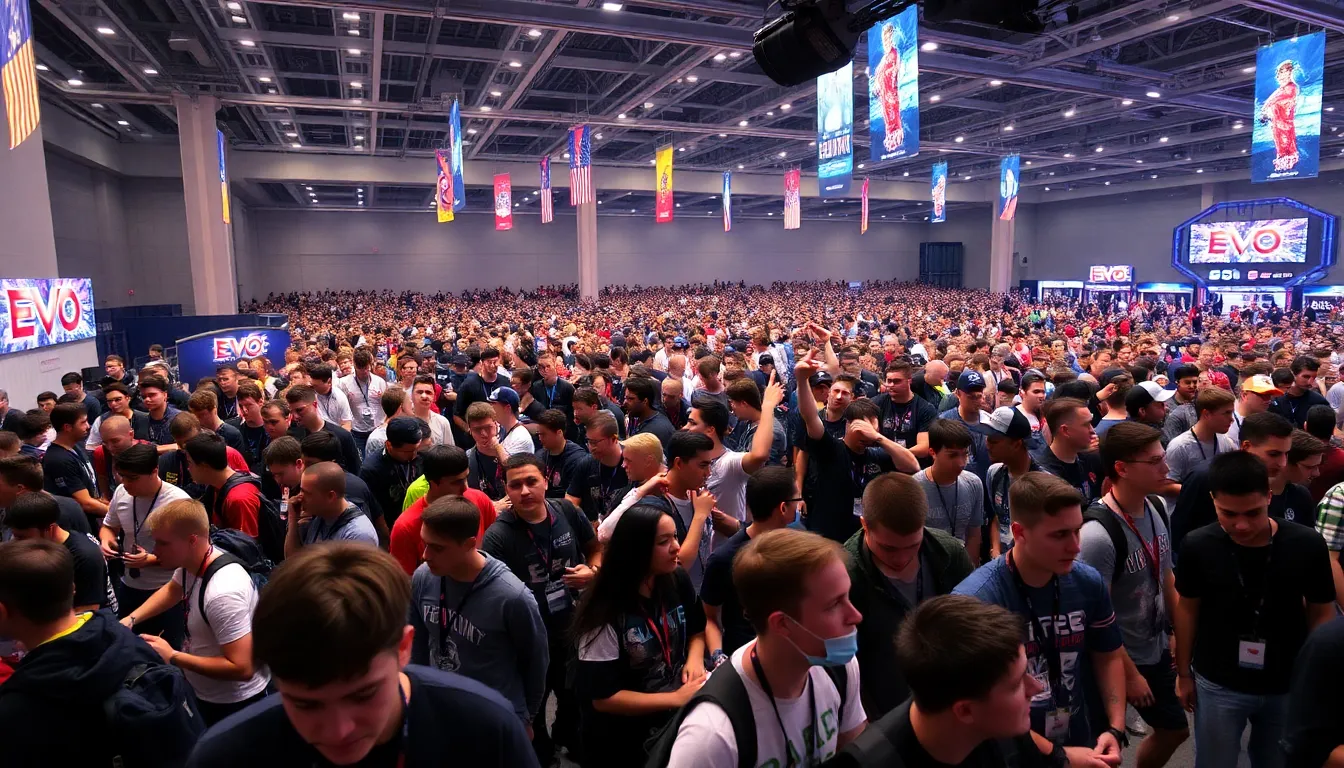
One of the primary actors in the esports landscape is the large-scale publishers and developers, such as Riot Games and Activision Blizzard. Their interests often revolve around monetization strategies, including in-game purchases and sponsorship deals. However, this focus on profit can sometimes alienate players and fans, who may feel that the integrity of the competition is compromised for financial gain.
In the FGC, the stakeholders are more diverse and often include independent tournament organizers, smaller game developers, and the community itself. These actors prioritize inclusivity and accessibility, fostering an environment that values player skill and community engagement over commercial interests. This shift has highlighted a growing divide between traditional esports and the grassroots movements within the FGC.
- Player Empowerment: The FGC emphasizes player-driven events, allowing participants to have a say in tournament formats and rules.
- Community Support: Local scenes and grassroots organizations play a crucial role in sustaining interest and participation in FGC events.
- Economic Viability: The FGC operates on a smaller scale, often relying on community funding and sponsorships, which can lead to more sustainable practices.
- Legal Challenges: Issues surrounding intellectual property rights and tournament organization regulations can create conflicts between game developers and community organizers.
As the esports industry grapples with these challenges, the FGC’s rise serves as a reminder of the importance of community and authenticity in competitive gaming. The contrasting approaches of these two sectors reveal a complex landscape where economic interests, player experiences, and community values intersect.
Who is Affected by the Changes in the Gaming Landscape
The decline of the esports industry has significant ramifications for various groups, including professional gamers, game developers, sponsors, and fans. As esports struggles with issues like financial instability and declining viewership, the fighting game community (FGC) emerges as a vibrant alternative, attracting those disillusioned by the corporate structure of traditional esports.
In the short term, professional gamers who once thrived in the esports ecosystem may find themselves seeking new opportunities within the FGC. This shift could lead to a more grassroots approach to competition, where players participate in local tournaments and community events rather than large-scale, high-stakes competitions. Additionally, game developers focusing on fighting games may see an uptick in interest and engagement, potentially revitalizing their sales and community support.
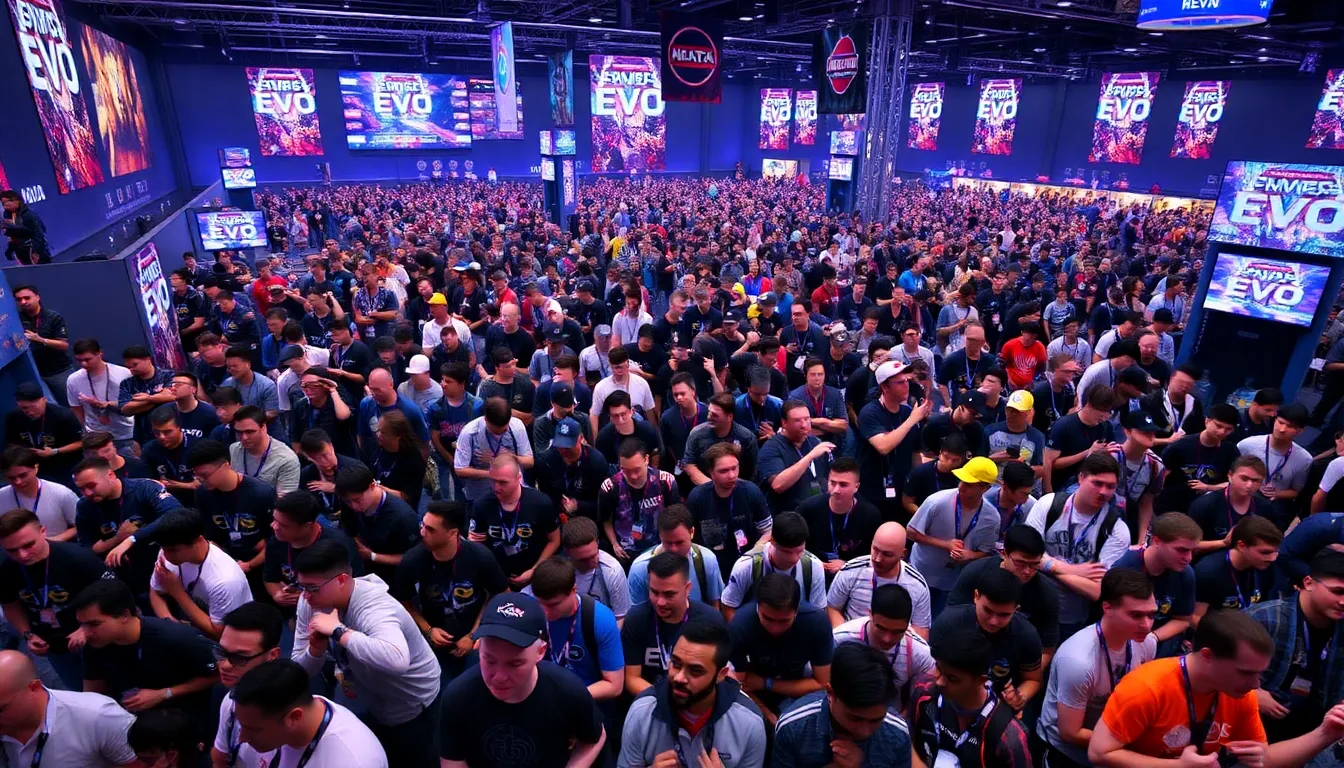
Mid-term impacts could include a shift in sponsorship dynamics. Brands that previously invested heavily in esports may pivot to support the FGC, recognizing the authentic connections and community-driven engagement it offers. This could lead to more localized marketing strategies and partnerships, fostering a deeper relationship between brands and gamers.
- Risks: Potential fragmentation of the gaming community, as players choose between esports and the FGC.
- Opportunities: Increased innovation in game design and community events, fostering a more inclusive environment.
- Risks: Uncertainty in revenue streams for players transitioning from esports.
- Opportunities: A chance for grassroots movements to flourish, leading to more sustainable gaming ecosystems.
Regions with strong FGC followings, such as Japan and the United States, may experience a cultural shift as they embrace this more authentic gaming experience. Local businesses could benefit from increased foot traffic at tournaments and events, while the sense of community could strengthen ties among players and fans alike.
A: The decline is attributed to various factors including financial instability, lack of sustainable business models, and diminishing viewer engagement. A: The FGC is often seen as more grassroots and community-driven, focusing on player interaction and local events rather than large-scale corporate sponsorships. A: Many players find the FGC to be a more authentic experience, emphasizing competition and camaraderie over commercial interests. A: Popular games include titles like Street Fighter, Tekken, and Super Smash Bros, which have strong community support and competitive scenes. A: While challenges exist, the FGC’s community focus and adaptability may provide it with resilience against the industry’s fluctuations.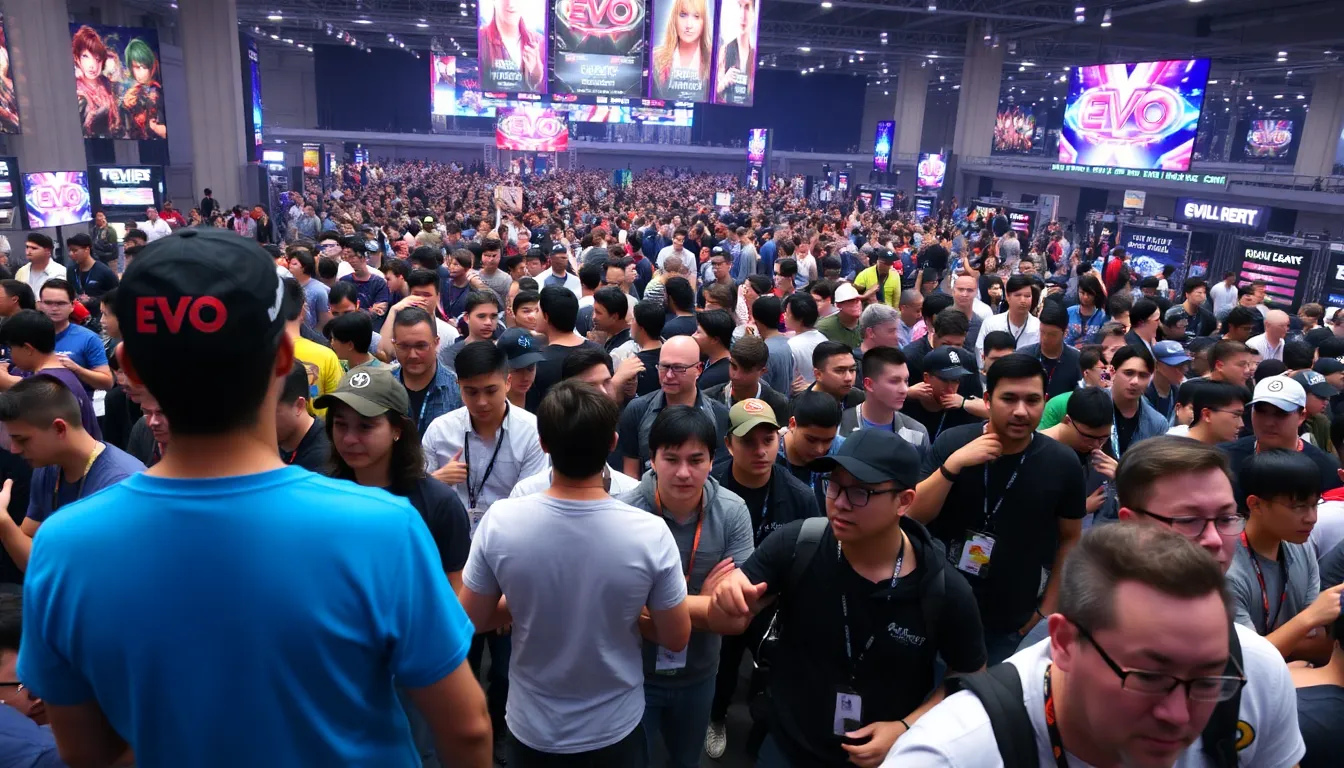
Frequently Asked Questions about the FGC and Esports
Looking Ahead: The Future of the FGC and Esports
As the esports industry faces significant challenges, the Fighting Game Community (FGC) stands out as a bastion of authenticity and grassroots engagement. While many esports organizations grapple with issues of sustainability and commercialization, the FGC thrives on its strong community ties and a commitment to the competitive spirit. This divergence suggests a potential shift in how gaming communities can evolve, emphasizing the importance of player connection and local engagement over corporate interests.
Looking forward, the FGC may offer valuable lessons for the broader esports landscape. As players and fans seek more genuine experiences, the FGC’s model of community-driven events and grassroots support could inspire a new direction for esports, one that prioritizes player agency and authentic competition.
- Community Engagement: The FGC’s focus on local tournaments and player interaction highlights the importance of community in fostering loyalty and passion among fans.
- Authenticity Over Commercialization: As esports organizations reevaluate their strategies, a return to more authentic, player-centered experiences may resonate with audiences disillusioned by corporate motives.
- Innovation in Competition: The FGC’s diverse formats and inclusive practices could inspire new competitive models in esports, encouraging innovation and creativity in tournament structures.
- Emphasis on Grassroots Development: Supporting grassroots initiatives might prove crucial for the sustainability of esports, as seen in the FGC’s ability to cultivate talent and community.