
During his ordeal, the guide managed to maintain his strength by consuming chocolate bars and chewing on ice, which he collected from the mountain’s icy terrain. His resourcefulness highlights the extreme conditions faced by climbers on Everest, where temperatures can plummet and weather can change rapidly. This incident is reminiscent of the challenges outlined in the article Guide presumed dead found alive on Everest.
The guide’s survival is significant not only for the individual but also for the broader mountaineering community, which often grapples with the dangers of high-altitude climbs. His experience serves as a stark reminder of the risks involved and the importance of preparation and resilience in the face of nature’s unpredictability.
As rescue teams worked to locate him, the story garnered attention worldwide, sparking discussions about safety measures and the challenges of climbing the world’s highest peak. This incident underscores the ongoing debate regarding the ethics and responsibilities of guiding services in extreme environments.
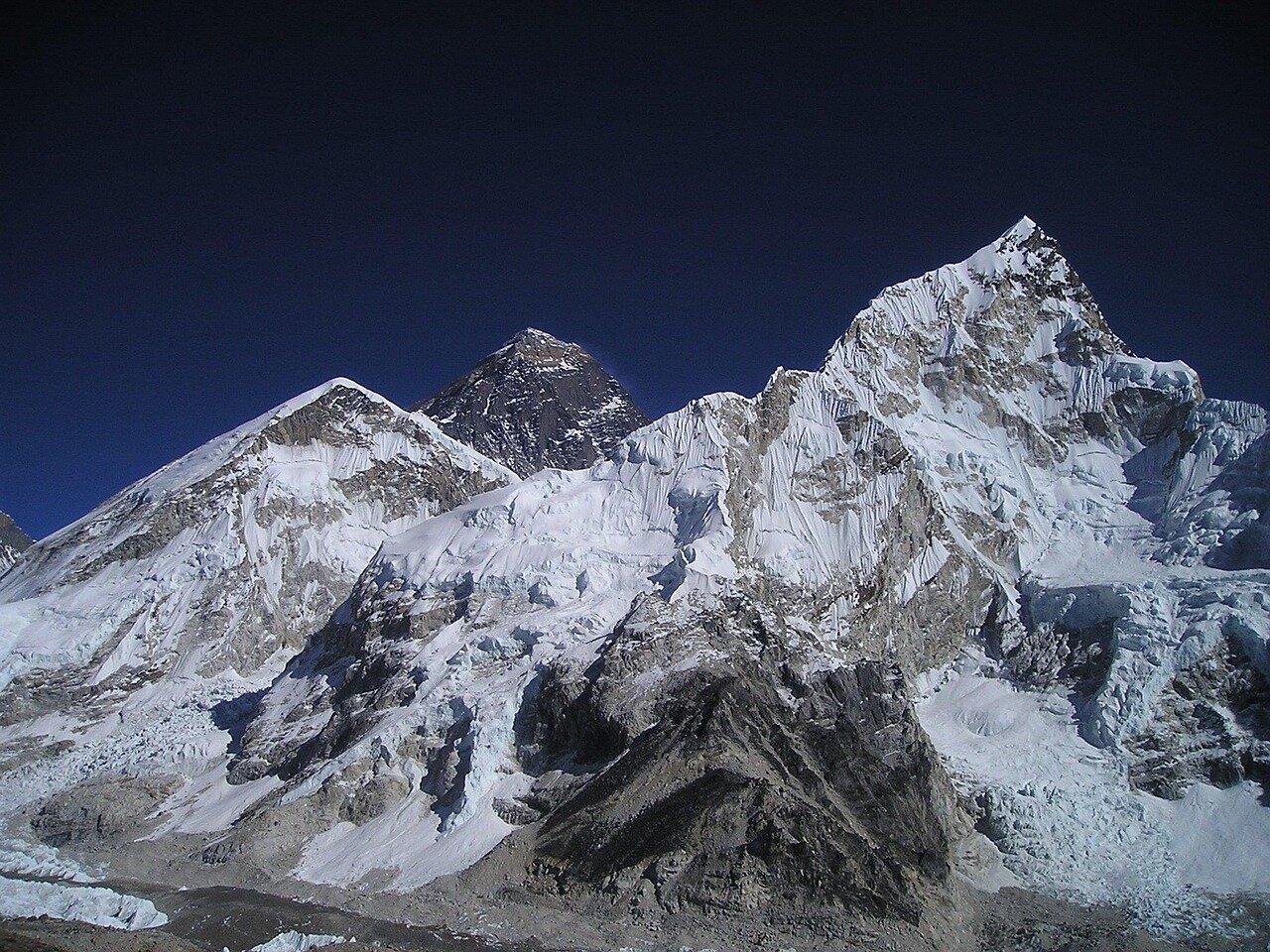
Understanding the challenges faced by climbers on Everest
The ascent of Mount Everest, the world’s highest peak, has long captivated adventurers and mountaineers. However, the journey to the summit is fraught with peril, requiring not only physical endurance but also mental fortitude. Climbers face extreme weather conditions, altitude sickness, and the ever-present risk of avalanches and crevasses. These challenges have historically led to tragic outcomes, underscoring the importance of preparation and survival strategies.
Over the decades, the popularity of Everest expeditions has surged, particularly since the first successful ascent by Sir Edmund Hillary and Tenzing Norgay in 1953. This increase in climbers has resulted in overcrowding on the mountain, often referred to as the “traffic jam” phenomenon. As more people attempt to reach the summit, the risks associated with limited resources, such as oxygen and food, have become more pronounced, leading to dire situations for those unprepared for the harsh realities of high-altitude climbing.
The Role of Guides in High-Altitude Climbing
Guides play a crucial role in the safety and success of Everest expeditions. They are responsible for navigating the treacherous terrain, managing the logistics of the climb, and ensuring that climbers adhere to safety protocols. The recent survival story of an Everest guide, who endured a six-day ordeal by consuming chocolate and chewing ice, highlights the critical importance of resourcefulness and quick thinking in life-or-death situations. Such incidents remind us that even experienced climbers and guides can find themselves in unexpected peril, emphasizing the unpredictable nature of high-altitude adventures. For further insights on this topic, refer to the article Double World Cup winner Packer announces departure from Saracens.
The economic implications of climbing Everest cannot be overlooked. The booming adventure tourism industry has led to increased commercialization of the mountain, with numerous companies offering guided tours. This commercialization raises questions about the ethical responsibilities of guiding companies and the safety measures they implement to protect their clients. As the demand for Everest climbs continues to grow, so does the need for a more sustainable approach to managing the risks associated with this iconic peak.
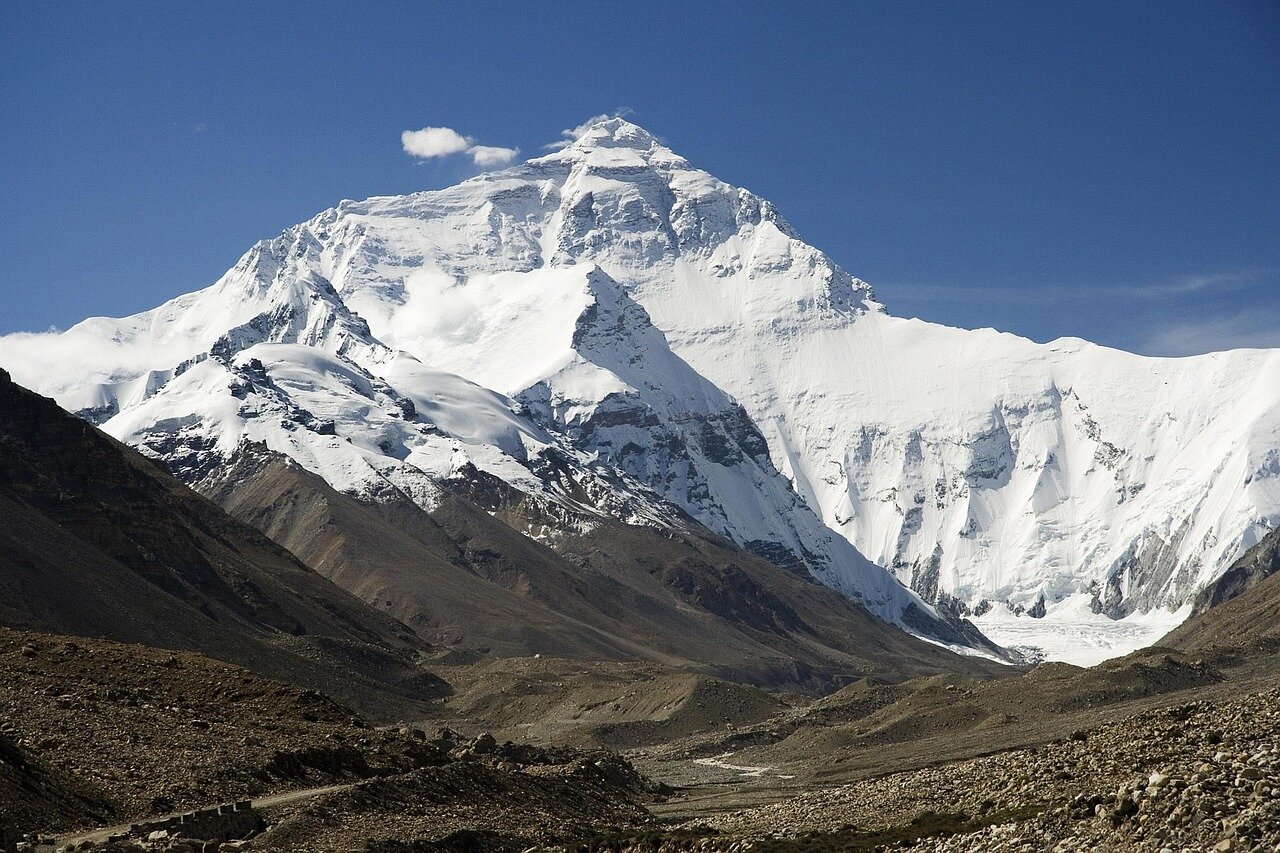
Examining the risks and preparations for high-altitude expeditions
The recent survival story of an Everest guide who endured a six-day ordeal by consuming chocolate and chewing ice highlights the inherent risks associated with high-altitude climbing. This incident not only underscores the physical challenges faced by climbers but also brings to light the roles of various stakeholders involved in such expeditions.
Key actors in the realm of high-altitude climbing include the climbers themselves, guiding companies, local governments, and mountaineering organizations. Each of these stakeholders has distinct interests that can sometimes conflict. For instance, climbers seek adventure and personal achievement, while guiding companies aim to provide safe and profitable experiences. Local governments often focus on tourism revenue, which can lead to a push for more climbers despite safety concerns.
Moreover, the economic implications of mountaineering are significant. The influx of climbers can boost local economies, yet it also raises questions about environmental sustainability and the capacity of local infrastructure. The tension between maximizing profits and ensuring safety is a persistent issue, especially when incidents like the recent survival story occur.
- Safety Regulations: The need for stricter safety protocols and regulations to protect climbers is a major concern among advocacy groups.
- Environmental Impact: Increased climbing activity raises concerns about environmental degradation on Everest and surrounding areas.
- Local Economy vs. Safety: Balancing local economic benefits with the safety of climbers remains a contentious issue.
- Rescue Operations: The logistics and costs associated with rescue operations become more complex as the number of climbers increases.
- Training and Preparedness: Emphasizing the importance of adequate training and preparation for climbers to mitigate risks.
In summary, the story of the Everest guide serves as a reminder of the multifaceted nature of high-altitude expeditions, where the interests of various stakeholders intersect, often leading to complex challenges that require careful consideration and dialogue.
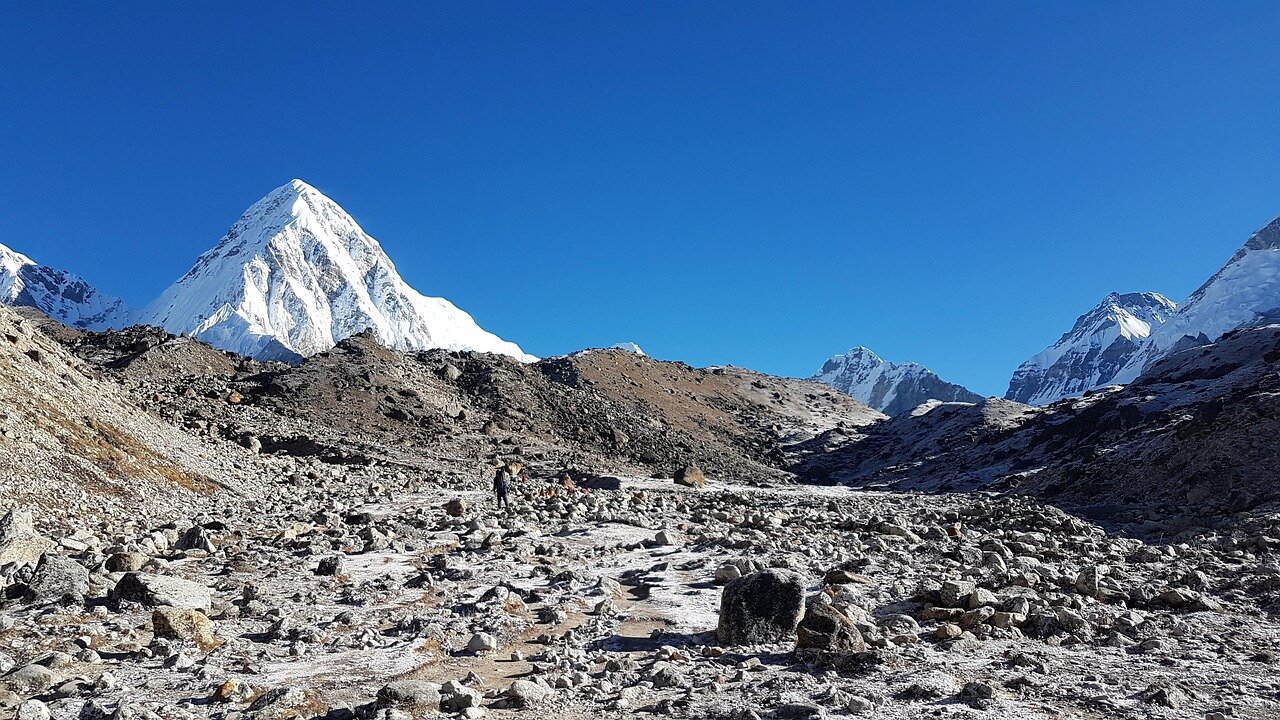
The implications of survival stories for future climbers
The recent survival story of an Everest guide who endured a six-day ordeal by consuming chocolate and chewing ice has significant implications for various groups, including climbers, tourism operators, and local communities in the Himalayas. This incident sheds light on the inherent risks of high-altitude climbing and the critical need for improved safety measures in the climbing industry, similar to the discussions raised in the coverage of Jon Snow reveals his Alzheimer’s diagnosis.
For climbers, the personal impact is profound. Many may reassess their preparation and risk management strategies, leading to a greater emphasis on safety protocols. The story may also encourage aspiring climbers to invest in better training and equipment, potentially increasing demand for specialized climbing gear and services.
Tourism operators in the region could experience both challenges and opportunities. In the short term, there may be a decline in bookings as potential climbers reconsider the dangers associated with Everest. However, in the mid-term, there could be a surge in interest in guided tours that emphasize safety and survival training. This shift may lead to the development of new business models focused on risk management and enhanced climber support.
- Increased safety regulations: The need for stricter safety measures could prompt policy changes within the climbing industry.
- Economic impact on local communities: Fluctuations in tourism could affect local businesses reliant on climbers.
- Opportunities for training programs: A rise in demand for survival and safety training could benefit local guides and instructors.
Additionally, the story may resonate with policymakers who oversee mountain tourism, prompting discussions around sustainable climbing practices and the preservation of natural resources in the region. As awareness grows, there is potential for collaborative efforts between local authorities and climbing organizations to enhance safety and promote responsible tourism.
A: The guide became stranded in harsh conditions and had to rely on limited resources, primarily chocolate and ice, to survive. A: While survival stories are not uncommon, each situation is unique, and many climbers face severe risks during their expeditions. A: Climbers should ensure they have adequate training, proper gear, and contingency plans for emergencies, including food and hydration strategies. A: Yes, there are various safety measures, including guided tours, weather monitoring, and emergency rescue teams, but risks remain high. A: High altitude significantly affects the body, leading to altitude sickness, which can impair judgment and physical ability, complicating survival.
Frequently asked questions about Everest survival
Key takeaways and future outlook on climbing safety
The remarkable survival story of the Everest guide highlights the critical importance of preparedness and resourcefulness in extreme situations. The guide’s ability to endure a six-day ordeal by relying on limited supplies underscores the need for climbers to be equipped with both physical and mental resilience. As climbing conditions continue to evolve, understanding the implications of such experiences can lead to improved safety protocols and training for future expeditions.
Moreover, the incident serves as a reminder of the unpredictable nature of high-altitude environments. Climbing organizations and guides must continuously assess and enhance their safety measures, ensuring that climbers are not only prepared for the physical challenges but also for the psychological demands of an emergency situation.
- Enhanced training programs: Focus on mental resilience and survival skills alongside physical fitness.
- Emergency preparedness: Ensure climbers are equipped with essential supplies and knowledge for unexpected situations.
- Continuous risk assessment: Climbing organizations should regularly evaluate and update safety protocols based on recent experiences.
- Community sharing: Encourage climbers to share experiences and strategies for survival to foster a culture of safety and awareness.