
Countries such as Japan, India, and South Korea are expected to participate, showcasing their unique musical styles and cultural diversity, similar to the Korea Box Office Performance that highlights local talent.
The announcement comes at a time when global music competitions are gaining popularity, with audiences increasingly seeking diverse entertainment options. By entering the Asian market, the Eurovision Song Contest aims to attract a new demographic of viewers and participants, potentially increasing its global audience and influence.
As preparations for the event begin, discussions are underway regarding the selection process for contestants and the host city. The introduction of this edition not only highlights the contest’s adaptability but also its commitment to inclusivity and representation in the global music arena.
Understanding the significance of Eurovision’s Asia edition
The introduction of an Asia edition marks a significant milestone in the contest’s history, reflecting the growing influence of Asian countries in global entertainment and the desire for cultural exchange.
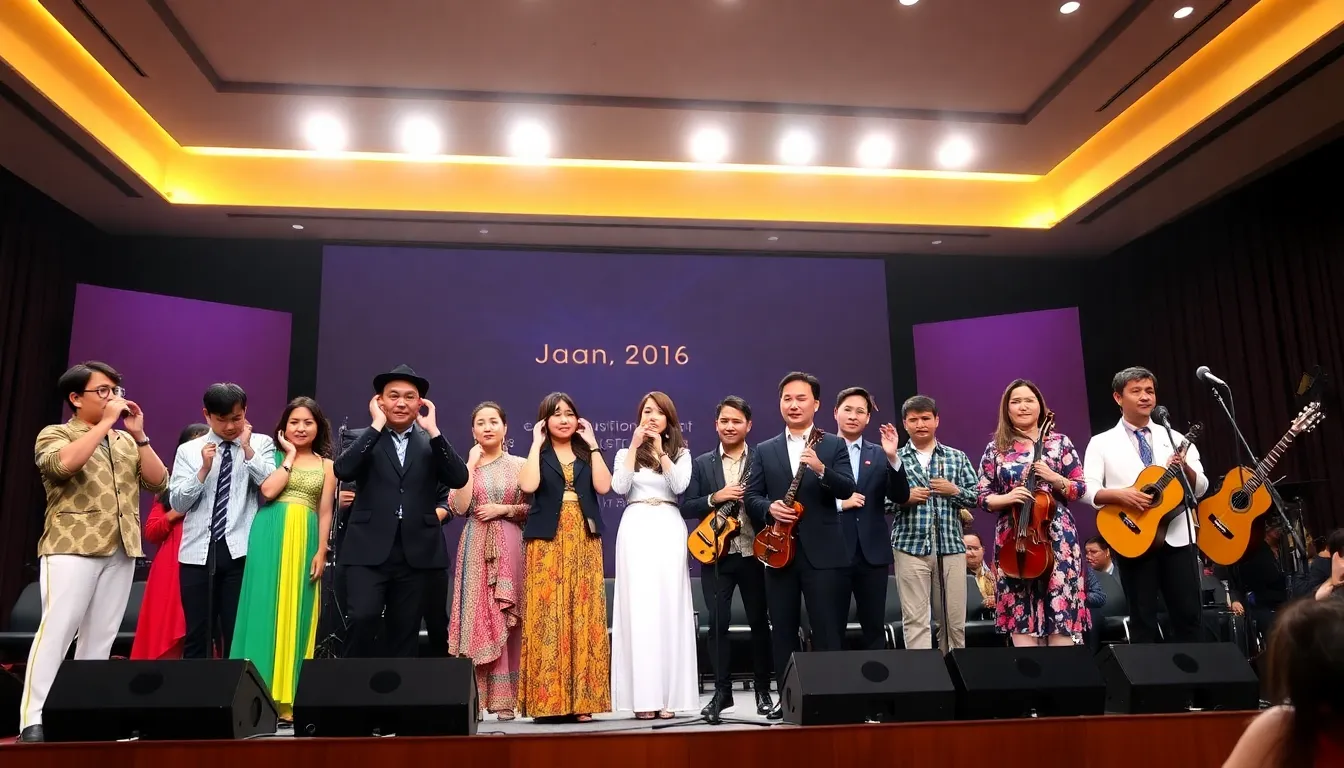
Historically, the Eurovision Song Contest has been rooted in European cooperation, originally conceived as a means to bring together post-war nations through a shared love of music. Over the decades, the contest has adapted to changing political landscapes, with countries from the former Eastern Bloc joining in the 1990s and expanding the competition’s reach. The decision to launch an Asia edition is a natural progression, as many Asian countries have developed their own vibrant music scenes and are eager to participate in an international platform.
The Rise of Asian Pop Culture
In recent years, Asian pop culture has gained immense popularity worldwide, with genres like K-pop, J-pop, and Mandopop capturing the hearts of millions. This surge in interest has not only elevated Asian artists but has also prompted international collaborations and cross-cultural exchanges. By launching an Asia edition of Eurovision, organizers aim to tap into this burgeoning market, providing a stage for Asian artists to showcase their talents while fostering a sense of unity among participating nations.
As countries vie for participation, the potential for economic collaboration and cultural diplomacy will be enhanced, creating a new dynamic in international relations.
As the Eurovision Song Contest takes its first steps into Asia, it sets a precedent for other cultural events to follow suit. The success of this initiative could pave the way for more inclusive international competitions, reflecting the interconnectedness of today’s global society. The Asia edition not only signifies a new chapter for Eurovision but also highlights the importance of embracing diverse cultures in an increasingly globalized world.
Key stakeholders and potential challenges in the Asia edition
The launch of the first-ever Asia edition of the Eurovision Song Contest represents a significant expansion of the brand, bringing together a diverse array of stakeholders. Key actors include national broadcasters from participating Asian countries, the European Broadcasting Union (EBU), artists, and various government entities. Each of these stakeholders has distinct interests that can influence the success of the event.
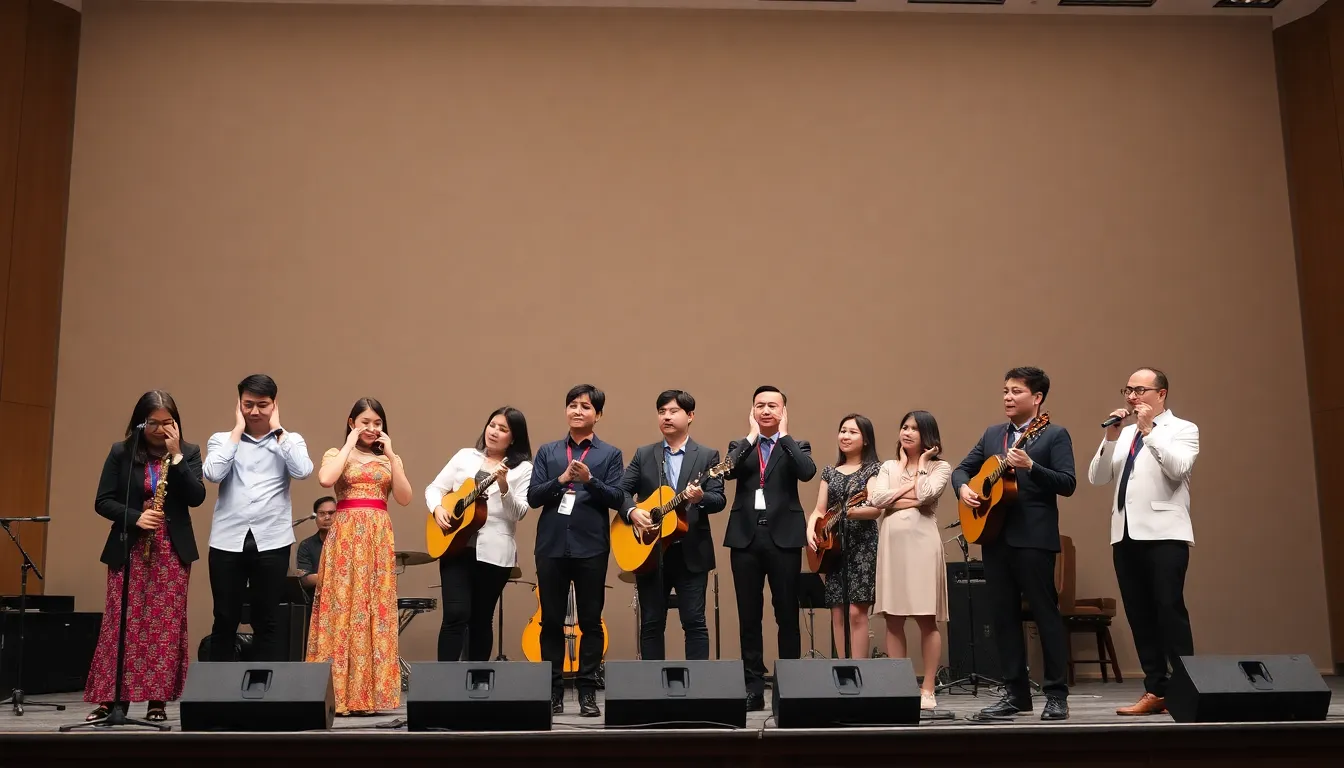
National broadcasters are primarily interested in showcasing their local talent and enhancing their viewership ratings. The EBU, as the organizing body, aims to maintain the integrity and popularity of the Eurovision brand while also ensuring a successful rollout in a new region. Artists seek exposure and the opportunity to gain international recognition, while governments may view the event as a means to promote cultural diplomacy and tourism.
However, the introduction of the Asia edition is not without its challenges. Conflicts may arise over the selection process for participants, as countries may have differing criteria for representation. Additionally, there are potential trade-offs regarding the balance between local cultural expression and the overarching brand identity of Eurovision.
- Regulatory Issues: Different countries have varying regulations regarding broadcasting rights, which could complicate the logistics of the event.
- Cultural Sensitivity: Ensuring that performances respect local customs and values while maintaining the Eurovision spirit may pose challenges.
- Economic Factors: The cost of hosting the event could be a concern for some nations, leading to debates over funding and sponsorship.
- Political Dynamics: Geopolitical tensions in the region may affect participation and collaboration among countries.
In summary, the Asia edition of the Eurovision Song Contest brings together a complex web of stakeholders, each with their own interests and potential conflicts. Understanding these dynamics is crucial for anticipating the challenges that may arise as the event unfolds.
How the Asia edition will affect the music industry
The launch of the first-ever Asia edition of the Eurovision Song Contest is set to have a profound impact on various groups and industries across the region. From artists and music producers to broadcasters and advertisers, the ripple effects of this initiative will be felt far and wide.
One of the primary groups affected will be local artists and musicians who now have a platform to showcase their talents on an international stage. This exposure can lead to increased opportunities for collaboration, touring, and record sales, significantly boosting the careers of emerging talents in Asia.
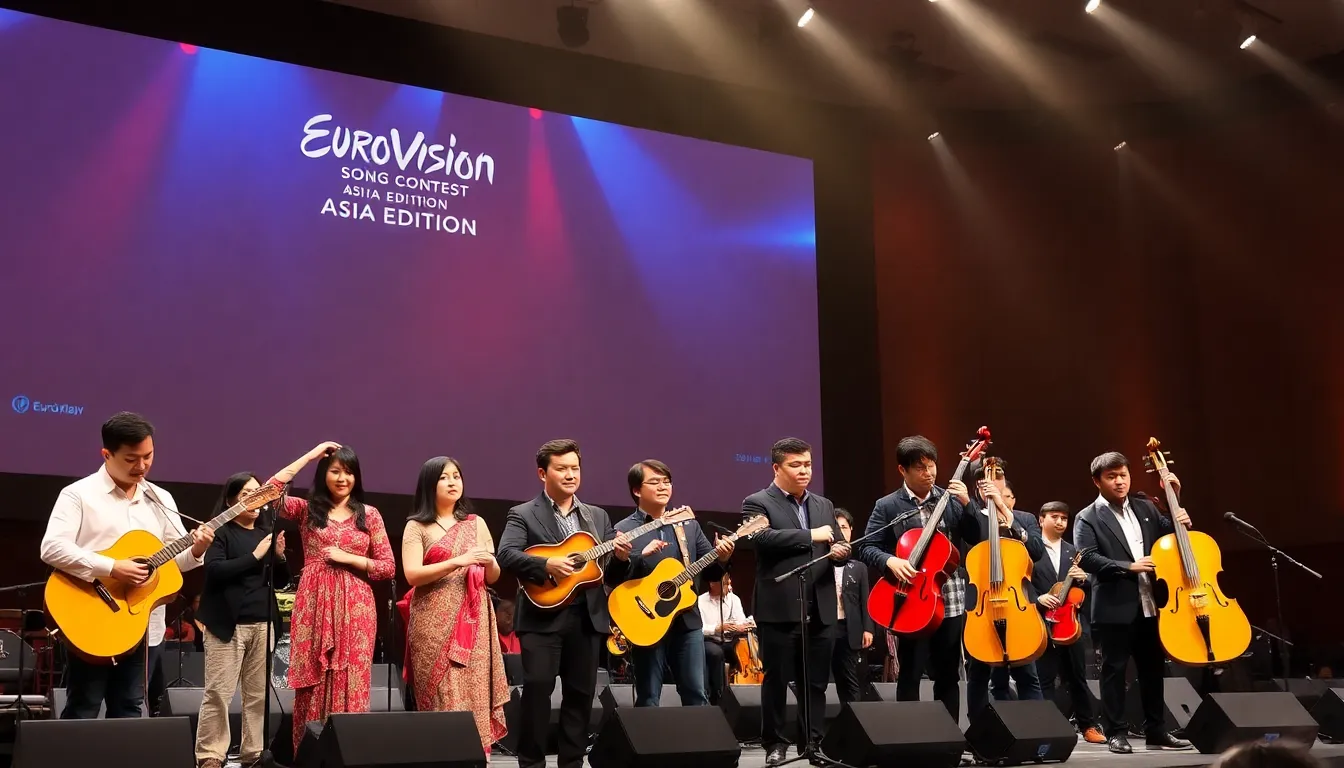
In the short term, businesses in the entertainment sector, including event organizers, marketing agencies, and merchandise vendors, will likely see a surge in demand. The increased visibility of the contest can also attract tourism, as fans may travel to host cities, benefiting local economies. However, there are risks associated with this influx, such as potential oversaturation of the market and competition among local artists.
- Opportunities: Increased visibility for local artists and music genres.
- Risks: Market oversaturation and heightened competition.
- Short-term impact: Boost in tourism and economic activity in host cities.
- Mid-term impact: Potential for new partnerships between Asian and European music industries.
As the Asia edition unfolds, policymakers may also need to consider the implications for cultural exchange and representation. This could lead to new policies aimed at supporting local music industries while fostering international collaboration. The balance between promoting local talent and embracing global influences will be crucial in shaping the future landscape of the music industry in Asia.
A: The exact date for the first Asia edition has not yet been announced, but organizers are expected to reveal more details soon. A: While specific countries have not been confirmed, it is anticipated that several Asian nations will be invited to compete. A: The Asia edition may incorporate regional music styles and cultural elements, adapting the format to resonate with Asian audiences. A: Details regarding the voting system are still under discussion, but it may include a mix of public and jury votes similar to the original format. A: Artists interested in participating will need to follow the application process outlined by the Eurovision organizers, which will be announced closer to the event.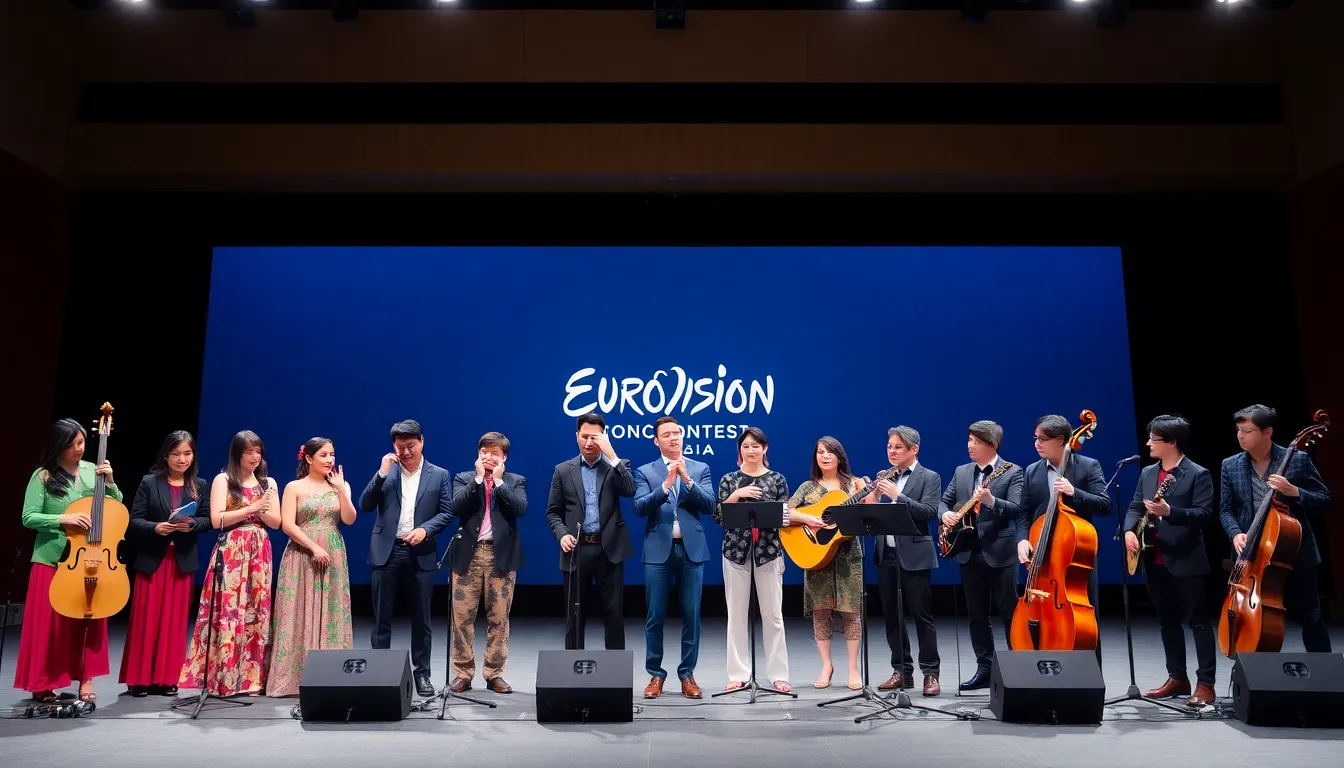
Frequently asked questions about the Asia edition
Looking ahead: The future of Eurovision in Asia
The launch of the first-ever Asia edition of the Eurovision Song Contest marks a significant milestone in the evolution of this iconic music competition. By expanding into Asia, Eurovision not only opens doors for diverse musical expressions but also fosters cultural exchange and collaboration among participating countries. This initiative could reshape the entertainment landscape in the region, potentially attracting a new audience and introducing Asian artists to a global platform.
As the competition unfolds, it will be essential to monitor how this expansion impacts both the traditional Eurovision format and the dynamics of the Asian music industry. The integration of various cultural elements will likely influence future editions, setting a precedent for international collaborations and artistic innovation.
- Increased visibility for Asian artists: This platform could elevate the careers of emerging musicians in Asia, offering them a chance to reach international audiences.
- Cultural exchange opportunities: The competition may encourage cross-cultural collaborations, blending different musical styles and traditions.
- Potential for new audience engagement: Engaging a diverse audience in Asia could lead to innovative marketing strategies and fan interactions.
- Impact on regional music trends: The influence of Eurovision could drive new trends in the Asian music scene, inspiring artists to experiment with various genres.