
The employee, who had been with the company for several years, was informed of their termination as part of a broader restructuring effort aimed at reducing costs. This decision was met with immediate backlash from both employees and the gaming community, leading to questions about the company’s commitment to its workforce and corporate responsibility, similar to the employee lawsuit against Fox News.
Sweeney’s apology acknowledged the emotional impact of the decision and emphasized the need for better communication and support for employees in vulnerable situations. He stated that the company would review its layoff policies to ensure that similar incidents do not occur in the future, highlighting the importance of compassion in the workplace.
This situation has prompted a wider conversation about how companies handle layoffs, particularly when it comes to employees with significant health issues. As public sentiment continues to evolve, Epic Games may face increased scrutiny regarding its corporate culture and values moving forward.
Understanding the circumstances surrounding the layoff
The recent layoff of an employee at Epic Games, who is battling terminal brain cancer, has sparked widespread outrage and raised questions about corporate responsibility and empathy in the workplace. This incident highlights the growing tension between business decisions and the human impact of those decisions, particularly in the technology sector, where layoffs have become increasingly common amid economic uncertainties, reminiscent of issues faced in high-pressure environments.

Historically, layoffs in the tech industry have often been driven by economic pressures, such as the need to cut costs during downturns or to streamline operations for greater efficiency. However, the emotional and ethical implications of such actions have come to the forefront, especially when they involve vulnerable employees. In recent years, several high-profile cases have emerged where companies faced backlash for their treatment of employees during layoffs, prompting discussions about corporate ethics and the need for compassionate leadership.
The evolving landscape of corporate layoffs
In the wake of the COVID-19 pandemic, many companies, including those in the gaming industry, have had to make difficult decisions regarding their workforce. The rise of remote work and shifting consumer demands have led to significant restructuring efforts. However, these changes have also highlighted the importance of considering the personal circumstances of employees, especially those facing serious health challenges. The Epic Games incident serves as a reminder of the need for companies to balance financial decisions with a commitment to their workforce’s well-being.
Furthermore, the public’s response to this incident reflects a growing expectation for corporations to act with integrity and compassion. Social media has amplified voices advocating for employee rights and humane treatment, making it increasingly difficult for companies to ignore the human element in their decision-making processes. As a result, leaders are now under greater scrutiny than ever before, and the fallout from such decisions can have lasting repercussions on a company’s reputation and employee morale.
Examining the implications for employees and company culture
The recent apology from the CEO of Epic Games following the layoff of an employee diagnosed with terminal brain cancer has sparked significant discussions regarding the company’s culture and the treatment of employees facing serious health challenges. This incident highlights the delicate balance between business decisions and human compassion, raising questions about the ethical responsibilities of corporations towards their workforce.
Key stakeholders in this situation include the CEO of Epic Games, the affected employee and their family, other employees of the company, and the broader gaming industry community. Each group has distinct interests that shape their perspectives on the layoff and the subsequent apology.
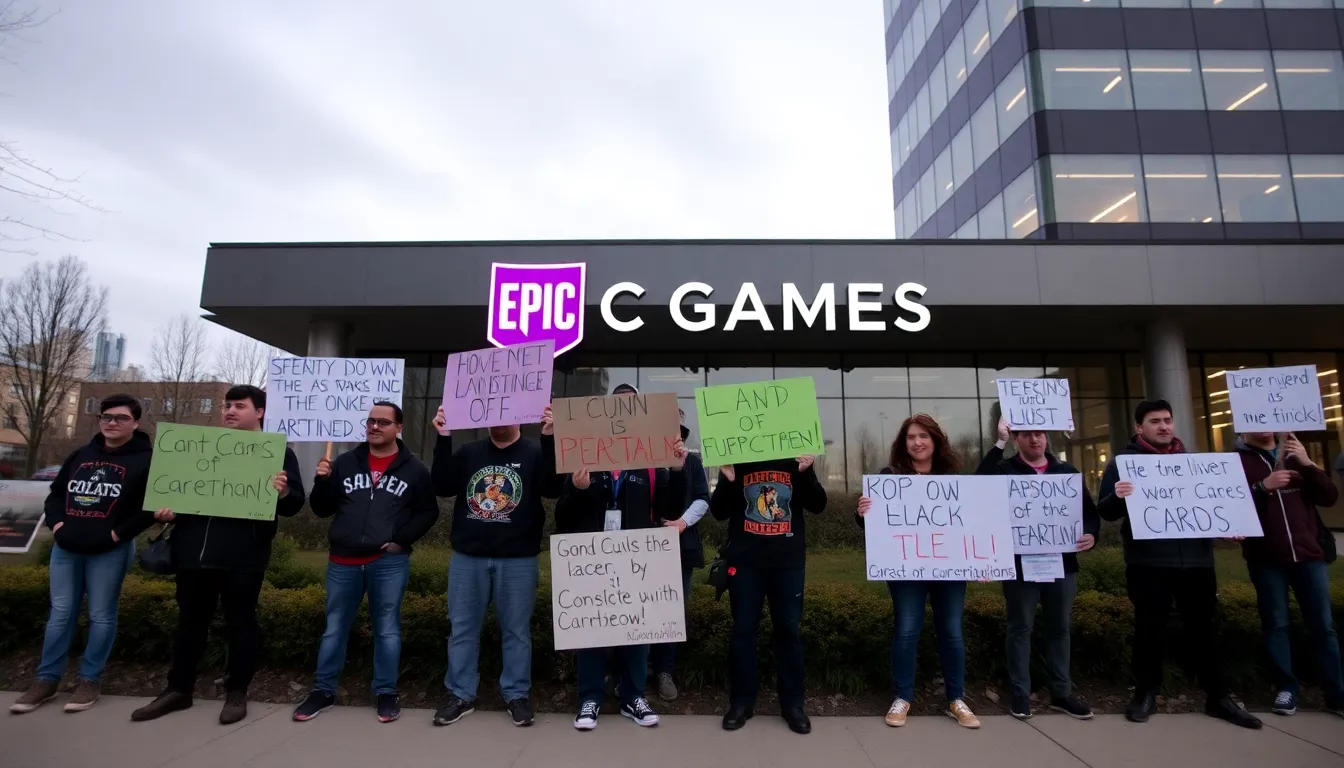
- Epic Games Management: The leadership is focused on maintaining operational efficiency and profitability, which can sometimes lead to difficult decisions, especially in times of economic uncertainty.
- Affected Employee and Family: Their primary concern is the well-being and support needed during a challenging health crisis, which includes financial stability and emotional support.
- Remaining Employees: Colleagues may feel a mix of fear, anger, and uncertainty about their own job security, as well as concern for their coworker’s situation, potentially impacting morale and productivity.
- Industry Peers and Public: The gaming community and industry observers are likely to scrutinize Epic Games’ actions, considering how this incident reflects on corporate responsibility and ethics in the tech sector.
This incident raises several key issues, including the legal ramifications of layoffs, especially concerning employees with serious health conditions. Companies must navigate labor laws that protect against discrimination and wrongful termination, which can complicate layoff decisions; thus, this situation aligns with broader discussions on corporate ethics and must be examined alongside other relevant topics like employee rights.
Furthermore, the conflict between profit motives and employee welfare continues to be a significant theme in corporate governance. As companies like Epic Games face increasing scrutiny from both the public and their employees, the need for transparent communication and ethical decision-making becomes paramount. This situation serves as a reminder of the human side of corporate decisions and the potential long-term impact on company culture and employee loyalty.
The fallout from the layoff on the gaming industry and public perception
The recent decision by the CEO of Epic Games to lay off an employee diagnosed with terminal brain cancer has sent shockwaves through the gaming industry and beyond. This incident has not only affected the individual and their family but has also raised questions about corporate responsibility and the treatment of employees in high-pressure environments. Various stakeholders, including employees, gamers, and industry watchdogs, are now scrutinizing the actions of major gaming companies.
In the short term, the impact on employee morale within Epic Games and similar companies could be significant. Employees may feel insecure about their job stability and question the company’s commitment to their well-being. This could lead to decreased productivity and an increase in employee turnover as talented individuals seek more supportive work environments.
From a broader perspective, the gaming industry could face reputational damage as consumers and advocacy groups demand accountability. Public backlash may lead to a decline in sales or engagement with Epic Games’ products, particularly from gamers who prioritize ethical business practices. The incident could also prompt policy discussions around labor laws and protections for employees facing serious health issues.
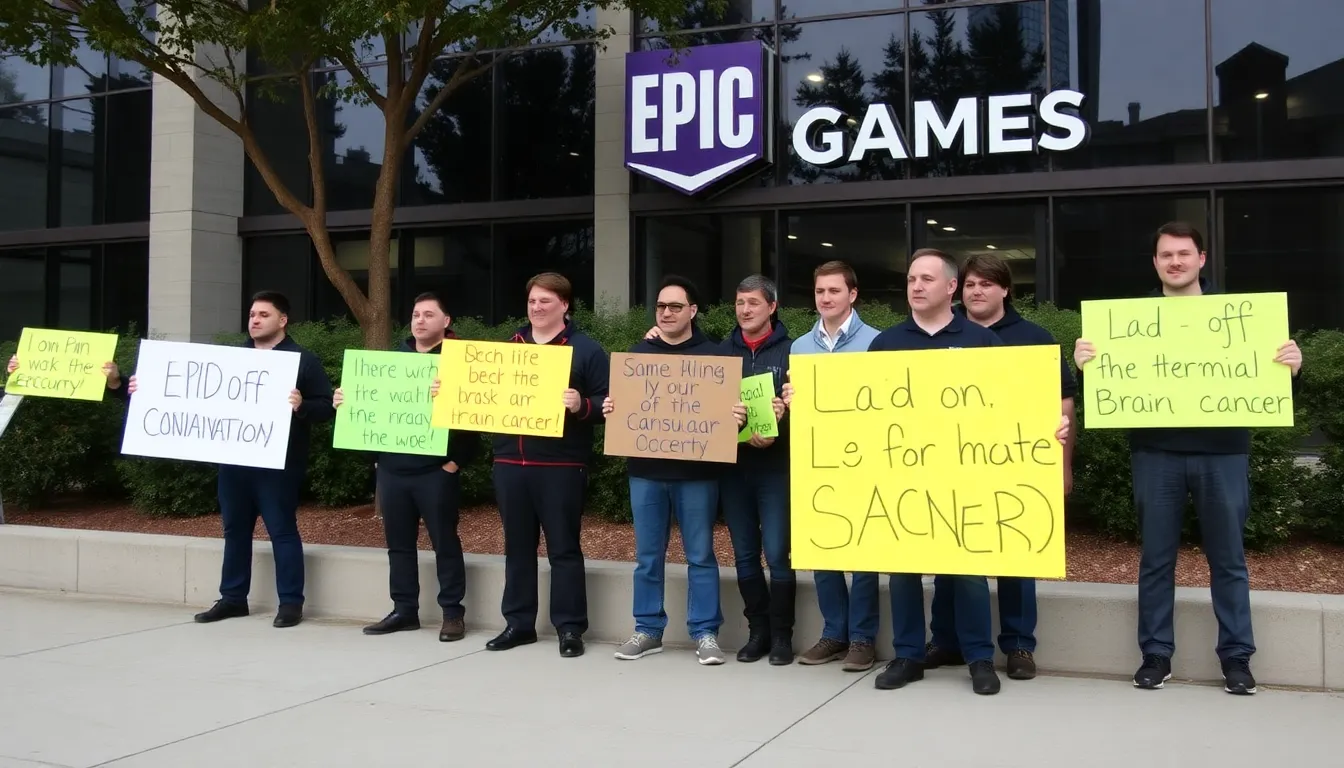
- Short-term impacts: Decreased employee morale, potential decline in productivity.
- Mid-term impacts: Reputational damage, possible shifts in consumer behavior.
- Risks: Increased scrutiny from media and advocacy groups, potential legal challenges.
- Opportunities: Companies can improve employee support programs and enhance corporate social responsibility initiatives.
As the situation unfolds, it presents both risks and opportunities for the gaming industry. While the immediate fallout may be negative, there is a chance for companies to reevaluate their policies and foster a more compassionate workplace culture. This could ultimately lead to a more engaged workforce and a stronger connection with consumers who value ethical practices.
A: The decision was part of a broader restructuring effort at Epic Games, but it has raised significant ethical questions due to the employee’s health condition. A: The public response has been mixed, with many expressing outrage over the layoff while others appreciate the CEO’s willingness to apologize. A: The incident could harm Epic Games’ reputation, affecting employee morale and public trust, which are crucial for a company in the competitive gaming industry. A: While there has been some volatility, the long-term impact on stock price remains to be seen as the company navigates this controversy. A: The company is reportedly reviewing its layoff policies and considering new measures to support employees facing health challenges.
Frequently asked questions regarding the layoff incident
Key takeaways and future outlook for Epic Games
The recent incident involving the CEO of Epic Games and the termination of an employee with terminal brain cancer has sparked significant discussions regarding corporate responsibility and employee welfare. This situation highlights the delicate balance between business decisions and the human impact they carry, particularly in a high-stakes industry like gaming. As Epic Games navigates the aftermath, it is crucial to consider the broader implications for company culture and employee relations.
Moving forward, the focus will likely shift towards how Epic Games can rebuild trust with its workforce and the public. The company’s response may set a precedent for how similar situations are handled in the tech industry, emphasizing the need for compassionate leadership and ethical decision-making.
- Increased scrutiny on corporate ethics: Companies may face greater pressure to prioritize humane treatment of employees, especially in sensitive circumstances.
- Impact on employee morale: How Epic Games addresses this situation could influence employee loyalty and overall workplace culture.
- Potential for policy changes: The incident may prompt a reevaluation of layoff policies and procedures, particularly regarding vulnerable employees.
- Public relations challenges: The company will need to manage its public image carefully to regain trust and credibility.
- Long-term implications for leadership style: The event may lead to a shift towards more empathetic leadership practices within the organization.