
Currently, surgical intervention is considered one of the most effective treatments for endometriosis. However, many patients report long waiting times for surgery, often exacerbated by healthcare system backlogs and resource limitations. For instance, in some regions, women are waiting several months to over a year for their procedures, leaving them to cope with debilitating pain in the meantime. This highlights the critical need for improvements in healthcare access and efficiency.
The COVID-19 pandemic has further intensified these challenges, as elective surgeries were postponed or canceled in many healthcare facilities. As a result, patients who were already on waiting lists found themselves facing even longer delays. This situation has led to increased frustration and anxiety among those suffering from the condition, underscoring the importance of timely access to care.
Advocacy groups are calling for increased awareness and funding for endometriosis research and treatment options. They emphasize the need for healthcare systems to prioritize timely access to care for patients experiencing severe symptoms. As discussions around women’s health continue to evolve, the plight of endometriosis patients remains a critical issue that requires urgent attention.
Background on Endometriosis and Its Impact on Lives
Endometriosis is a chronic and often debilitating condition that affects approximately 1 in 10 women of reproductive age. It occurs when tissue similar to the lining of the uterus grows outside the uterus, leading to severe pain, especially during menstruation. Despite its prevalence, endometriosis has historically been under-researched and under-recognized, leading to significant delays in diagnosis and treatment for many sufferers.

The journey to understanding endometriosis has been long and fraught with challenges. In the past, women experiencing severe menstrual pain were often dismissed, with their symptoms attributed to normal discomfort associated with periods. This stigma surrounding women’s health issues has contributed to a lack of urgency in addressing endometriosis, leaving many women to suffer in silence. It wasn’t until the late 20th century that awareness began to increase, leading to more research and a gradual recognition of the condition as a serious health issue.
The Economic Burden of Endometriosis
The economic implications of endometriosis are significant. The condition not only affects the quality of life for those diagnosed but also imposes a heavy financial burden on healthcare systems. Women with endometriosis often face high medical expenses due to frequent doctor visits, diagnostic tests, and treatments. Additionally, the impact on productivity can lead to lost wages and increased absenteeism in the workplace, further exacerbating the economic strain on individuals and society. This economic burden underscores the necessity for effective treatment options and healthcare policies.
Recent advocacy efforts have aimed to raise awareness and push for better funding for research and treatment options. These movements have highlighted the need for more comprehensive healthcare policies that address women’s health issues more effectively. As the conversation around endometriosis continues to evolve, it is crucial for society to recognize the importance of timely diagnosis and treatment, ensuring that women do not have to endure prolonged suffering while waiting for essential surgical interventions.
Key Stakeholders in the Endometriosis Treatment Process
The treatment landscape for endometriosis involves a diverse array of stakeholders, each with distinct interests and influences. These actors include patients, healthcare providers, pharmaceutical companies, advocacy groups, and government entities. Understanding their roles is essential for grasping the complexities surrounding endometriosis treatment and the challenges faced by those suffering from this condition.
Patients are at the center of the endometriosis experience, often enduring significant pain and emotional distress while navigating a complex healthcare system. Their primary interest lies in receiving timely and effective treatment, including surgery when necessary. However, many patients report long wait times for surgical interventions, leading to frustration and worsening symptoms.
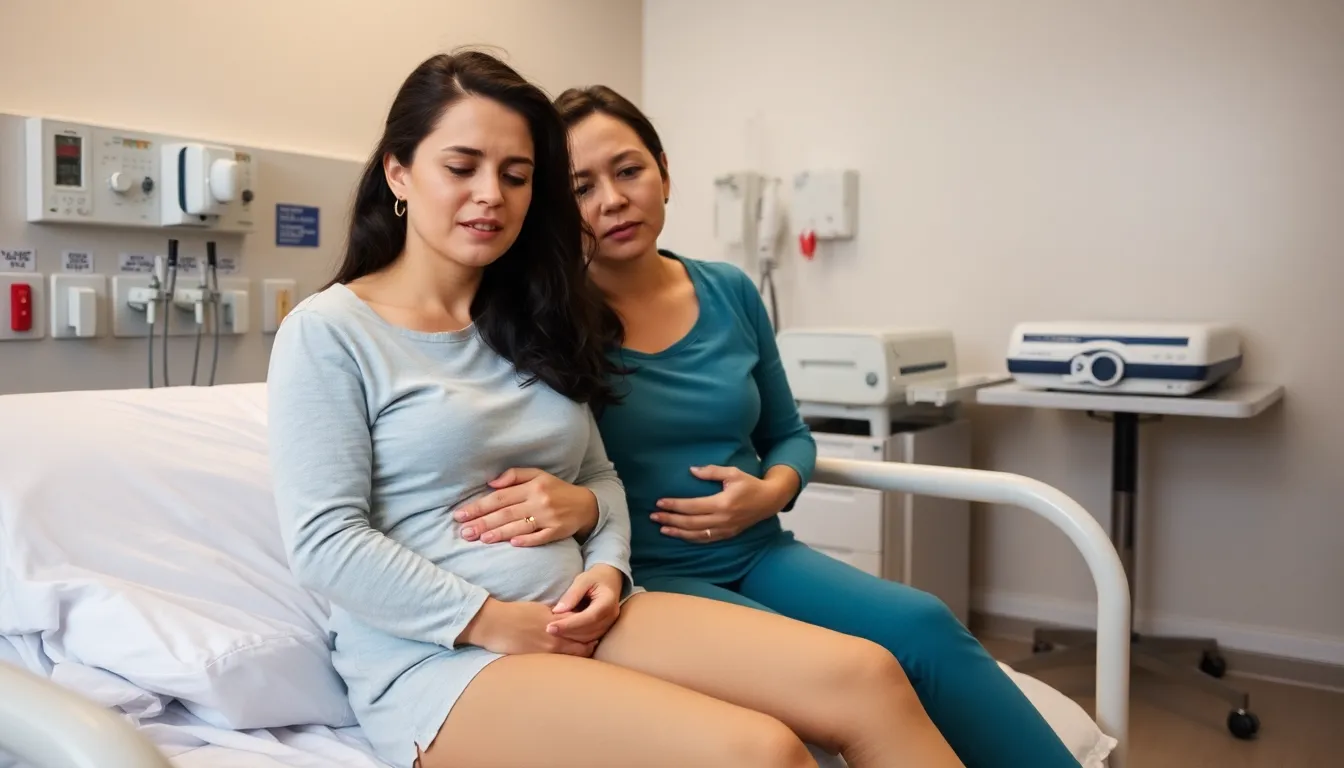
Healthcare providers, including gynecologists and pain management specialists, play a critical role in diagnosing and treating endometriosis. They are often caught in a conflict between adhering to clinical guidelines and addressing the immediate needs of their patients. Additionally, they face pressure from healthcare systems that may prioritize cost-effectiveness over patient-centered care, leading to trade-offs in treatment options.
Pharmaceutical companies are key players, as they develop medications aimed at managing endometriosis symptoms. Their interests may not always align with patient needs, particularly when it comes to drug pricing and accessibility. The economic implications of expensive treatments can create barriers for patients seeking effective pain relief, further complicating the treatment landscape.
- Advocacy groups work tirelessly to raise awareness about endometriosis and push for better research funding and treatment options.
- Government entities are responsible for regulating healthcare practices and ensuring that patients have access to necessary treatments, yet they often face budget constraints.
- Insurance companies play a significant role in determining coverage for endometriosis treatments, impacting patients’ access to care.
In summary, the interplay between these stakeholders highlights the multifaceted nature of endometriosis treatment. Conflicts arise from differing priorities, leading to significant challenges for patients who are often left waiting for the care they urgently need.
The Effects of Delayed Surgery on Patients’ Quality of Life
The delay in surgical intervention for endometriosis significantly affects various groups, particularly women of reproductive age. This condition impacts millions globally, with a notable concentration in regions with limited access to healthcare resources. The emotional and physical toll on patients can lead to a decline in overall quality of life, affecting their ability to work, socialize, and engage in daily activities.
In the short term, patients experience increased pain and discomfort, leading to frequent medical appointments, which can strain personal finances and healthcare systems. Employers may face reduced productivity as affected individuals take time off work to manage their symptoms or seek treatment. The psychological impact can also lead to anxiety and depression, further complicating the recovery process.

In the mid-term, the prolonged wait for surgery can result in more severe health complications, potentially requiring more extensive treatment options. This not only increases the burden on healthcare providers but also raises costs for insurance companies and patients alike. Policymakers may find themselves under pressure to address these delays, potentially leading to reforms in healthcare access and prioritization of women’s health issues.
- Risks: Increased healthcare costs, worsening patient outcomes, and potential long-term disability.
- Opportunities: Advocacy for better healthcare policies, increased awareness about endometriosis, and innovation in treatment options.
Ultimately, the implications of delayed surgery extend beyond individual patients, affecting families, communities, and the healthcare industry as a whole. Addressing these challenges requires a multifaceted approach that prioritizes timely access to care and supports those impacted by endometriosis.
A: Endometriosis is a medical condition where tissue similar to the lining inside the uterus grows outside of it, causing pain and other symptoms. A: Diagnosis typically involves a pelvic exam, imaging tests like ultrasounds, and sometimes a laparoscopy to confirm the presence of endometrial-like tissue. A: Treatments may include pain management, hormonal therapies, and surgical options to remove endometrial tissue. A: Surgical wait times can be influenced by hospital capacity, specialist availability, and the severity of the patient’s condition. A: Patients can explore pain management strategies, support groups, and lifestyle changes to help alleviate symptoms during the waiting period.
Frequently Asked Questions About Endometriosis and Surgery
Looking Ahead: The Future of Endometriosis Treatment
As the conversation around endometriosis gains momentum, it is crucial to recognize the challenges many individuals face while navigating their treatment options. The prolonged wait for surgery amidst debilitating pain highlights the need for systemic changes in healthcare delivery and patient advocacy. Improved awareness and education about endometriosis can lead to better diagnosis and treatment pathways, ultimately enhancing the quality of life for those affected.
Moreover, ongoing research into innovative therapies and surgical techniques holds promise for more effective management of this condition. As we move forward, it is essential to keep a close eye on emerging trends in endometriosis treatment that could reshape patient experiences and outcomes.
- Advocacy for Timely Care: Increased awareness about endometriosis can drive advocacy efforts for timely surgical interventions and better healthcare access.
- Research Developments: Stay informed about new treatments and surgical techniques being explored in clinical trials that may offer hope for more effective pain management.
- Holistic Approaches: Consider complementary therapies, such as dietary changes and physical therapy, which may alleviate symptoms while waiting for surgical options.
- Community Support: Engage with support groups and online communities for shared experiences and coping strategies, fostering a sense of belonging during challenging times.