
Musk emphasized that the transition to public trading aims to raise capital for upcoming projects, including the Starship program and the planned Mars colonization efforts. To learn more about this ambitious endeavor, check out three things to know about SpaceX’s stock market debut.
The public offering is expected to take place in early 2024, following regulatory approvals and market assessments. Analysts predict that the initial offering could value the company at over $100 billion, reflecting its growing influence in the satellite launch market and space exploration.
This move has sparked discussions among investors and industry experts about the implications for the space sector. With SpaceX’s track record of innovation and successful missions, many believe that its entry into public markets could lead to increased competition and advancements in space technology.
The background of SpaceX and its growth trajectory
Founded in 2002 by Elon Musk, SpaceX was established with the ambitious goal of reducing space transportation costs to enable the colonization of Mars. From its inception, the company aimed to revolutionize the aerospace industry by developing reusable rocket technology, a vision that has significantly shaped its growth trajectory. Over the years, SpaceX has achieved numerous milestones, including the first privately-funded spacecraft to reach orbit and the first commercial spacecraft to deliver cargo to the International Space Station.
The political landscape surrounding SpaceX has also played a crucial role in its development. With increasing interest in space exploration and commercial space travel, the U.S. government has supported private aerospace ventures through contracts with NASA and the Department of Defense. This partnership has provided SpaceX with essential funding and credibility, allowing it to compete with established aerospace giants.
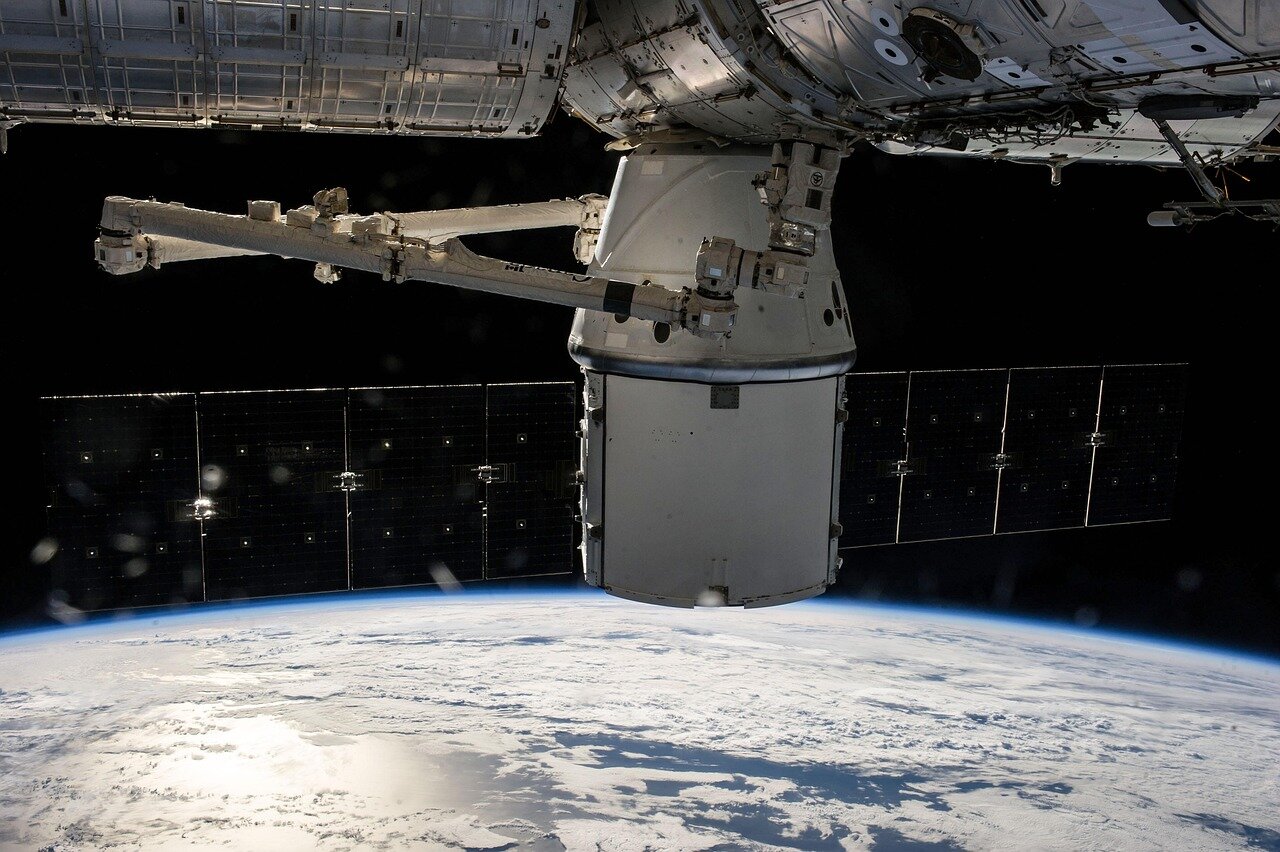
Economically, the rise of SpaceX coincided with a broader trend of privatization in the space industry. The commercialization of space has attracted significant investment from both private and institutional investors. As a result, SpaceX has been able to secure billions in funding, which has fueled its ambitious projects, including the Starship program aimed at interplanetary travel. This influx of capital has also positioned SpaceX as a leader in the emerging space economy.
Key milestones in SpaceX’s journey
Several key milestones mark SpaceX’s journey toward becoming a significant player in the aerospace industry. In 2008, the Falcon 1 became the first privately developed liquid-fueled rocket to reach orbit. This achievement was followed by the successful launch of the Falcon 9 in 2010, which has since become the workhorse of SpaceX’s fleet. The successful development and deployment of the Crew Dragon spacecraft in 2020 further solidified SpaceX’s reputation, as it marked the first crewed launch from U.S. soil since 2011.
As SpaceX prepares to initiate public trading from Texas, this move represents a significant step in its evolution. The transition to a publicly traded company could provide the capital needed for future projects while also increasing transparency and accountability in its operations. This development is not only a reflection of SpaceX’s past successes but also a pivotal moment that could reshape the future of commercial spaceflight, much like what is expected in the Artemis III mission.
Key stakeholders and implications of public trading
The recent announcement of Elon Musk initiating public trading for SpaceX from Texas has attracted significant attention from various stakeholders. Key actors include Elon Musk himself, investors, regulatory bodies, and the state of Texas. Each of these entities has distinct interests that contribute to the broader implications of this development.
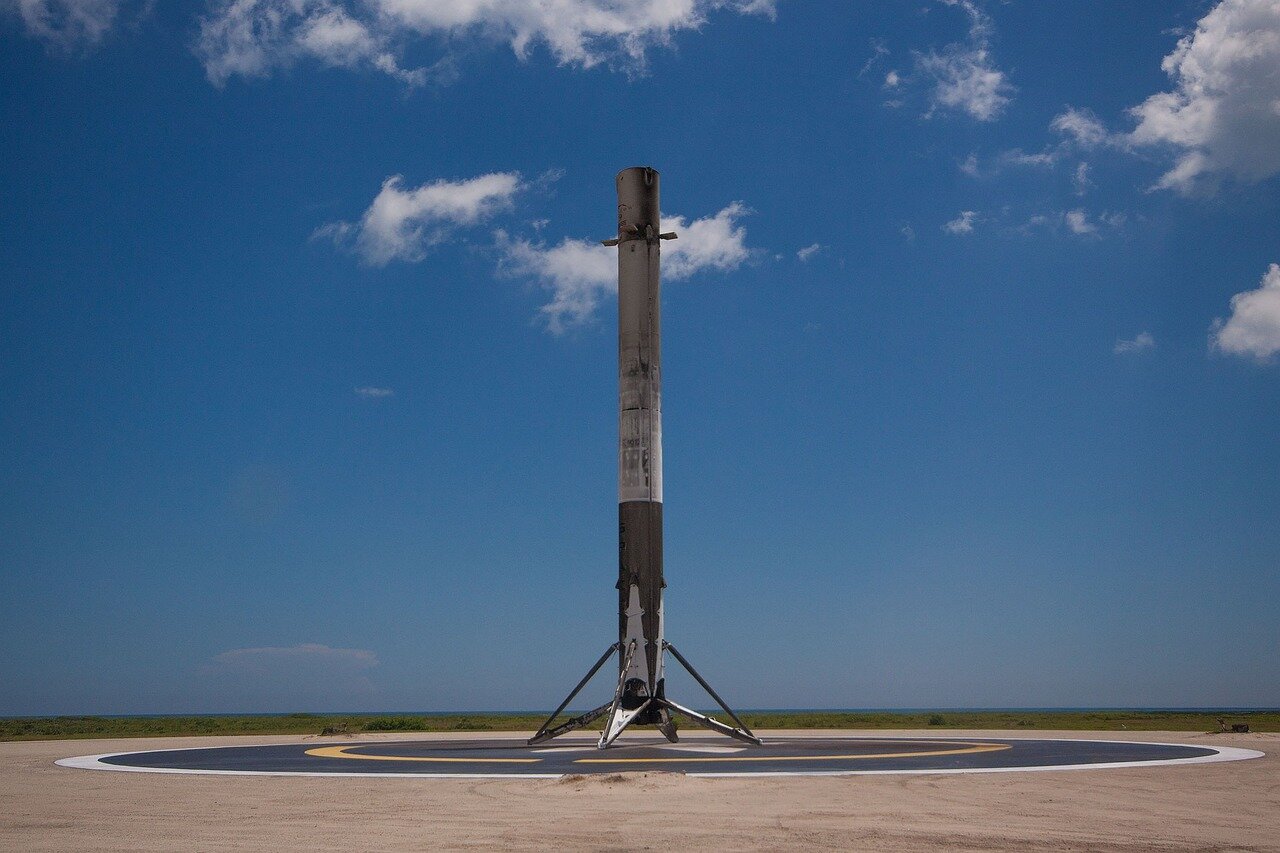
Elon Musk, as the founder and CEO of SpaceX, aims to raise capital for ambitious projects, including the Starship program and potential Mars colonization efforts. His vision for the future of space travel aligns with the broader goals of advancing technology and increasing accessibility to space. However, this ambition also raises concerns regarding the environmental impact of increased rocket launches and the sustainability of space exploration.
Investors are keenly interested in the potential profitability of SpaceX’s public trading. The company has already demonstrated significant advancements in reusable rocket technology, which may lead to cost reductions in space travel. However, investors must navigate the inherent risks associated with the aerospace industry, including regulatory hurdles and competition from other private space ventures.
- Regulatory bodies, such as the Federal Aviation Administration (FAA), will scrutinize SpaceX’s operations to ensure compliance with safety and environmental standards.
- The state of Texas stands to benefit economically from SpaceX’s public trading, as it may attract more businesses and talent to the region.
- Public opinion may be divided, with some supporting the commercialization of space and others concerned about the implications for public resources and safety.
- Conflicts may arise between SpaceX’s rapid development goals and the regulatory framework designed to ensure safety and environmental protection.
- Trade-offs exist between the potential economic benefits of public trading and the responsibilities that come with increased public scrutiny and accountability.
In summary, the public trading of SpaceX brings together a complex web of stakeholders, each with their own interests and concerns. The interplay between these actors will shape the future of SpaceX and the broader landscape of the aerospace industry, as seen in the recent changes and developments that led to SpaceX stock’s significant increase on its first trading day.
Potential impacts on investors and the space market
The public trading of SpaceX from Texas is set to influence a variety of stakeholders, including investors, aerospace companies, and regional economies. Investors looking for opportunities in the burgeoning space industry may find this development particularly appealing, as it opens the door for greater capital influx into the sector. Additionally, companies involved in satellite technology, launch services, and space exploration are likely to feel the ripple effects of SpaceX’s public status.
In the short term, the immediate impact can be observed in the stock market, where SpaceX shares may attract significant attention and trading volume. This could lead to increased volatility as investors react to news and performance metrics. Furthermore, local economies in Texas, where SpaceX is headquartered, may see a boost in job creation and infrastructure investment as the company expands its operations to meet public expectations.
In the mid-term, the implications could extend to policy-making, as government agencies may seek to establish regulations that support the growth of a public SpaceX. This could result in new policies aimed at fostering innovation in the aerospace sector, potentially benefiting startups and established companies alike. However, there are risks involved, such as regulatory hurdles and market saturation, which could impact smaller players in the industry.
- Increased investment opportunities for public and private investors.
- Potential job growth in the Texas region and beyond.
- Changes in regulatory frameworks that could benefit or hinder industry players.
- Market volatility as investors react to SpaceX’s performance.
Overall, while the public trading of SpaceX presents exciting opportunities for growth and investment, it also poses challenges that stakeholders must navigate to ensure sustainable development in the space market.
A: Public trading allows SpaceX to sell shares to the public, potentially raising significant capital for future projects. It also increases transparency and regulatory scrutiny. A: The decision to go public may be driven by the need for funding to support ambitious projects like Starship and Mars colonization. Additionally, the current market conditions may be favorable. A: Current investors may see increased liquidity in their investments, as shares can be bought and sold on public exchanges. However, they also face potential dilution of their ownership. A: Risks include market volatility, regulatory challenges, and the pressure to meet quarterly earnings expectations, which may conflict with long-term goals. A: SpaceX going public could lead to increased investment in the space sector, encouraging innovation and competition among other companies.
Frequently asked questions about SpaceX trading
Future outlook for SpaceX and the space industry
The initiation of public trading for SpaceX marks a significant milestone not only for the company but also for the broader space industry. This move is expected to enhance transparency and attract a new wave of investment, potentially accelerating innovation and development in space technologies. As SpaceX continues to push the boundaries of space exploration and commercial endeavors, the implications for competitors and collaborators alike will be profound.
Investors and stakeholders should closely monitor the evolving landscape as SpaceX’s public status could lead to increased scrutiny and a shift in operational strategies. The company’s ability to leverage public funding while maintaining its pioneering spirit will be critical in shaping the future of both its own trajectory and that of the entire aerospace sector.
- Increased Investment: Public trading may attract a broader range of investors, fueling further advancements in technology and infrastructure.
- Market Dynamics: Competitors may need to adapt their strategies in response to SpaceX’s enhanced visibility and financial backing.
- Regulatory Scrutiny: As a public entity, SpaceX will face greater regulatory oversight, which could impact its operational flexibility.
- Collaborative Opportunities: Partnerships with other aerospace firms and governmental agencies could become more prevalent as the industry evolves.
- Public Perception: The general public’s perception of space exploration may shift, influencing future funding and support for space initiatives.