
The podcast delves into the specific traits and environmental factors that may have contributed to the survival of some dinosaur lineages. For instance, evidence suggests that smaller, feathered dinosaurs were more adaptable to the rapidly changing ecosystems that emerged after the impact, allowing them to exploit new food sources and habitats, setting the stage for their eventual evolution into modern birds. This fascinating evolution is further discussed in our article on exploring the depths of human emotion.
Key findings from paleontological studies emphasize the importance of ecological niches and climate resilience in the survival of these species. Researchers have identified fossil records that indicate a gradual recovery of biodiversity in the aftermath of the asteroid strike, with certain theropods thriving in the new environments. This resilience is crucial for understanding the dynamics of extinction and survival in Earth’s history.
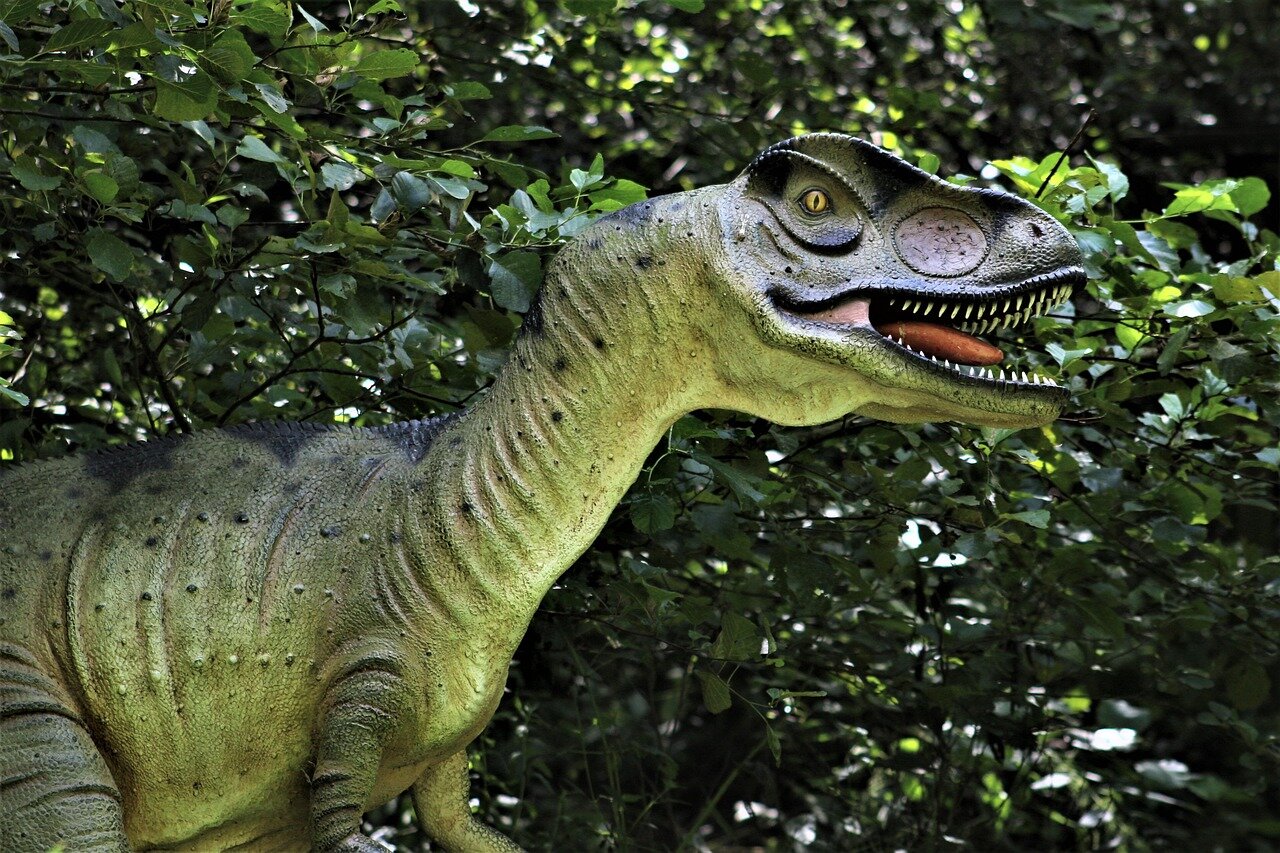
The podcast also features interviews with leading paleontologists who share their insights on ongoing research efforts. As new fossils are discovered and analyzed, the narrative surrounding the survival of some dinosaur species continues to evolve. These discussions not only shed light on the past but also inform current conservation efforts by highlighting the adaptability of species in the face of dramatic environmental changes.
Understanding the Asteroid Impact and Its Aftermath
The extinction event that occurred approximately 66 million years ago, often attributed to a massive asteroid impact, marked a significant turning point in Earth’s history. This catastrophic event led to the demise of nearly 75% of all species, including the dinosaurs, which had dominated the planet for over 160 million years. However, not all life forms perished; some species adapted and evolved, leading to the rich tapestry of life we see today.
The asteroid, estimated to be about 10 kilometers wide, struck the Yucatán Peninsula in present-day Mexico, creating the Chicxulub crater. The impact released energy equivalent to billions of atomic bombs, causing wildfires, tsunamis, and a “nuclear winter” effect that drastically altered the climate. This sudden environmental upheaval created conditions that were inhospitable for many species, leading to a mass extinction event.

The Survivors: Evolutionary Adaptations
While the majority of dinosaurs vanished, certain groups of small theropods, which are now recognized as the ancestors of modern birds, managed to survive. These survivors possessed unique adaptations that allowed them to thrive in the post-impact world. Their ability to exploit new ecological niches, along with traits such as warm-bloodedness and feathered insulation, contributed to their survival and eventual diversification into the avian species we know today, illustrating a remarkable adaptation to environmental changes.
In the aftermath of the asteroid impact, the Earth underwent significant ecological changes. Forests were replaced by open plains, and the disappearance of large herbivorous dinosaurs allowed smaller mammals and birds to flourish. This period of recovery and adaptation laid the groundwork for the evolution of mammals, leading to the eventual rise of humans millions of years later.
Understanding this pivotal moment in Earth’s history not only sheds light on the resilience of life but also serves as a reminder of the delicate balance within ecosystems. The podcast “The Dinosaurs Who Survived the Asteroid” delves into these themes, exploring the survival strategies of the species that endured and the profound impact of the asteroid event on the course of evolution.
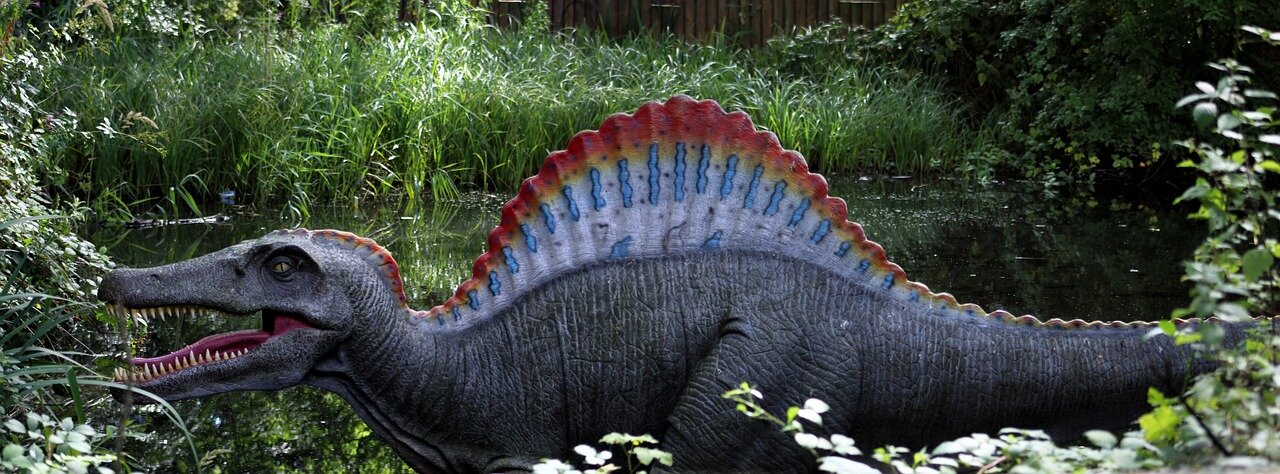
Key Stakeholders in Dinosaur Survival Research
The study of dinosaurs that survived the catastrophic asteroid impact is a complex field that involves various stakeholders, each with distinct interests. These stakeholders include paleontologists, research institutions, government agencies, and the media. Each group plays a vital role in shaping the narrative around dinosaur survival and contributes to our understanding of this significant historical event.
Paleontologists are at the forefront of this research, driven by a quest to uncover the evolutionary adaptations that allowed certain species to thrive in the aftermath of the asteroid impact. Their interests often align with academic institutions that seek to publish groundbreaking findings and secure funding for further research. However, competition for grants and recognition can lead to conflicts among researchers, as they vie for limited resources and the opportunity to be the first to present new discoveries.
Government agencies, particularly those focused on natural history and education, have an interest in promoting scientific literacy and fostering public interest in paleontology. They may provide funding for research projects but also impose regulations that can affect how research is conducted. This creates a trade-off between scientific freedom and the need for oversight, potentially leading to tensions between researchers and regulatory bodies.

- Media organizations play a significant role in shaping public perception of dinosaur survival, often sensationalizing findings to attract audiences.
- Environmental organizations may highlight the relevance of extinction events in discussions about current biodiversity loss, linking past events to present-day conservation efforts.
- Educational institutions seek to incorporate the latest findings into curricula, which can create a demand for timely research dissemination.
Economic issues also come into play, particularly regarding funding for research and the commercialization of findings. As paleontology becomes increasingly popular, there is a growing market for educational content, documentaries, and merchandise. This commercialization can lead to ethical dilemmas, as the desire for profit may influence the portrayal of scientific findings, potentially distorting public understanding of the research, much like the backlash faced by YouTuber and wife after ending a pregnancy.
Impact on Our Understanding of Evolution and Biodiversity
The podcast “The Dinosaurs Who Survived the Asteroid” delves into the fascinating survival of certain species despite the catastrophic events that led to the extinction of dinosaurs. This discussion resonates with various groups, including educators, researchers, and conservationists, who are keenly interested in the implications for evolution and biodiversity.
In the short term, educational institutions may see an increased interest in paleontology and evolutionary biology, as the podcast inspires students and educators alike. This could lead to a rise in enrollment in related courses and programs, fostering a new generation of scientists who are passionate about understanding life’s resilience. Additionally, museums and science centers may experience a boost in attendance, as the topic generates public curiosity.
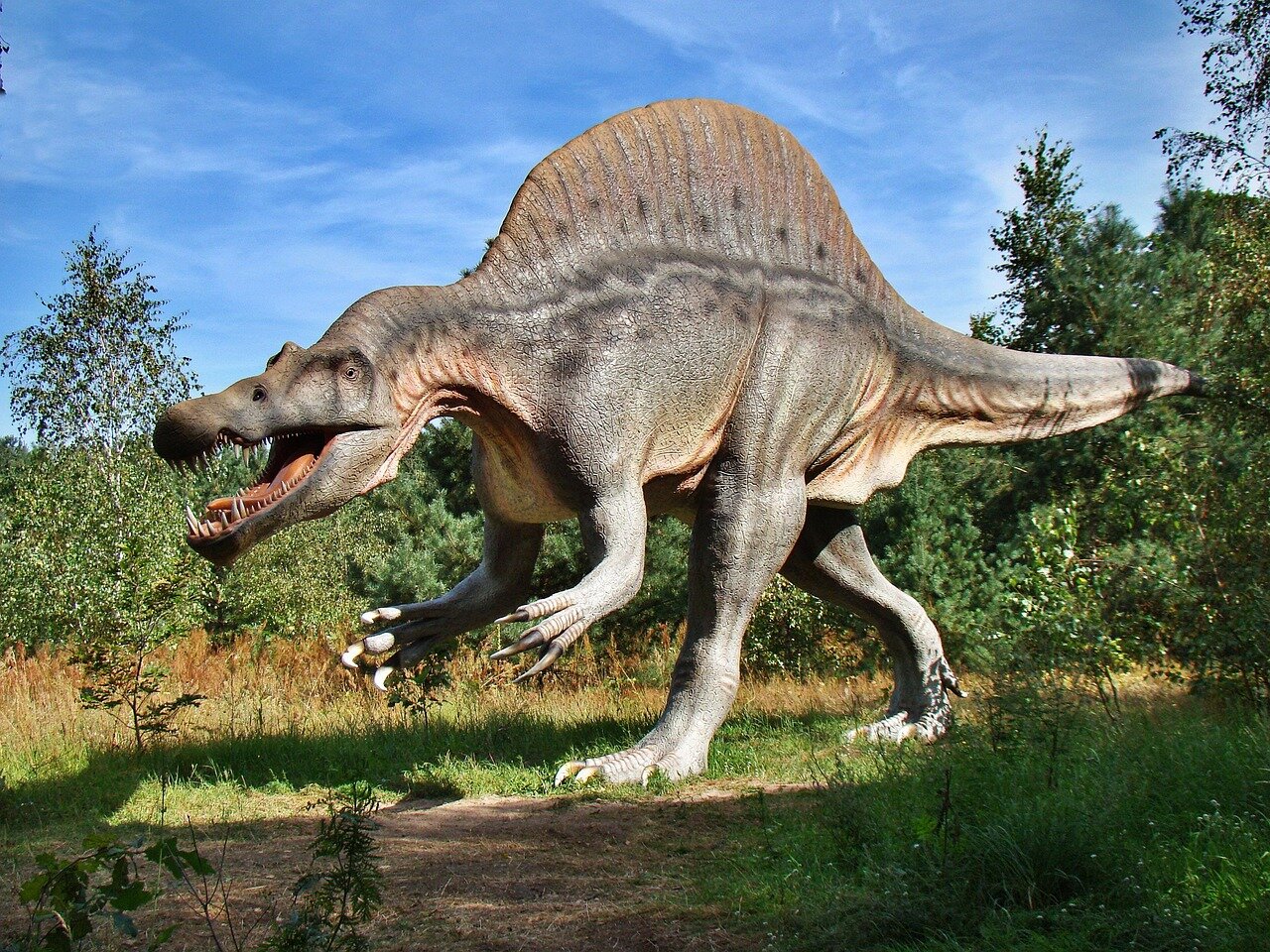
Industries related to environmental conservation and wildlife management may also feel the impact. The podcast highlights the importance of biodiversity and the lessons learned from the past, encouraging policymakers to prioritize conservation efforts. In the mid-term, this could lead to enhanced funding for conservation initiatives and greater public support for policies aimed at protecting endangered species.
- Educational Impact: Increased interest in paleontology and evolutionary studies.
- Policy Changes: Potential for new conservation laws and funding.
- Business Opportunities: Growth in eco-tourism and educational programs.
However, there are also risks associated with the heightened focus on extinction events. Misinterpretation of the podcast’s messages could lead to panic regarding current biodiversity loss and climate change. This might result in knee-jerk policy reactions that could hinder economic development in certain regions. Therefore, it is crucial for stakeholders to balance awareness with actionable strategies that promote both environmental sustainability and economic resilience.
A: The podcast explores the various species of dinosaurs that survived the asteroid impact, discussing their adaptations and the environment they thrived in. A: Scientists use fossil records and geological evidence to identify surviving species and understand their ecological niches post-impact. A: Understanding how dinosaurs adapted to survive can provide insights into resilience in modern ecosystems and inform conservation efforts. A: Yes, the podcast highlights several significant discoveries, including new fossil finds that challenge previous assumptions about dinosaur survival. A: The podcast features paleontologists and ecologists who share their research and insights on the survival of dinosaurs after the asteroid.
Frequently Asked Questions About Dinosaur Survival
Key Takeaways and Future Directions in Dinosaur Studies
The recent podcast on ‘The dinosaurs who survived the asteroid’ sheds light on the remarkable adaptability of certain species during one of Earth’s most catastrophic events. Understanding the traits and behaviors that allowed these dinosaurs to thrive can provide valuable insights into survival strategies in the face of environmental upheaval. As researchers continue to explore the fossil record and advanced technologies, new findings may reshape our understanding of these ancient creatures and their ecosystems.
Future studies should focus on the evolutionary pathways of surviving species, the ecological niches they occupied, and how their adaptations can inform current biodiversity conservation efforts. The implications of this research extend beyond paleontology, offering lessons applicable to modern species facing climate change and habitat loss.
- Adaptation Strategies: Investigate the specific traits that enabled certain dinosaurs to survive and how these can be applied to contemporary species.
- Ecological Resilience: Examine the ecological roles of surviving dinosaurs and their impact on post-asteroid ecosystems.
- Technological Advancements: Utilize new technologies in paleontology to uncover more about dinosaur survival mechanisms.
- Conservation Lessons: Draw parallels between the survival of dinosaurs and current conservation strategies for endangered species.