
In August 2023, the Delhi government issued a notice citing violations of safety regulations, prompting the club’s management to reassess its operational practices. This has led to a significant decline in membership renewals, as many long-time patrons express concern over the club’s future and its ability to maintain the high standards expected of such a prestigious establishment.
The potential closure of the club could have far-reaching implications for the social fabric of Delhi’s elite circles. Members have voiced their worries about losing a vital space for networking and cultural exchange, which has historically played a crucial role in the city’s social scene.
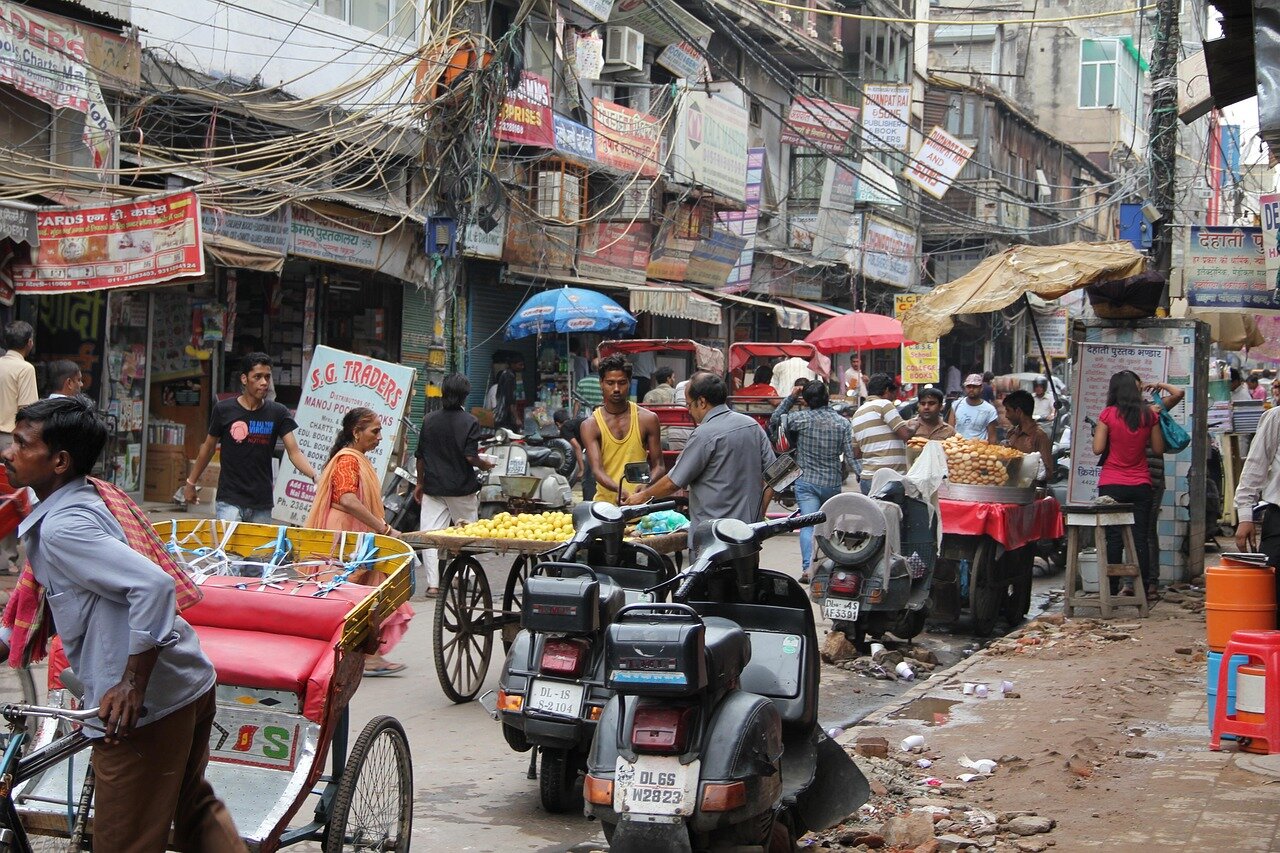
As the club navigates these challenges, it has initiated discussions with stakeholders, including government officials and community leaders, to find a resolution. The outcome of these negotiations will be pivotal in determining whether the club can adapt to new regulations while preserving its legacy.
Recommended Articles
- A Powerful H.I.V. Drug Lands in Zambia But Will It Reach Those Who Need It
- U.S. Ebola Travel Ban Faces Criticism From Congo Health Officials
- The competition to develop gym equipment for future astronauts
- Meta reaches settlement in lawsuit over social media addiction claims
- Exploring the Impact of TV's Most Blunt Chatshow
- A Powerful H.I.V. Drug Lands in Zambia But Will It Reach Those Who Need It
- U.S. Ebola Travel Ban Faces Criticism From Congo Health Officials
- The competition to develop gym equipment for future astronauts
- Meta reaches settlement in lawsuit over social media addiction claims
- Exploring the Impact of TV's Most Blunt Chatshow
Exploring the historical significance of the club in Delhi
Delhi’s most exclusive club, established in the early 20th century, has long been a symbol of elite social culture and networking in the capital. Originally founded during the British Raj, the club served as a meeting point for colonial officials and Indian dignitaries, fostering relationships that would shape the political landscape of the nation. Its historical roots are intertwined with the evolution of Delhi itself, reflecting the city’s transition from colonial rule to independence and beyond.
Over the decades, the club has witnessed significant political events and social changes, making it a microcosm of Delhi’s broader historical narrative. The post-independence era saw a shift in membership demographics, with influential political leaders and business magnates taking up residence within its hallowed halls. This transformation not only solidified the club’s status as a bastion of power but also highlighted the changing socio-economic fabric of the city.

Key Milestones in the Club’s History
Several key milestones have marked the club’s journey. In the 1950s, it was at the center of pivotal discussions regarding the new democratic framework of India, hosting debates that influenced policy-making. The 1980s brought about a wave of modernization, as the club adapted to the influx of new members from the burgeoning business sector, further embedding itself into the fabric of Delhi’s elite.
However, recent years have seen the club facing unprecedented challenges. Economic shifts, changing social norms, and increasing scrutiny over exclusivity have raised questions about its future. The club’s management has had to navigate a complex landscape of public opinion and regulatory pressures, leading to concerns about its potential shutdown. As the city evolves, the club must find a way to remain relevant while preserving its rich heritage.
Key stakeholders and their interests in the club’s future
The future of Delhi’s most exclusive club involves a complex web of stakeholders, each with distinct interests and concerns. The primary actors include the club’s management, members, local government authorities, and neighboring residents. Understanding their perspectives is crucial to grasping the broader implications of the club’s potential shutdown.
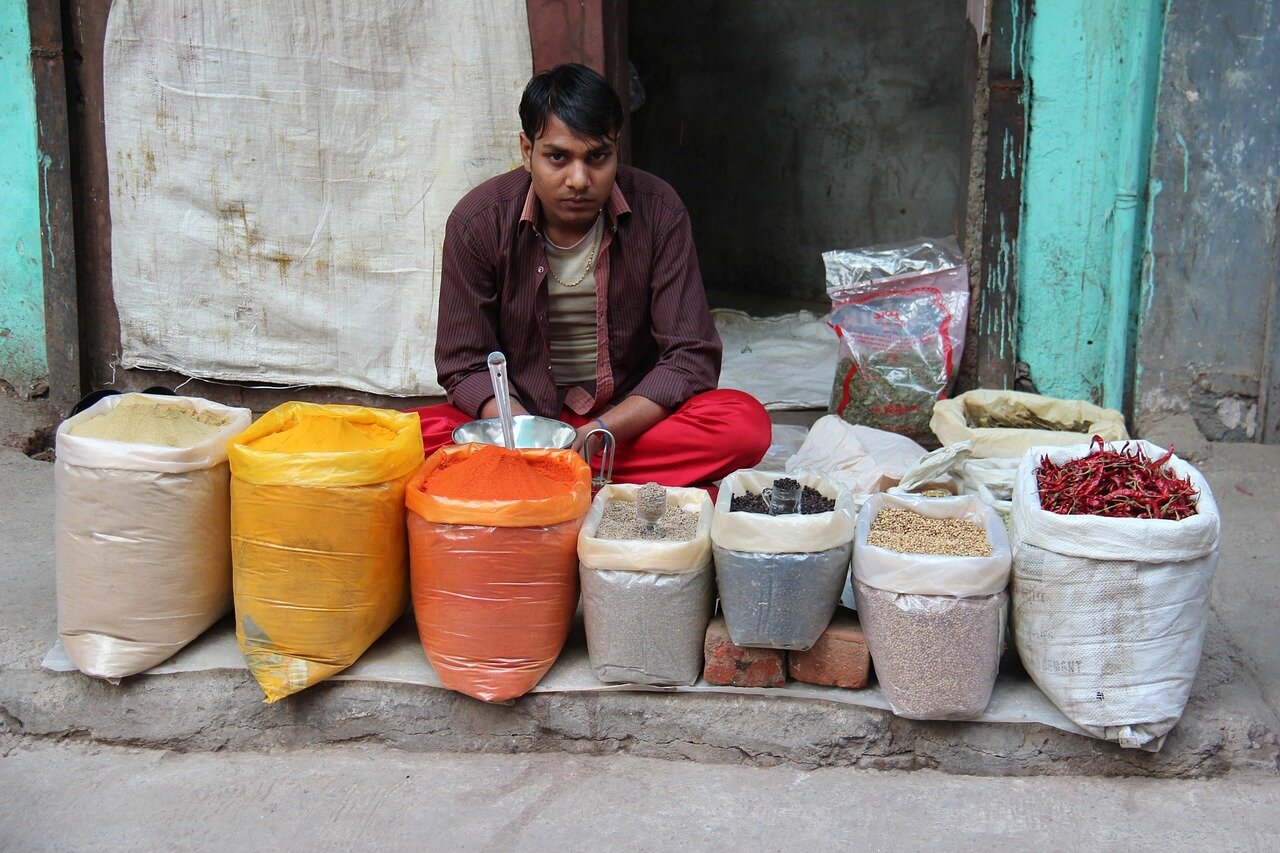
Firstly, the club’s management is focused on maintaining the club’s reputation and financial viability. They are concerned about the potential loss of membership and revenue that could result from a shutdown. In addition, they are keen on addressing any legal issues that may arise from the closure, which could impact their operations and future investments.
Members of the club, who often belong to the upper echelons of society, have a vested interest in preserving the exclusivity and social status that the club provides. Many members view the club as a sanctuary for networking and leisure, making them likely to advocate for its continuation. However, some members may also be concerned about the club’s compliance with local regulations and its impact on the community.
Local government authorities play a pivotal role in the club’s fate, as they are responsible for enforcing zoning laws and regulations. Their interests may include maintaining public order, addressing noise complaints from residents, and ensuring that the club operates within legal parameters. Conflicts may arise if the authorities perceive the club as a nuisance or if it fails to adhere to local laws.

- Legal Compliance: Ensuring the club meets all regulatory requirements is essential for its survival.
- Community Relations: Balancing the interests of club members with those of neighboring residents is crucial.
- Financial Stability: The club must demonstrate its economic viability to retain support from stakeholders.
- Public Perception: How the club is viewed by the broader community can influence its future.
- Membership Dynamics: Changes in membership trends may affect the club’s operations and influence.
Who will be affected if the club shuts down?
The potential shutdown of Delhi’s most exclusive club could have a ripple effect across various groups and industries. Members of the club, who often include influential business leaders, politicians, and high-profile individuals, would be directly impacted. This loss would not only affect their social networking opportunities but also their access to a space that facilitates business discussions and collaborations.
Moreover, local businesses surrounding the club, such as restaurants, event venues, and luxury retailers, could face significant downturns in revenue. The club acts as a hub for affluent individuals, and its closure could lead to a decrease in foot traffic and spending in the area. This would not only affect the owners of these establishments but also their employees, leading to potential job losses.
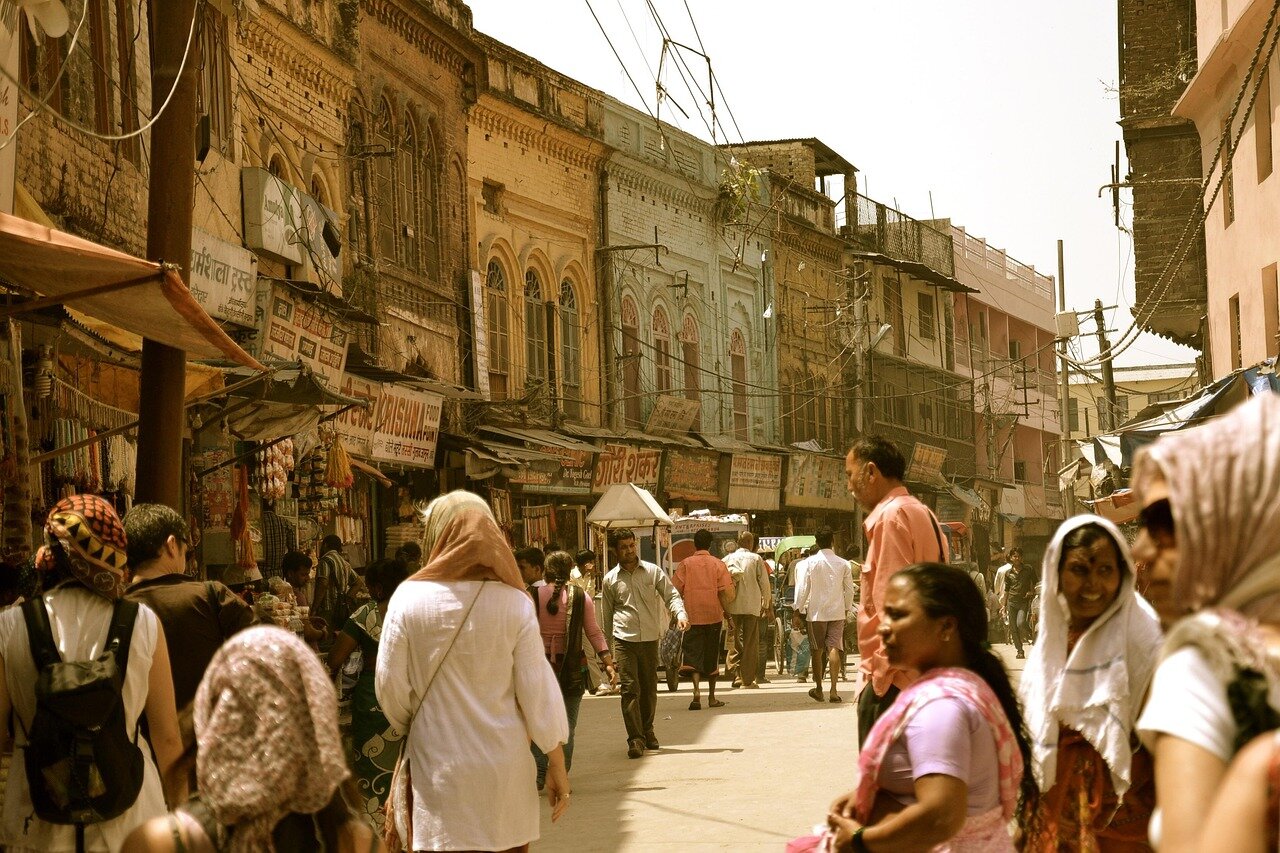
In the mid-term, the closure could prompt policy discussions regarding the preservation of exclusive social spaces in the city. Policymakers may be pressured to consider the cultural and economic value of such clubs, leading to debates about urban planning and the rights of private clubs versus public interests.
- Direct impact on club members’ networking and social opportunities.
- Financial strain on local businesses reliant on club patronage.
- Potential job losses in the hospitality and service sectors.
- Shifts in policy discussions about exclusive social spaces.
On the flip side, this situation may also present opportunities for new venues or clubs to emerge, potentially catering to a different demographic or offering innovative services. Entrepreneurs may see a gap in the market for exclusive experiences that could fill the void left by the club’s closure, fostering a new wave of social spaces in Delhi.
A: The club is facing regulatory challenges and increased scrutiny from local authorities, which has led to concerns about its compliance with various laws. A: The club has been a prominent fixture in Delhi’s social scene for over two decades, known for its exclusivity and high-profile events. A: Club management is actively engaging with stakeholders and local authorities to address compliance issues and seek possible solutions. A: Members may lose access to exclusive events and networking opportunities, which could significantly affect their social and professional lives. A: There is a mixed response from the public, with some advocating for the club’s preservation while others raise concerns about its operations.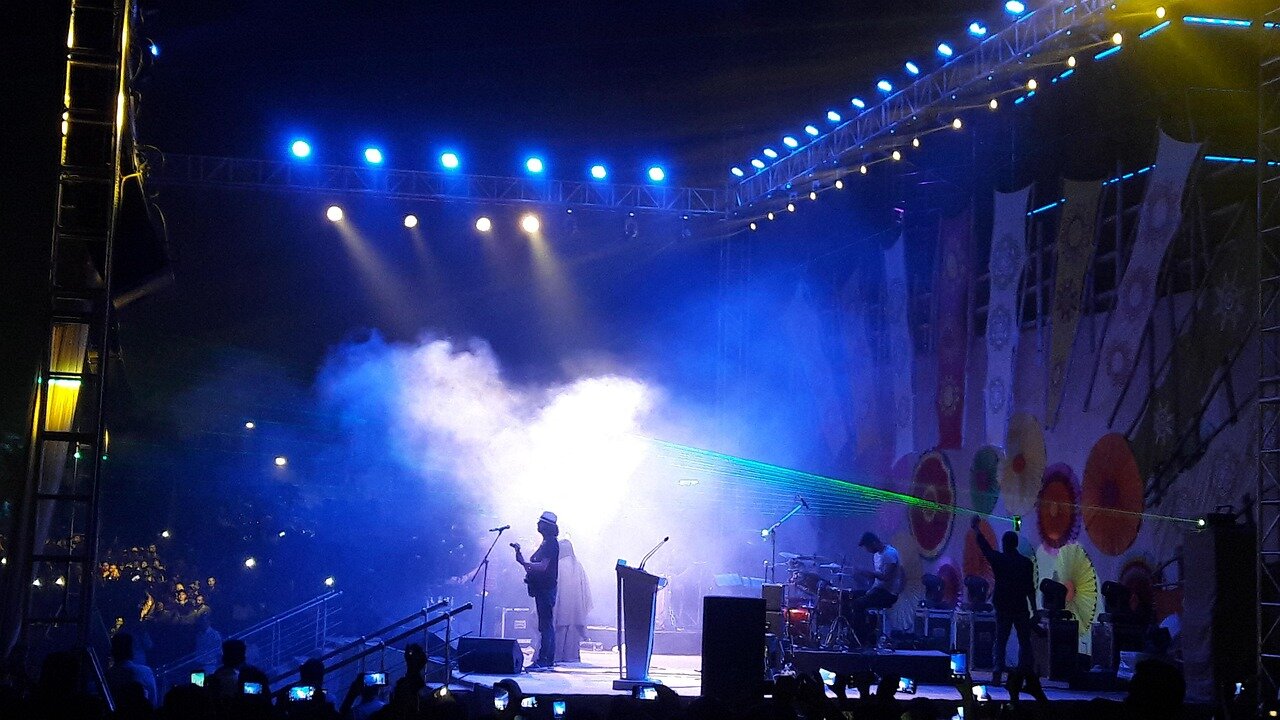
Frequently asked questions about the club’s situation
Outlook on the club’s future and potential resolutions
The ongoing challenges faced by Delhi’s most exclusive club highlight a pivotal moment in its history. As external pressures mount, the club’s management must navigate a complex landscape of regulatory scrutiny and shifting societal expectations. The coming months will be critical in determining whether the club can adapt and thrive or if it will succumb to the pressures threatening its existence.
Stakeholders, including members, local authorities, and the broader community, will play significant roles in shaping the club’s future. Engaging in open dialogue and exploring innovative solutions will be essential for the club to not only survive but potentially emerge stronger in the face of adversity.
- Monitor the club’s engagement with regulatory bodies to assess its compliance and adaptability.
- Watch for community initiatives that may influence public perception and support for the club.
- Consider the potential for partnerships or collaborations that could enhance the club’s relevance and sustainability.
- Evaluate the impact of changing membership demographics on the club’s operational model.
- Stay informed about broader trends in social spaces that may affect exclusivity and access in the future.