
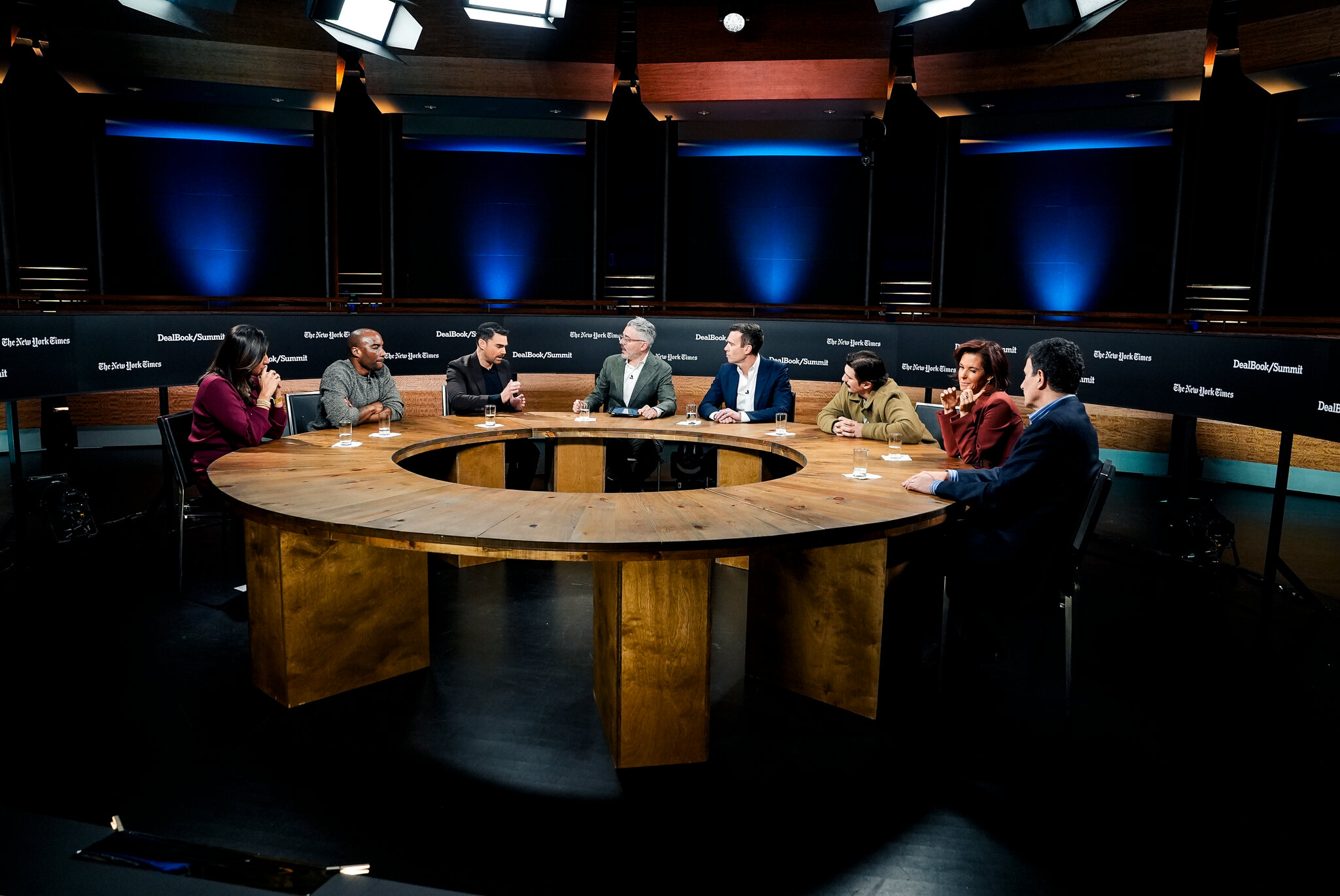
At the forefront of addressing these challenges is the DealBook Task Force, composed of journalists, academics, and media analysts determined to investigate the roots of media trust and biases.

Understanding the Context and Significance of Media Trust
Before delving into the efforts of the DealBook Task Force, it’s crucial to comprehend why media trust is essential in today’s society.

The Growing Distrust in Media
Over recent years, numerous surveys have indicated a worrying trend: fewer individuals express trust in news outlets. Factors contributing to this decline include:

- The proliferation of misinformation across social media platforms.
- Increased political polarization affecting perceptions of media bias.
- High-profile journalistic failures that have eroded public confidence.
Criteria for Evaluating Media Reliability
The DealBook Task Force employs a systematic approach to analyze media outlets’ credibility. They have established specific criteria to help assess various news sources:

Key Evaluation Factors
- Transparency: Are the sources of information clearly indicated?
- Accountability: How do media organizations respond to inaccuracies or misreporting?
- Balance: Is there fair representation of differing viewpoints within reporting?
Prominent Cases Highlighting Media Bias
To further understand media biases, the task force examines notable cases that exemplify trust issues. Examples from both national and international news organizations illustrate how bias can manifest and impact public perception:
Case Study Examples
- The 2016 U.S. Presidential Election: Numerous outlets were criticized for their coverage strategies that favored one candidate, fueling concerns about impartiality.
- The Reporting on COVID-19: Variations in coverage across outlets raised questions about reliability and objectivity during a global crisis.
Strategies for Improving Media Trustworthiness
Understanding the challenges is only part of the task. The DealBook Task Force is also dedicated to outlining actionable strategies to restore public trust in media. Here are some recommendations:
Implementing Best Practices
- Encouraging Media Literacy: Educating the public about how to critically evaluate news sources can empower audiences to trust reliable information.
- Building Stronger Editorial Guidelines: Media organizations should establish robust guidelines to govern reporting standards and ethical practices.
Considerations and Challenges Ahead
While significant strides can be made toward fostering trust, there are several obstacles that the task force acknowledges. These include:
Addressing Systemic Issues
- The role of social media algorithms in shaping news consumption patterns.
- The challenge of appealing to a polarized audience.
- The ongoing battle against misinformation that thrives on sensationalism.
Insights from the Task Force’s Findings
The DealBook Task Force’s research has yielded several important insights on the future of media and public trust. Among their findings:
- The necessity for media organizations to adapt to contemporary challenges posed by technology.
- Strategies for enhancing accuracy, accountability, and transparency are more crucial than ever.
Looking Ahead in Media Trust Dynamics
Their rigorous analysis and recommendations aim to rebuild a framework of trust that supports informed citizenship in a complex information ecosystem, a concept reflected in the recent trends surrounding media biases and misinformation.