
The rescue operation involved relocating the eggs to a safer environment, where they could be monitored and protected from the ongoing threat of fire. This initiative was spearheaded by the RSPB (Royal Society for the Protection of Birds) in collaboration with local wildlife agencies, showcasing a coordinated effort to preserve the species. For more information on conservation initiatives, you can read about Mountain path repairs.
The hatching of these curlew chicks is significant, as the Eurasian curlew is classified as a species of high conservation concern in the UK. With declining populations, the successful emergence of these chicks represents a hopeful step towards stabilizing their numbers and ensuring the survival of this iconic bird. To understand more about the impact of environmental changes, refer to Andy Burnham’s advocacy.
As of mid-October 2023, the newly hatched chicks are being closely monitored by conservationists, who are providing them with the necessary support to thrive in their natural habitat. This event highlights the importance of proactive measures in wildlife conservation, especially in the face of increasing environmental threats.
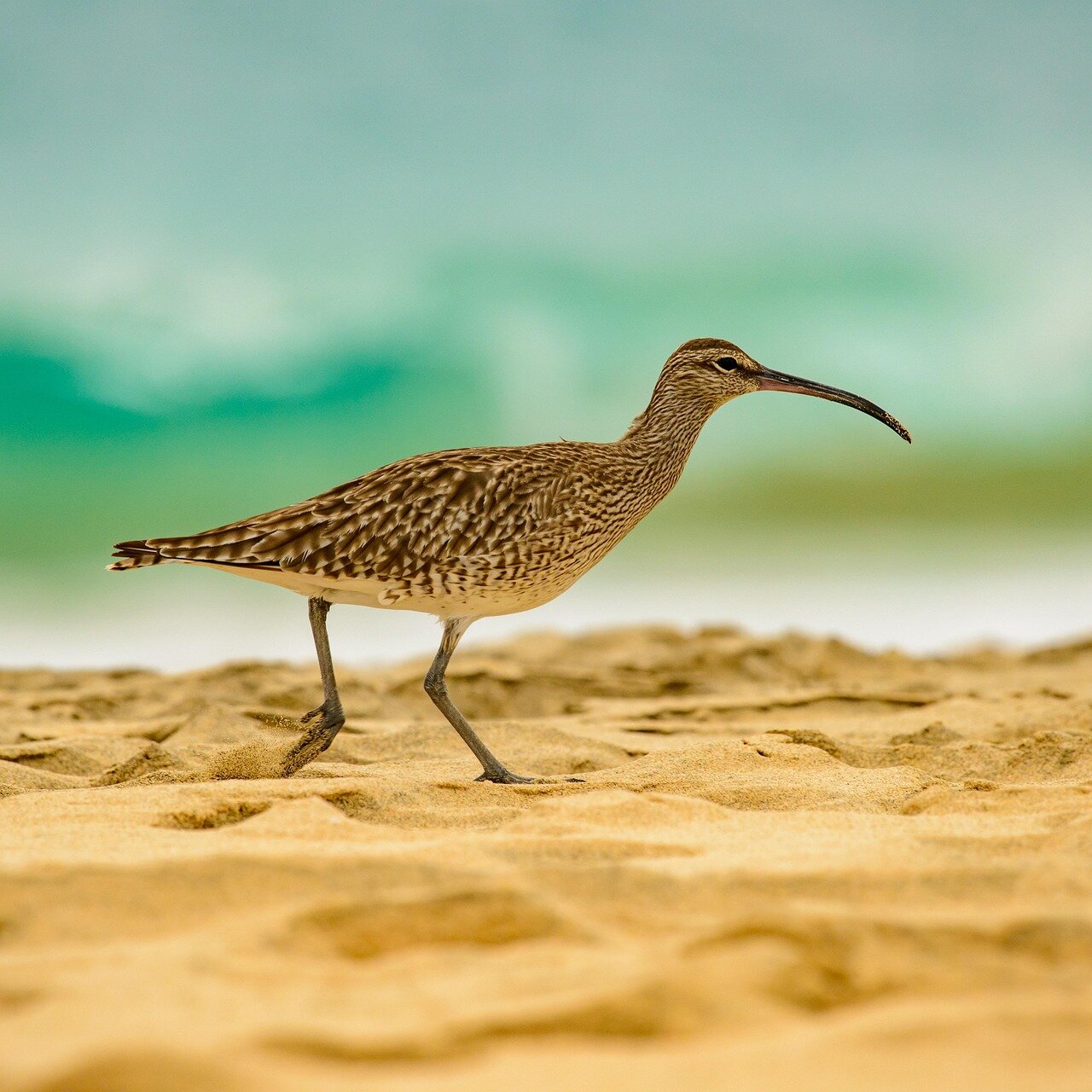
Understanding the significance of curlew conservation
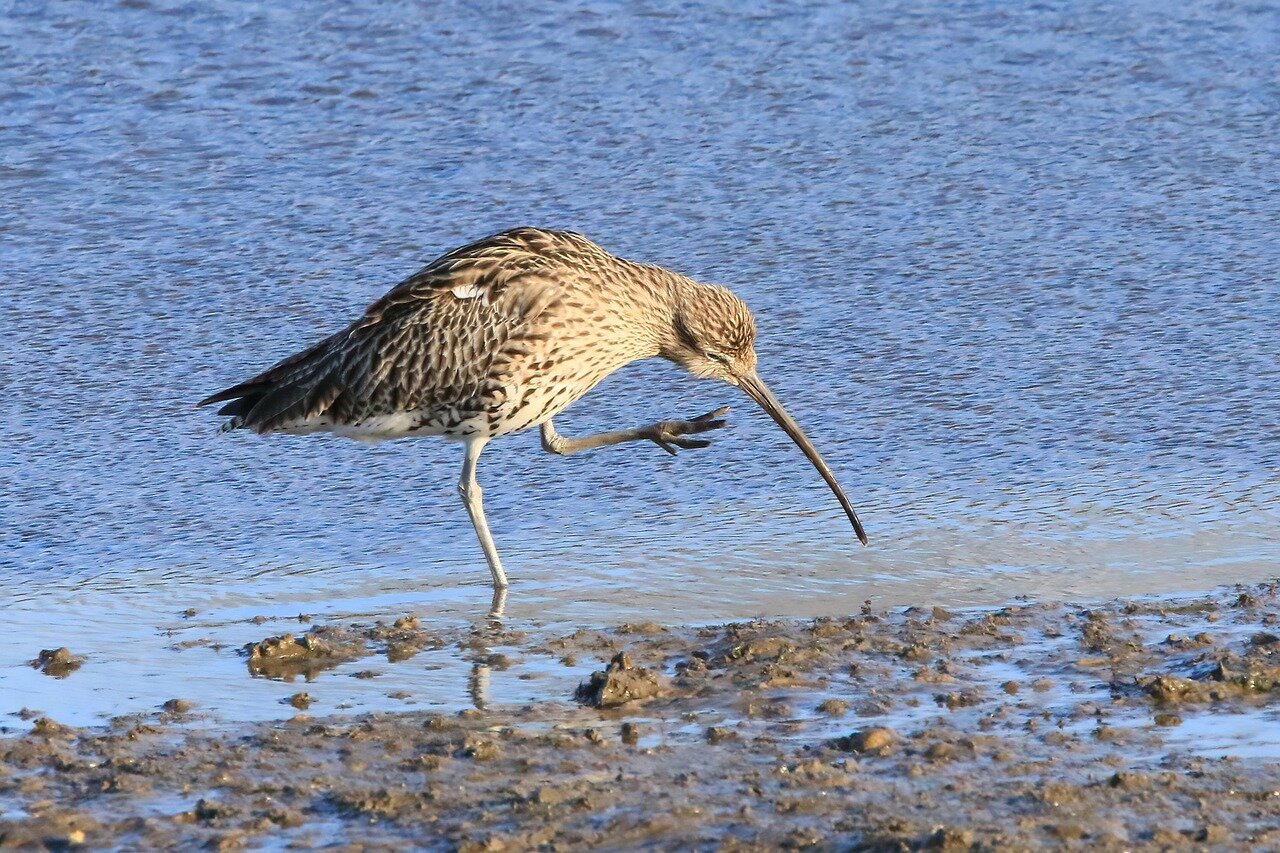
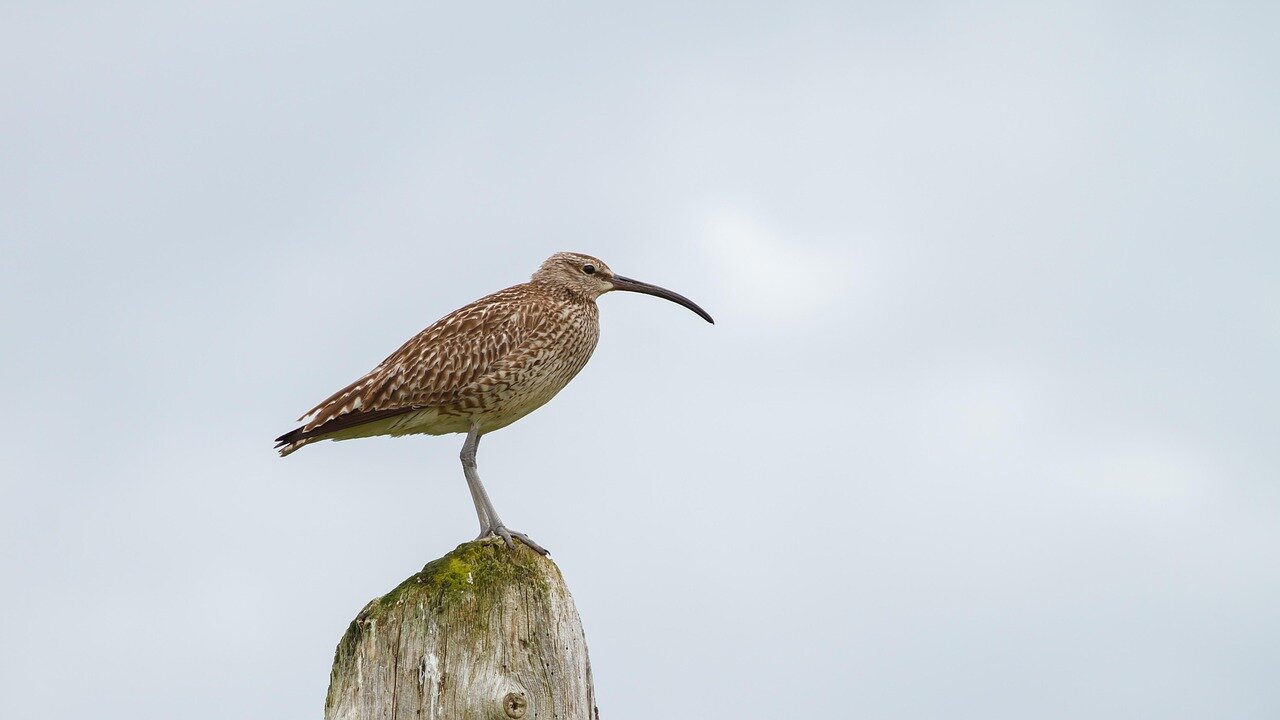
The Eurasian curlew, a wading bird known for its distinctive long beak and haunting call, has faced significant challenges in recent decades. Once a common sight across the wetlands and grasslands of Europe, the curlew population has dramatically declined due to habitat loss, agricultural intensification, and climate change. As a result, conservation efforts have become increasingly vital to ensure the survival of this iconic species.
Historically, curlews thrived in various landscapes, but the post-World War II agricultural boom led to extensive drainage of wetlands and conversion of grasslands into monoculture farms. These changes not only reduced suitable nesting habitats but also impacted food availability for curlews. By the early 21st century, the UK had witnessed a staggering decline of over 50% in its curlew population, prompting urgent calls for action from conservationists and wildlife organizations.
In response to the alarming decline, various initiatives have been launched to protect curlew habitats and support breeding populations. One significant milestone was the establishment of the Curlew Recovery Partnership in 2017, which brought together stakeholders, including farmers, conservationists, and government agencies. This collaboration aimed to implement effective management practices and raise awareness about the importance of curlew conservation.
The Role of Wildfires in Habitat Preservation
Wildfires, while often seen as destructive, can play a complex role in ecosystem management. In some cases, controlled burns are utilized to rejuvenate habitats for species like the curlew. However, uncontrolled wildfires pose a severe threat, especially when they occur in critical breeding areas. The recent incident of curlew eggs being saved from wildfire illustrates the delicate balance between natural processes and the need for human intervention in conservation efforts. Interested in related sustainability issues? Check out Amazon’s delivery initiatives.
Through these combined efforts, the recent hatching of curlew eggs that were rescued from a wildfire serves as a beacon of hope for the species. It underscores the importance of community engagement, proactive conservation strategies, and the need to adapt to changing environmental conditions to protect vulnerable wildlife.
Key stakeholders in curlew conservation and their roles
The successful hatching of curlew eggs after being saved from a wildfire highlights the involvement of various stakeholders in conservation efforts. These stakeholders include governmental bodies, non-profit organizations, local communities, and conservationists, each playing a unique role in the protection of this vulnerable species.
Government agencies, such as the Department for Environment, Food & Rural Affairs (DEFRA) in the UK, are crucial in formulating policies that protect curlew habitats. Their interests often revolve around biodiversity preservation, compliance with environmental regulations, and public accountability. These agencies also allocate funding for conservation projects, which can sometimes lead to conflicts over resource distribution.
Non-profit organizations, like the RSPB (Royal Society for the Protection of Birds), actively engage in on-the-ground conservation efforts. Their interests include raising awareness, conducting research, and implementing habitat restoration projects. However, they may face challenges in securing funding and support from local communities, particularly if conservation measures conflict with agricultural practices or land use.
- Local communities: Often dependent on land for agriculture, they may resist conservation efforts that threaten their livelihoods.
- Conservationists: Focus on species protection and may advocate for stricter regulations, which can create tensions with economic interests.
- Wildlife enthusiasts: Support curlew conservation through volunteer work and funding but may lack influence in policy-making.
- Researchers: Conduct studies on curlew populations and habitat needs, providing data that can inform policy and conservation strategies.
Key legal issues surrounding curlew conservation often involve land use rights and environmental regulations. Conflicts may arise when conservation efforts impose restrictions on agricultural practices or development projects, leading to potential trade-offs between economic growth and ecological sustainability. Understanding these dynamics is essential for fostering collaboration among stakeholders and ensuring the long-term survival of curlew populations.
The broader implications of curlew egg hatching on wildlife conservation
The successful hatching of curlew eggs, which were rescued from the brink of a wildfire, has significant implications for various groups and industries. Wildlife conservationists, local communities, and agricultural sectors are among those most affected. The curlew, a species known for its distinctive call and declining population, symbolizes broader environmental health and biodiversity.
In the short term, the hatching of these eggs can invigorate local tourism, drawing bird watchers and nature enthusiasts to the area. This influx can provide a much-needed boost to local businesses, including hotels, restaurants, and shops, which may have suffered during the wildfire. Additionally, it raises public awareness about the importance of conservation efforts, potentially leading to increased funding and support for wildlife initiatives.
Mid-term impacts could include changes in agricultural practices as farmers and landowners adapt to protect curlew habitats. This may involve implementing more sustainable land management practices, which can be beneficial for the ecosystem but may require investment and adjustment. There is also the risk that if curlew populations do not stabilize, it could prompt stricter regulations on land use, affecting local industries.
- Increased tourism and local economic benefits.
- Potential changes in agricultural practices and land management.
- Heightened awareness and funding for conservation efforts.
- Risks of stricter regulations if populations do not recover.
Overall, while the hatching of curlew eggs presents immediate opportunities for communities and businesses, it also underscores the ongoing challenges of wildlife conservation. Stakeholders must navigate these dynamics carefully to ensure both ecological and economic sustainability in the region.
A: Curlews are endangered due to habitat loss, climate change, and human activities that disrupt their breeding grounds. A: Conservationists carefully relocated the eggs to a safe environment away from the wildfire, ensuring their protection during the critical hatching period. A: This hatching is a positive sign for curlew populations, indicating that conservation efforts can yield successful outcomes and help stabilize their numbers. A: Continued habitat restoration, monitoring of breeding sites, and public awareness campaigns are essential to ensure the long-term survival of curlew populations.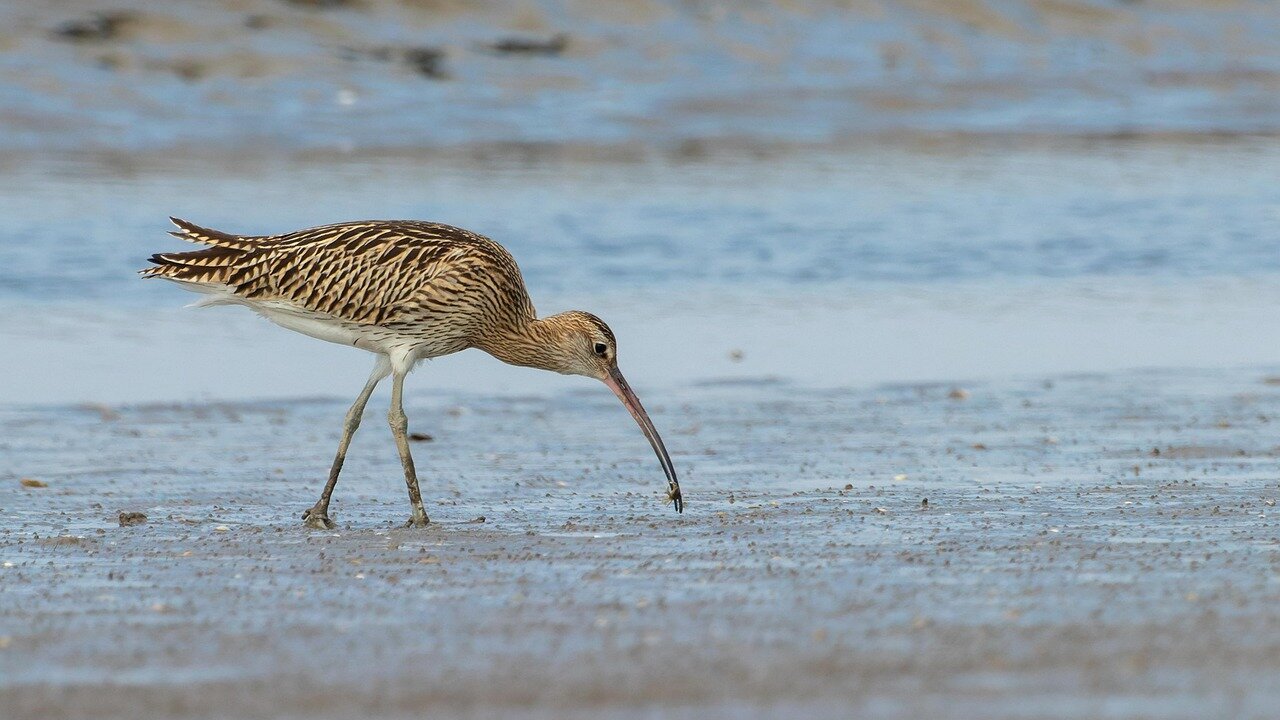
Frequently asked questions about curlew conservation
Looking ahead: the future of curlew populations
The successful hatching of curlew eggs, saved from the ravages of wildfire, marks a significant milestone in conservation efforts for this vulnerable species. This event not only highlights the resilience of nature but also underscores the importance of proactive measures in wildlife protection. As we move forward, the implications of this success could shape future conservation strategies and policies aimed at safeguarding curlew populations and their habitats.
Monitoring the ongoing health of the curlew population will be crucial. The outcomes of this hatching event could influence funding and resources allocated toward similar conservation initiatives. Additionally, the collaboration between wildlife organizations and local communities will play a vital role in ensuring the long-term survival of these birds in the face of environmental challenges.
- Continued monitoring of curlew populations will provide valuable data for future conservation efforts.
- Success stories like this can attract funding and support for wildlife protection initiatives.
- Community engagement will be essential in fostering a culture of conservation and awareness.
- Effective habitat management strategies will need to be developed to mitigate future wildfire risks.
- Collaboration among conservationists, scientists, and policymakers will be key to sustaining curlew populations.