
The outbreak was first confirmed when several passengers exhibited symptoms consistent with hantavirus, leading to the ship being quarantined. Health officials are currently conducting tests and assessments to determine the extent of the outbreak and to ensure the safety of those on board. The cruise line has stated that they are working closely with health authorities to manage the situation.
Passengers have described life on board as increasingly tense, with limited access to medical care and uncertainty about when they will be able to disembark. Many have reported feeling anxious about the potential spread of the virus and the lack of clear communication from the cruise line. As the situation unfolds, concerns about public health and safety continue to grow.
This incident highlights the ongoing challenges faced by the cruise industry in managing health threats at sea. The hantavirus outbreak raises questions about the protocols in place for handling infectious diseases on cruise ships and the responsibilities of cruise lines to protect their passengers. As investigations continue, the impact of this outbreak on the cruise sector may have lasting implications.
Understanding the circumstances leading to the outbreak
The recent hantavirus outbreak aboard a cruise ship has drawn attention to the complex interplay of health, environmental, and travel industry factors. Historically, hantavirus has been associated with rodent populations, particularly in rural areas. However, as global travel has increased, so too has the risk of infectious diseases crossing borders and affecting populations in confined spaces, such as cruise ships.
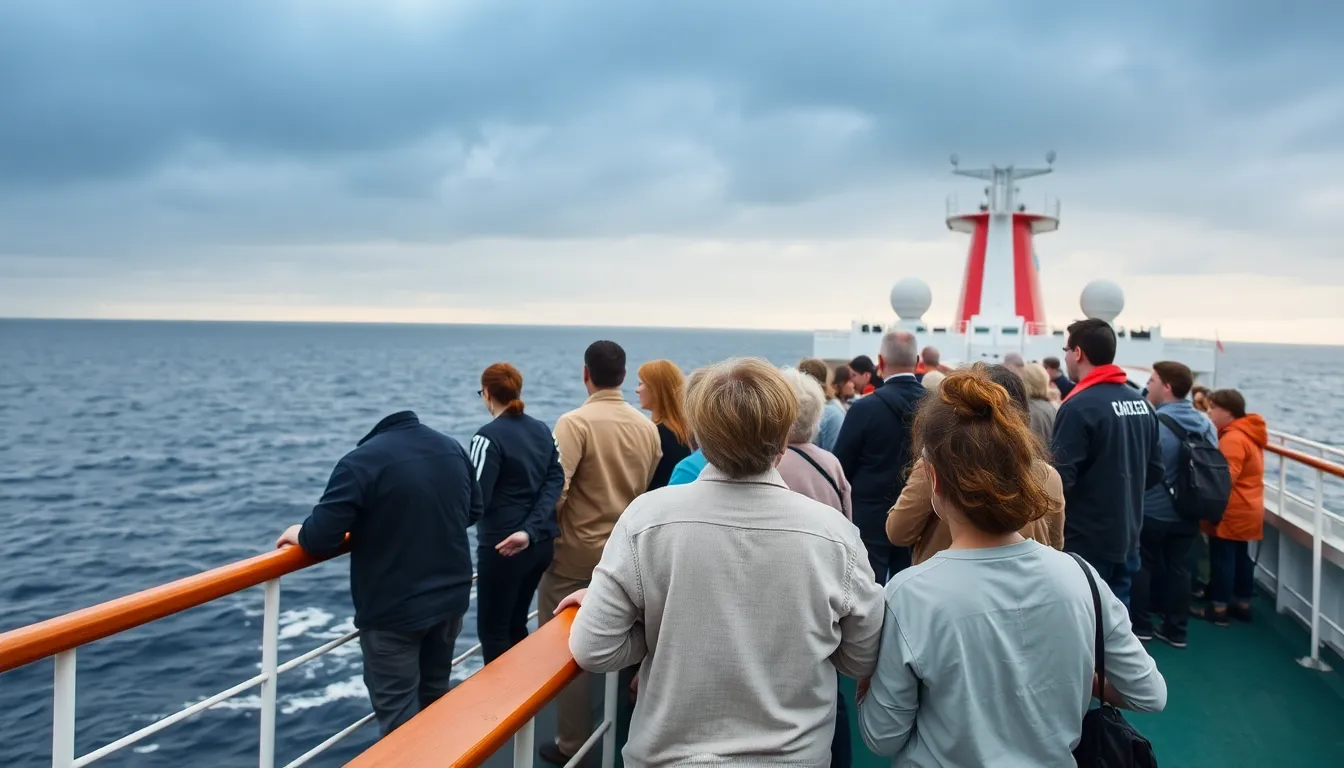
In the past decade, the cruise industry has faced scrutiny over health and safety protocols, especially following high-profile outbreaks of norovirus and COVID-19. These incidents have prompted regulatory bodies to enforce stricter health measures. Despite these efforts, the crowded and often unsanitary conditions aboard ships can still facilitate the spread of diseases, including those caused by rodent-borne viruses.
The Role of Environmental Factors
Environmental changes, such as increased urbanization and climate change, have also contributed to the rise in rodent populations in many areas. As natural habitats are disrupted, rodents often seek shelter in human-inhabited spaces, including cruise ships that dock in affected regions. This ecological shift raises concerns about the potential for zoonotic diseases, like hantavirus, to emerge in unexpected settings.
The cruise industry has made significant economic contributions to many regions, but this has also led to increased foot traffic in areas where hantavirus is present. The lack of effective monitoring and control measures in some ports can exacerbate the risk of outbreaks, as seen in the current situation. Passengers and crew members alike are left to navigate the consequences of these systemic issues, highlighting the need for improved health protocols and environmental management in the travel sector.
Key stakeholders involved in the cruise ship incident
The recent hantavirus outbreak aboard a cruise ship has raised significant concerns among various stakeholders, including passengers, cruise line operators, health authorities, and local governments. Each of these groups has distinct interests and priorities that shape their responses to the situation.
Passengers are at the forefront of this incident, primarily concerned about their health and safety. Many are seeking reassurance about the measures being taken to contain the outbreak and ensure their well-being during the extended stay on the ship. Their experiences and testimonies highlight the emotional and psychological toll of being stranded in such circumstances.

Cruise line operators, such as the company managing the affected vessel, face substantial pressure to manage the crisis effectively while maintaining their reputation and financial stability. Their interests lie in addressing passenger concerns, complying with health regulations, and minimizing potential legal liabilities that could arise from the outbreak.
Health authorities play a critical role in monitoring the situation and providing guidance on public health responses. They are tasked with investigating the outbreak, implementing containment measures, and ensuring that appropriate health protocols are followed. Their involvement is crucial to preventing further spread of the virus and protecting public health.
Local governments and port authorities also have a stake in the situation, as they must balance public safety with economic considerations related to tourism and maritime operations. The impact of the outbreak on local economies, particularly in regions heavily reliant on cruise tourism, adds another layer of complexity to the ongoing crisis. Key issues include:
- Health and safety measures for passengers and crew.
- Legal implications for the cruise line regarding liability and compensation.
- Economic impact on local communities dependent on cruise tourism.
- Coordination between health authorities and cruise operators.
- Long-term implications for the cruise industry and passenger confidence.
Effects on passengers and the cruise industry
The recent hantavirus outbreak on a cruise ship has significantly impacted various groups, primarily the passengers aboard and the cruise industry as a whole. Passengers are facing a range of emotional and physical challenges as they navigate life on a stranded vessel, while the cruise industry is grappling with the potential long-term repercussions of this public health crisis.
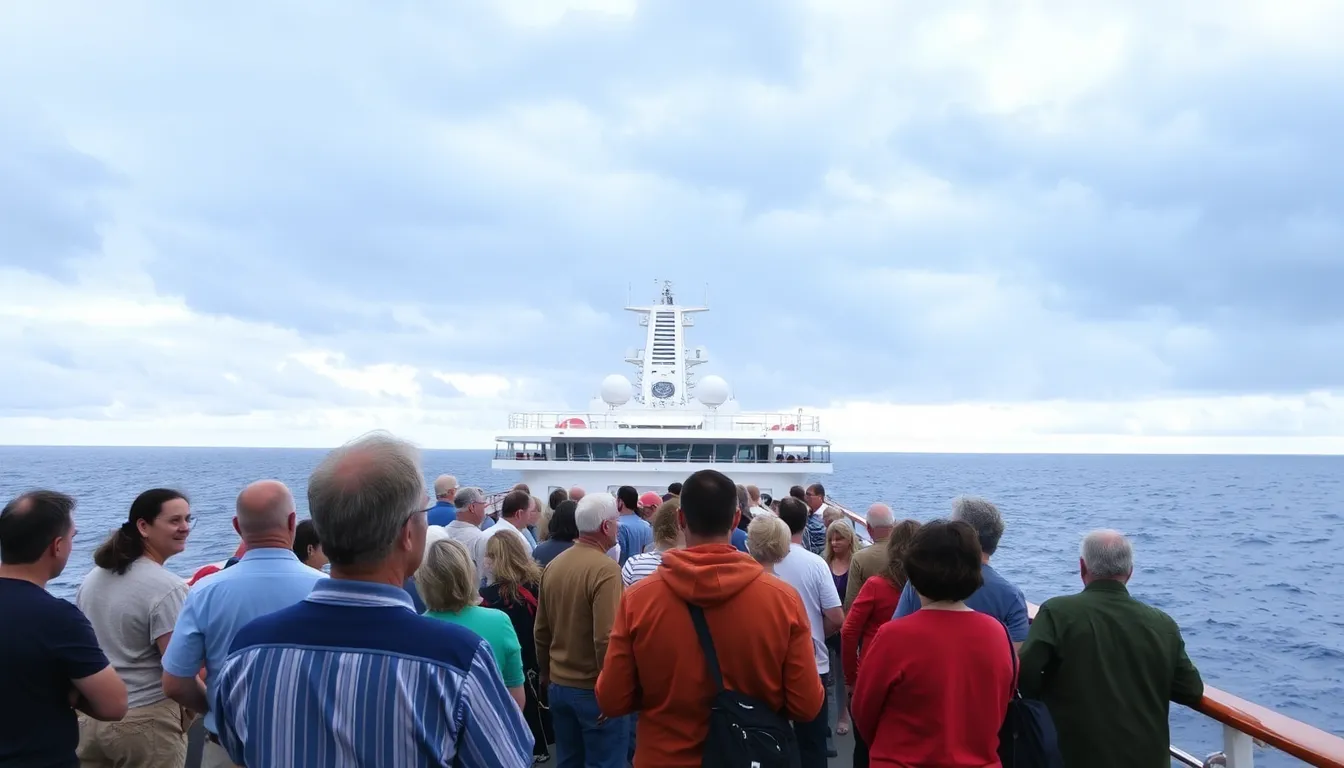
In the short term, passengers are experiencing heightened anxiety and uncertainty, with many reporting feelings of confinement and fear of illness. The cruise industry, on the other hand, faces immediate financial repercussions due to canceled bookings and potential reputational damage. Key stakeholders, including cruise lines, travel agencies, and tourism-dependent regions, are all feeling the effects of this outbreak.
Mid-term impacts may include changes in health and safety protocols across the cruise industry. Companies may be compelled to invest in enhanced sanitation measures and health screenings to reassure potential travelers. Additionally, regions heavily reliant on cruise tourism may see economic downturns, affecting local businesses and employment rates.
- Increased health and safety regulations in the cruise industry.
- Potential decline in cruise bookings and tourism revenue.
- Heightened awareness and concern among travelers regarding health risks.
- Opportunities for innovation in health technologies and travel insurance products.
While the immediate risks are significant, there are also potential opportunities for the cruise industry to adapt and emerge stronger. By prioritizing passenger safety and improving communication, cruise lines can rebuild trust and attract travelers who value health-conscious travel options. This incident may also spur advancements in public health measures, benefiting not only the cruise industry but the broader travel sector as well.
A: The hantavirus outbreak was linked to rodent droppings found on the ship, which led to health concerns among passengers and crew. A: Passengers are receiving medical attention and regular updates from the cruise line, with efforts to ensure their safety and well-being. A: The cruise line is implementing enhanced cleaning protocols and pest control measures to address the source of the outbreak. A: Disembarkation plans are being developed, but it will depend on the health assessments and clearance from health authorities. A: Many passengers have expressed frustration and anxiety, but some are finding ways to cope and support each other during the ordeal.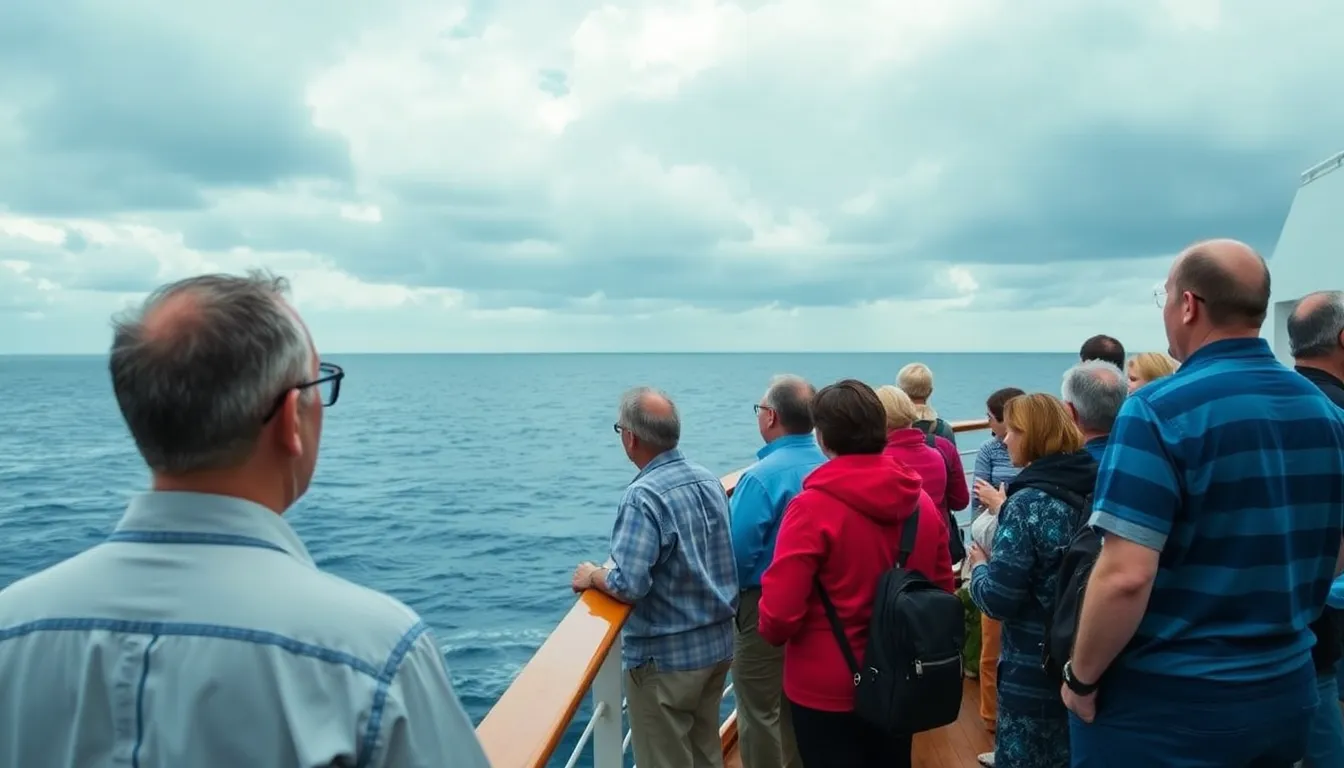
Frequently asked questions about the situation
Looking ahead: implications and lessons learned
The recent hantavirus outbreak aboard the cruise ship has highlighted the vulnerabilities inherent in the cruise industry, particularly regarding passenger health and safety protocols. As the situation unfolds, it is essential to consider how these experiences may influence future operations, policies, and traveler expectations. The incident serves as a reminder of the necessity for robust health monitoring and crisis management strategies in the tourism sector.
Moving forward, the cruise industry may need to reassess its health protocols and communication strategies to ensure passenger confidence. The importance of transparency during health crises cannot be overstated, as it plays a critical role in maintaining trust and safety among travelers.
- Enhanced Health Protocols: Expect stricter health screenings and sanitation measures on cruise ships to prevent future outbreaks.
- Transparent Communication: Companies will likely prioritize clear and timely communication with passengers to build trust during health emergencies.
- Passenger Education: Increased focus on educating passengers about health risks and preventive measures will be essential.
- Regulatory Changes: Anticipate potential regulatory changes that mandate higher health and safety standards in the cruise industry.
- Impact on Travel Trends: The incident may shift consumer preferences toward land-based vacations or smaller, more controlled travel experiences.