
By the early 1900s, football had begun to gain traction in Mexico, with the establishment of local clubs influenced by the miners. Notable among these was the formation of the first Mexican football club, Club de Fútbol Pachuca, in 1901, which was founded by Cornish miners who sought to create a community around the sport they loved.
The impact of these miners extended beyond just playing the game; they also contributed to the growth of football culture in Mexico. Their enthusiasm and organizational skills led to the first formal competitions, which attracted more players and spectators, laying the groundwork for what would become a national passion.
Today, football is deeply embedded in Mexican society, with millions of fans and a professional league that ranks among the most popular in the world. The legacy of the Cornish miners is still felt, as their contributions helped shape the sport’s early development and popularity in Mexico.
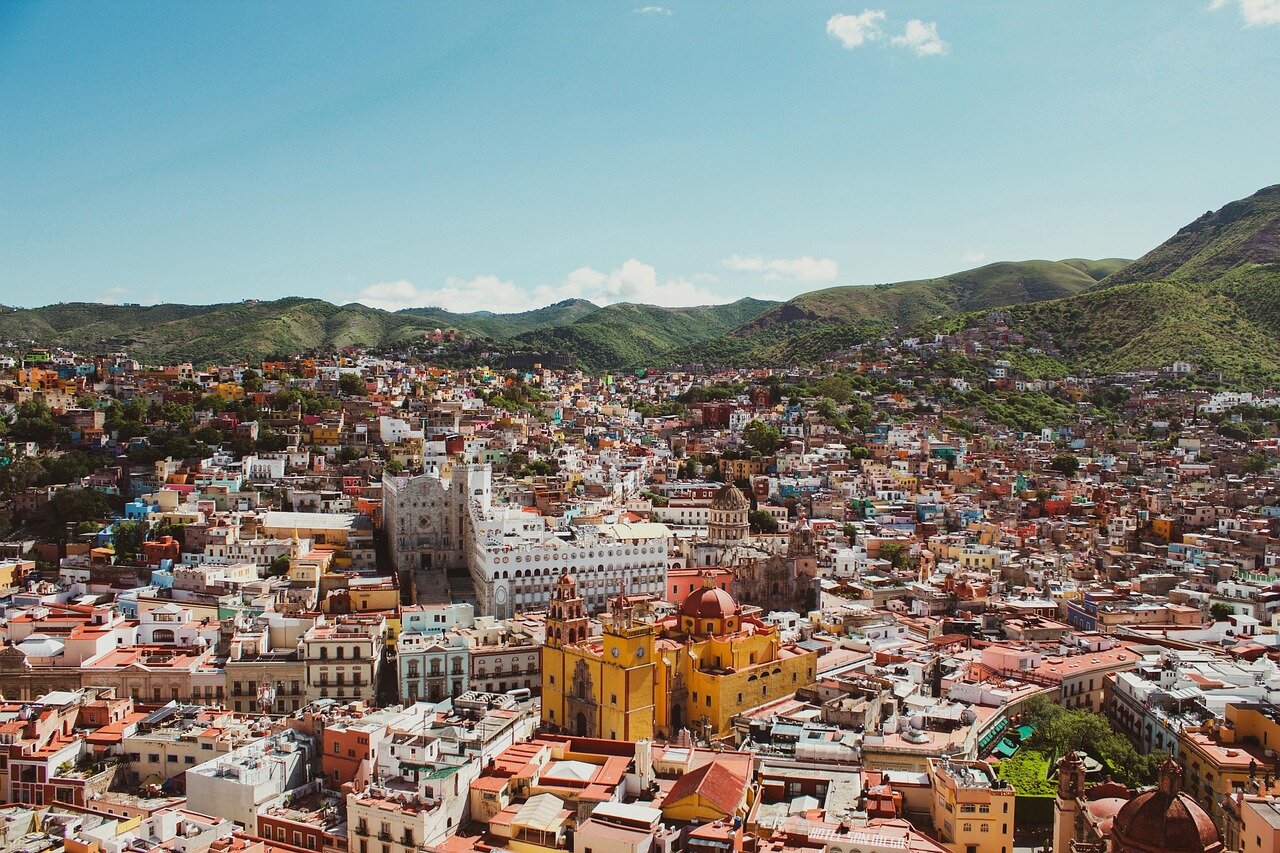
The historical background of Cornish miners in Mexico
The migration of Cornish miners to Mexico in the late 19th century was primarily driven by the search for new opportunities in the mining industry. After the collapse of the tin industry in Cornwall, many miners sought work abroad, particularly in regions with rich mineral deposits. Mexico, with its vast silver mines, became an attractive destination for these skilled laborers.
As Cornish miners settled in Mexico, particularly in the states of Zacatecas and Durango, they brought with them not only their expertise in mining but also a passion for sports, particularly football. The establishment of mining communities led to the creation of social clubs where miners could gather, share experiences, and engage in recreational activities. Football quickly became a popular pastime, fostering a sense of camaraderie among the miners and their families, contributing to the broader cultural landscape of Mexico.
Key milestones in the introduction of football
One of the key milestones in the introduction of football in Mexico was the formation of the first football clubs by Cornish miners in the early 1900s. These clubs provided a structured environment for the sport and were instrumental in organizing matches, both locally and against teams from other regions. The establishment of the Mexican Football Federation in 1929 marked a significant turning point, as it formalized the sport’s governance and facilitated its growth across the country.
Over the years, the Cornish influence on football in Mexico has been recognized as a significant cultural contribution. The legacy of these miners can still be seen today, as football remains one of Mexico’s most beloved sports, deeply embedded in the national identity. The story of Cornish miners and their impact on Mexican football serves as a fascinating example of how migration can shape cultural practices and community bonds in new environments.

Key stakeholders and the impact of mining communities on local sports
The introduction of football to Mexico by Cornish miners highlights the interconnectedness of various stakeholders, including the miners themselves, local communities, and football organizations. Each group had distinct interests that shaped the development of the sport in the region. The miners, primarily from Cornwall, sought recreational activities to alleviate the harsh realities of mining life, while local communities were eager to embrace new cultural influences that could foster social cohesion.
One significant actor in this narrative is the mining companies, which played a dual role. On one hand, they provided employment and economic stability, while on the other, they often imposed strict regulations that affected miners’ leisure activities. This created a tension between the miners’ desire for autonomy in organizing sports and the companies’ interest in maintaining control over their workforce. The miners’ passion for football became a form of resistance against the rigid structures imposed by their employers.
Local governments also emerged as key players in this scenario. They recognized the potential of football to unite communities and promote public health. However, they faced challenges in funding infrastructure and organizing leagues, often prioritizing other economic interests over sports development. This created a trade-off between immediate economic gains from mining and the long-term benefits of investing in community sports.
- Miners: Sought recreational activities and community bonding.
- Mining Companies: Balanced economic interests with social control over workers.
- Local Governments: Aimed to promote community health but struggled with resource allocation.
- Football Organizations: Worked to formalize and expand the sport amid local enthusiasm.
Furthermore, the legal landscape surrounding sports in Mexico was influenced by the miners’ activities. The establishment of football clubs often clashed with existing regulations, leading to conflicts over land use and permits. These legal hurdles reflected broader economic issues, as the prioritization of mining over sports development highlighted the ongoing struggle for resources within local communities. Ultimately, the legacy of Cornish miners in Mexico illustrates the complex interplay between cultural exchange, economic interests, and community identity through the lens of football.
The lasting effects of Cornish miners on Mexican football culture
The arrival of Cornish miners in Mexico during the late 19th century not only transformed the mining industry but also had a profound influence on local culture, particularly in the realm of sports. The introduction of football by these miners created a ripple effect that continues to shape the lives of various communities in Mexico today.
Several groups are affected by this cultural exchange, including local communities in mining regions, football clubs, and the broader sporting industry. The miners, primarily from Cornwall, brought with them not only the love for football but also a sense of community that has been woven into the fabric of Mexican society. As a result, football became more than just a game; it became a unifying force for diverse populations.
In the short term, the introduction of football led to the establishment of local clubs and leagues, fostering a sense of identity and pride among players and fans alike. This shift created economic opportunities for local businesses, including sports equipment suppliers, food vendors at matches, and event organizers. Additionally, the sport’s popularity has encouraged investment in infrastructure, such as stadiums and training facilities, further enhancing community engagement.
In the mid-term, the impact of Cornish miners on football culture has expanded beyond local communities to influence national policies surrounding sports development. The Mexican government has recognized the importance of football in promoting social cohesion and has initiated programs aimed at increasing youth participation in sports. However, this growth also presents risks, such as the potential commercialization of the sport, which could overshadow grassroots initiatives.
- Community Building: Football clubs serve as social hubs, fostering connections among residents.
- Economic Opportunities: Local businesses benefit from the influx of fans and events.
- Policy Development: Increased government investment in sports infrastructure and youth programs.
- Commercialization Risks: Potential overshadowing of grassroots initiatives by corporate interests.
Ultimately, the legacy of Cornish miners in Mexico illustrates the intricate relationship between culture and sport, highlighting both the opportunities and challenges that arise from this unique historical connection.
A: Cornish miners introduced football to Mexico in the late 19th century, bringing their passion for the sport with them. They established teams and organized matches, which laid the foundation for the sport’s popularity in the region. A: Mining communities were pivotal in promoting football as a recreational activity. The miners’ camaraderie and teamwork on the field mirrored their experiences in the mines, fostering a strong community spirit. A: Yes, several clubs in Mexico trace their origins back to the teams formed by Cornish miners, contributing to the rich football history in the country. A: The legacy of Cornish miners in Mexican football is celebrated through local events, historical accounts, and the continued popularity of the sport in mining regions.
Frequently Asked Questions about Cornish miners and football in Mexico
Key insights on the legacy of Cornish miners in Mexican football
The introduction of football to Mexico by Cornish miners in the late 19th century serves as a fascinating example of cultural exchange and community building. This historical connection highlights how a shared passion for sport can transcend geographical and cultural boundaries, leading to the establishment of enduring traditions and identities. The influence of these miners not only shaped the local sporting landscape but also contributed to the broader narrative of football’s global reach.
As we reflect on this legacy, it is essential to consider the ongoing implications for both sports and cultural integration. The story of Cornish miners in Mexico illustrates the power of grassroots movements and their potential to foster unity and pride within communities, which remains relevant in today’s increasingly interconnected world.
- The role of immigrant communities in shaping local sports cultures can serve as a model for future cultural integration efforts.
- Understanding the historical context of sports can enhance appreciation for the diverse influences that shape modern games.
- Grassroots initiatives in sports can foster community spirit and solidarity, particularly in multicultural societies.
- Exploring the connections between sports and local heritage can lead to new opportunities for cultural tourism and engagement.
- Continued research into the historical impact of immigrant populations on sports can yield insights into contemporary social dynamics.