
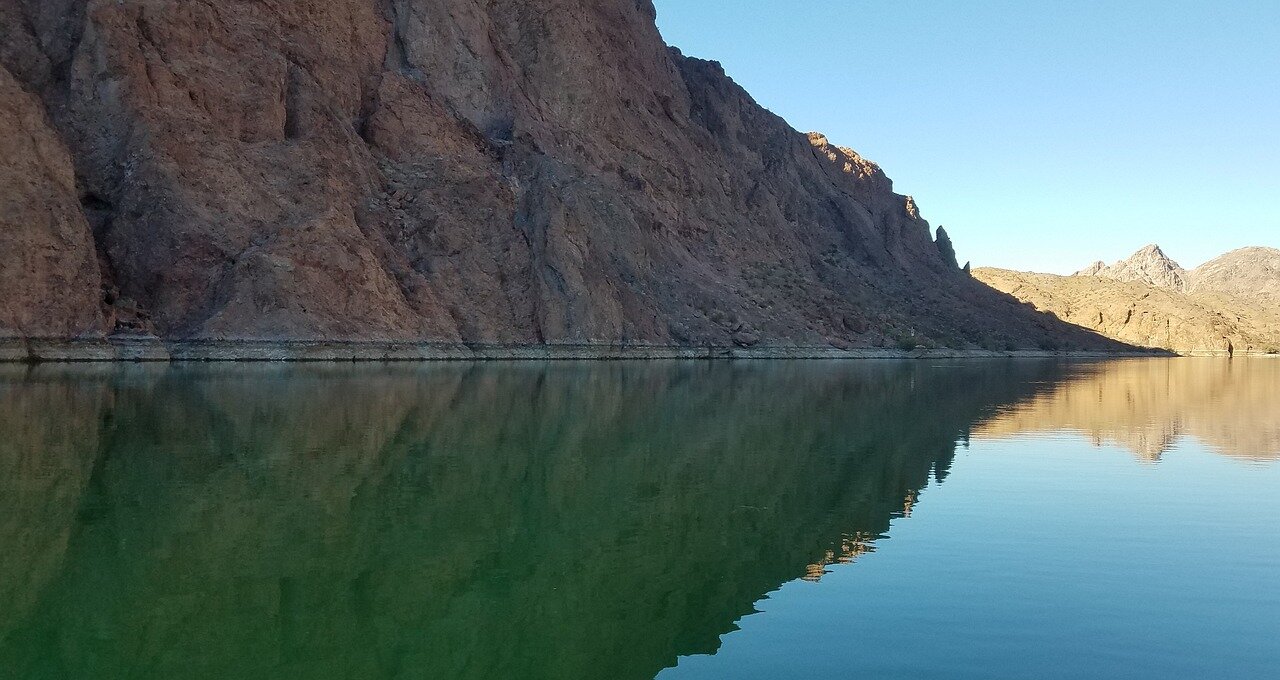
In August 2023, the U.S. Bureau of Reclamation announced that Lake Mead and Lake Powell, the two largest reservoirs in the country, are at historically low levels, prompting calls for immediate action. The federal government has urged states to develop a plan to reduce their water usage by 15% to 30% to prevent further depletion of these critical resources. This situation has intensified discussions among state leaders and water managers about the sustainability of current water agreements.
California, which holds the most senior water rights, is facing pressure from neighboring states that argue its usage is disproportionate, especially in light of the ongoing drought. Arizona and Nevada have proposed reductions in water consumption, but California’s reluctance to make significant cuts has led to friction among the states. The negotiations are complicated by differing agricultural and urban water needs, as well as varying economic impacts across the region.
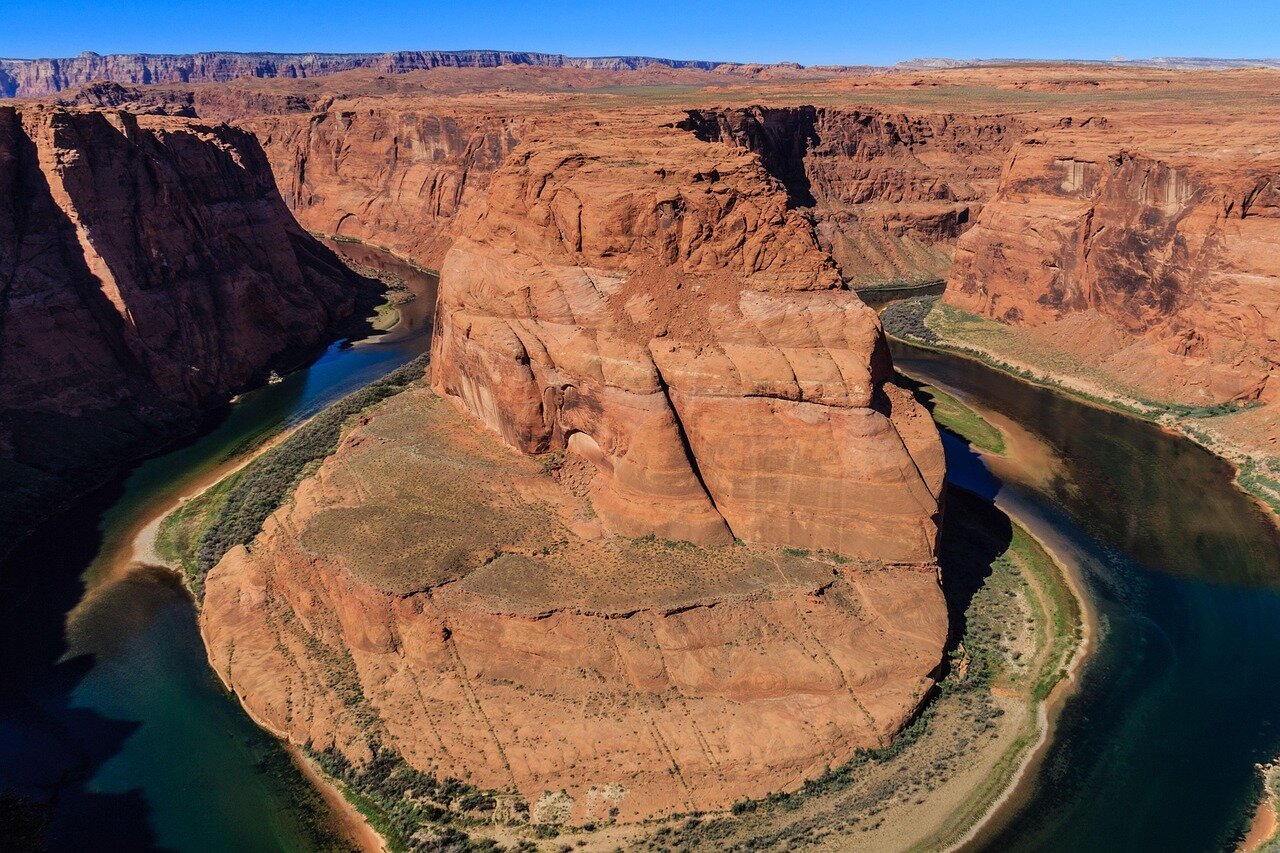
As of late September 2023, a series of meetings have been scheduled to address these issues, with federal officials playing a mediating role. The outcome of these discussions could have long-lasting implications for water management policies and inter-state relations in the region. With climate change exacerbating water scarcity, the stakes are high for all parties involved, making it crucial to find a collaborative solution.
Understanding the historical significance of the Colorado River
The Colorado River has long been a lifeline for the southwestern United States, providing water to millions of residents and supporting agricultural activities across several states. Historically, the river has been a source of conflict, as its waters are shared among seven states: Colorado, Wyoming, Utah, New Mexico, Arizona, Nevada, and California. The legal framework governing the distribution of this vital resource was established in the early 20th century, during a period of rapid population growth and economic expansion in the region.
In 1922, the Colorado River Compact was signed, dividing the river’s flow into upper and lower basin states. This agreement allocated 7.5 million acre-feet of water annually to each basin, a decision that was made without fully understanding the river’s natural variability. As a result, states began to over-rely on the river, leading to a situation where the demands for water often exceeded the supply, especially during prolonged droughts.
The impact of climate change and drought
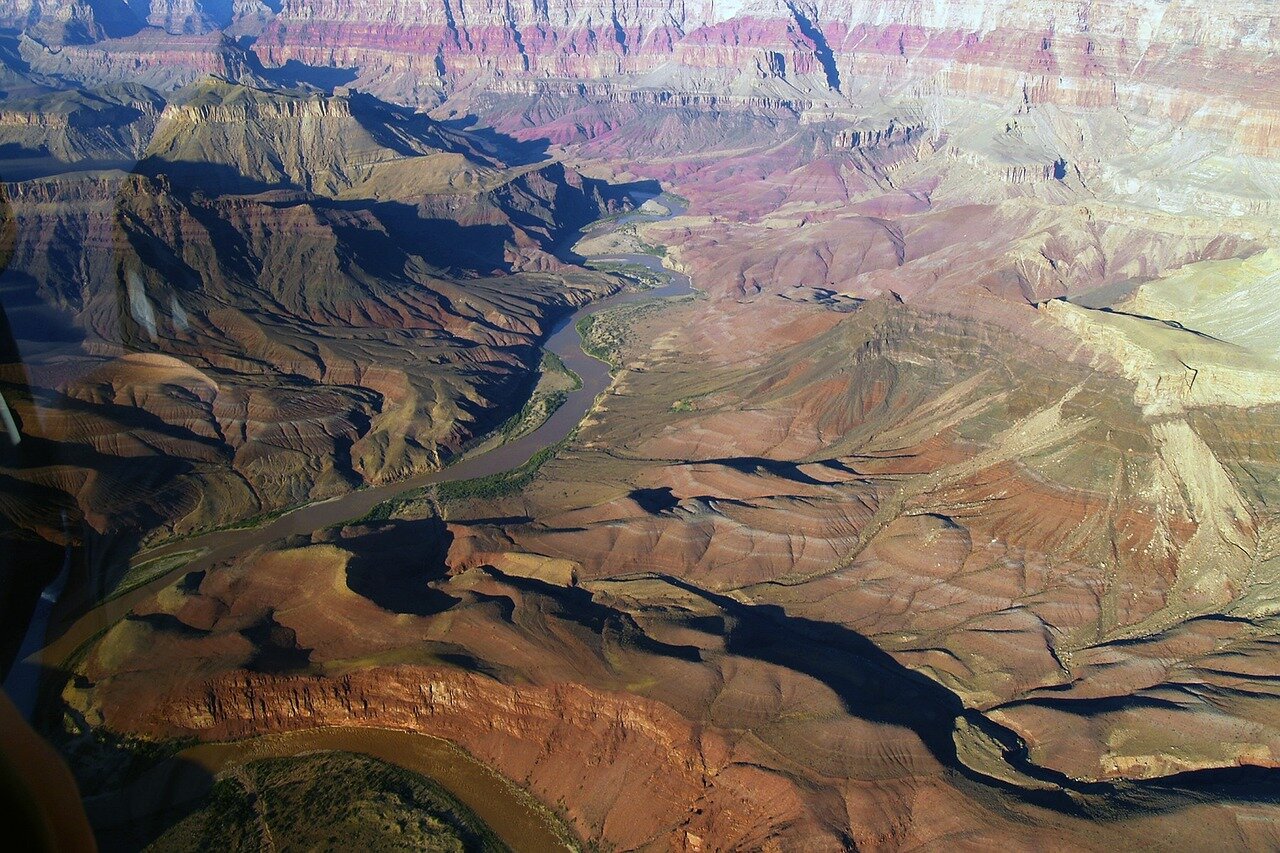
In recent years, climate change has exacerbated the situation, leading to reduced snowpack and higher temperatures, which in turn diminish river flows. The ongoing drought in the West has further strained the already limited water resources, intensifying competition among states that rely on the Colorado River. As water levels in key reservoirs like Lake Mead and Lake Powell continue to drop, tensions have escalated, with states vying for their share of a dwindling supply.
Moreover, the economic implications of the water crisis cannot be understated. Agriculture, which consumes approximately 70% of the Colorado River’s water, faces significant challenges as farmers struggle to adapt to water shortages. Urban areas that depend on the river for drinking water are also at risk, leading to political maneuvering and negotiations among states as they seek to secure their water rights amid an uncertain future.
As discussions continue about potential solutions, including water conservation measures and new agreements, the historical context of the Colorado River’s management remains crucial. Understanding the past decisions and their consequences helps to illuminate the complex dynamics at play in the current water crisis, as states navigate their competing interests in a changing climate.
Key stakeholders and their conflicting interests in water allocation
The Colorado River, a vital water source for several states, is at the center of growing tensions as stakeholders vie for limited resources. The primary actors in this situation include state governments, agricultural industries, urban municipalities, and environmental organizations. Each of these groups has distinct interests that often conflict with one another, leading to a complex web of negotiations and disputes.
State governments, particularly those of California, Arizona, and Nevada, have historically held significant water rights under the 1922 Colorado River Compact. These states prioritize agricultural irrigation and urban water supply, which are crucial for their economies. However, with ongoing drought conditions and increasing water demands, these interests are increasingly at odds, creating a tense environment among the states.
Agricultural stakeholders, who rely heavily on the river for irrigation, face a critical dilemma. As urban areas expand and demand more water, farmers may find themselves with reduced allocations. This trade-off raises questions about food security and the sustainability of farming practices in the region. Additionally, the economic impact on rural communities that depend on agriculture cannot be overlooked.
Urban municipalities, particularly those in rapidly growing areas like Las Vegas and Los Angeles, are pushing for greater access to Colorado River water to sustain their populations. This urban demand for water often clashes with agricultural needs, leading to disputes over allocation priorities. Moreover, as climate change exacerbates water scarcity, urban areas may seek more aggressive policies to secure their water futures.
- Legal frameworks: The existing compacts and agreements governing water rights are often outdated and do not account for current environmental realities.
- Environmental concerns: Environmental organizations advocate for the protection of ecosystems that depend on the river, emphasizing the need for sustainable water management practices.
- Economic implications: The conflict over water allocation has significant economic ramifications, affecting everything from agricultural productivity to urban development.
The implications of rising tensions on local communities and economies
The ongoing tensions among states that rely on the Colorado River are set to impact various groups, industries, and regions. Farmers, businesses, and urban populations in the Southwestern United States, particularly in Arizona, California, Nevada, and Colorado, are facing increasing uncertainty regarding water availability. As states negotiate water rights and usage, the ripple effects are felt across multiple sectors.
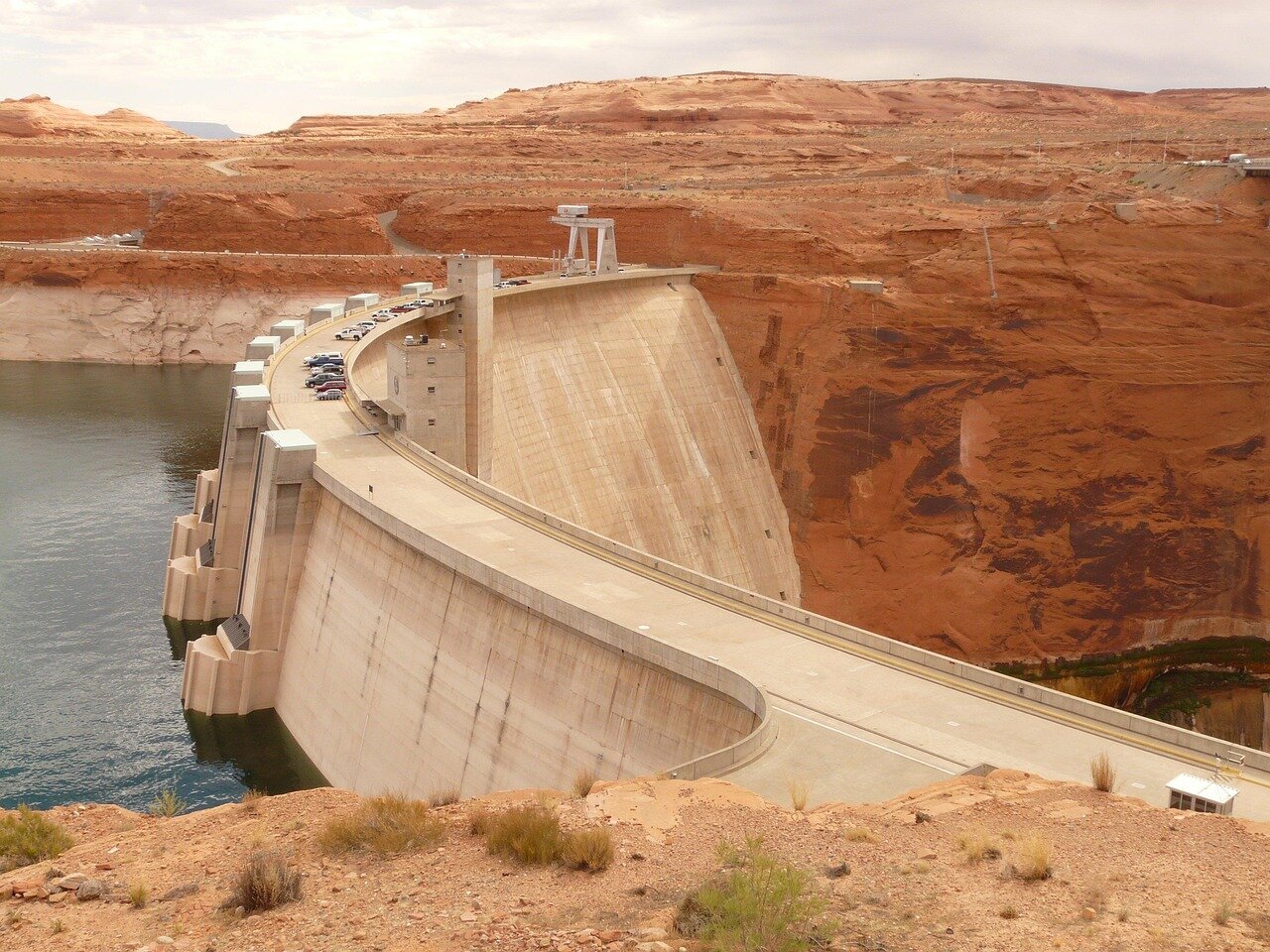
In the short term, agricultural producers are likely to experience immediate challenges. With potential water cuts looming, farmers may have to reduce crop yields or switch to less water-intensive crops, impacting food supply chains and local economies. This could lead to increased prices for consumers and a strain on agricultural jobs, particularly in rural areas that depend heavily on farming.
Mid-term impacts may include shifts in business operations and urban planning as cities grapple with water scarcity. Industries reliant on water, such as tourism and recreation, could see declines in visitor numbers if natural attractions like lakes and rivers diminish. Additionally, municipalities may need to implement stricter water conservation measures, affecting daily life for residents.
- Increased water prices: Consumers may face higher costs as water becomes scarcer.
- Job losses: Agricultural and tourism sectors may experience layoffs due to reduced water availability.
- Policy changes: Local governments might introduce new regulations to manage water usage more effectively.
However, these tensions also present opportunities for innovation and collaboration. Water conservation technologies and sustainable practices could gain traction as stakeholders seek to mitigate risks. Additionally, regional partnerships may emerge as states work together to develop comprehensive solutions to water management, fostering a sense of community and shared responsibility.
Frequently asked questions about the Colorado River situation
A: The primary causes include prolonged drought, increasing water demands, and competing agricultural and urban needs. These factors have led to disputes over water rights and allocations.
A: The states most affected include Arizona, California, Colorado, Nevada, New Mexico, Utah, and Wyoming. Each state has its own interests and claims regarding water usage.
A: Climate change exacerbates water scarcity by altering precipitation patterns and increasing evaporation rates. This leads to reduced water flow in the river, intensifying competition among states.
A: If tensions escalate, it could lead to legal battles, increased water restrictions, and potential conflicts among states. This may also affect agriculture and urban water supplies.
A: Yes, there are ongoing negotiations among the states and federal government to address water allocation and management. However, reaching a consensus has proven challenging.
Looking ahead: potential solutions and future scenarios
As the pressures on the Colorado River intensify due to climate change and increasing demand, states reliant on its waters face a critical juncture. Collaborative efforts and innovative strategies will be essential to navigate the complexities of water allocation and usage. The future will likely hinge on negotiations that balance agricultural needs, urban growth, and environmental sustainability.
Stakeholders must remain vigilant and proactive in seeking equitable solutions. The potential for conflict looms, but so does the opportunity for cooperative management and investment in water-saving technologies. The path forward will require adaptability and a commitment to shared resources, emphasizing the importance of dialogue among the states.
- Watch for the development of new agreements that prioritize sustainable water management practices.
- Monitor technological advancements in water conservation that could alleviate some pressure on the river.
- Keep an eye on the political landscape, as changes in leadership may influence negotiations over water rights.
- Consider the implications of climate variability, which could further complicate water availability and distribution.
- Stay informed about grassroots movements advocating for equitable water access and environmental protections.