
Notable examples include the recent success of several tracks that gained traction through platforms like TikTok and Instagram. For instance, songs released in late 2023 saw their streaming numbers soar after being featured in viral clips, highlighting the effectiveness of this approach. The ability to create shareable moments has become essential for artists seeking to expand their reach in a competitive market, particularly with strategies like clipping.
Major record labels are now investing heavily in creating clipping strategies, often collaborating with influencers to maximize exposure. This shift reflects a broader trend in the industry where traditional marketing methods are being replaced by more dynamic, digital-first approaches. As a result, the landscape of music promotion is evolving rapidly, with clipping at the forefront.
The implications of this trend extend beyond mere marketing; they also influence how music is consumed and appreciated. Shortened attention spans and the demand for instant gratification mean that artists must adapt their creative processes to fit this new paradigm. Consequently, the way music is produced, marketed, and experienced is undergoing significant transformation.
The rise of digital marketing strategies in the music industry
In the past two decades, the music industry has undergone a seismic shift, largely driven by the rise of digital technology and the internet. Traditional marketing methods, which relied heavily on physical media and radio play, have been supplanted by innovative digital strategies that leverage social media, streaming platforms, and viral content. This evolution has not only changed how music is distributed but also how it is marketed, leading to the emergence of new tactics that resonate with today’s audiences.
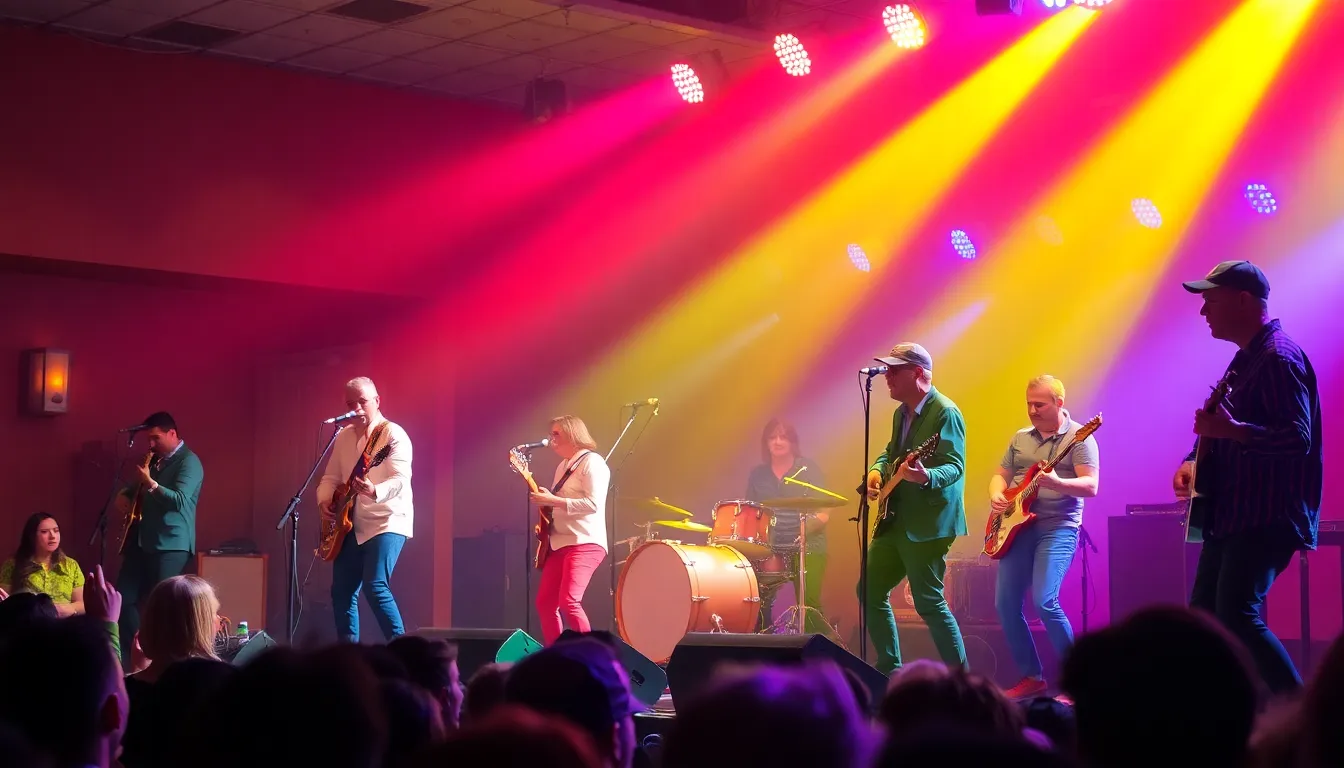
One such tactic that has gained traction is ‘clipping.’ This strategy involves creating short, engaging snippets of music or content that can be easily shared across social media platforms. As attention spans shorten and competition for audience engagement intensifies, artists and labels have turned to clipping as a way to capture interest quickly and effectively. The ability to create buzz around a song or album using these bite-sized pieces has proven to be a game-changer in an industry that is constantly evolving, similar to the challenges faced by traditional businesses.
The impact of social media
Social media platforms have played a pivotal role in the rise of clipping as a marketing strategy. With the ability to reach millions of users within seconds, artists can promote their work in a way that was previously unimaginable. Viral challenges, TikTok trends, and Instagram reels have all contributed to the popularity of clips, allowing songs to gain traction through user-generated content. This democratization of music marketing means that even independent artists can achieve significant visibility without the backing of major labels.
Historically, the music industry has seen various marketing trends come and go, but the integration of digital strategies marks a significant turning point. From the early days of music videos in the 1980s to the rise of MP3s and streaming services in the 2000s, each innovation has paved the way for new ways to engage with audiences. Clipping represents the latest evolution in this ongoing journey, emphasizing the importance of adaptability in a rapidly changing landscape.
As we look to the future, it is clear that clipping and similar strategies will continue to shape how music is consumed and marketed. The ability to harness the power of social media and digital content will likely remain a cornerstone of successful marketing campaigns, highlighting the need for artists and labels to stay ahead of the curve in this dynamic environment.
Key players and challenges in the clipping phenomenon
The rise of ‘clipping’ as a viral marketing strategy in the music industry has brought together a diverse array of stakeholders, each with their own interests and motivations. Key players include artists, record labels, streaming platforms, and fans, all of whom play a crucial role in the success of this innovative approach to music promotion, much like the dynamics involved in establishing communications in any growing industry.

Artists are often at the forefront of this trend, leveraging clipping to reach wider audiences and enhance their visibility. This strategy allows them to create engaging content that resonates with fans, potentially leading to increased sales and streaming numbers. However, artists must navigate the fine line between creativity and commercialism, as excessive reliance on viral tactics may dilute their artistic integrity.
Record labels, on the other hand, have a vested interest in maximizing profit and market share. They are increasingly investing in viral marketing strategies like clipping, recognizing the potential for rapid audience growth. However, this can lead to conflicts with artists who may feel that their creative control is compromised in favor of commercial success. The challenge lies in balancing artistic freedom with the financial imperatives of the music industry.
- Streaming platforms: These entities benefit from increased traffic and engagement driven by viral content, but they also face challenges in managing copyright issues related to user-generated content.
- Fans: While fans enjoy the creative output and the excitement of viral trends, they may also experience fatigue if the market becomes oversaturated with similar content.
- Legal considerations: The use of sampling and remixing in clipping raises important copyright questions, necessitating a careful approach to intellectual property rights.
As the clipping phenomenon evolves, it will be essential for all stakeholders to engage in open dialogue to address these conflicts and trade-offs. Understanding the broader implications of this marketing strategy will help navigate the complexities of the music business in the digital age.
How clipping affects artists and the music market
The rise of clipping as a viral marketing strategy is reshaping the landscape for artists and the music industry. Independent musicians, major labels, and streaming platforms are all feeling the impact of this innovative approach. By leveraging short, catchy snippets of music, artists can capture attention quickly and engage audiences in a way that traditional marketing methods often fail to achieve.
In the short term, artists who adopt clipping can see a significant increase in their visibility and fan engagement. This strategy allows them to create buzz around new releases, driving streams and downloads almost instantaneously. As a result, many artists are prioritizing social media platforms where these clips can be shared easily, leading to a shift in how music is promoted.

However, the mid-term effects may present both risks and opportunities. While clipping can lead to rapid growth for some, it also risks oversaturation of the market, as countless artists try to capitalize on the trend. This could dilute the effectiveness of clipping as a marketing tool. Additionally, there is a concern that artists may prioritize viral potential over artistic integrity, leading to a homogenization of music styles.
- Opportunities: Increased audience reach and engagement, especially among younger demographics.
- Risks: Market oversaturation and potential loss of artistic authenticity.
- Impact on Policy: Possible shifts in copyright and intellectual property considerations as short clips gain prominence.
Regions with strong social media engagement, such as North America and parts of Europe, are particularly affected, as these are the areas where clipping can gain the most traction. The music industry is adapting to this new reality, with record labels revising their marketing strategies to incorporate clipping as a core component of their promotional efforts.
A: Clipping refers to a marketing strategy that involves creating short, impactful content to promote music. It often leverages social media platforms to reach wider audiences quickly. A: Clipping allows artists to engage with fans more effectively by providing bite-sized content that can go viral. This can lead to increased visibility and potential sales. A: Yes, while clipping can enhance visibility, it may also oversaturate audiences if not done thoughtfully. It’s important for artists to maintain authenticity. A: Platforms like TikTok, Instagram, and YouTube are ideal for clipping due to their focus on short-form content and high user engagement. A: Clipping can be effective across various genres, but its success often depends on the target audience and how well the content resonates with them.
Frequently Asked Questions about Clipping
Future outlook on clipping and its significance in music marketing
The rise of clipping as a viral marketing strategy marks a significant shift in how artists and labels engage with audiences. This approach not only amplifies exposure but also fosters a deeper connection with fans by creating shareable moments that resonate emotionally. As the music industry continues to evolve, the potential for clipping to enhance brand visibility and drive streaming numbers is increasingly evident.
Looking ahead, artists and marketers must consider how to effectively integrate clipping into their broader promotional strategies. By leveraging this technique, they can tap into the viral nature of social media, ensuring that their music reaches wider audiences while cultivating a dedicated fanbase.
- Monitor trends in social media to identify opportunities for clipping that align with current cultural moments.
- Experiment with different formats and platforms to see which types of clips resonate best with target audiences.
- Engage with fans by encouraging them to create their own clips, fostering community and increasing organic reach.
- Analyze metrics from previous campaigns to refine future clipping strategies and maximize impact.
- Consider collaborations with influencers who can amplify the reach of clipping efforts within their networks.