
The CIA’s video emphasizes themes of freedom and individual choice, presenting the agency as an alternative for those feeling constrained by their current military obligations. By directly addressing Chinese soldiers, the CIA aims to exploit perceived dissatisfaction within the ranks, particularly as the PLA faces internal challenges and criticism regarding its policies and governance. This initiative aligns with broader intelligence strategies focusing on recruiting disaffected personnel from rival nations.
This recruitment strategy is notable not only for its content but also for its timing, coinciding with heightened geopolitical tensions and military posturing in the Asia-Pacific region. The CIA’s outreach reflects a broader trend of intelligence agencies adapting their tactics to counter adversarial influences and recruit from rival nations, illustrating the complexities of modern espionage.
Experts suggest that this approach could have implications for U.S.-China relations, as it may provoke further scrutiny and retaliation from Beijing. The release of the video is part of a larger effort by U.S. intelligence to counteract China’s military advancements and to encourage defections by highlighting the benefits of aligning with Western values.
Understanding the geopolitical tensions influencing recruitment
The recent publication of a CIA recruitment video targeting disaffected Chinese soldiers underscores the growing geopolitical tensions between the United States and China. Over the past few decades, China has emerged as a global superpower, leading to heightened competition in various domains, including military, economic, and technological spheres. The U.S. has recognized this shift and is actively seeking ways to counter China’s influence, particularly in Asia-Pacific regions, where intelligence operations are becoming increasingly crucial.
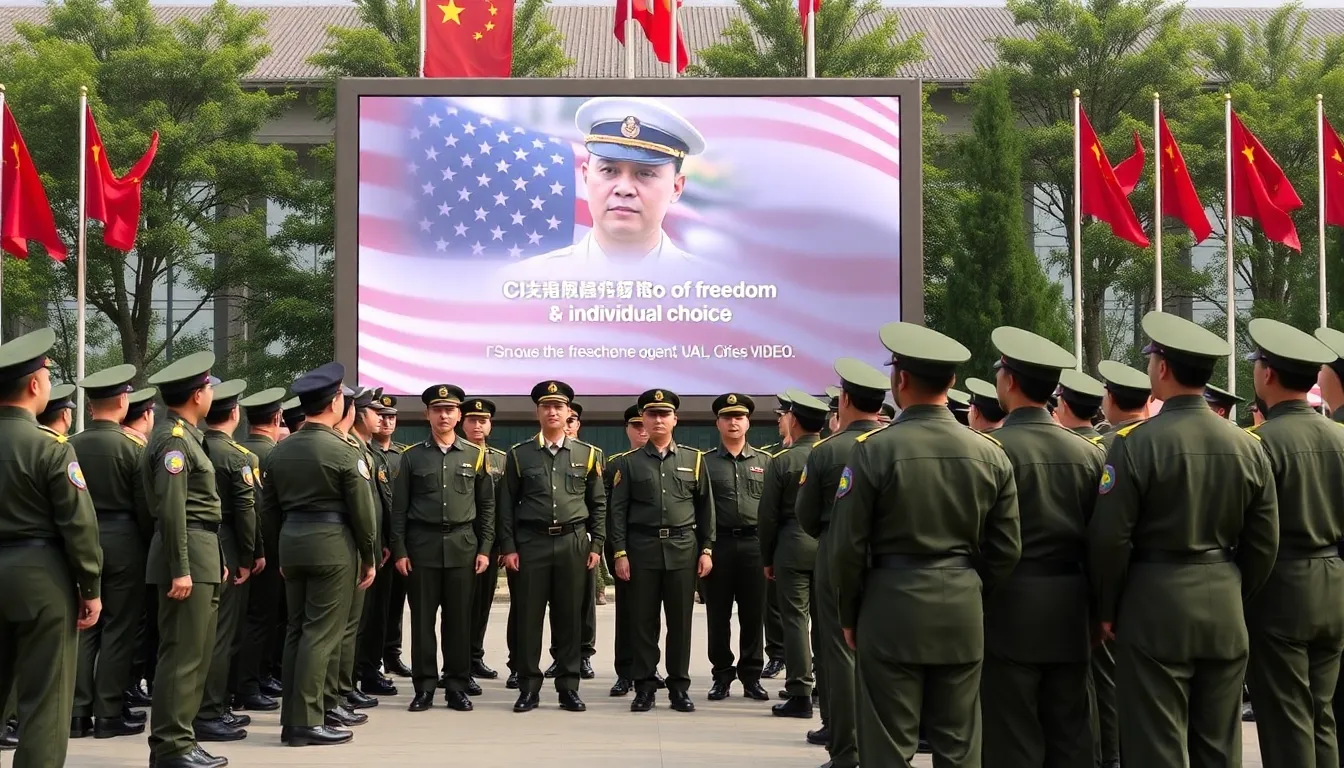
Historically, the relationship between the U.S. and China has been marked by both cooperation and contention. The normalization of diplomatic relations in the 1970s opened avenues for trade and cultural exchange, yet underlying tensions have persisted, especially regarding human rights, trade imbalances, and territorial disputes in the South China Sea. These issues have fueled a sense of nationalism within China, complicating the recruitment efforts of foreign entities such as the CIA.
The CIA’s decision to focus on Chinese soldiers reflects a strategic pivot in intelligence operations. In recent years, there has been an observable trend of defections from the Chinese military, often driven by disillusionment with government policies, corruption, and the increasing authoritarianism of the Chinese Communist Party. By targeting these individuals, the CIA aims to exploit vulnerabilities within the Chinese military structure and gather intelligence that could be pivotal in future conflicts.
Milestones in U.S.-China Relations
Key milestones have shaped the current landscape of U.S.-China relations. The Tiananmen Square protests in 1989 highlighted the Chinese government’s repressive measures against dissent, leading to international condemnation and sanctions. More recently, the trade war initiated in 2018 further strained relations, with tariffs imposed and retaliated against by both nations. These events have contributed to a climate of mistrust, making recruitment efforts by foreign intelligence agencies more viable as discontent grows among Chinese military personnel.
Key stakeholders and implications of the CIA’s recruitment efforts
The recent publication of a recruitment video by the CIA targeting disaffected Chinese soldiers has raised significant interest among various stakeholders. The primary actors involved include the CIA, the Chinese government, potential recruits, and international observers. Each of these stakeholders has distinct interests and concerns regarding the implications of this recruitment strategy.
The CIA aims to enhance its intelligence capabilities by attracting individuals who may be dissatisfied with their current military service in China. This recruitment initiative serves dual purposes: bolstering U.S. intelligence operations and potentially undermining the Chinese military’s cohesion. The CIA’s efforts reflect a broader strategy to exploit vulnerabilities within rival nations’ armed forces.
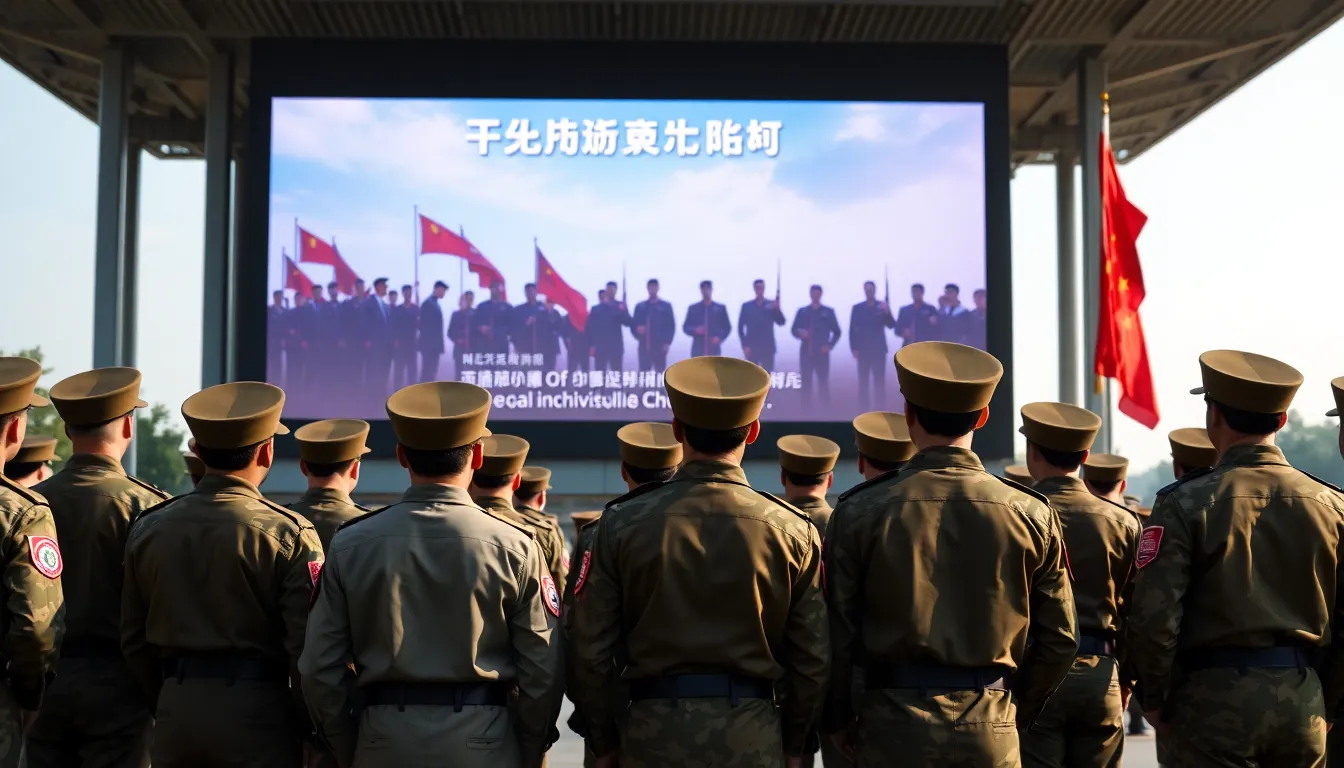
On the other hand, the Chinese government perceives this move as a direct threat to its national security and military integrity. The Chinese Communist Party is likely to respond with increased propaganda and counter-recruitment efforts to maintain morale among its troops. Furthermore, this could lead to heightened tensions between the U.S. and China, as both nations navigate the complexities of espionage and military recruitment.
- Legal implications: The recruitment of foreign military personnel raises questions about international law and sovereignty, potentially leading to diplomatic disputes.
- Economic considerations: If successful, the CIA’s recruitment could impact China’s military spending and resource allocation, prompting a reevaluation of defense budgets.
- Psychological effects: The video may influence the morale of Chinese soldiers, leading to increased discontent or loyalty challenges within the ranks.
- International reactions: Other nations may respond by reassessing their own intelligence and military strategies in light of this recruitment approach.
In summary, the CIA’s recruitment video not only reflects its strategic interests but also poses significant challenges and responses from the Chinese government and the broader international community. The ongoing developments in this scenario will likely shape future geopolitical dynamics and intelligence operations.
Potential effects on U.S.-China relations and military dynamics
The CIA’s recent recruitment video targeting disaffected Chinese soldiers is likely to have significant implications for various groups and industries. Primarily, the Chinese military and government may feel threatened by this move, as it directly challenges their recruitment efforts and morale among troops. Additionally, this could impact international relations, particularly between the U.S. and China, as both nations navigate the complexities of military engagement and espionage.
In the short term, the video could lead to heightened tensions in the Asia-Pacific region. Chinese authorities may respond with increased scrutiny of their military personnel, resulting in a more rigid internal environment. This could also lead to a crackdown on dissent within the ranks, affecting the daily lives of soldiers and their families. On the other hand, the U.S. might see a surge in interest from potential recruits, particularly those with ties to China, which could enhance its intelligence capabilities.
Mid-term impacts may include shifts in recruitment strategies within both the U.S. and Chinese militaries. The U.S. might capitalize on this opportunity to attract more talent, while China may invest in counter-propaganda efforts to maintain loyalty among its forces. This could result in increased military spending and a focus on psychological operations, affecting budgets and policies in both nations.
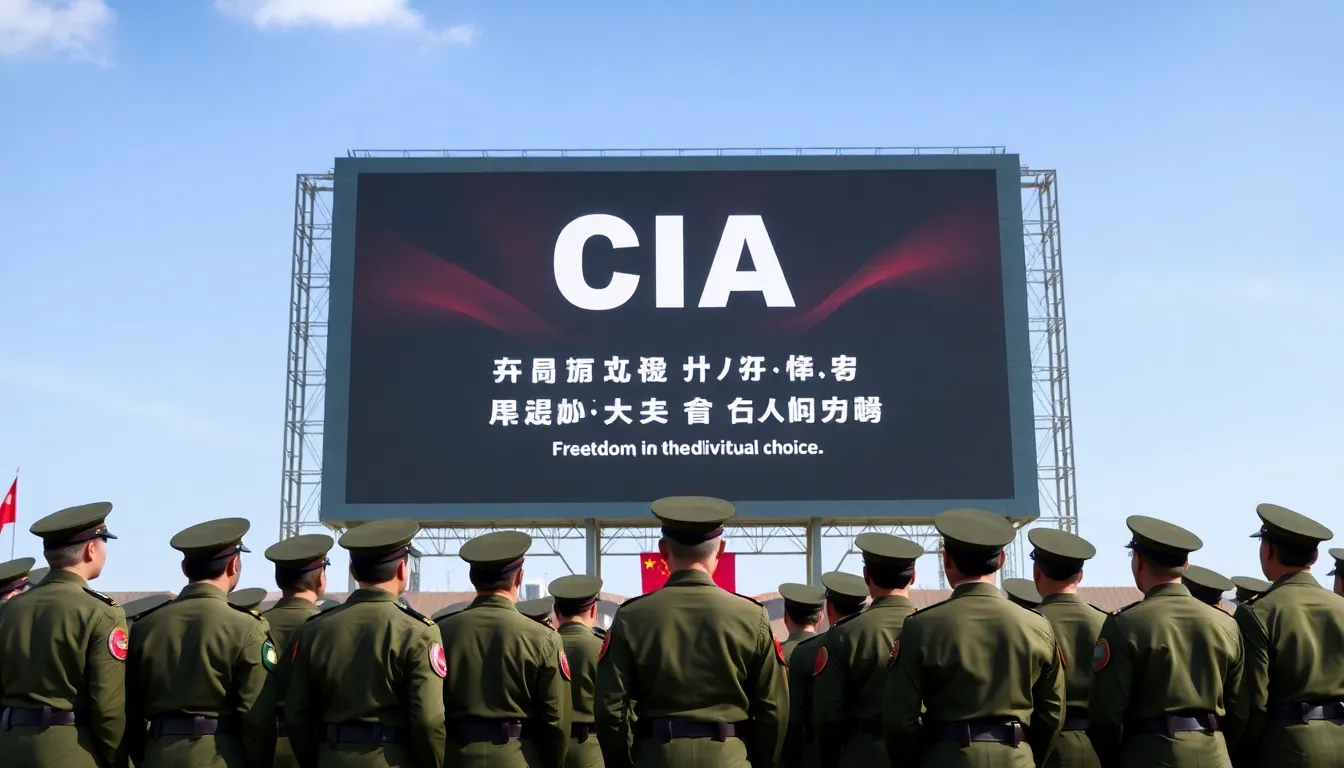
- Increased military tension: Heightened scrutiny and potential retaliation from China.
- Opportunities for U.S. intelligence: Recruitment of skilled individuals disillusioned with the Chinese military.
- Shifts in military spending: Both nations may redirect resources towards countering each other’s influence.
- Potential for espionage: Increased risks of intelligence leaks and espionage activities.
Overall, while there are risks associated with the CIA’s recruitment video, there are also opportunities for the U.S. to strengthen its military and intelligence capabilities. The long-term effects on U.S.-China relations will depend on how both countries respond to this provocative initiative.
A: The video aims to attract disaffected Chinese soldiers who may be seeking new opportunities outside of their military service, showcasing the benefits of joining the CIA. A: This strategy could exacerbate tensions between the U.S. and China, as it directly targets Chinese military personnel, potentially leading to diplomatic fallout. A: Chinese soldiers may face significant risks, including legal repercussions and social stigma, if they choose to leave their military roles for foreign service. A: Yes, the CIA has previously targeted military personnel from various countries, adapting its approach based on geopolitical contexts and recruitment needs. A: The CIA is likely interested in a range of skills, including language proficiency, technical expertise, and military experience that can be leveraged for intelligence operations.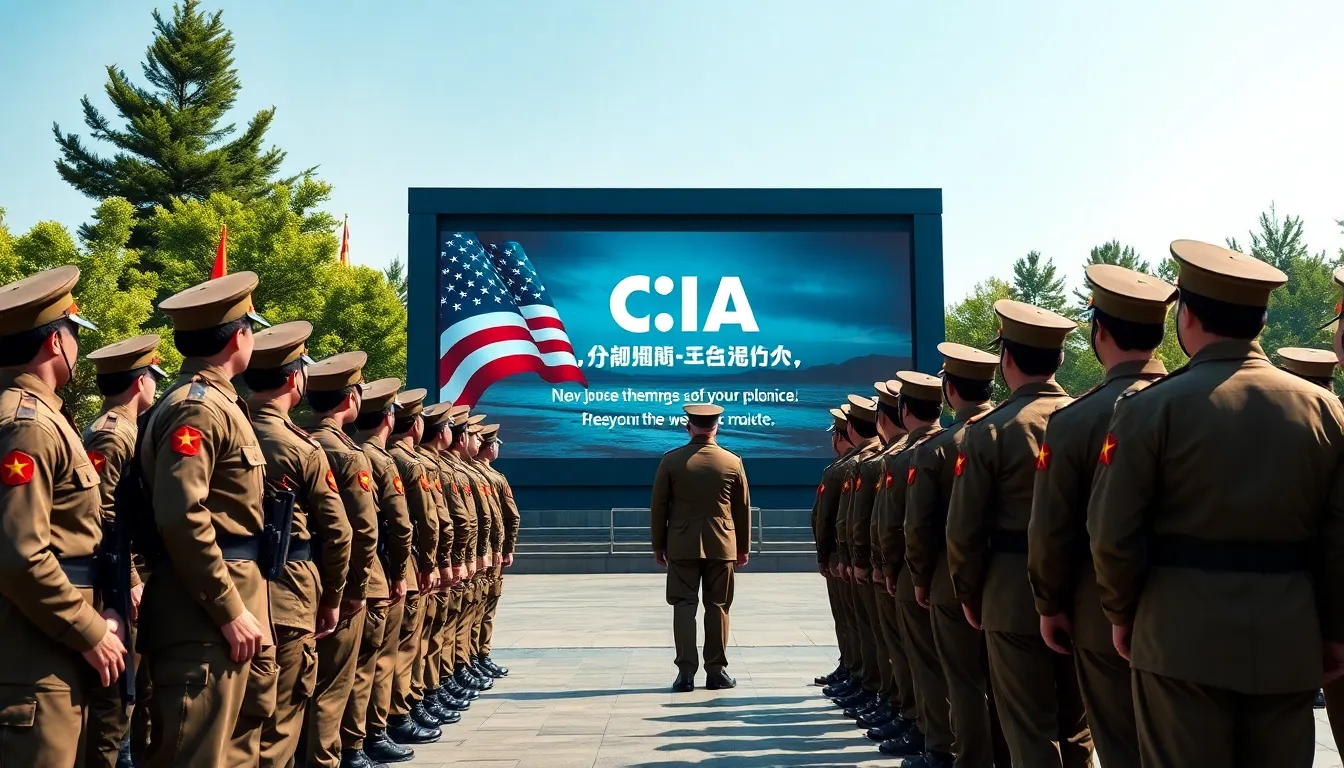
Frequently asked questions about the CIA’s recruitment video
Looking ahead: implications of the CIA’s recruitment initiative
The CIA’s recent recruitment video targeting disaffected Chinese soldiers highlights a significant shift in intelligence and military recruitment strategies. This initiative not only underscores the growing concerns regarding internal dissent within the Chinese military but also reflects a broader geopolitical landscape where intelligence agencies are increasingly vying for talent across borders. The implications of this move may resonate beyond recruitment, potentially influencing international relations and the dynamics of military loyalty.
As the global environment continues to evolve, monitoring the responses from both the Chinese government and its military personnel will be crucial. The effectiveness of such recruitment efforts could reshape perceptions of loyalty and allegiance among military ranks, prompting a reevaluation of how nations approach intelligence gathering and national security.
- Watch for potential retaliatory measures from the Chinese government aimed at countering defections or dissent within the military.
- Observe the effectiveness of the CIA’s strategy in attracting talent, which may set a precedent for future recruitment initiatives by intelligence agencies worldwide.
- Consider the implications for U.S.-China relations, particularly if this initiative leads to increased tensions or a shift in military capabilities.
- Monitor how this recruitment approach influences the morale and cohesion of the Chinese military, potentially affecting its operational effectiveness.